
Mapa mental
Lecture Week 9
Contenido del mapa
Lecture Week 9
Machine tool selection/machining processes
- - Lathe - Turning -Drill press - Drilling -Milling machine - Milling -Grinder - Grinding Machining centres -Shaper & planer - Shaping & planing -Broach - Broaching -Saw - Sawing
Generating and Forming
- -Generating - part geometry is determined by the feed trajectory of the cutting tool. -Forming - part geometry is created by the shape of the cutting tool
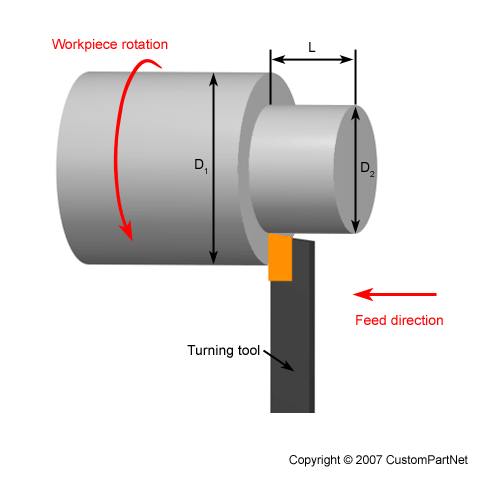
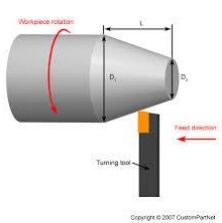
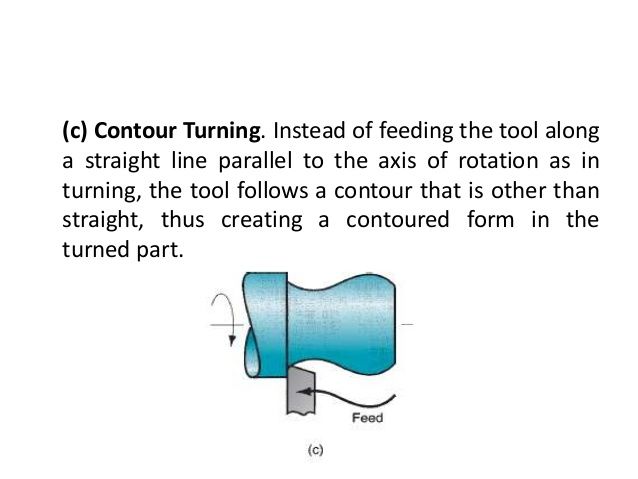
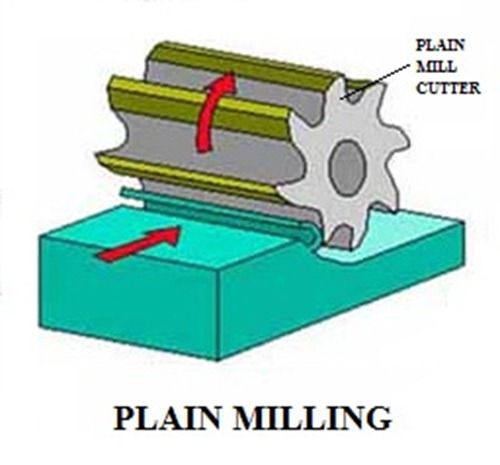
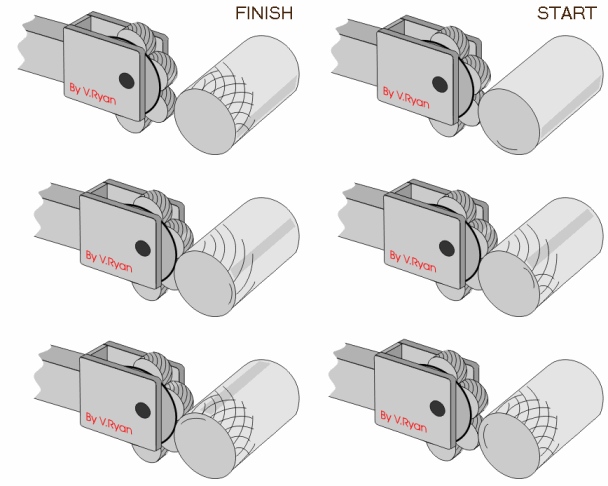
- Generating a shape
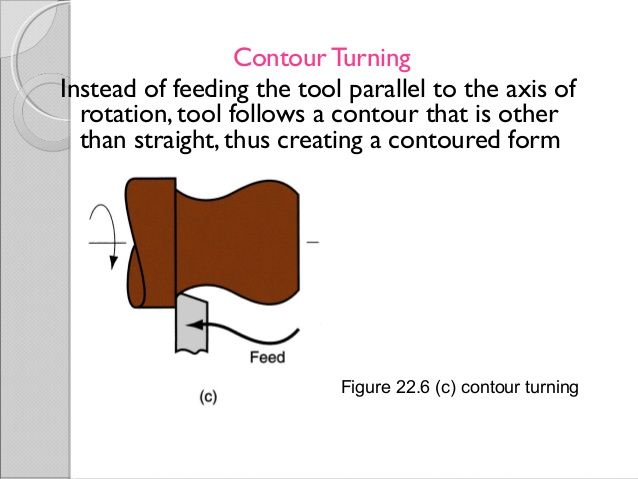
- Generating shape: As seen in the mages above there are 5 methods to generating a shape.(from left to right in order) (a) Straight turning (b) Taper turning (c) Contour turning (d) Plain milling (e) Profile milling.
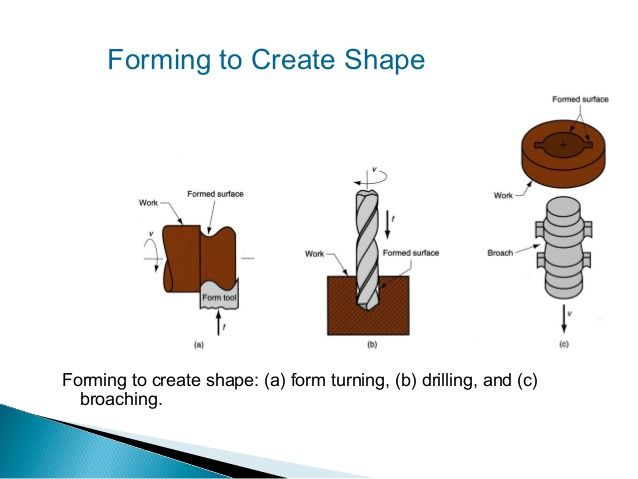
- Forming a shape
- Forming to create shape: (a) form turning (b) drilling (c) broaching
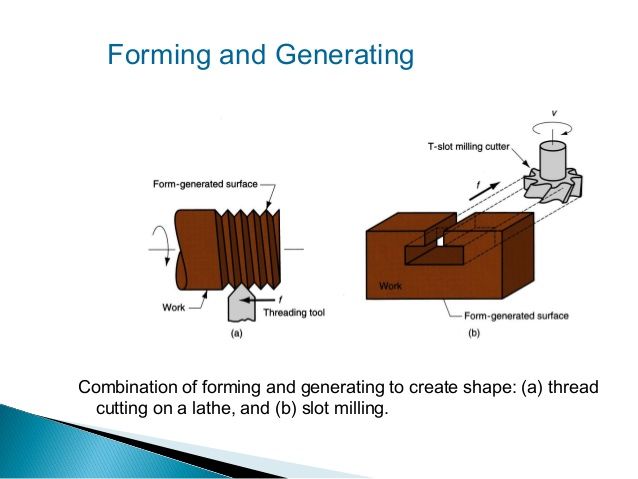
- combination of forming and generating
Material removal processes
- -Turning -Milling -Drilling -Shaping -Planing -Broaching -Sawing
- Turning
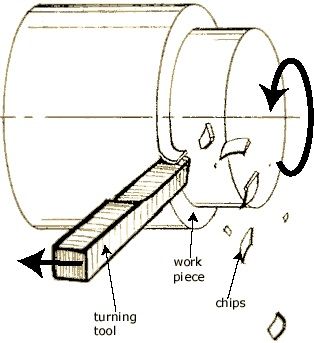
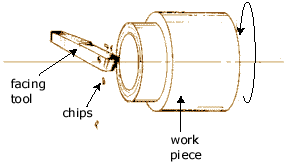
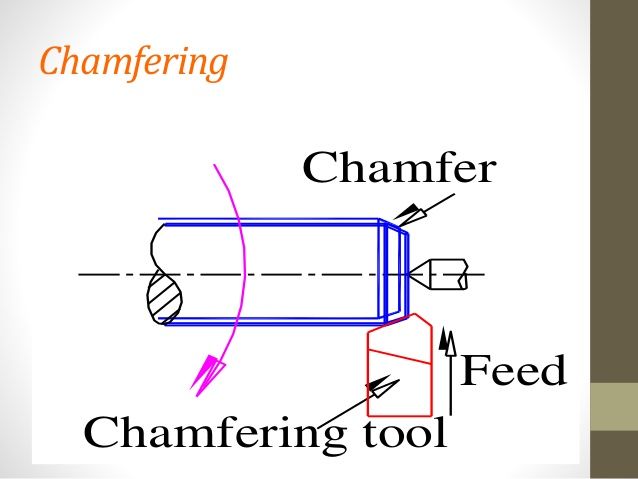
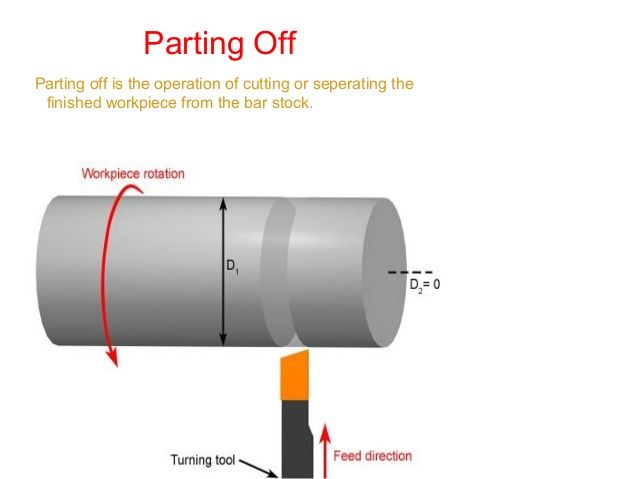
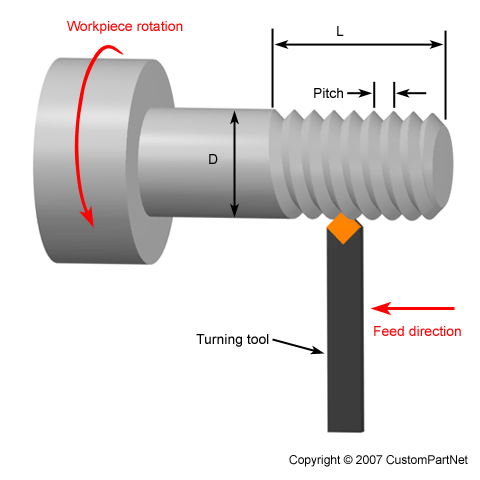
- A single point cutting tool removes material from a rotating work-piece to generate a cylindrical or conical shape. -Performed on a machine tool called a Lathe. -Variations of turning that are performed on a lathe: (a) Facing/ end facing (b) Contour turning (c) Chamfering (d) Parting off (e) Threading (f) Knurling (g)
- Lathe types
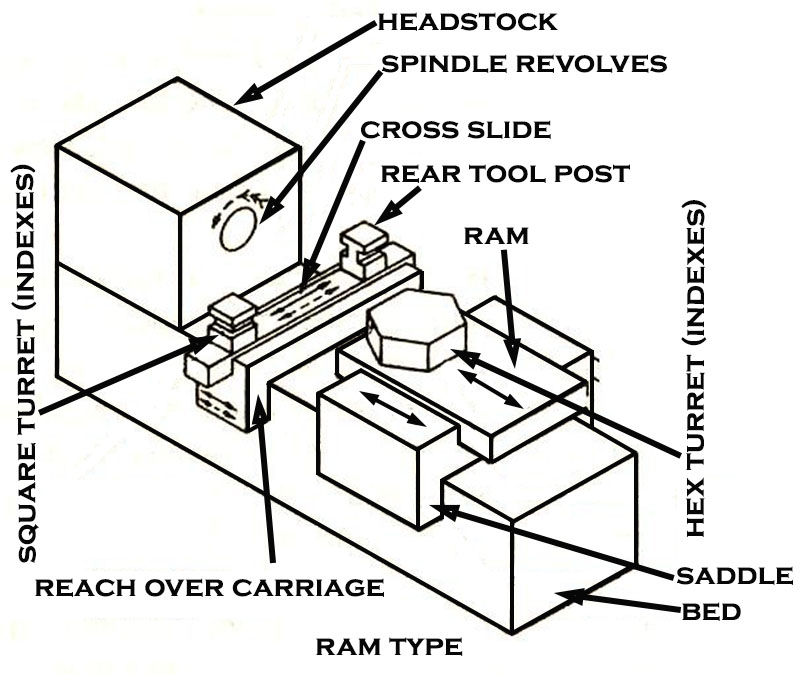
- Turret Lathe -Tools rapidly brought into action by indexing the turret -Tool post replaced by four-sided turret to index four tools -Applications:high production work that requires a sequence of cuts on the part
- Chucking Machine -Larger cam-operated automatic lathe -Uses chuck in its spindle to hold workpiece -The workpieces are discrete blanks held in a magazine. -Cutting tool actions controlled automatically -Operators job: to load and unload parts -Applications:short, light - weight parts.
- Automatic bar machine -Similar to chucking machine except a collet replaces the chuck, permitting long bar stock to be fed automatically through headstock. -At the end of the machining cycle, a cutoff operation seperates the new part -Applications:high prodyction of rotational parts
- Multiple Spindle Bar Machines -More than one spindle, so multiple parts machined simultaneously by multiple tools -example: six spindle automatic bar machine works on six parts at a time -After each machining cycle, spindles (including collets and workbars) are indexed and the cycle repeats
- Drilling
- -Creates a round hole in a workpart -Cutting tool called a drill or drill bit -Normally performed on a drill press -Accounts for ~25% of all machining processes performed
- Through holes vs Blind holes Through holes - drill exits the opposite side of work. Blind holes - drill does not exit work on opposite side.
- Reaming -Used to slightly enlarge a hole, provide better tolerance on diameter, and improve surface finish
- Tapping -Used to provide internal screw threads on an exisitng hole tool is called a Tap.
- Counterboring -Provides a stepped hole, in which a larger diameter follows a smaller diameter partially into the hole
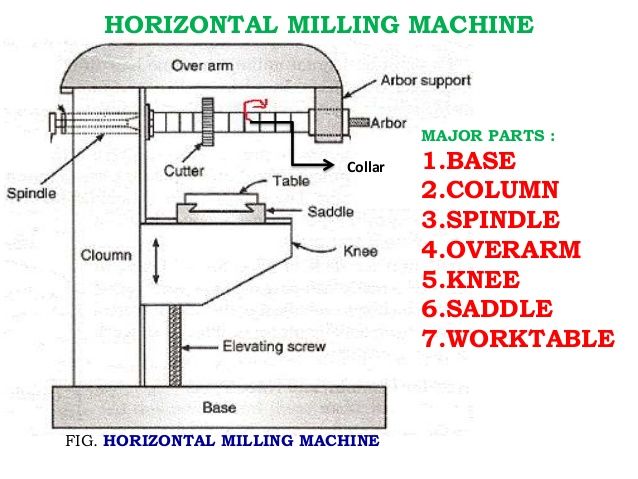
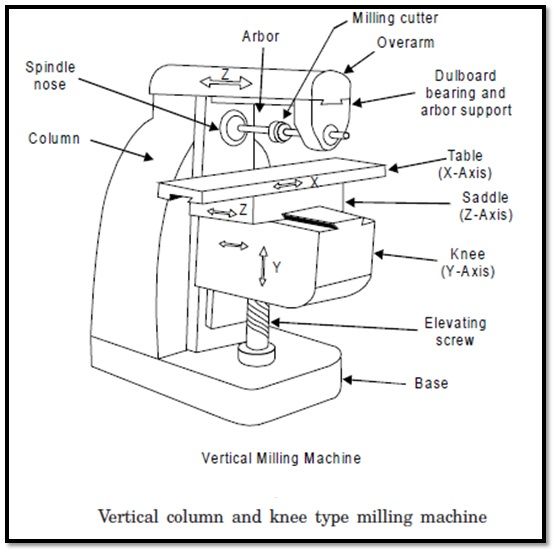
- Milling -Machining process by which a surface is generated by progressive chip removal. -Work is fed into a rotating tool with multiple cutting edges. -Axis of tool rotation is perpemdicular to feed direction -Creates a planar surface:other geometries possible either by cutter path or shape -Other factors and terms: -Milling is an interrupted cutting operation -Cutting tool called a milling cutter, cutting edges called "teeth" -Machine tool called a milling machine.
- Peripheral Milling vs Face Milling
- -Peripheral milling -Cutter axis is parallel to surface being machined -Cutting edges on outside periphery of cutter Face Milling -Cutter axis is perpendicular to surface being milled -Cutting edges on both the end and outside periphery of the cutter.
- Slab Milling - The basic form of peripheral milling inw idth extends beyond the workpiece on both sides
- Slotting -Width of cutter is less than workpiece width, creating a slot in the work
- Conventional Face Milling Cutter overhangs work on both sides
- End Milling -Cutter diameter is less than work width, so a slot is cut into part
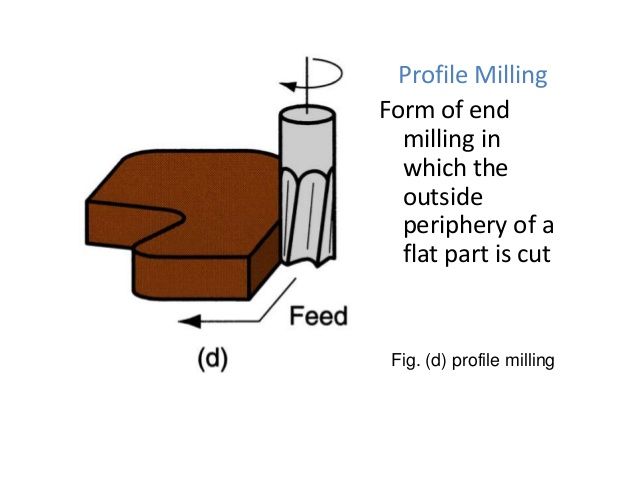
- Profile of end milling in which the outside periphery of a flat part is cut
- Pocket Milling - Another form of end milling used to mill shallow pockets into flat parts
- Surface countering -Ball-nose cutter is fed back and forth across the work along a curvilinear path at close intervals to create a three dimensional surface form
Machining Centers
- Highly automated machine tool capable of performing multiple machining operations under CNC control in one setup with minimal human attention. -Typical operations are lathe, milling and drilling
- Other features -Automatic tool-changing -Automatic work part positioning -Automatic feed of material for new part
- Machine Co-ordinations X-Primary feed axis Z-Spindle axis Y- Remaining axis A- Rotational axis about X B- Rotation axis around Y C-Roatation axis around Z
- Universal machining center (Haas CNC) highly automated, capable of multiple maching operations under computer control in one setup with minimal human attention
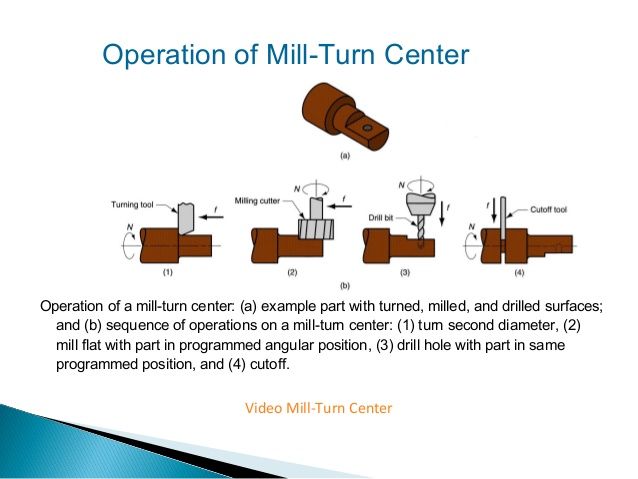
- Mill turn machines
- Highly automated machine tools that can perform turning, milling and drilling operations on a workpart -General configurations of a turning machine -Capable of both rotating the workpiece (turning) and rotating the tool (milling and drilling) -One setup
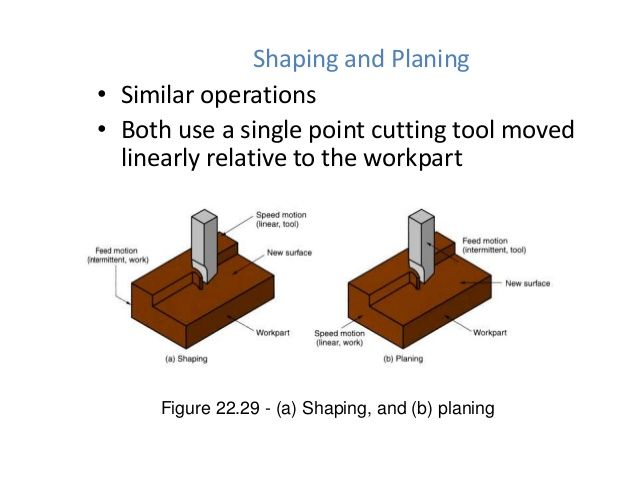
- Shaping and planing, Broaching and Sawing
- -Similar operations -Both use a single point cutting tool moved linearly relative to the workpiece -Creates a flat surface -Low cutting speed
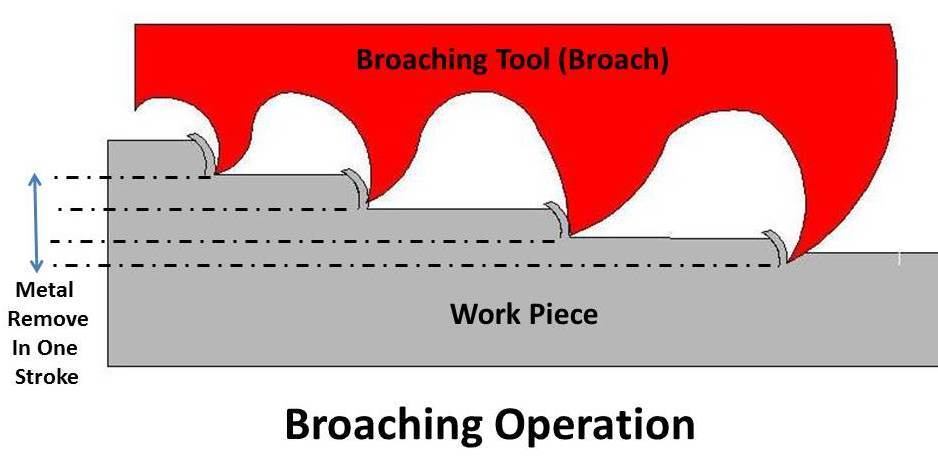
- Broaching -Moves a multiple cutting toothed tool linearly relative to the workpiece in the direction of tool axis -Good surface finish & close tolerances -Cutting tool is called a broach (expensive tool due to its complicated geometry)
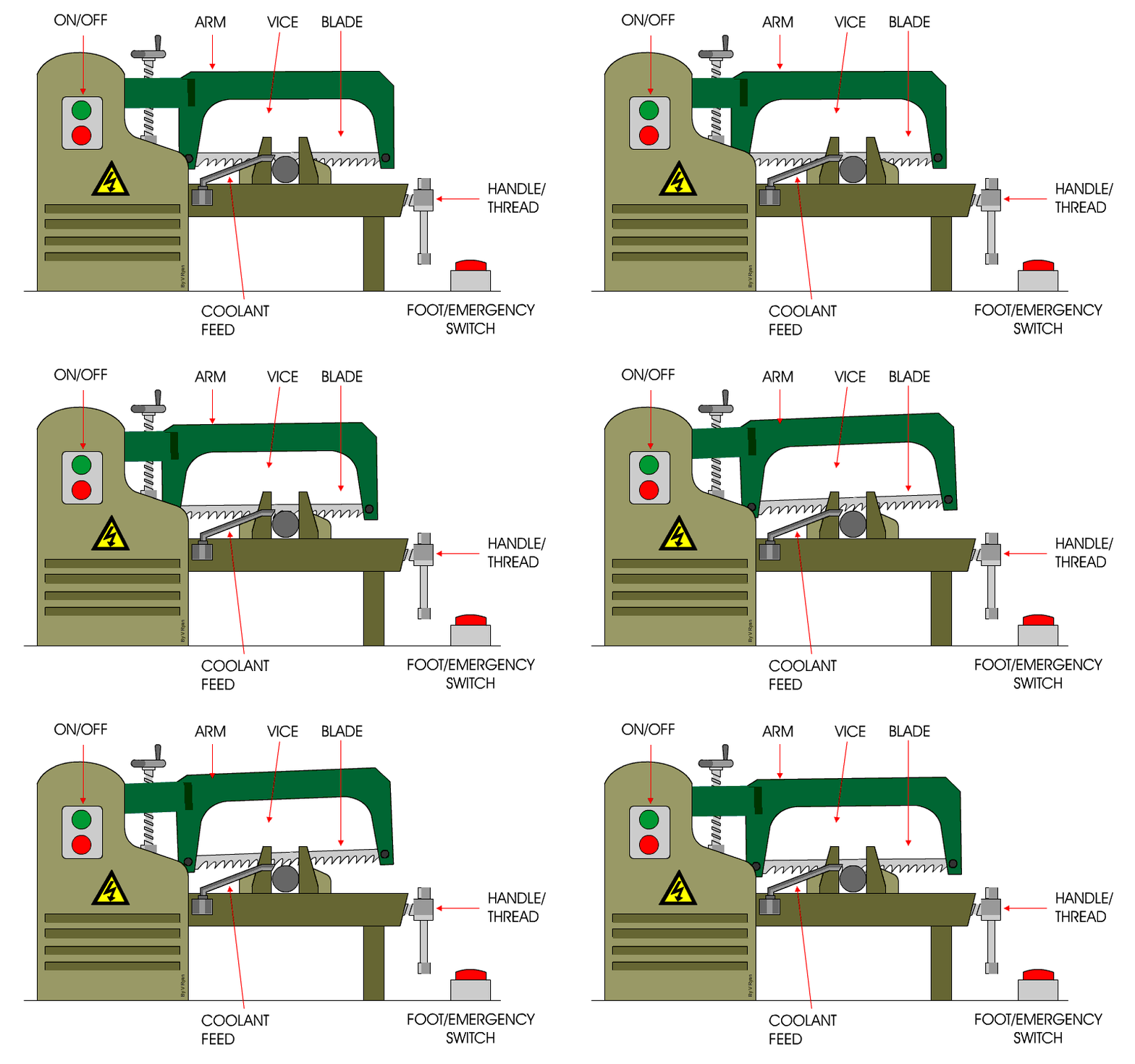
- Sawing -Power Hacksaw - linear motion of the saw blade against the work -Bandsaw - linear contiuous motion of saw blade, which is in form of an endless flexible loop with teeth on one edge
Imágenes y archivos del mapa
Información
- Descripción
- Mapa Mental sobre Lecture Week 9, creado por Ian Moloney el 06/11/2017.
- Creado por
- Ian Moloney
- Visitas
- 1
- Valoración