
Mapa mental
Plate Margins
Contenido del mapa
Plate Margins
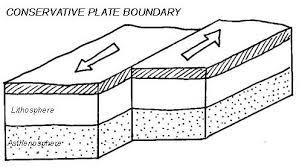
Conservative Plate Boundary
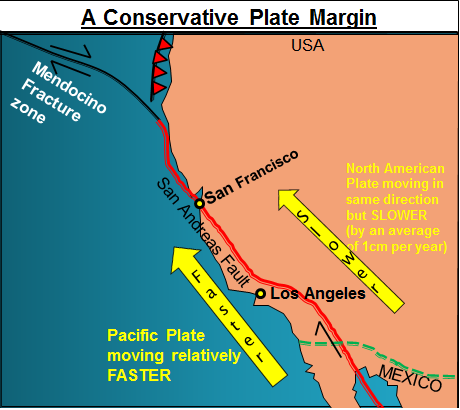
- Where two plates meet and pass past each other. There are NO VOLCANOES as there is no subduction or volcanic activity
- Movement of the plates is erratic therefore pressure builds and causes sudden movement which results in earthquakes
- Case Study: San Andreas Fault Line
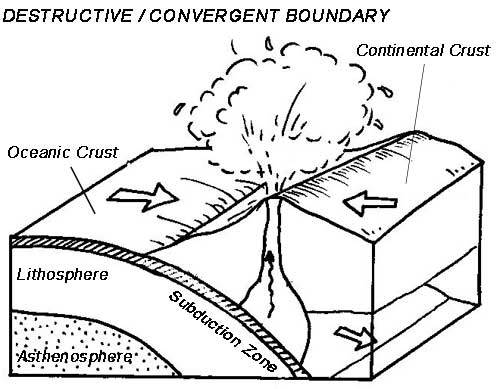
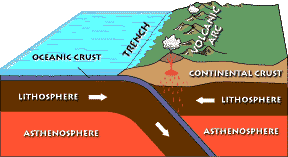
Destructive Subduction Plate Boundary
- Rhyolitic, acidic lava, high in silica, potentially explosive eruptions with pyroclastic flow, lava bombs, ash and dust, infrequent eruptions, can go through long dormant periods, creates large stratovolcanoes
- Where two plates move towards each other, the oceanic plate subducts beneath the continental plate as it is denser, it melts as it comes into contact with the asthenosphere, this then rises and causes a volcano on the surface on the continental plates. This also occurs with two oceanic plates where the faster plate subducts.
- Case Study: Pacific Ring of Fire
Conservative Plate Boundary
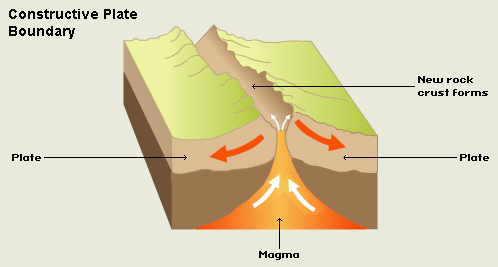
- Basaltic, low viscious lava, low in sillica, frequent eruptions, can be continuous, form shield volcanoes, NOT violent eruptions gases easily escape
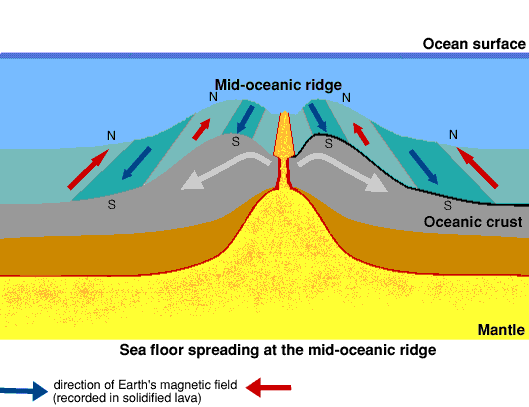
- Two plates move apart from each other and magma rises adding new land to the plates
- Case Study: Mid- Atlantic Ridge (Oceanic Ridge)
- Case Study: Eastern African Rift Valley (Rift Valley)
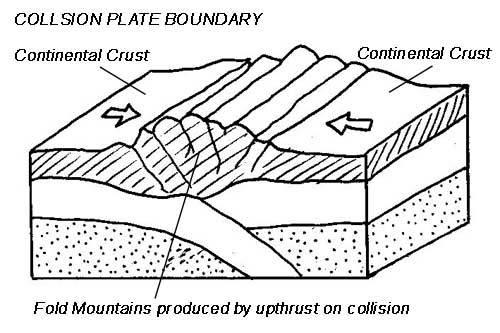
Destructive Collision Plate Boundary
- Two continental plates collide but there is no subduction therefore there are no volcanoes. Instead the sediment on the crust is forced upwards and folds into huge mountain ranges, this movement causes earthquakes
- Case Study: Himilayas/Alps
Imágenes y archivos del mapa
Información
- Descripción
- A Levels Geography Mapa Mental sobre Plate Margins, creado por RachelBean el 08/10/2014.
- Creado por
- RachelBean
- Visitas
- 192
- Etiquetas
- Valoración