Mapa mental
Developing Countries Investigating Context
Contenido del mapa
Developing Countries Investigating Context
Opportunity for design
- Farmers
- Storage
- For both crops and also animal products like meat and dairy.
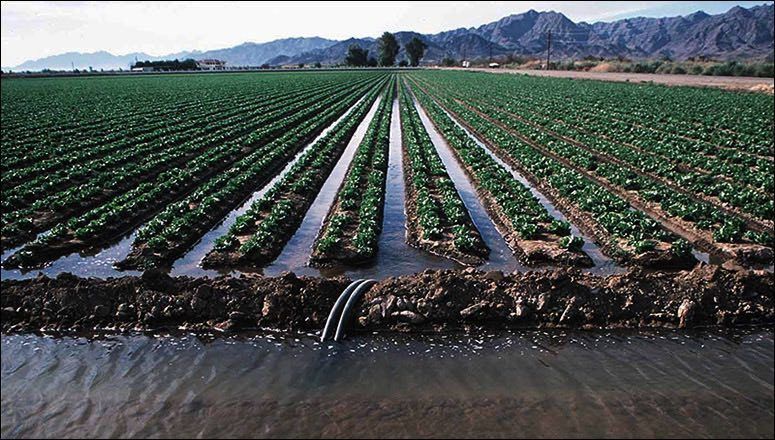
- Irrigation systems
- Increase in crop yield
- Increase in income for the farmers
- For hot climates where rainfall is scarce.
- For places where farmers would otherwise have to travel long distances to get water for all of their crops.
- However if there is already a water shortage systems like the one pictured could cause conflict in a community.
- Increase in crop yield
- Storage
- Storage for food and water
- Rodent proofing
- Preventing water from evaporating
- This could require a fully sealed box which let no light in, this would also keep it cooler than alternatives like a see through bottle. It would also be very beneficial to the target market if there was someway of sterilising the water whilst in this box, such as a tap leading out of it, requiring the water to go through a filter. This would reduce disease and infant mortality.
- According to the World Health Organisation, 3.4 million people, who are mostly children, die anualy from water related diseases, most of which are preventable through simple, inexpensive measures.
- This could require a fully sealed box which let no light in, this would also keep it cooler than alternatives like a see through bottle. It would also be very beneficial to the target market if there was someway of sterilising the water whilst in this box, such as a tap leading out of it, requiring the water to go through a filter. This would reduce disease and infant mortality.
- Transport
- Must be easily maintained, or easy to fix.
- The best design would be really simple and intuitive so that the owner of it could fix it themselves, rather than having to get help.
- In many developing countries there wouldn't be places that would fix products, for example, a car if it was broken. And even if there were, local people are often living in poverty and so not be able to afford it.
- A simple design like a bike could be easily maintained but still efficient.
- It is likely that there wouldn't be infrastructure in place, such as buses, for the general public to use.
- Must be easily maintained, or easy to fix.
- Hygiene
- For sewage
- Putting systems in place to properly dispose of waste, would drastically improve hygiene in communities and also reduce the risk of illness.
- Food
- Making the consumption of food more hygienic would reduce both the risk of disease and illness and also the death rate due to unsanitary food consumption. Also in many developing countries, health care is expensive so it would reduce the amount of money that they had to spend on that, this money could be invested in other things, such as eductaion.
- According to the World Health Organisation, an estimated 420 000 people die every year from the consumption of contaminated food.
- Sterilising cooking appliances
- Cutlery and bowls
- It is a possibility that people have not been educated on how to effectively clean something, or they simply might not have the products with which to do so.
- A smart material could be developed which changes colour when dirty so people know that they either need to find some way of cleaning it better, or that they shouldn't use it for eating off of.
- It is a possibility that people have not been educated on how to effectively clean something, or they simply might not have the products with which to do so.
- Work surfaces
- Some sort of anti-bacterial material could be used as a covering on work surfaces and cooking appliances, which would be a simple but effective way of increasing food hygiene.
- Cutlery and bowls
- Making the consumption of food more hygienic would reduce both the risk of disease and illness and also the death rate due to unsanitary food consumption. Also in many developing countries, health care is expensive so it would reduce the amount of money that they had to spend on that, this money could be invested in other things, such as eductaion.
- For sewage
- Controlling temperature
- Keeping cool
- In a hot environment, solar panels would work well as the concentrated suns rays would produce lots of energy. The energy generated by this could be used to power many products, for example, it could be used to power a fan or air conditioning which could make people more productive or simply enable them to have a better quality of life.
- Keeping warm
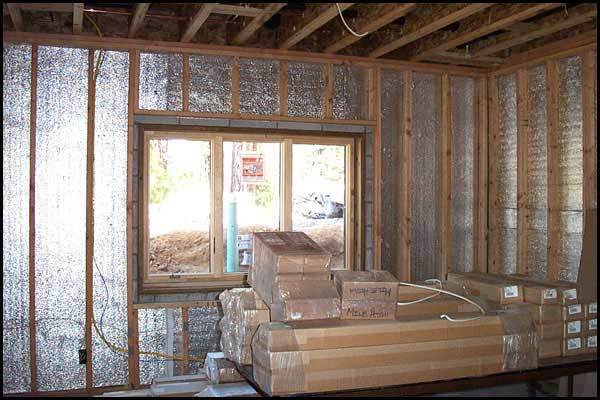
- Reflective materials are useful in cold environments as they can reflect the heat produced back in, so require no electrical input. This material, could be used in buildings or shelters as a type of insulation or even inside of products like sleeping bags. In this picture it is used as insulation inside a wall.
- Keeping cool
- Conflict Related
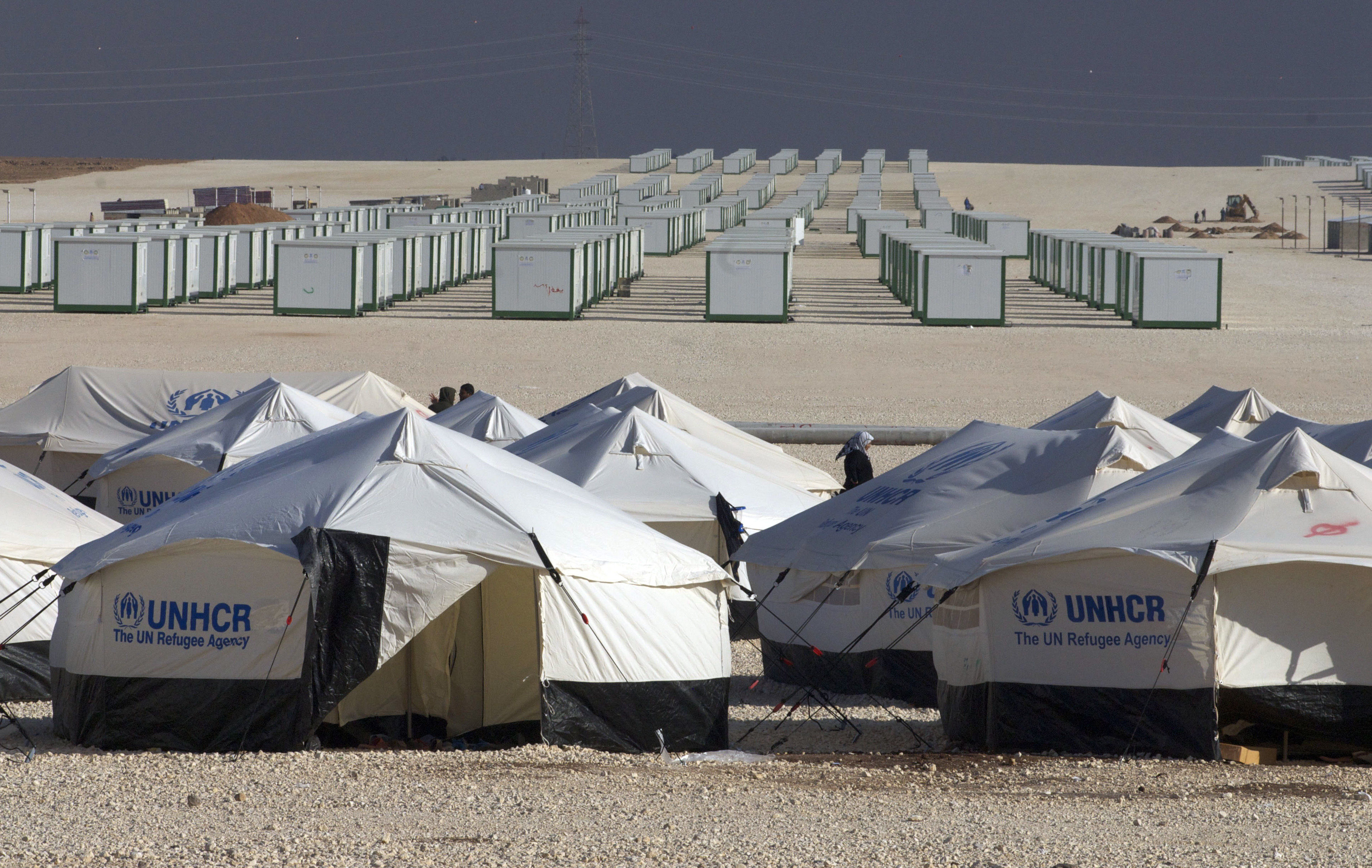
- Secure refugee shelters
- That provide good protection for the elements, and general security.
- These could be in the form of tents or huts.
- That provide good protection for the elements, and general security.
- Safety buildings, for natural disasters.
- Would need to be equipped with provisions like food and water for a stay of a longer duration.
- Secure refugee shelters
- Clothing
- Made from a very durable material to last for longer in harsher conditions.
- In order to have to be less often replaced people could just invest in for example; one pair of shoes which would be expandable to grow with their feet and would be made of a very strong material as to not wear down.
- Made from a very durable material to last for longer in harsher conditions.
- Energy
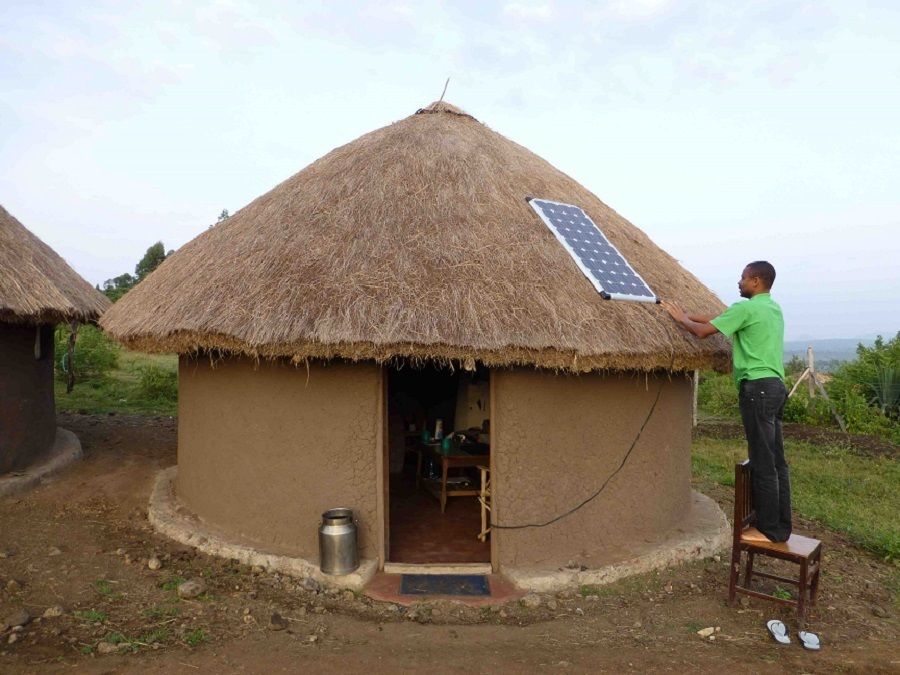
- Something that generates energy without too much input, like solar panels, which could be put on top of houses , like in the picture.
- However, solar panels might involve too much up front cost, many citizens wouldn't be able to afford them in the first place.
- A battery which you could charge up doing normal, daily activities, such as cycling. This would make it much more likely for people to invest in this sort of energy source as it would mean they can still do everything that they need to do, like work, go to school or look after a family, whilst also generating some energy that would be really beneficial for them and make their lives a little easier.
- Something that generates energy without too much input, like solar panels, which could be put on top of houses , like in the picture.
- Farmers
Environment
- Poor infrastructure
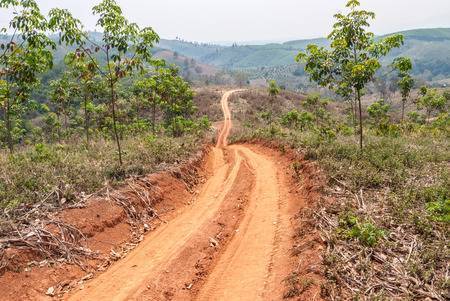
- Poor roads, as shown in the picture to the right. Meaning transport can be difficult and some areas are hard to access.
- Bad building quality, meaning that many buildings often wouldn't withstand natural disasters if they were to occur. This could put residents in danger.
- It is likely that there are no or few accessible transport systems, like busses and trains. Poverty can mean that even if these are in place, they can not be used by everyone.
- Target Market
- People living in poverty in developing countries.
- People who require practical solutions to a problem they have, such as not having a means of transport.
- Poor infrastructure
A developing country has a much lower industrial base and a low Human Development Index relative to other countries.
- The Human Development Index is a statistic of life expectancy, education, and average income per person living in that country. A country scores a higher HDI when the lifespan, education rate, and the GDP per person living in that country is higher.
Design movements
- Minimalist
- Developed post World War II in Western art.
- Revolves around the idea of art being reduced to its necessary elements. Was useful at the time as materials were scarce and nothing could be wasted.
- Links to design in developing countries as many people will not want to waste money on unnecessary materials and objects. Therefore simplified functional items would be most relevant to the target market.
- Revolves around the idea of art being reduced to its necessary elements. Was useful at the time as materials were scarce and nothing could be wasted.
- Developed post World War II in Western art.
- Streamline Moderne
- A late type of Art Deco architecture and design that emerged in the 1930's
- Mixing aerodynamic principles with art deco geometric shapes.
- Derived from a new desire of speed and effciency, that originated with the industrial revolution and the invention of the motor.
- Links to context because the product created would have to be efficient, suited to the environment and made so well that it was highly unlikely to break. Then even of it did break it should be simple enough that it is easily fixable by the people who owned it and they wouldn't have to invest in someone to fix it for them.
- A late type of Art Deco architecture and design that emerged in the 1930's
- Minimalist