
Mapa mental
CONSUMER BEHAVIOUR
Contenido del mapa
CONSUMER BEHAVIOUR
Reflects all decisions about the acquisition, consumption and disposal of an offering by people over time.
- IMPLICATIONS
- Whether? What? Why? How? When? Where? How much? How often?
- IMPLICATIONS
MARKETING PROCESS
- Lack
- Abscence
- Necessities
- Neuro marketing
- Demand
INFLUENCES
- Psychological one, Culture: External influences, Process of Making Decisions ,CB outcomes
GROUPS INTERESTED IN CB
- Marketing managers Consumers Regulators and public makers Ethicists
WHY STUDY CB?
- Marketing applications, Market segmentation Target market selection, Positioning, Product or service decisions,Pricing, Distribution and Promotion decisions
MARKETING MIX AMA MODEL
- Process of planning and executing the conception pricing, promotion and distribution of ideas, goods and services to create exchanges that satisfy individual and organizational objectives.
- BUYER & SELLER
- BUYER
- A market is only place where goods,services, or ideas are bought and sold
- SELLER
- A market is a group of people with needs and the financial ability and willingness to satisfy those needs
- BUYER
MARKETING CONCEPT
- Determing and Emphasizing the needs or wants of the buyer Customer oriented
- Determine the need
- Raise sufficient funds
- Make the product
- Market the product
- Customer Satisfaction
THE ROLE OF MARKETING
- Success of a business is related to being able to identify product or service needs of consumers and satisfy those needs
- If it is not able, it will fce financial and business failure
- Success of a business is related to being able to identify product or service needs of consumers and satisfy those needs
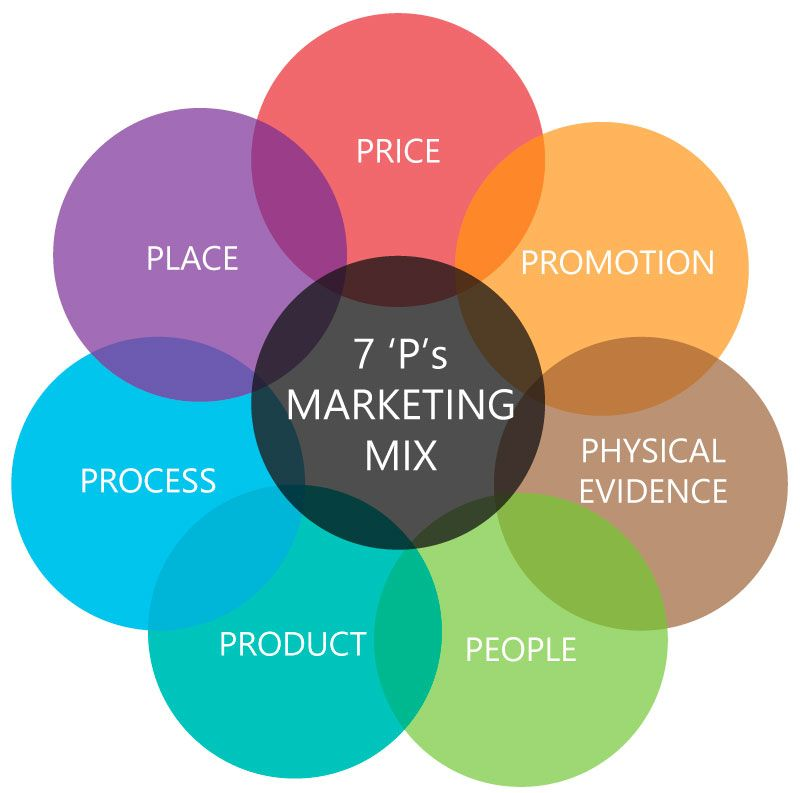
MARKETING MIX
- Price Product Promotion Place People Process Physical Environment
STUDYING CB
- Analysing behaviour and everything that influences it. Making the complexities possible to grasp by taking one step at a time. But still using a holistic view
MARKETING AND YOUR LIFE PLAN
- It marketing difficult?
- Yes, and costly. For one succesful product you need around 80 ideas to test and you need to launch 2 products
- It marketing difficult?
THE HUMAN SIDE OF MARKETING
- Knowing what goes on in the consumers mind is very difficult to know and to forecast cb is even harder. Today we satisfy most of our primary needs. We can not study humans in the same manner that we study machines or animals.
- META NEEDS
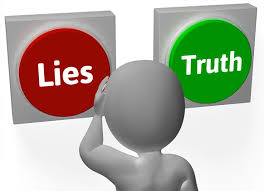
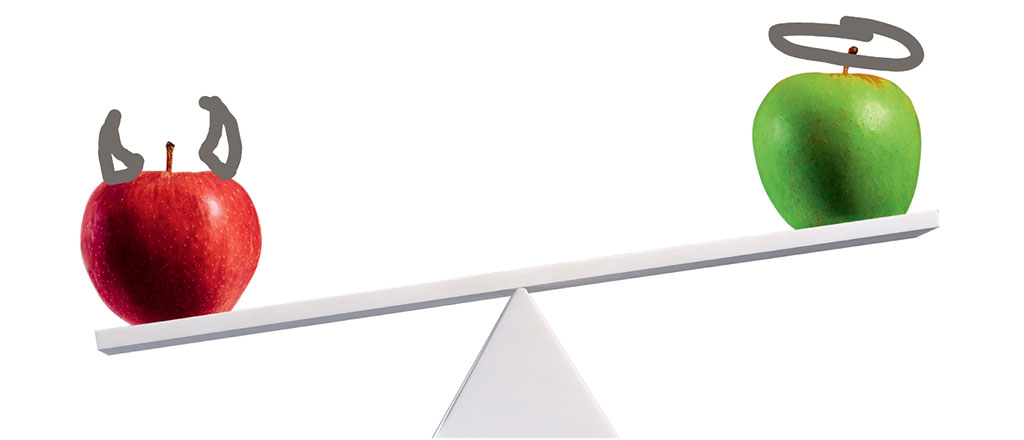
- Truth, rather than dishonesty. Goodness, rather than evil. Beauty, not ugliness or vulgarity. Unity, wholeness, and transcendence of apposites, not arbitrariness. Richness not environmental impoverishment.
- META NEEDS
- Knowing what goes on in the consumers mind is very difficult to know and to forecast cb is even harder. Today we satisfy most of our primary needs. We can not study humans in the same manner that we study machines or animals.
INTERACTIONS IN MARKETING
- 4p´s, 7p´s, porter, swot,etc. y=f(x1,x2,x3,,xn). Some you control and somo you dont. Between this parameters there are complicated interactions.
- FOUNDATIONS OF THE NEW MARKETING CONCEPT
- Satisfying needs rather than selling existing products. Integrated model where a number of marketing mix-variables are optimez.
- REASONS
- Changes in competition, from sellers to market. We have gone from satisfying primary needs to satisfying more complex needs. Changes in the IT systems.
- REASONS
- Satisfying needs rather than selling existing products. Integrated model where a number of marketing mix-variables are optimez.
- FOUNDATIONS OF THE NEW MARKETING CONCEPT
- 4p´s, 7p´s, porter, swot,etc. y=f(x1,x2,x3,,xn). Some you control and somo you dont. Between this parameters there are complicated interactions.
THE HISTORY OF CONSUMER BEHAVIOUR AS A SCIENCE
- Up to 1940: Sociological research and practical studies of selling processs. !940-1964: Motivation research. 1960: One factor models. 1960 and 1970: The rise and fall of the comprehensive theorethical models. 1980: Different parallell research traditions
- MOTIVATION RESEARCH
- Ernst Dichter, Motivation Research Inc. The Cake Mix Study 1950 Depth interviews and antropological studies.
- MOTIVATION RESEARCH USING QUANTITATIVE RESEARCH METHODS
- Nescafé Mason Haire jr (1950)
- ONE FACTOR MODELS
- The study of individual phsychological and sociological factors and the relationship to buying or not.
- MOTIVATION RESEARCH
- Up to 1940: Sociological research and practical studies of selling processs. !940-1964: Motivation research. 1960: One factor models. 1960 and 1970: The rise and fall of the comprehensive theorethical models. 1980: Different parallell research traditions
CB AND MARKETING STRATEGY
- VAL´S ATL BTL TTL
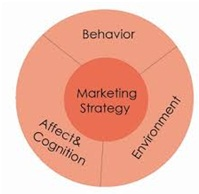
THE WHEEL OF CONSUMER ANALYSIS
- Is a framework that help us understand consumer behaviour, by allowing us to structure cb phenomena.
- MARKETING STRATEGY
- Affect and cogition Consumer Behaviour Consumer Environment
- MARKETING STRATEGY
- Is a framework that help us understand consumer behaviour, by allowing us to structure cb phenomena.
CONSUMER MIND: A BLACK BOX
- Stimulus, company, controlled, product, price, advertising, promotion, display, distribution, social
- Response
- Buy
- No Buy
- Response
- Stimulus, company, controlled, product, price, advertising, promotion, display, distribution, social
CUSTOMER DECISION MAKING PROCESSS
- Drivers of change: Media and borderless competition
- CUSTOMER
- Awareness Values Social Culture Personality Self concept
- HOW THEY BUY?
- HIGH INVOLVEMENT PRODUCTS
- High price, complex features, significant differences between alternatives, high perceived risk, reflect self concept of buyer
- LOW INVOLVEMENT PRODUCTS
- Alternatives within the same product class are similiar, dosnt reflect buyers self concept, frequent brand switching behaviour
- HIGH INVOLVEMENT PRODUCTS
- CUSTOMER
- Drivers of change: Media and borderless competition
PURCHASE DECISION IN LOW INVOLVEMENT PRODUCTS
- Problem/ need Recognition
- Evaluation of alternatives
- Decision
- Evaluation of alternatives
- Problem/ need Recognition
MARKET SEGMENTATION
- Is the subdining of a market into distinct subsets of costumers.
- SEGMENTS
- Memebers are different between segments but similar within.
- SEGMENTS
- BASES
- Characterisiticas that tell us why segments differ
- DESCRIPTORS
- Characteristicas that help us find and reach ssegments
- Is the subdining of a market into distinct subsets of costumers.
A TWO STAGE APPROACH IN BUSINESS MARKERS
- Macro-segments
- Micro-segments
VARIABLES TO SEGMENT AND DESCRIBE MARKETS
- Segmentation bases, descriptors demographics, psychographics, behaviour, decision making, media patterns
MODEL OF CONSUMER BEHAVIOUR
- MARKETING: product, price, place, promotion
- OTHER STIMULI: economic, technological, political, cultural
- BUYERS BLACK BOX: characteristic and decision process
- Product, brand, dealer choice and purchase timing and amount
- BUY
- Product, brand, dealer choice and purchase timing and amount
- MARKETING: product, price, place, promotion
FACTORS INFLUENCING CB
- SOCIAL: reference groups, family, roles and status
- PERSONAL:age and life-style stage, occupation, economic-situation, lifestyle, personality and self-concept
- CULTURAL: culture, subculture, social class
- PSYCHOLOGICAL: motivation, perception, learning, beliefs and attitudes
CHARACTERISTICS AFFECTING CB
- CULTURAL FACTORS: buyer´s culture, subculture and social class. SOCIAL FACTORS: reference groups, family, roles and status. PERSONAL FACOTRS: age, occupation, economic situation, personality. PSYCHOLOGICAL FACTORS: motivation, perception, learning and beliefs
- CULTURE
- Is the learned values, perceptions, wants, and behaviour from family and institutions
- SUBCULTURES
- are groups of people within a culture with shared value Systems based on common life experiences and situations
- SOCIAL CLASSES
- are societys relatively permanent and ordered divisions whose members share similar values, interests, and behaviours
SOCIAL FACTORS
- Membership gropus, aspirational groups, reference groups, opinion leaders, family, social roles
Imágenes y archivos del mapa


Información
- Descripción
- Mapa Mental sobre CONSUMER BEHAVIOUR, creado por Ximena León el 25/09/2019.
- Creado por
- Ximena León · sep 2019
- Actualizado
- 27 sep 2019
- Visitas
- 6
- Valoración