
Mapa mental
Bilingual Education Programmes
Contenido del mapa
Bilingual Education Programmes
Common Academic Goal
- To ensure bilingual students meet the expectations set by the grade-level content area standars
Heritage Language program
- Also known as community language programs, foreign language programs for native speakers
- Different programs
- In-school
- Afterschool
- Where a language minority students have an opportunity to learn their “native” or “heritage” language.
- weekend programs
- Target population
- Heritage language speakers (ELs or non-ELs) who have varying levels of proficiency in their heritage language
- Language goals
- Learn about the culture to improve in the language, literacy in that language
- Academic goals
- Learning the native language and be prepared to fulfill societal needs requiring citizens with bilingual skills
- Culture goal
- Cross-cultural communication skills
- Biculturalism
- Instruction
- The heritage language is taught as a separate subject in school, between 1 and 5 or more hours per week; out-of-school programs and foreign language courses designed for native speakers at the college/university level are also offered.
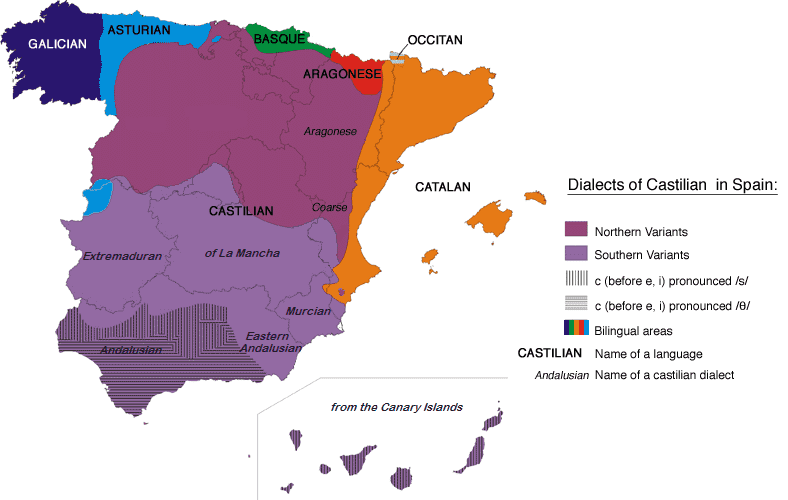
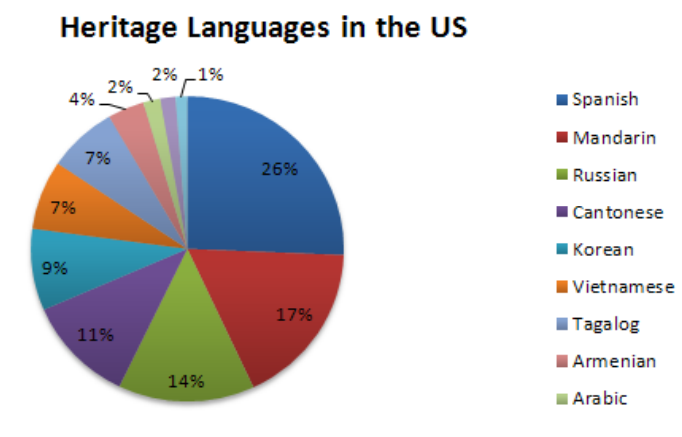
- Heritage Language in different countries
Dual Language Education
- Two-Way Dual Language Education
- Also called two-way immersion, dual language immersion or just dual language education
- Less common than transitional bilingual education early-exit models
- Target population
- Even numbers of English learners and English proficient students
- Language goals
- Academic goals
- To be prepared to fulfill societal needs requiring citizens with bilingual skills
- Culture goals
- Biculturalism, cross-cultural understanding, cultural pluralism
- Instruction
- 50/50 model: 50% in the L1 of the English learners and 50% in English in all grade levels
- 80/20 model Begins with 80% in the L1 of the English learners and 20% in English
- Instruction events out gradually to 50/50 as students move up in grades
- 90/10 model: Begins with 90% in the L1 of the English learners and 10% in English
- One-Way Dual Language Education
- Also called one-way immersion, one-way dual language immersion or just one-way dual language education
- English learners only
- Two-Way Dual Language Education
Bilingual Immersion Program
- Also called immersion program
- Target population
- English learners or non-ELs who have little or no proficiency in the target language or English speakers who want to learn a world language
- e.g. Native American students, Hawaiian students
- English learners or non-ELs who have little or no proficiency in the target language or English speakers who want to learn a world language
- Language goals
- No acculturation
- Academic goals
- Culture goals
- Cross-cultural understanding and communication skills
- Instruction
- At first, 90% to 100% in the non-English language for the first year or 2 of the program
Transitional Bilingual Education
- Also called early-exit
- It is the most common type in the USA, Canada and Australia
- Language goal
- To learn English as quickly as possible
- Target population
- English learners who speak the same language
- Academic goal
- Transition to the mainstream (English-only) classroom as soon as possible
- Culture goals
- Acculturation or assimilation to the mainstream culture
- Instruction
- At first, 90% in students’ L1 and 10% in English, but then instruction in L1 decreases quickly, and students are moved to sheltered instruction as they move up in grade level
- Problem
- Educational Colonization
Developmental Bilingual Education
- Target population
- Also called maintenance or late-exit
- Less common than transitional bilingual education early-exit models
- Language goals
- Bilingualism and biliteracy
- Academic goals
- Students must be prepared to fulfill societal needs
- Meet grade-level content-area standards
- Culture goals
- Biculturalism
- Instruction
- At first, 90% in students’ L1 and 10% in English through sheltered instruction, but then instruction in L1 decreases slowly and sheltered instruction increases as students move up in grades.
- Instruction continues in both languages until the end of the program.
- At first, 90% in students’ L1 and 10% in English through sheltered instruction, but then instruction in L1 decreases slowly and sheltered instruction increases as students move up in grades.
Imágenes y archivos del mapa
Información
- Descripción
- This mind map contains the five Bilingual Education Programmes discussed during the last session. Transitional, Developmental, Dual Language, Bilingual Immersion, and Heritage Language Programme. The similarities are linked with the dotted lines and the differences are on red in case of the Transitional model vs the Developmental model. In the case of the One-way Dual language education and the Two-way Dual Language Education Programme, the only difference is the target population.
- Creado por
- Jenyffer Estupiñan Benitez
- Visitas
- 13
- Valoración