
Mapa mental
Constructivism

Contenido del mapa
Constructivism
fundamentals
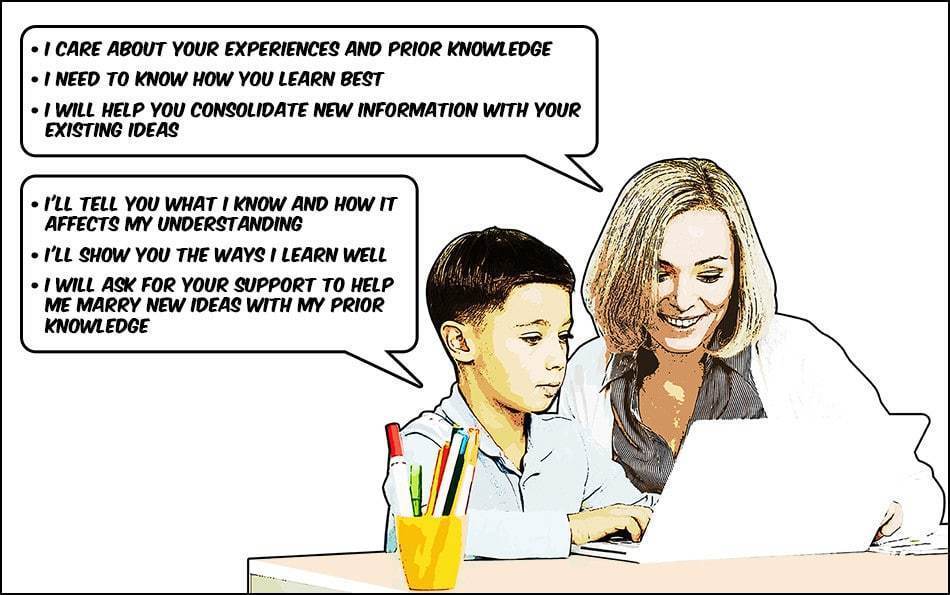
- Constructivism is a theory of learning, and its essential core it is that learners actively construct their own knowledge and meaning from their experiences. Basically, learners use their previous knowledge as a foundation and build on it with new things that they learn. According to the costuctivism theory, knowledge is constructed, not transmitted, and learning, therefore, is simply the process of adjusting our mental models to accommodate new experiences.
principles
- ° Prior knowledge impacts the learning process. ° Initial understanding is local, not global. ° Building useful knowledge structures requires effortful and purposeful activity. ° People learn to learn, as they learn. ° Knowledge is constructed. ° Learning is an active process.
sudent's rol
- The students have an active role in the personal creation of knowledge. Students are encouraged to think and explain their reasoning instead of memorizing and reciting facts.
teacher's rol
- Teachers are facilitators or guide. In constructivist classrooms, the teacher has a role to create a collaborative environment where students are actively involved in their own learning. A constructivist teaching strategy is based on the belief that students learn best when they gain knowledge through exploration and active learning.
authors
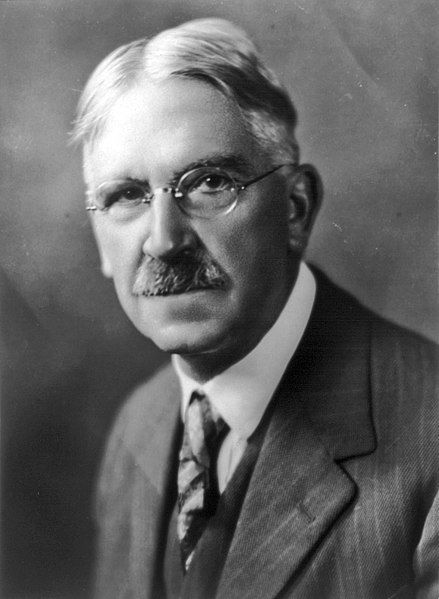
- John Dewey
- Dewey called for education to be grounded in real experience. Inquiry is a key part of constructivist learning.
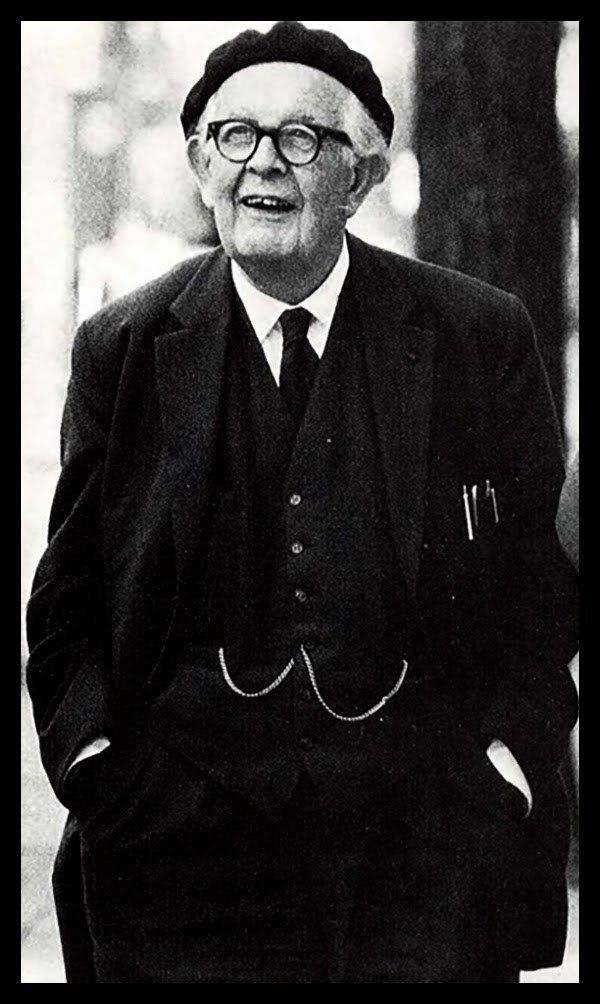
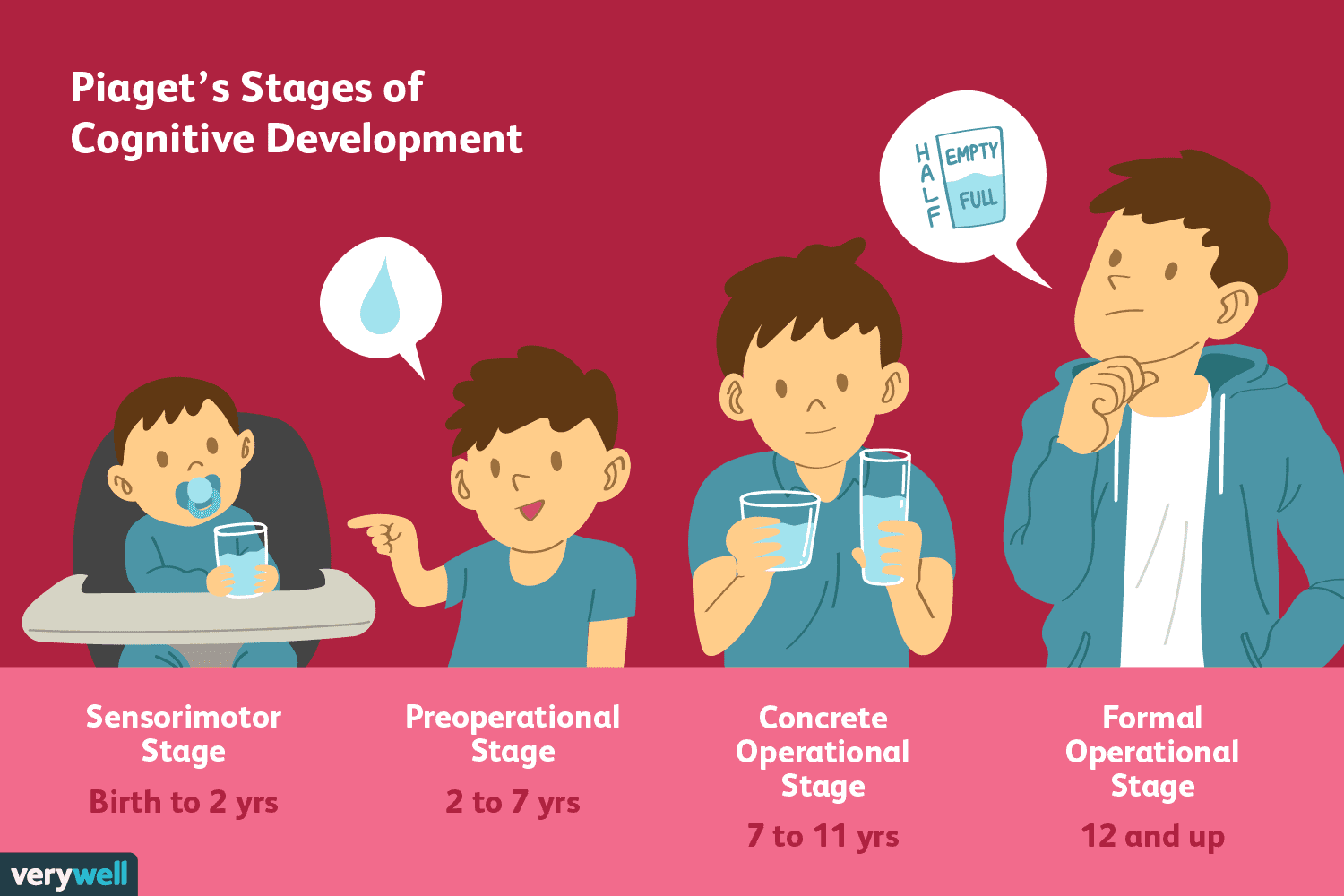
- Jean Piaget
- Piaget came up with some fundamental constructivist concepts. He theorised that learners get more knowledgeable by thinking about new experiences and comparing them to old experiences.
- Lev Vygotsky
- Vygotsky introduced the social aspect of learning into constructivism. He defined the "zone of proximal learning," according to which students solve problems beyond their actual developmental level.
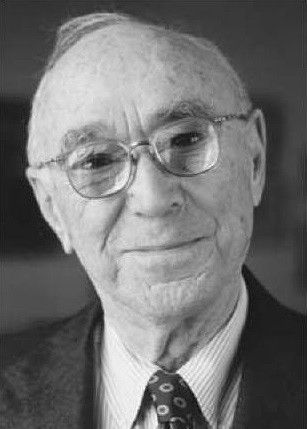
- Jerome Bruner
- Bruner initiated curriculum change based on the notion that learning is an active, social process in which students construct new ideas or concepts based on their current knowledge.
- John Dewey
benefit
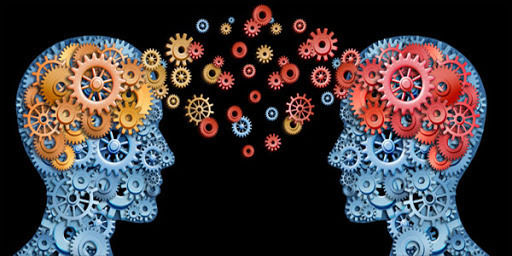
- Constructivism promotes social and communication skills by creating a classroom environment that emphasizes collaboration and exchange of ideas. Students must learn how to articulate their ideas clearly as well as to collaborate on tasks effectively by sharing in group projects.
sociocultural - constructivism
- Belief that knowledge is the result of social interaction and language usage, and thus is a shared, rather than an individual, experience. This social interaction always occurs within a socio-cultural context, resulting in knowledge that is bound to a specific time and place. According to social constructivism learning is a collaborative process, and knowledge develops from individuals' interactions with their culture and society.
psychogenetic - constructivism
- Piaget would have equated constructivist learning with ‘psychogenetic/developmental intelligence,’ a construct that, for him, had four main causal factors: maturation; specific learning; general/social learning; and equilibration.
conclusion
- In the Constructivism theory, the prior knowledge is very important, because the students build new knowledge on the foundation of previous learning; as teacher we have to know the prior knowledge of our students and teach the students from that knowledge, and in classroom or virtual classes we have to use a well-structured organized lesson plans that includes planned redundancy of key concepts and important points; and instead of trying to cover too many subjects superficially, teach fewer subjects more in depth. The difference between the social and personal constructivism is that social constructivism emphasis on the collaborative nature of learning and the importance of cultural and social context, students work together to build new knowledge; and personal constructivism emphasis on each individual actively constructs his/her own ways of understanding the world or build his/her new knowledge.
Imágenes y archivos del mapa





Información
- Descripción
- Mapa Mental sobre Constructivism, creado por Angélica Salcedo el 27/09/2020.
- Creado por
- Angélica Salcedo
- Visitas
- 0
- Valoración