
Mapa mental
TEXTS

Contenido del mapa
TEXTS
EXPOSITORY TEXT
- non-fiction text
- meant to inform, analyze, explain or give additional detail about a topic.
- Fact-based - provide reliable information.
- information is clear, concise & organized.
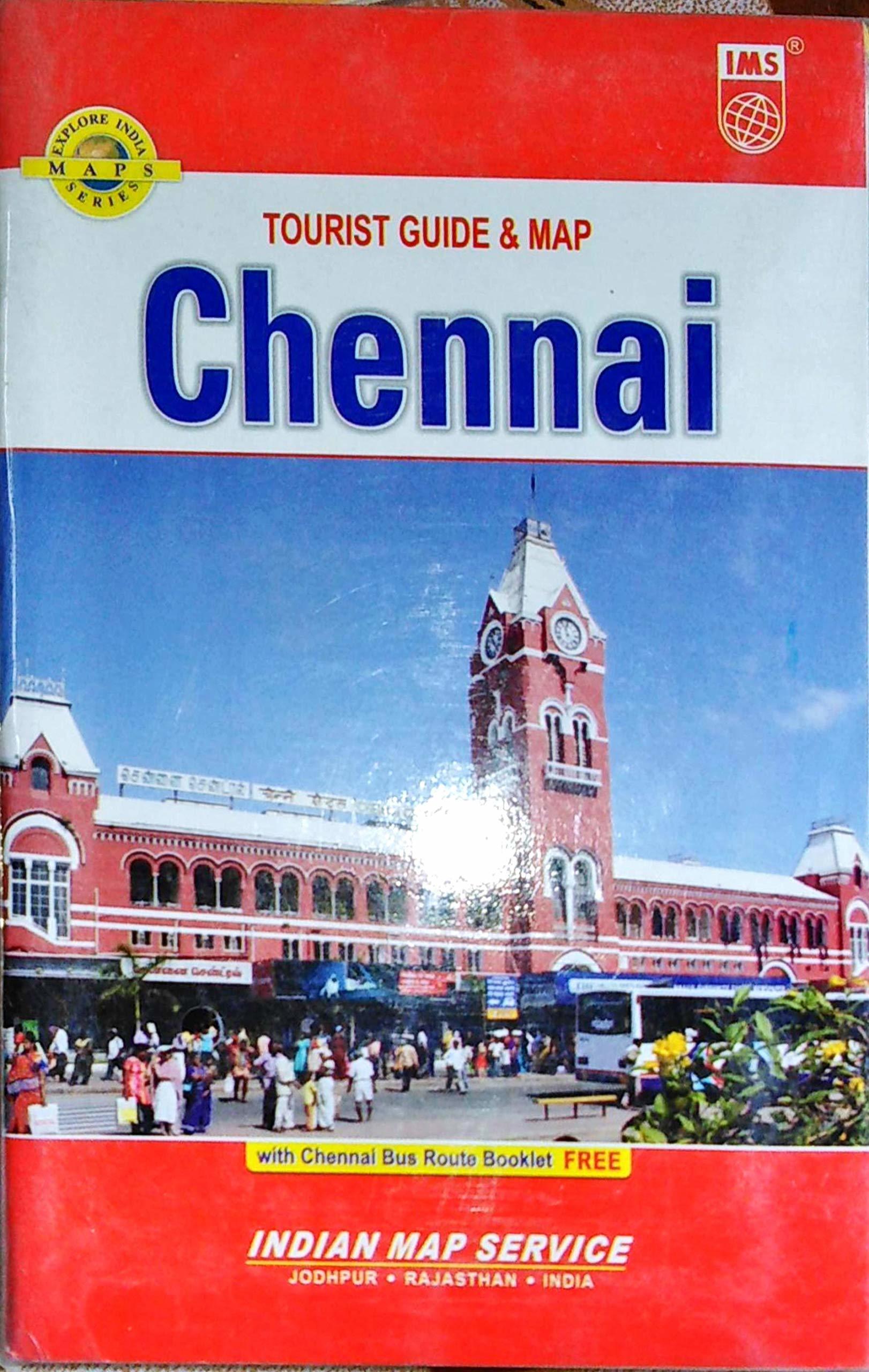
- examples • Textbooks • Instruction Manuals • News Articles • Recipes • City Or Country Guides
- Characteristics of Expository text:
- 1. Deals with topics often not known
- 2. New information makes prediction difficult
- 3. Key vocabulary is usually new
- 4. Abstract concepts are explained
- 5. Text is thing or subject oriented
- 6. Facts make text more concept- dense
- 7. Explanations have impersonal meaning
- 8. May have no relation to own life/interest
- 9. Mainly gives authentic and accurate information
- 8. May have no relation to own life/interest
- 7. Explanations have impersonal meaning
- 6. Facts make text more concept- dense
- 5. Text is thing or subject oriented
- 4. Abstract concepts are explained
- 3. Key vocabulary is usually new
- 2. New information makes prediction difficult
- 1. Deals with topics often not known
- Characteristics of Expository text:
- examples • Textbooks • Instruction Manuals • News Articles • Recipes • City Or Country Guides
- information is clear, concise & organized.
- Fact-based - provide reliable information.
- meant to inform, analyze, explain or give additional detail about a topic.
- non-fiction text
NARRATIVE TEXT
- purpose of narrative is to entertain, to gain and hold a readers’ interest.
- sequence people/characters in time.
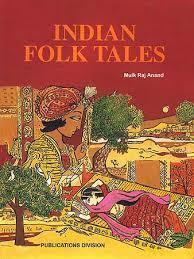
- examples of narrative text • folk-tales • fables • myths • epics • Fiction and non-fiction
- 1. Text based on common and familiar events from life
- 2. Familiarity makes prediction easier
- 3. Key vocabulary often known and easy
- 4. Cause and effect known
- 5. Usually based on concrete and simple concepts. Descriptive language to create images in the reader’s mind and enhance the story.
- 6. People oriented Characters with defined personalities/identities.
- 7. Dialogue makes text less concept-dense
- 8. Stories can have personal meaning
- 9. May give insight for own life/interest
- 10.Purpose is to entertain or share experience
- 9. May give insight for own life/interest
- 8. Stories can have personal meaning
- 7. Dialogue makes text less concept-dense
- 6. People oriented Characters with defined personalities/identities.
- 5. Usually based on concrete and simple concepts. Descriptive language to create images in the reader’s mind and enhance the story.
- 4. Cause and effect known
- 3. Key vocabulary often known and easy
- 2. Familiarity makes prediction easier
- 1. Text based on common and familiar events from life
- examples of narrative text • folk-tales • fables • myths • epics • Fiction and non-fiction
- sequence people/characters in time.
- purpose of narrative is to entertain, to gain and hold a readers’ interest.
TRANSACTIONAL TEXT
- writing that is part of a chain of written communication
- Examples: • Business letters • emails • invitations • speeches • interviews
- Characteristics of Transactional text:
- 1. Transactional text is brief and simple.
- 2. It has a clear sense of purpose, audience and format.
- 3. Usually planned before committing to paper or screen. More emphasis is given to quality than length.
- 4. A type of formal and professional communication.
- 5. Contains a lot of technical/ specific vocabulary
- 6. Special care with spelling, punctuation and format is taken
- 7. Consists of coherent, logical structures with originality of expression.
- 6. Special care with spelling, punctuation and format is taken
- 5. Contains a lot of technical/ specific vocabulary
- 4. A type of formal and professional communication.
- 3. Usually planned before committing to paper or screen. More emphasis is given to quality than length.
- 2. It has a clear sense of purpose, audience and format.
- 1. Transactional text is brief and simple.
- Characteristics of Transactional text:
- Examples: • Business letters • emails • invitations • speeches • interviews
- writing that is part of a chain of written communication
REFLECTIVE TEXT:
- analytical practice
- creative writing,
- Reflection is a mental process.
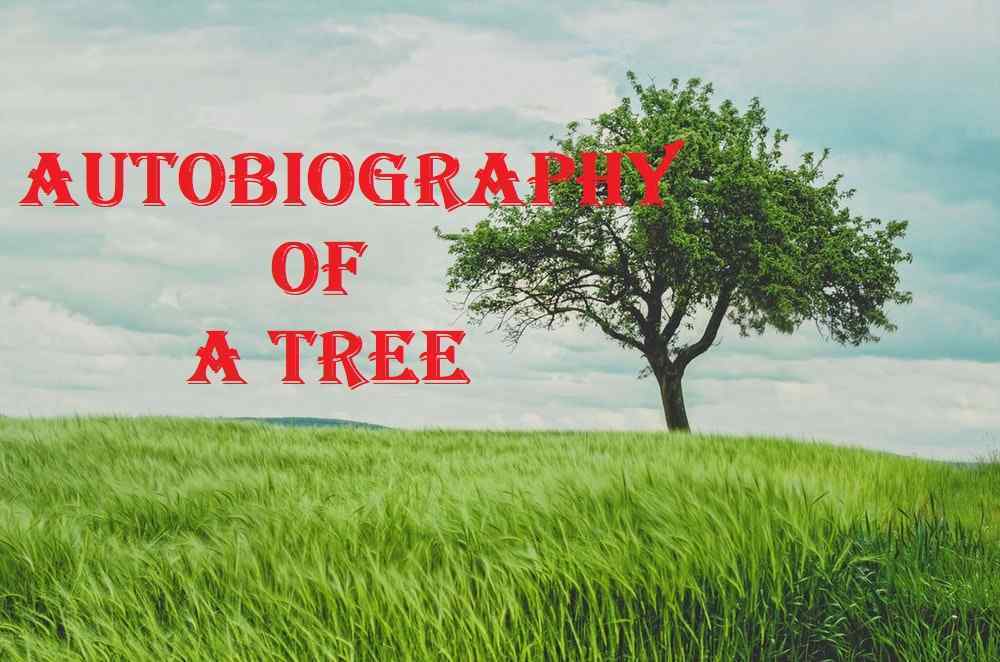
- Examples Personal diaries • memoirs • Reflective journals • autobiographies • Book or Film Reviews
- Characteristics of Reflective text:
- 1. It integrates theory and practice.
- 2. It draws connections between the material being studied, one’s experiences and knowledge.
- 3. It is personal.
- 4. Writing style is informal. Words such as 'I', 'me' are used.
- 5. Although thoughts in reflective text are random, they are put forth in a manner easily understood by the reader.
- 6. Views and ideas are linked to the readings from the subject, to other writers and to the key theorists in the field.
- 7. It identifies the learning outcomes of your experience.
- 6. Views and ideas are linked to the readings from the subject, to other writers and to the key theorists in the field.
- 5. Although thoughts in reflective text are random, they are put forth in a manner easily understood by the reader.
- 4. Writing style is informal. Words such as 'I', 'me' are used.
- 3. It is personal.
- 2. It draws connections between the material being studied, one’s experiences and knowledge.
- 1. It integrates theory and practice.
- Characteristics of Reflective text:
- Examples Personal diaries • memoirs • Reflective journals • autobiographies • Book or Film Reviews
- Reflection is a mental process.
- creative writing,
- analytical practice
Imágenes y archivos del mapa

Información
- Descripción
- Education Mapa Mental sobre TEXTS, creado por Pallavi Talekar el 20/11/2020.
- Creado por
- Pallavi Talekar · nov 2020
- Actualizado
- 20 nov 2020
- Visitas
- 227
- Valoración