
Text Types and Text Analysis
487 resources created by 429 users
This Text Types and Text Analysis page on GoConqr gathers community-made mind maps, flashcards, quizzes, notes and slides, from narrative and descriptive texts to language analysis, text structure and terminology. It's built for school students revising how texts work, and for teachers after ready-made material. There are over 400 resources here, including more than 10 quizzes, over 300 mind maps and more than 50 flashcard decks, made by over 400 contributors. Pick a text type, try a quiz, then build your own maps.
Top Text Types and Text Analysis resources
-
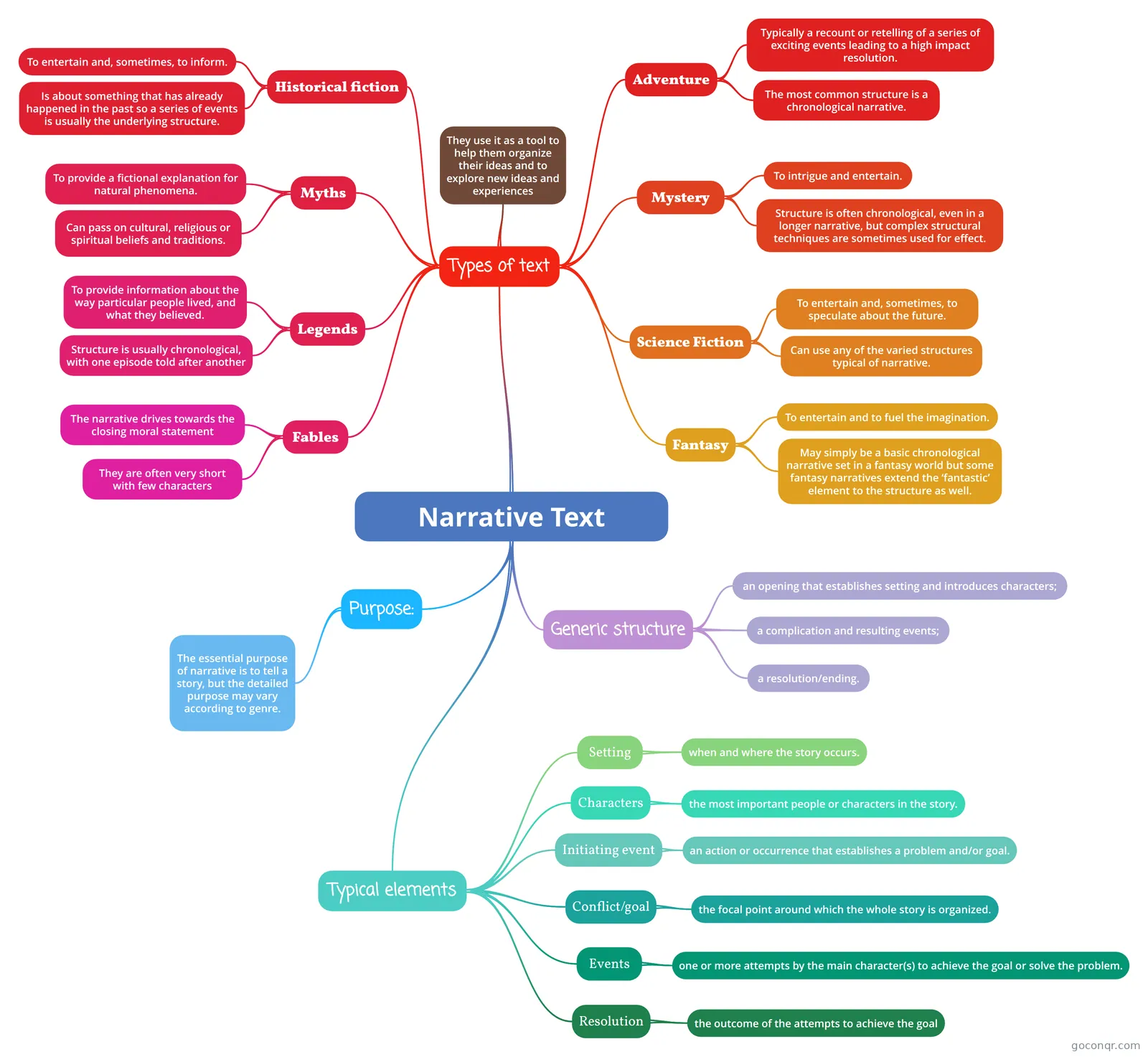 Mind map Narrative Text
-
13 cardsGenre Conventions- English Lang/Lit Anthology
-
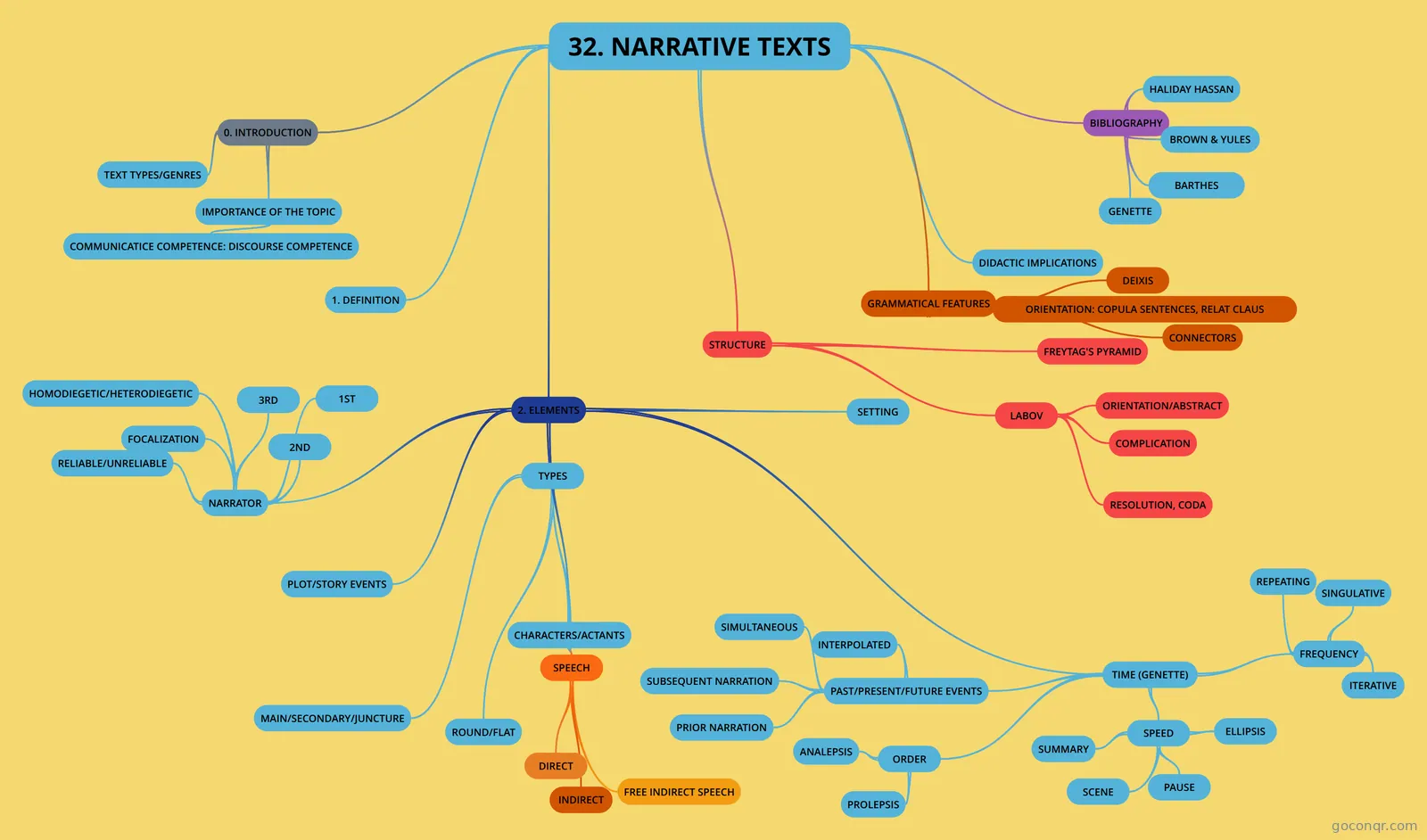 Mind map 32. NARRATIVE TEXTS NARRATIVE TEXTS
-
114 cardssht dfgdfg
-
17 cardsResponding to studied texts The Lottery Ted Quotes (Marjorie Barnard early 1900s Aus)
-
10 questionsTypes of text What is the purpose of informative text?
-
Mind map The chronicle This is a mind map about Chronicles
-
10 questionsPublic, personal or private text? When trying to work out whether the text you are looking at is a speech, letter or diary entry where should...
Quizzes
See all 14 quizzes-
10 questionsTypes of text What is the purpose of informative text?
-
10 questionsPublic, personal or private text? When trying to work out whether the text you are looking at is a speech, letter or diary entry where should...
-
16 questionsUNIT 32
-
15 questionsNarrative Text Daily Exam What is the Narrative text?
-
5 questionsGeneric features of texts Here are some generic features of a text type. What type could it be? - Generalised terms - Impersonal obje...
-
4 questionsTypes of texts 1. We’re having a brilliant time in Scotland. You get such a feeling of space. The hills seem to go on fore...
Mind maps
See all 387 mind maps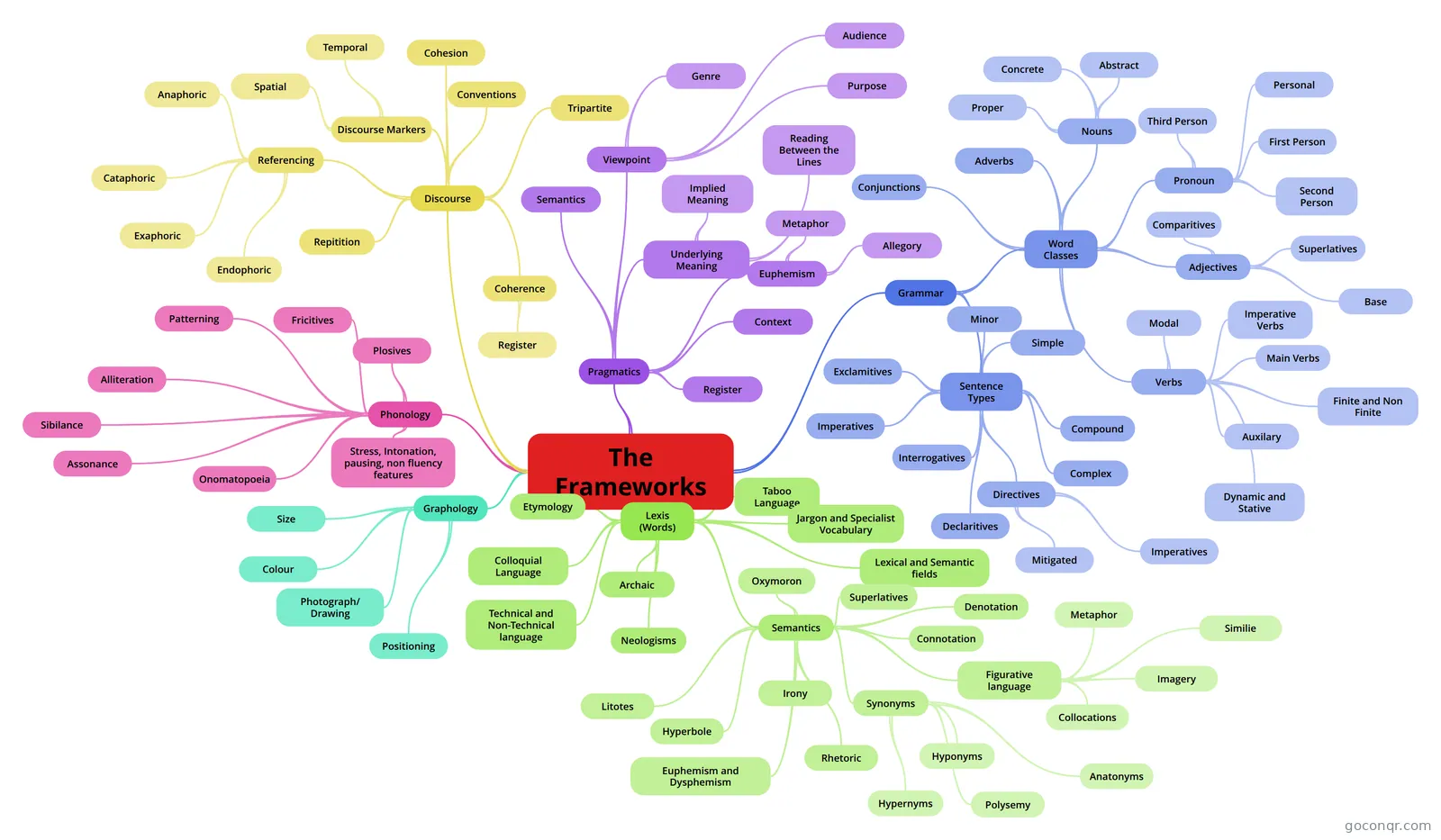
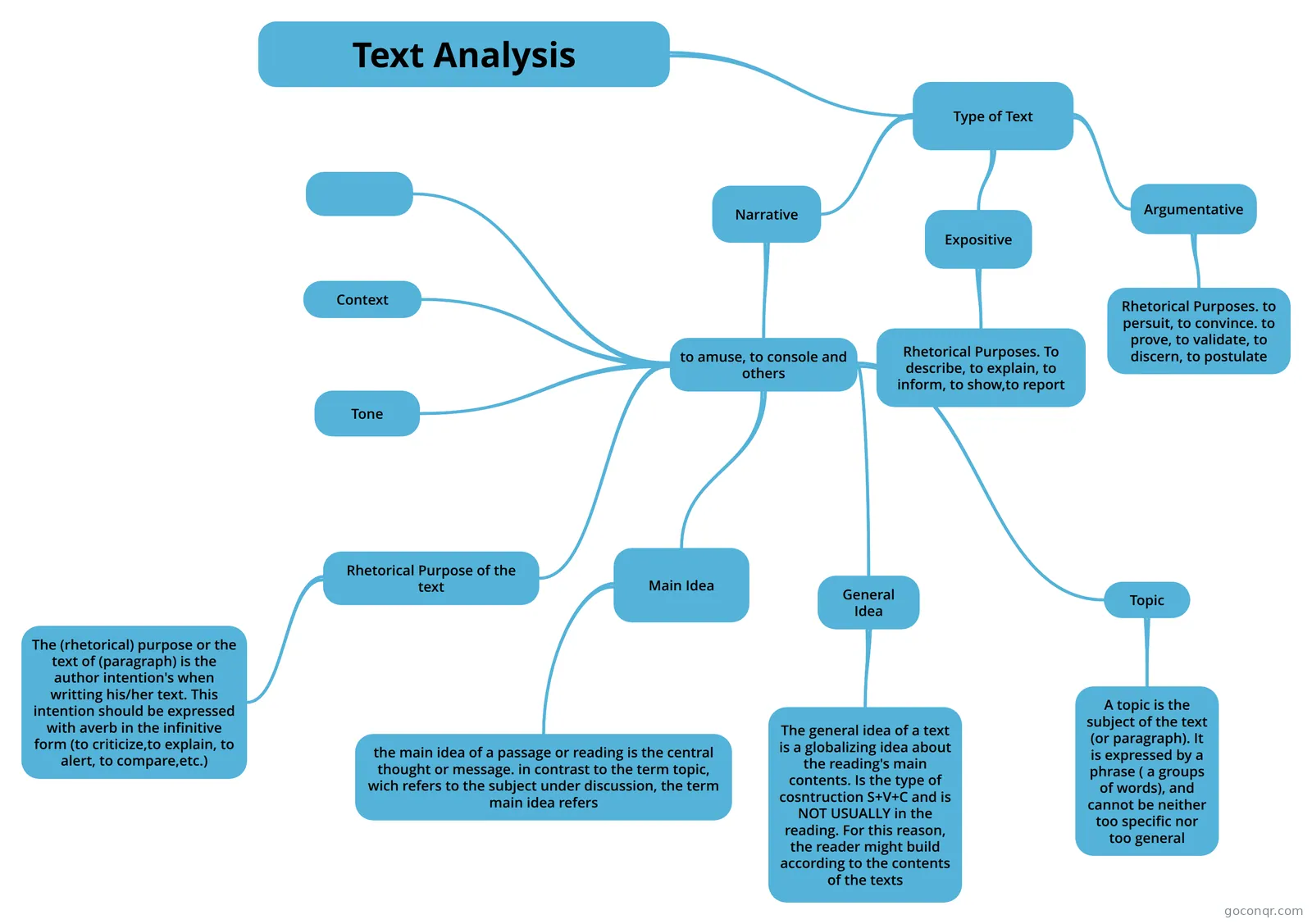
Flashcards
See all 52 flashcards-
13 cardsGenre Conventions- English Lang/Lit Anthology
-
114 cardssht dfgdfg
-
17 cardsResponding to studied texts The Lottery Ted Quotes (Marjorie Barnard early 1900s Aus)
-
74 cardsEnglish Terminology
-
40 cardsTerminology
-
4 cardsEnglish language: Structure and Language the literary devices an author uses, like similes and metaphors the emotive language - language designed to...
-
32 cardsUNIT 32 TABLE OF CONTENTS:
-
9 cardsRevising non-fiction texts List the 5 purposes of media non-fiction texts
Notes
See all 16 notes-
Language Analysis Essay Structure Introduction: * Pinpoint the focus issue of the article(s). *Analyse the wider implications of the issue. *Who is the writer? What are the writer’s vested interests? *What is the writer’s viewpoint/contention/position...
-
Untitled You need to be prepared in order to write successful non-fiction texts in your exam or controlled assessment. Think ahead about content, organisation, accuracy and vocabulary, and consider the genre, audience, style a...
-
Text Structure Notes 1.) Chronological ~ Desribe events in order *date *timeline 2.) Seqnce ~ Explains the steps to do something. *First, next, then, finally.
Slides
More English language topics
About Text Types and Text Analysis
GoConqr OriginalWhat this unit covers
The page brings together resources on identifying text types and analysing how they are written. Narrative gets plenty of attention. The mind map Narrative Text sets out the purpose of telling a story and the generic structure, beginning with an opening that establishes setting. Another map covers descriptive texts, and there are slides on expository texts and notes on expository writing.
Where to start
Begin with the overview material. The mind maps Types of text and Categorising Texts help you sort texts by purpose, and the quiz Types of text asks what an informative text is for and what a passage is trying to persuade you to do. The flashcard deck Genre Conventions- English Lang/Lit Anthology then runs through forms such as article, diary, blog, podcast, interview, speech and travelogue.
Moving into analysis
Once you can name a text type, look at how it is built. Decks such as Language features and their effects cover rhyme, alliteration, metaphor and personification. The note Language Analysis Essay Structure shows how to open an essay by pinpointing the issue and asking who the writer is and what viewpoint they hold. The mind map SOAPSTone and the slides Guide to Analysing Texts give you frameworks to apply.
Using quizzes and maps together
Read a mind map first, then take a quiz on the same idea. Wrong answers show which branch to revisit. Flashcards suit terminology, so return to them in short bursts. Several resources mention exams such as GCSE English Language, A-level English Language, IB paper 1, VCE and NAPLAN, so choose material that matches your course.
Where it fits
This unit sits in the Literature and Text Analysis strand of English language. Choose one text type today, work through its map and quiz, and see what you can add in your own notes.
Frequently asked questions
Which resource should I open first?
Start with the mind map Types of text or the quiz Types of text. They cover the basic question of what a text is for, whether it informs, persuades or tells a story. After that, move to the genre conventions flashcards and the language analysis material.
What do the mind maps cover?
There are over 300 of them. They cover narrative and descriptive texts, instructive and expository writing, public speeches, register, lexis, structure and language frameworks. Some are exam-focused, such as the IB paper 1 text types map, while others are general overviews of text categories.
Are the resources free to use?
Yes. Every resource listed here is free to open, study and take, with no account needed. A free account also saves your quiz scores and lets you make your own quizzes, mind maps, flashcards and notes.
Which exams do these resources suit?
Resources mention A-level English Language, GCSE English, GCSE English Language, IB, VCE, NAPLAN and Functional Skills English. Most of the material is aimed at secondary school students. Check each resource's content against your own course before relying on it.
Who made these resources?
They were made by GoConqr users, not by GoConqr itself. Over 400 contributors have added maps, decks, quizzes and notes. Because they are community-made, styles vary, so it helps to compare a couple of resources on the same topic.
What can teachers use here?
Teachers can open ready-made slides such as Guide to Analysing Texts, quizzes on text structure and terminology, and flashcard decks on language features. These work well as starters, revision tasks or checks on whether students can name a text type and explain its features.