
Mapa mental
Light and Optical Systems Final Project
Contenido del mapa
Light and Optical Systems Final Project
History of Light
- Phythagoras
- Time: 6th century
- Discovery, Theory or Idea: Light consisted of beams and these beams came from a person's eyes in straight lines
- Time: 6th century
- Euclid
- Time: 1st century AD
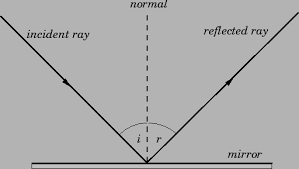
- Discovery, Theory or Idea: discovered equal angles of reflection
- When you shine a beam of light onto a flat mirror, the angle between the incoming beam and mirror is equal to the angle between the reflected beam and mirror
- Discovery, Theory or Idea: discovered equal angles of reflection
- Time: 1st century AD
- Al-Haytham
- Time: A.D 1000
- Discovery, Theory or Idea: First one to accurately describe how vision works. He showed that light bounces off objects and then travels to the eyes. As soon as this theory came along, Pythagoras' theory was abandoned.
- Time: A.D 1000
- Sir Issac Newton
- Time: 1666
- Discovery, Theory or Idea: By shining light through a prism, Newton showed that white light is actually a mixture of different colors of light
- Time: 1666
- Alberta A. Michaelson
- Time
- Discovery, Theory or Idea: He discovered the speed of light using a mirror/mountain experiment. Speed=distance/time
- Time
- Phythagoras
Properties of Light
- Light Travels in Straight Lines
- Light can be Reflected
- Light can Bend (Refract)
- Light is a Form of Energy
- Light can Bend (Refract)
- Light can be Reflected
- Light Travels in Straight Lines
Natural Light Sources
- Things like the sun, starts, the moon. The sun gives off light and heat from the radiation,
Artificial Light Sources
- Things like lightbulb and lamps
Luminous things give off light, the light bounces off of object and hit our eyes
Optical Instruments
- Optical Instruments are devices that process light waves. They enhance images, like microscopes, telescopes, etc.
- Same thing with near sighted glasses, they enhance the world around you for you to be able to see far away.
- Optical Instruments are devices that process light waves. They enhance images, like microscopes, telescopes, etc.
Transparent
- Materials that can transmit light; light travels straight through them
Translucent
- Materials that allow some light to pass through, but not all.
- Opaque
- Materials that don't allow any light to pass through.
- Opaque
- Materials that allow some light to pass through, but not all.
The Law of Reflection
- the law of reflection states that when a ray of light reflects off a surface, the angle of incidence is equal to the angle of reflection
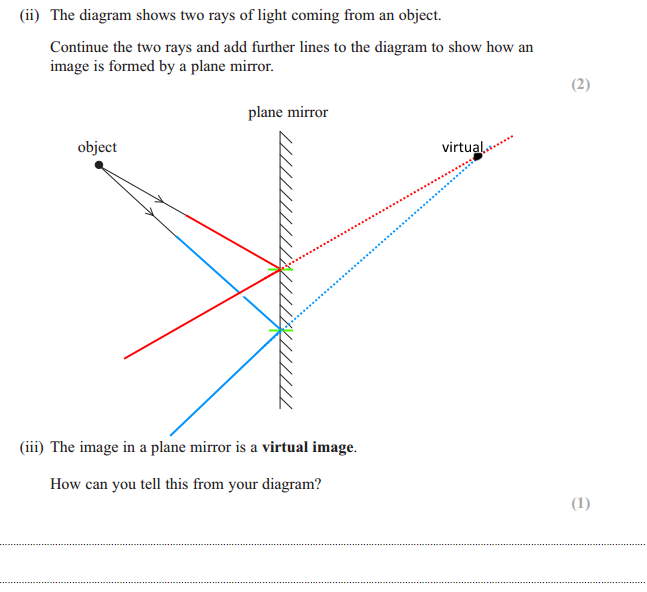
Plane Mirrors
- are used as looking glass
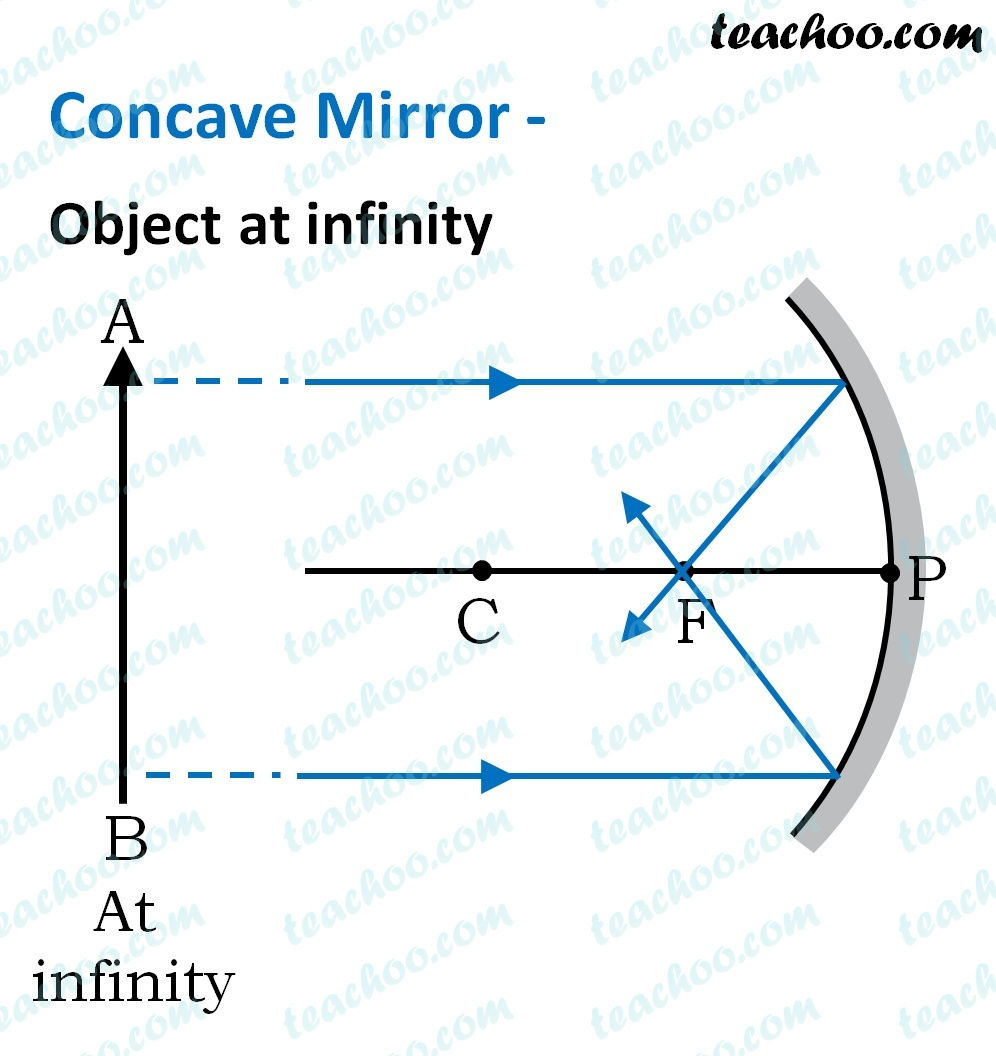
- Concave Mirror
- a reflecting mirror, they reflect light inward
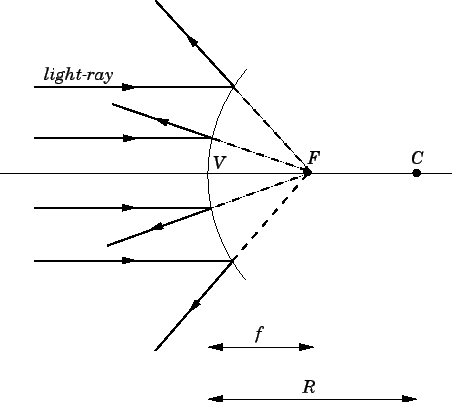
- reflect light outwards, they are not used to focus light
- light refracts differently depending on the density. It can also change speeds when going through water, glass, air, etc.
- double convex lenses have focal points on both sides of the lens.
- double concave lenses are used in beam expansion, image reduction, or light projection applications.
- double convex lenses have focal points on both sides of the lens.
- light refracts differently depending on the density. It can also change speeds when going through water, glass, air, etc.
- reflect light outwards, they are not used to focus light
- a reflecting mirror, they reflect light inward
- Concave Mirror
- are used as looking glass
Electromagnetic Spectrum
- The electromagnetic spectrum is the range of all types of EM radiation. Radiation is energy that travels and spreads out as it goes.
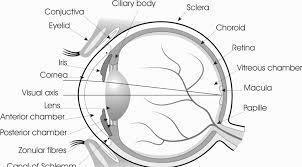
- Human Eye
- Light passes through the front of your eye (the cornea) to the lens. The cornea and the lens help to focus the light rays onto the back of the eye (the retina). The cells in the retina absorb and covert the light to electrochemical impulses which are transferred along the optic nerve and then to the brain.
- Human Eye
- The electromagnetic spectrum is the range of all types of EM radiation. Radiation is energy that travels and spreads out as it goes.
Traditional Photography
- Requires photographic film (negative) and photosensitive paper, these photos can fade over time as the chemicals react and change.
- Digital Photography
- Picture is divided into small elements called pixels, the image quality depends on the number of pixels. These pictures require a CCD.
- Digital Photography
- Requires photographic film (negative) and photosensitive paper, these photos can fade over time as the chemicals react and change.
Imágenes y archivos del mapa
Información
- Descripción
- A mind map of everything we have learned in this unit.
- Creado por
- Milana Crawley
- Visitas
- 22
- Etiquetas
- Valoración