
Mapa mental
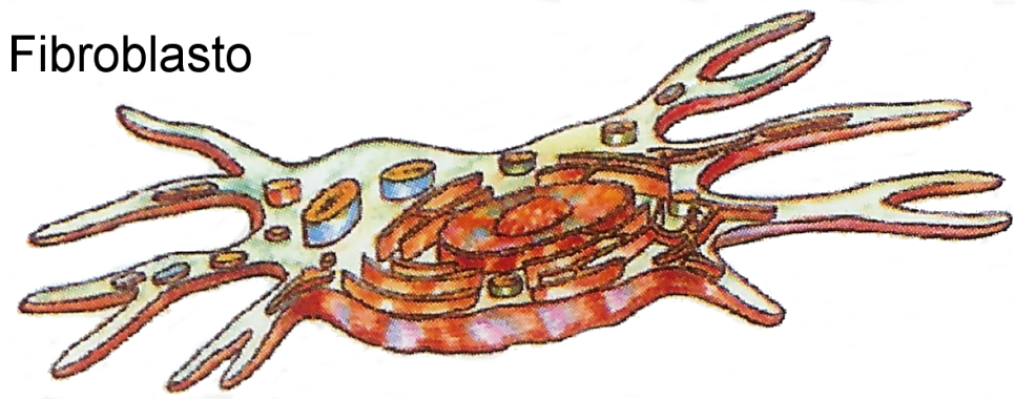
Fibroblast
Contenido del mapa
Fibroblast
is one of the most abundant cell types present in the stroma.
composes the basic framework
- for tissues
- for organs.
has a variety of functions
- Under homeostasis
- this cell is responsible for maintaining the extracellular matrix (ECM)
- During stress
- adapt to their environment
- have the ability to respond and send local signals
- In times of injury
- can transform phenotypes
- synthesize the building blocks necessary to replace wounded tissue
- Under homeostasis
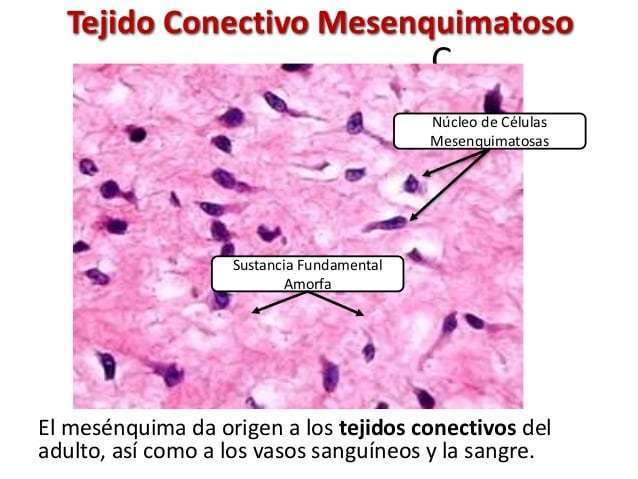
from a mesenchymal origin
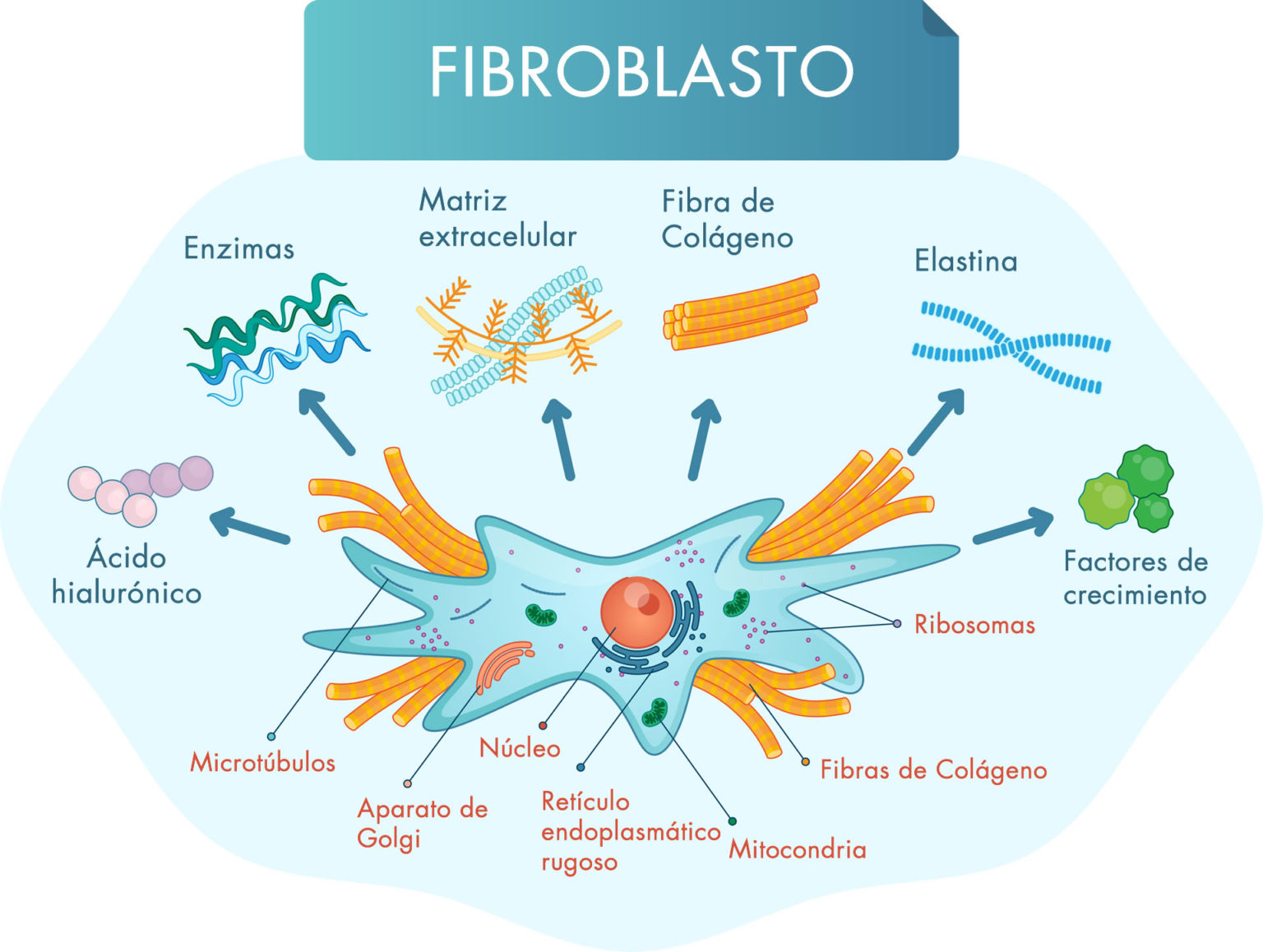
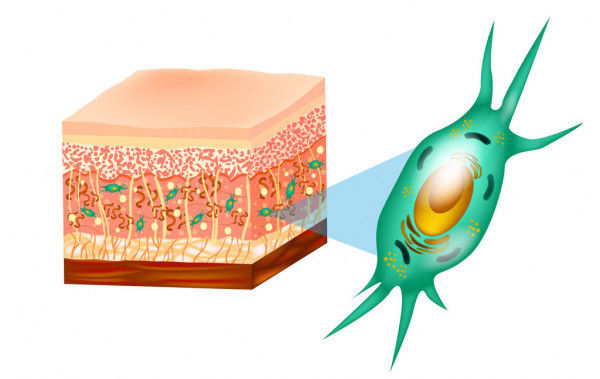
- it have an elongated spindle
- or stellate shape with a multitude of cytoplasmic projections
- it have an elongated spindle
Structure
- Within the cytoplasm is
- a large Golgi apparatus.
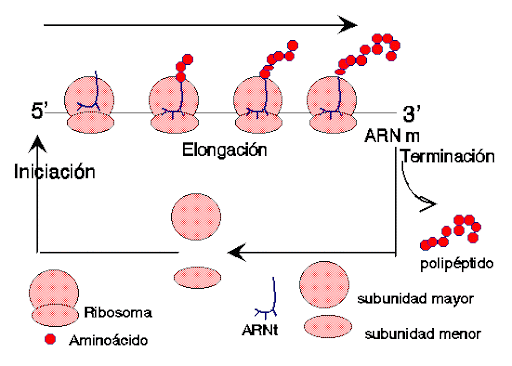
- an abundance of rough endoplasmic reticulum (rER)
- Within the cytoplasm is
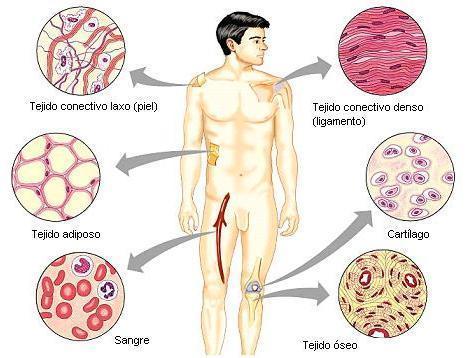
are the most common cell type represented in connective tissue
These cells produce a diverse group of products including
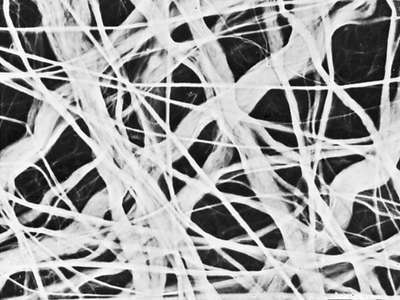
- collagen type
- I
- III
- IV
- proteoglycans
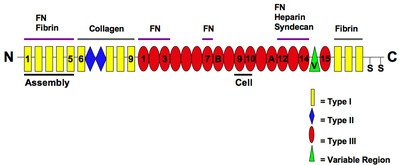
- fibronectin
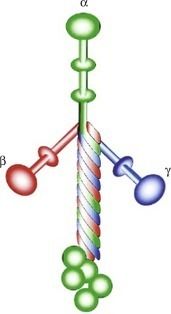
- laminins
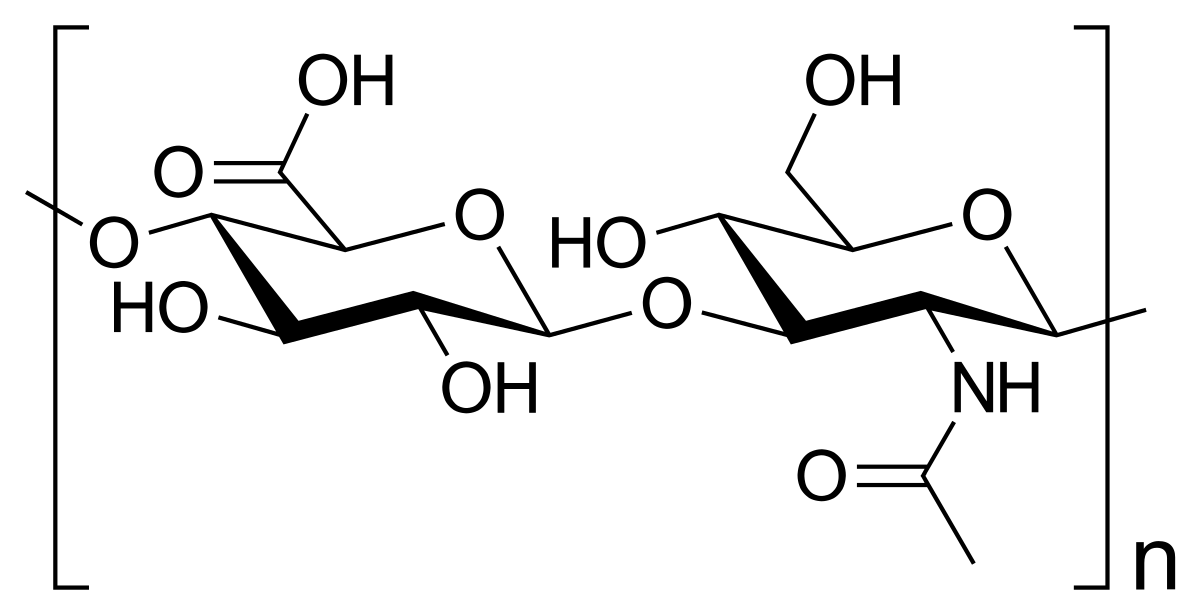
- glycosaminoglycans
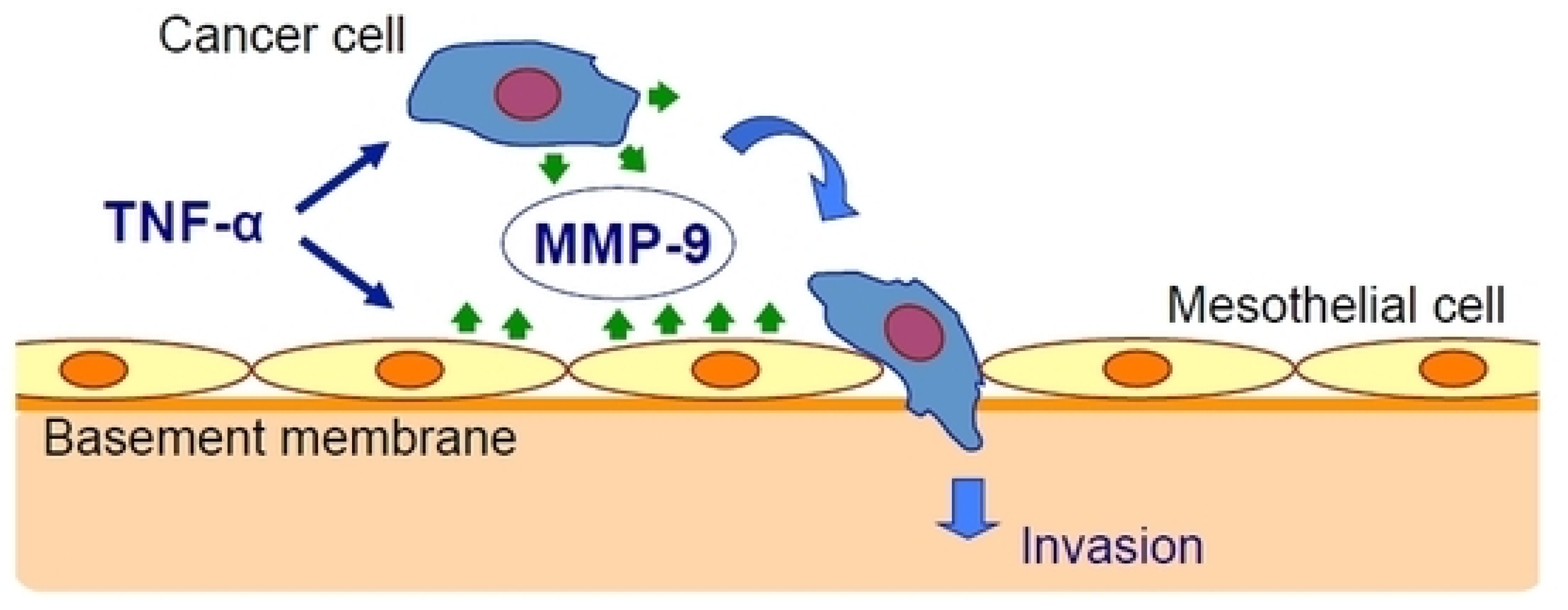
- metalloproteinases,
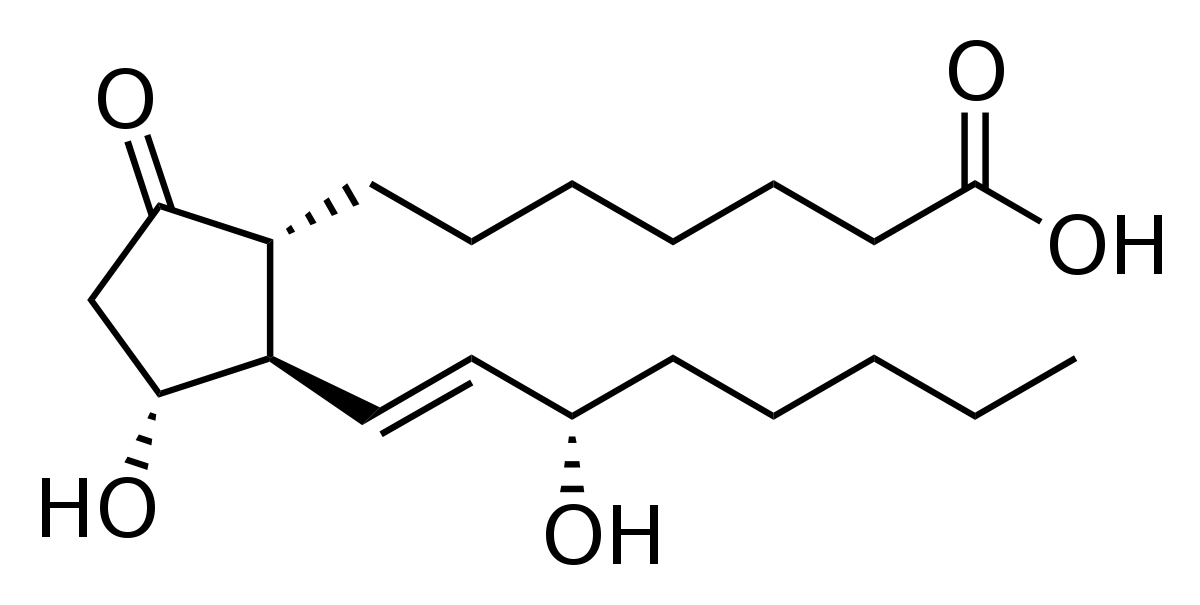
- prostaglandins
- collagen type
In the adult body
- fibroblasts remain in a quiescent form until
- stimuli activate protein synthesis
- contractile mechanisms
- fibroblasts remain in a quiescent form until
These cells synthesize reorganize the ECM found in
- the skin
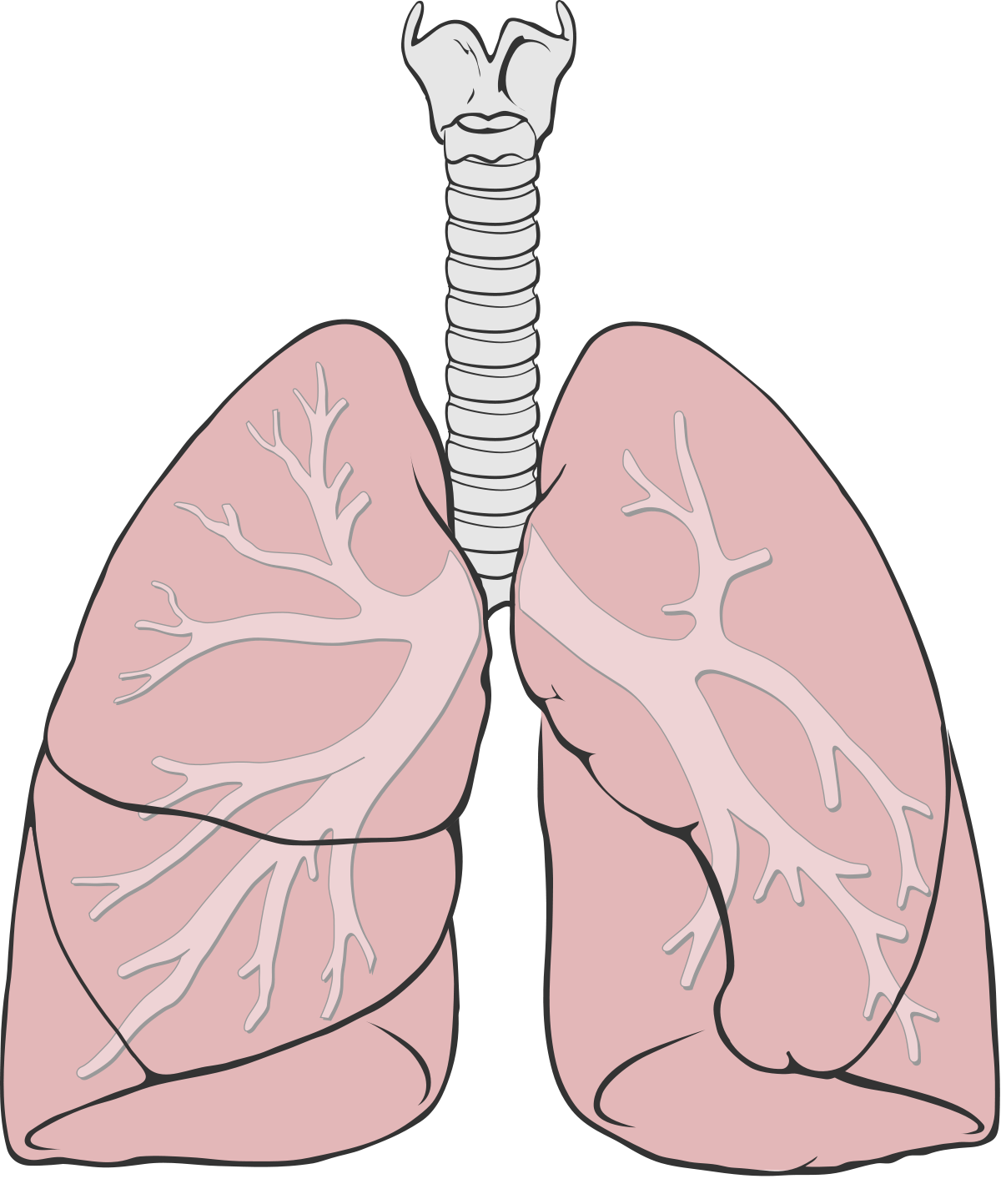
- lung
- heart
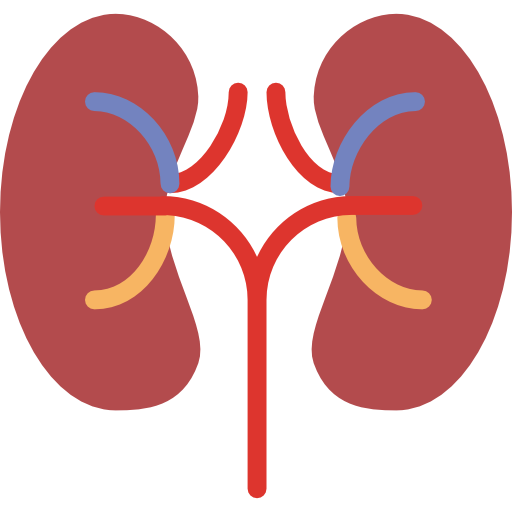
- Kidney
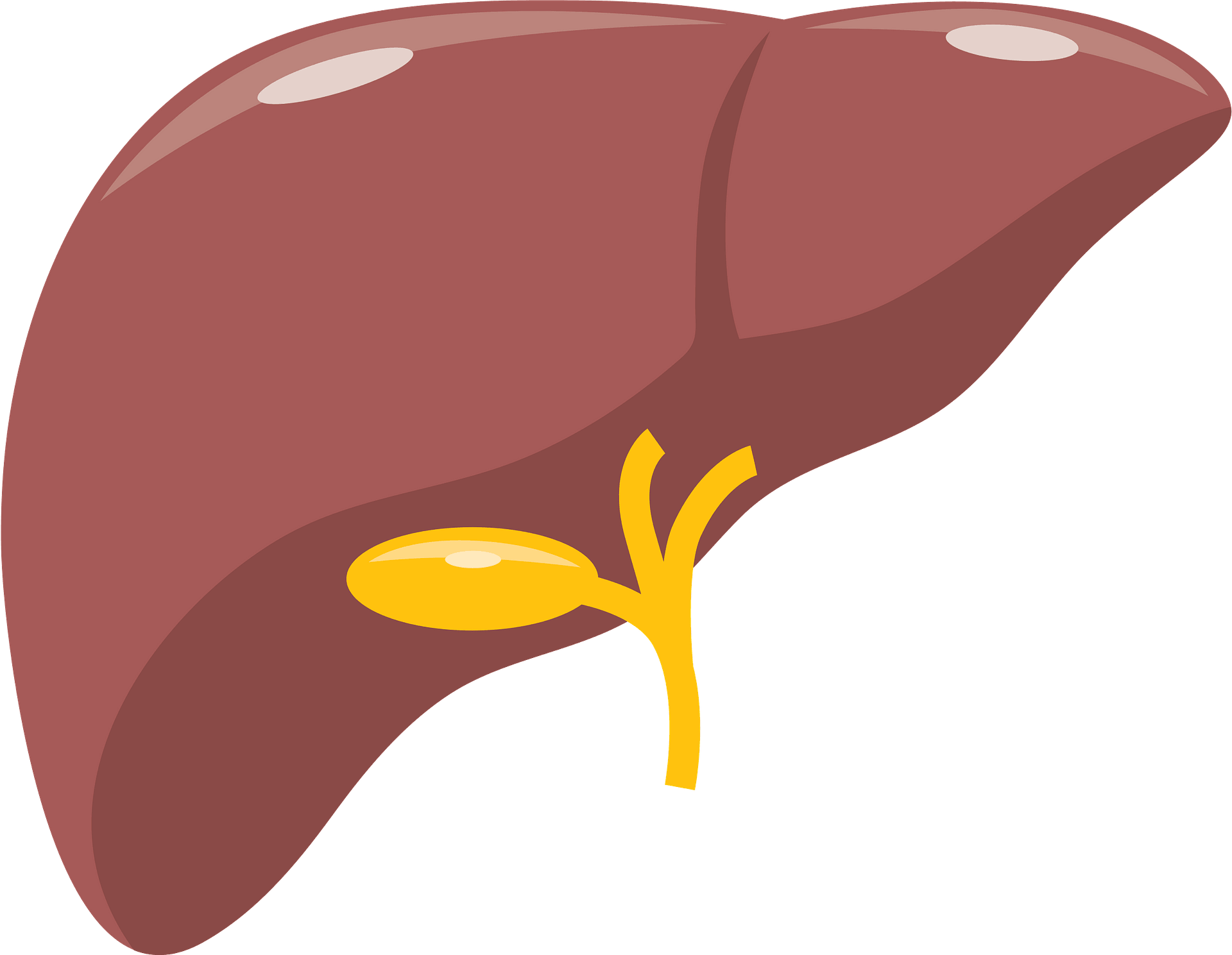
- Liver
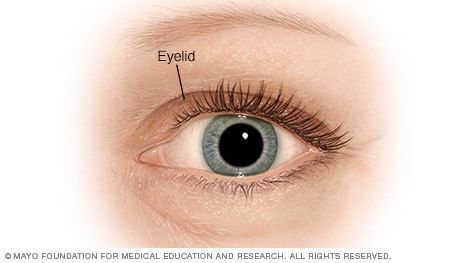
- eye
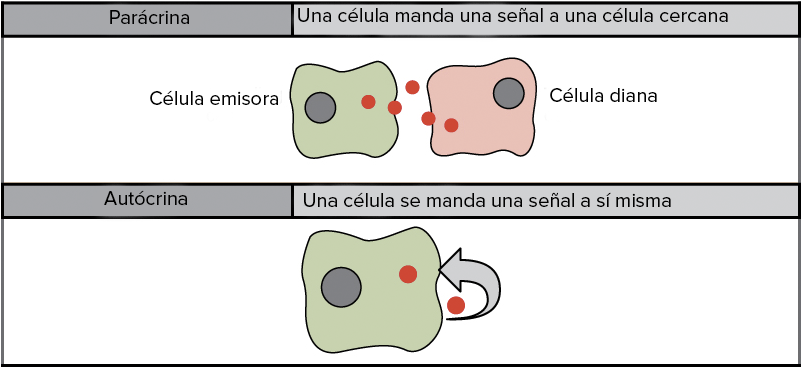
can secrete and respond to
- autocrine signals
- paracrine signals
are known for
- their plasticity
- endothelial cells
- adipocytes
- epithelial cells
- pericytes
The ability of fibroblasts to transform
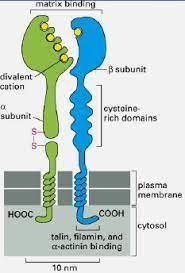
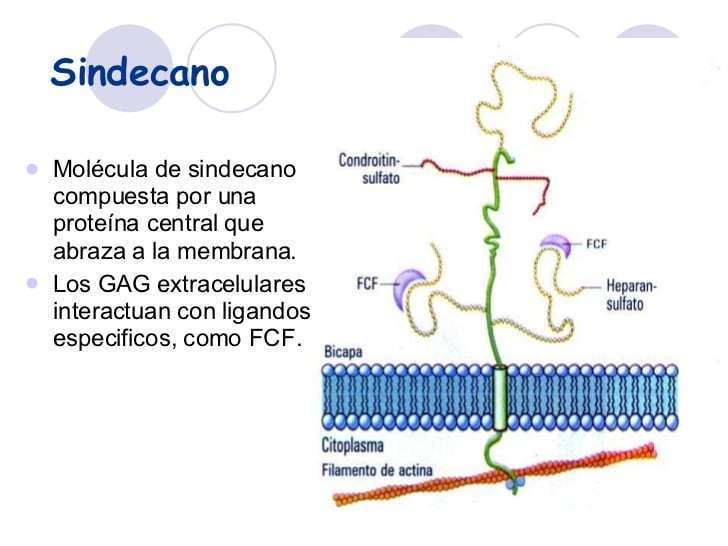
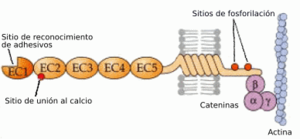
- partly due to the variety of cell-surface adhesion receptors
- integrins
- syndecans
- cadherins
- that facilitate the communication of fibroblasts with their surroundings
- partly due to the variety of cell-surface adhesion receptors
are present in both healthy and pathologic tissues
contain features of fibroblasts and smooth muscle cells
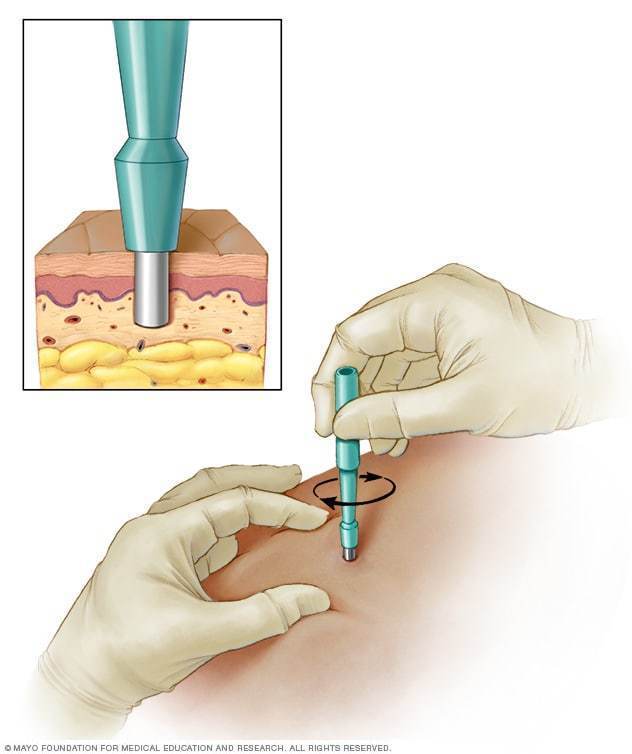
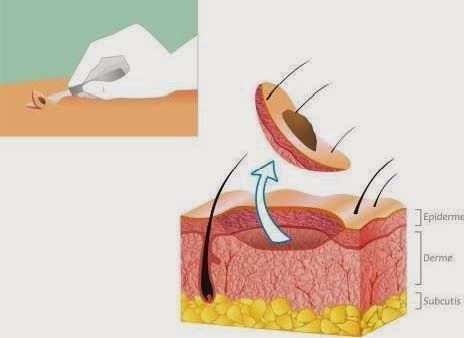
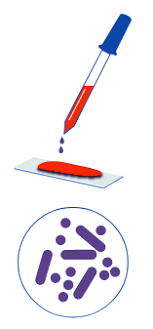
Proper specimens must be obtained to analyze fibroblasts microscopically.
- The specific type of tissue is obtained by methods dependent
- on the organ
- depth required for an accurate tissue sample
- Example
- Excisional surgical specimens
- punch biopsies
- shave biopsies
- Example
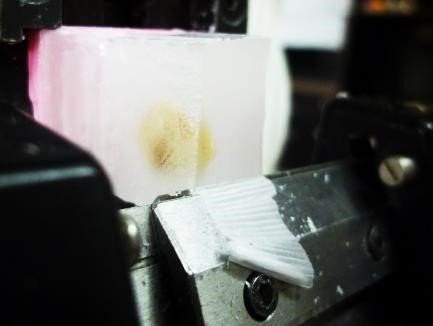
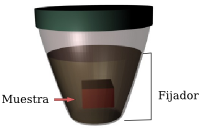
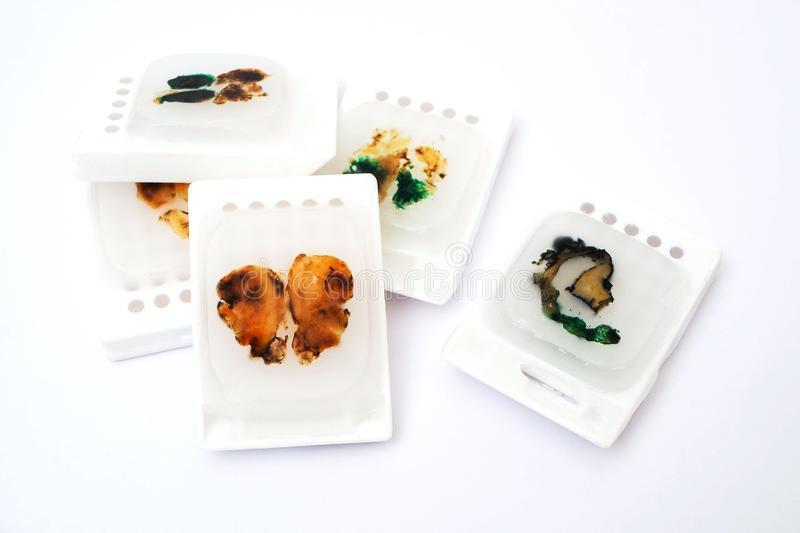
- Tissue Preparation
- preserving the tissue in formalin
- sectioned
- embedded in paraffin
- stained
- Immunohistochemical staining has had poor success in distinguishing fibroblasts
- as there are no fibroblast specific markers.
- The result is the staining of multiple cells that overlap in specificity
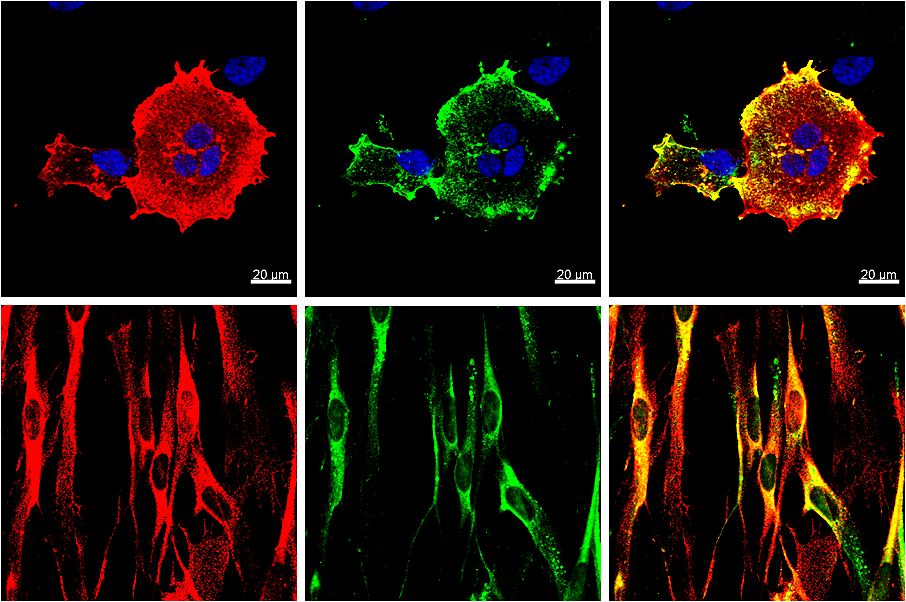
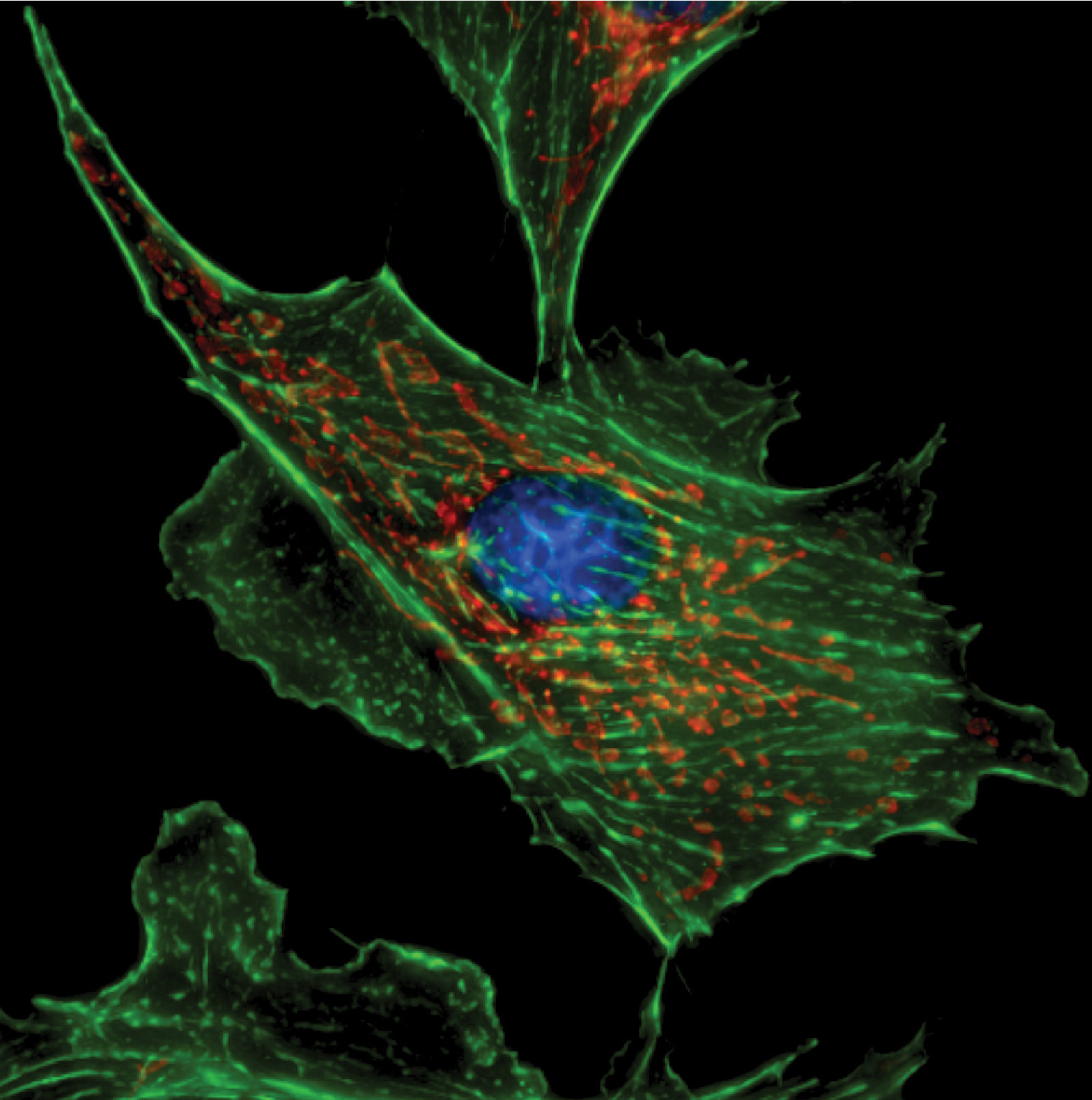
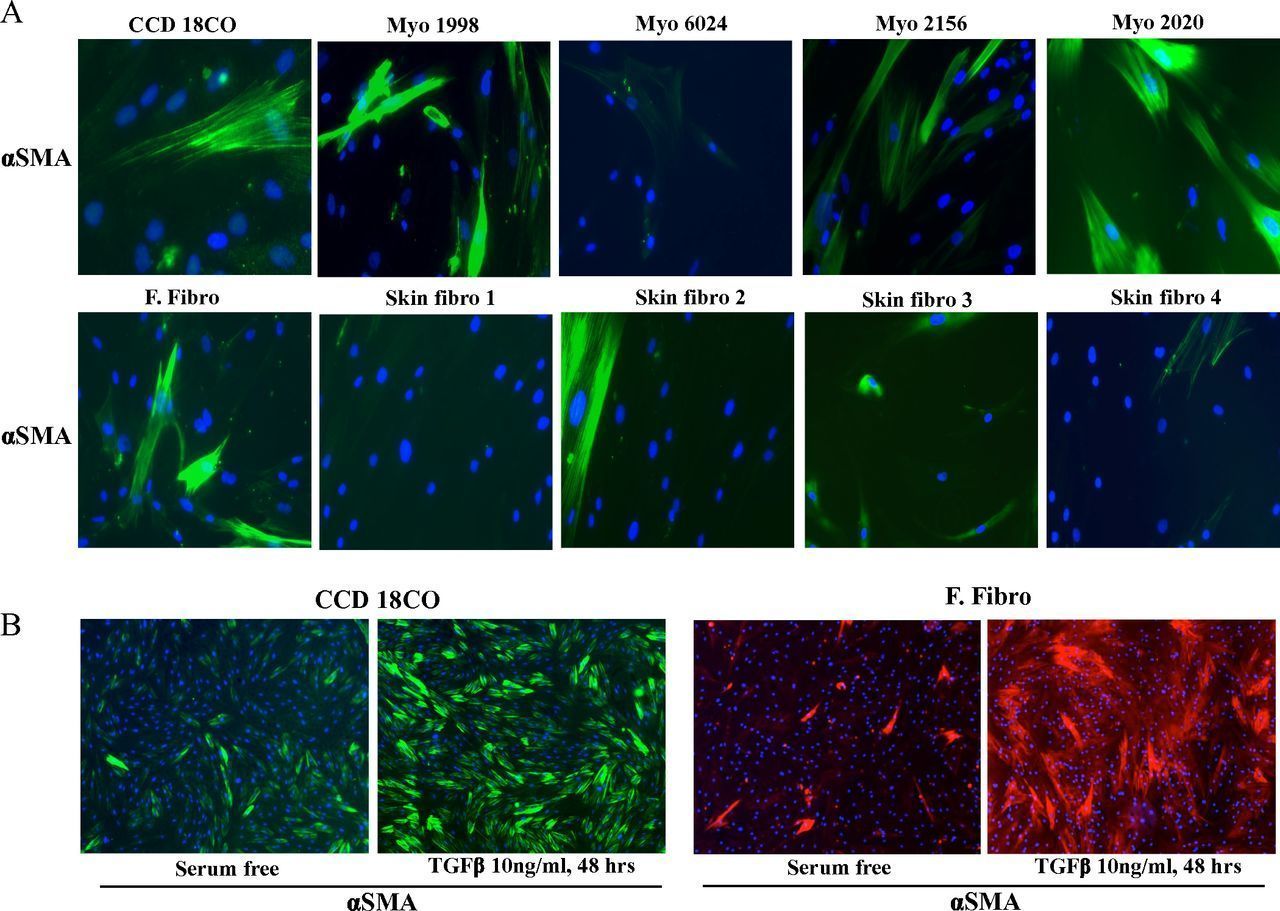
- Immunofluorescence (IF) techniques can be deployed to compare
- fibroblasts
- myofibroblasts
- Immunofluorescence (IF) techniques can be deployed to compare
- Immunohistochemical staining has had poor success in distinguishing fibroblasts
- on the organ
- The specific type of tissue is obtained by methods dependent
microscopy
- Microscopy light
- fibroblasts are elongated, disc-like structures that are not readily visible upon standard light microscopy evaluation.
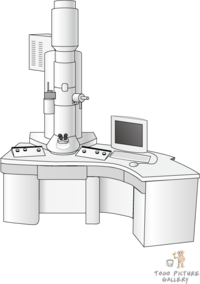
- Microscopy Electron
- Transmission electron microscopy reveals abundant rER and Golgi apparatuses in the cell cytoplasm.
- Microscopy light
Imágenes y archivos del mapa





Información
- Descripción
- Undécimo Histologia Mapa Mental sobre Fibroblast, creado por Andrea Mendez el 10/08/2021.
- Creado por
- Andrea Mendez
- Visitas
- 1
- Valoración