
Mapa mental
Focus groups

Contenido del mapa
Focus groups
Study method
- Meeting made up of several people.
- Objective
- Discuss about a specific topic to get their opinions
- With 6-10 people
- Objective
- Meeting made up of several people.
Types
- Two-Way Focus Group
- It involves two groups; each group with its own moderator.
- Dual-Moderator Focus Group
- In this type of opinion group, two moderators are used.
- Dueling Moderator Focus Group
- Just like the Dual-Moderator focus group, it also involves two moderators.
- Client-Participant Focus Group
- A client is also sitting as a participant with the group
- Respondent Moderator Focus Group
- The researcher asks some participants to act as moderators for a temporary period
- Mini Focus Group
- In contrast to a regular has only 4-5 people.
- Online Focus Group
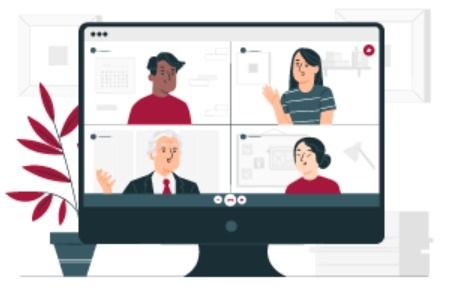
- Using a teleconference or the internet, the remote or online focus group brings together people from different places
- Two-Way Focus Group
Procedure and Advantages
- Step 1. Establishing your focus group
- • The most productive focus group discussions are invariably those in which the participants have strong opinions most likely
- • You may choose a group which pre-exists your research exercise
- • This can become the glue which bonds the group together
- Step 2. Developing your questions
- The participants should feel he or she are taking part in a free-flowing discussion
- Each question most lead to a substantial amount of discussion and debate
- You begin with a brainstorming session in which you write down as many questions as seem pertinent
- Step 3. Conducting your focus group
- It is the responsibility of the moderator to ensure the meeting is a successful one
- By organising a seating plan for the participants in as comfortable and convivial a setting as possible
- Welcoming them to the discussion
- Putting them at their ease
- Allowing each participant the time to introduce himself or herself to the rest of the group and to make comments when they wisA
- Ensuring that all participants can make eye contact with one another as well as hear each other
- Arranging for the discussion to be recorded
- Outlining the purpose of the meeting to the group
- It is the responsibility of the moderator to ensure the meeting is a successful one
- Step 4. Analysing your data
- Transcribing your tapes in order to produce an accurate record of everything which was said in each of your focus-group interviews.
- Step 1. Establishing your focus group
Uses
- Get an idea of a topic or issue in particular, in a relaxed and safe environment to participate.
- Modify attitudes.
- Promote awareness, educate, protect vulnerable people.
- Collect data on sensitive, sensitive topics and complex or difficult social problems.
- Modify attitudes.
- Interpret previously obtained research results
- Develop new research questions and topics for further exploration.
- Stimulate new ideas and creative concepts
- Used in politics to gather public opinion of candidates
- Discern needs when planning, improving, or evaluating services.
- Identify problems with existing services
- Get an idea of a topic or issue in particular, in a relaxed and safe environment to participate.
Imágenes y archivos del mapa




Información
- Descripción
- Mapa Mental sobre Focus groups, creado por Ingles Inglés el 07/11/2022.
- Creado por
- Ingles Inglés
- Visitas
- 1
- Valoración