
Mapa mental
Programming
Contenido del mapa
Programming
Algorithm
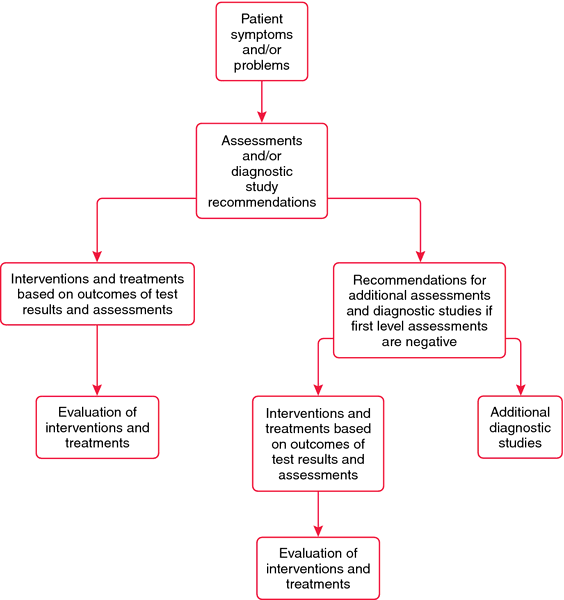
- An Algorithm is what people use when creating something, for example a game. Normally, a Algorithm is a list of rules that you have in order to solve a problem, it is written in pseudocode or a flow diagram. Pseudocode is not a type of coding language but a way of describing a set of instructions.
Programming Languages
- A programming language is a specially written code used for writing applications. C++ and Java are examples of programming languages. These are known as high level languages because they have been developed to be a little like a human language.High level languages are much easier to use than a low level language such as Machine Code, or Assembly Language. The advantage of a low level language is that it runs very fast on the computer.
Control Flow in Imperative Languages.
- Algorithms use control flow to make decisions about which order to do things. They can repeat actions or start new actions based on new information.Computer programs use sequence, selection and iteration to control the flow of the program.
- Sequence: The most basic algorithm uses sequences to present a list of instructions to be followed one after the other, step by step.
- Selection: A selection is used to make choices based on information. An algorithm can be made more intelligent by using IF, THEN and ELSE to repeat instructions or move to different parts of the program.
- Iteration:Iteration is the process of repeating sections of a program to achieve a particular target or goal.
- Algorithms use control flow to make decisions about which order to do things. They can repeat actions or start new actions based on new information.Computer programs use sequence, selection and iteration to control the flow of the program.
Handling Data In Algorithms
- Constants: Constants are symbolic names given to data where the value of the data cannot change during the execution of the program. Many constants such as PI are built into programming languages.
- Variables Variables are symbolic names given to data where the value of the data stored may change during the execution of the program. In effect, a variable is a named area of memory used to store data.
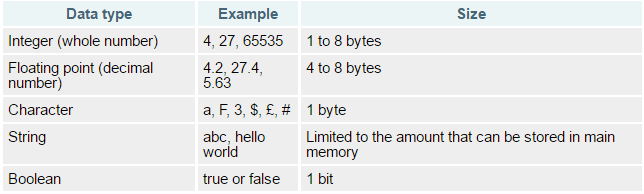
- Data Types: Different types of data are represented in different ways inside a computer and need varying amounts of memory to store them. They also have different operations that can be performed upon them. All values that belong to the same data type will be represented in the same way.
- The most commonly supported data types in programming languages are:
Testing
- There are different types of errors, or bugs, which can prevent computer programs from working in the way they should. one of these errors is called a Syntax error. These are errors that occur mainly when your code a a gramaticall error, the error occurs as the program does not undersatnd the code as is is not correclty spelled, for example the use of capital letters.
Imágenes y archivos del mapa
Información
- Descripción
- Mapa Mental sobre Programming, creado por Connor Bernard el 18/01/2017.
- Creado por
- Connor Bernard
- Visitas
- 30
- Valoración