
Mapa mental
Microbiology part 1
Contenido del mapa
Microbiology part 1
Describe the structure of bacteria, fungi and viruses
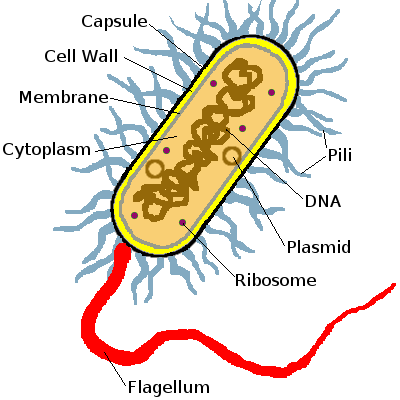
- Generalised Bacteria
- Nuclear Material carries bacterium genetic code
- Flagellum helps bacteria to move
- Cell Wall mantains the bacterium cell shape
- Cell membrane controls entry and exit of materials
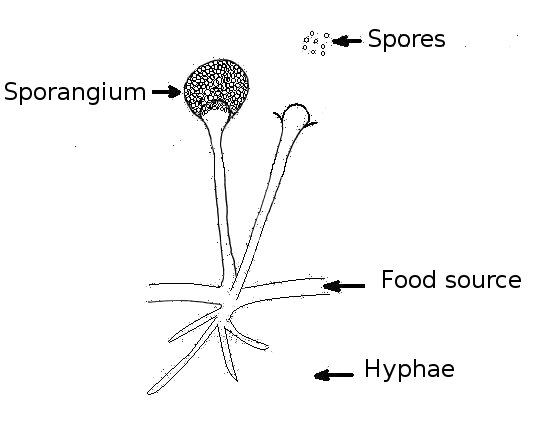
- Generalised fungi
- Reproduction hyphae: digest and absorb surrounding material/mode of vegatative growth
- Spores: Unit of asexual reproduction
- sporagium: In which spores are formed
- food source
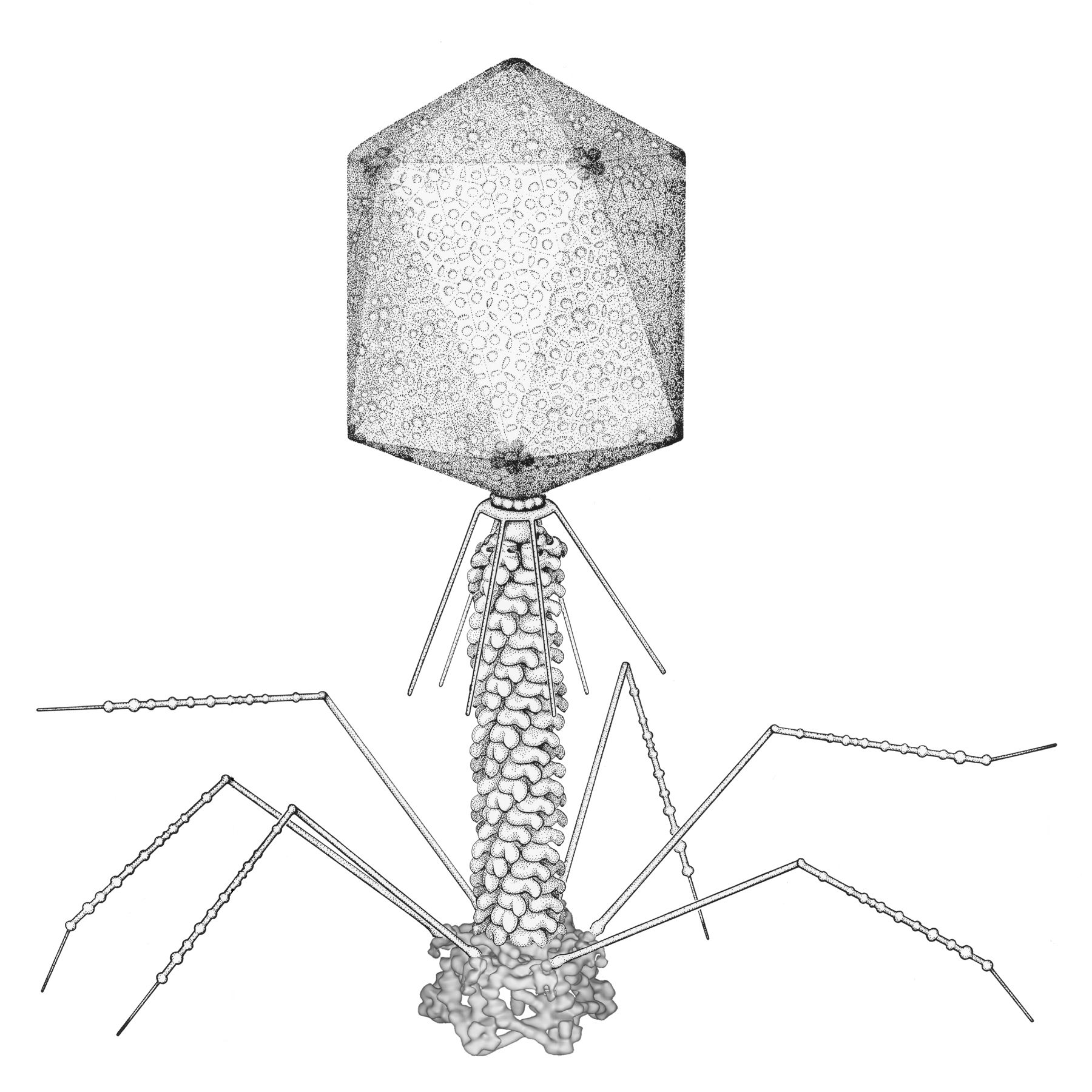
- Generalised virus
- protein coat
- Shields the DNA from immune system
- nuclear material
- contains DNA and used to reproduce
- attachment sile
- protein coat
- Generalised Bacteria
Describe the feeding of bacteria, fungi and viruses
- bacteria
- they can eat:
- sugar
- starch
- sunlight
- sulfur
- iron
- some are photosynthetic
- make their own food from sunlight
- Extra Cellular Digestion
- 1. Bacterium lands on the food
- 2. Bacterium releases Digestive Enzymes
- Enzymes break the food into small molecules
- they can eat:
- fungi
- via extra cellular digestion
- 1. Digestive Enzymes released onto food
- 2. Enzymes break apart food into smaller components
- protein
- fats
- carbohydrates
- 3. Small nutrients molecules are absorbed back into fungi
- 4. provide energy via respiration
- via extra cellular digestion
- viruses
- Viruses do not feed
- bacteria
Describe the reproduction of bacteria, fungi and viruses
- Bacteria
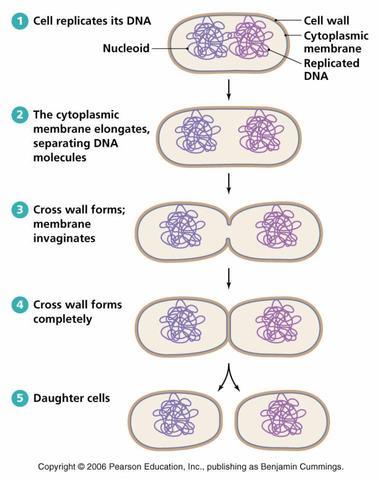
- Binary Fission
- 1. Bacteria replicates it's DNA via Mitosis
- Parent cell copies it's DNA and creates another copy
- Cell splits and two daughter cells are formed
- Parent cell copies it's DNA and creates another copy
- 2. The Cell Membrane pushes inwards to make two cells
- 3. Two Identical Bacteria are formed
- 1. Bacteria replicates it's DNA via Mitosis
- Binary Fission
- Fungi
- Yeast- Simple Budding
- Asexual Reproduction
- 1. outgrowth due to repeated cell division
- 2. Buds grow in tiny particles
- 3. Once Mature splits from parent and becomes an individual body
- 2. Buds grow in tiny particles
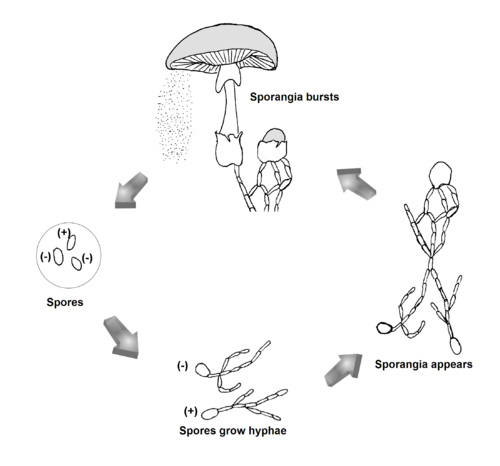
- 1. Sporangium full of spores
- 2. Spores burst out of sporangium
- 3. Carried by Wind
- 4. Hyphae sprouts from spores
- 5. Sporangium begins to grow out of hyphae
- 6. Spores develop in sporangium- cycle repeats
- 5. Sporangium begins to grow out of hyphae
- 4. Hyphae sprouts from spores
- 3. Carried by Wind
- 2. Spores burst out of sporangium
- Yeast- Simple Budding
- Viruses
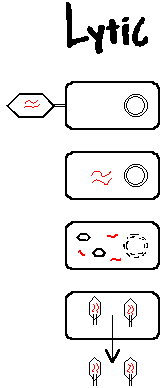
- Lytic
- 1. The virus attaches to bacteria (host)
- 2. The virus inserts it DNA into the bacteria
- 3.The virus takes over cell machinery
- 4. The virus reproduces itself and self assembles The host cell is destroyed
- copied from biology.kenyon.edu
- 4. The virus reproduces itself and self assembles The host cell is destroyed
- 3.The virus takes over cell machinery
- 2. The virus inserts it DNA into the bacteria
- 1. The virus attaches to bacteria (host)
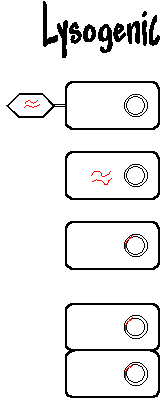
- Lysogenic
- absence of pathology
- within particular circumstances lifestyle capable of swapping to lytic
- virus- this stage harsh conditions
- prophage
- 1. The virus binds to bacteria (host)
- 2. The virus inserts its bacteria into the bacteria
- 3. The viral DNA gets incorporated into the cell's chromosomes
- 4. Viral DNA is replicate along with Chromosome material
- copied from biology,kenyon,edu
- 4. Viral DNA is replicate along with Chromosome material
- 3. The viral DNA gets incorporated into the cell's chromosomes
- 2. The virus inserts its bacteria into the bacteria
- Lytic
- Bacteria
Describe microbes that are helpful and harmful
- Fungi
- Helpful
- Antibiotics e.g Pencillin
- Food e.g mushrooms, truffles
- Bread Production - Yeast
- Alcohol Production- fermentation
- Used in cheese- moulds
- Decomposer- help break down rubbish
- Used in cheese- moulds
- Alcohol Production- fermentation
- Bread Production - Yeast
- Food e.g mushrooms, truffles
- Antibiotics e.g Pencillin
- Harmful
- infections e.g athletes foot, ring worm, thrush
- Damage food crops e.g potato blight
- Turn food bag e.g mould
- Can be poisonous to eat e.g moulds
- Turn food bag e.g mould
- Damage food crops e.g potato blight
- infections e.g athletes foot, ring worm, thrush
- Helpful
- Bacteria
- harmful
- feed on our food - expires
- feed on dead plant and animal- saprophytes
- parasites- reside on living organisms
- some release toxins
- toxins makes them pathogens
- bacteria that can cause diseases
- SARS
- Syphilis
- Typhoid Fever
- Cholera
- bacteria that can cause diseases
- toxins makes them pathogens
- some release toxins
- feed on our food - expires
- helpful
- Recycling of nutrients
- treatment of sewage
- digestion of cellulose
- production of cheese and yoghurt
- harmful
- Viruses
- helpful
- cowpox
- immune to small pox
- cowpox
- vaccinia Virus- 1796
- Dr Edward Jenners invents vaccination
- helpful
- Fungi
List some diseases caused be microbes
- Bacteria
- Sars
- Tuberculosis
- Syphilis
- Typhoid Fever
- Cholera
- Scarlet Fever
- Anthrax
- Plague
- Tetanus
- 138 Bacterial Diseases
- Virus
- Leprosy
- cold sore
- HIV
- Influenza
- Chickenpox
- small pox
- Ebola
- Measles
- Rabies
- Fungi
- Aspergellosis
- Blastomycosis
- Candidiasis
- Histoplasmosis
- Ringworm
- Murcomycosis
- Bacteria
Imágenes y archivos del mapa
Información
- Descripción
- Mapa Mental sobre Microbiology part 1, creado por Lavinia Hayde el 10/10/2014.
- Creado por
- Lavinia Hayde
- Visitas
- 513
- Etiquetas
- Valoración