Mapa mental
Case Study of a coastal landscape: the Holderness Coast, East Yorkshire
Contenido del mapa
Case Study of a coastal landscape: the Holderness Coast, East Yorkshire
Landforms
- Flamborough Head
- Chalk Headlands and Cliffs
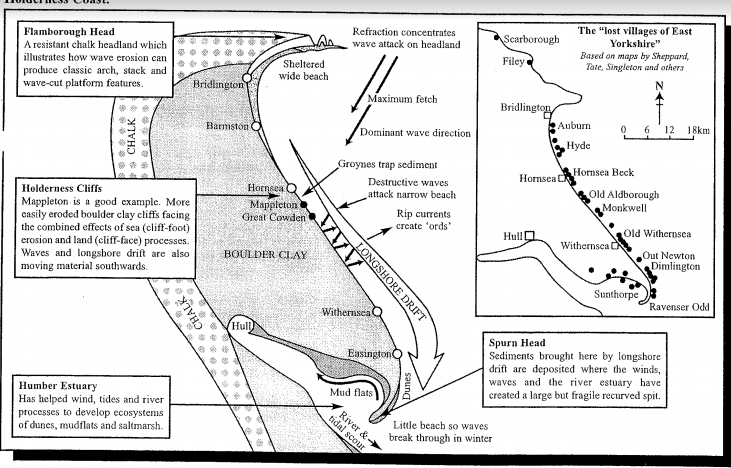
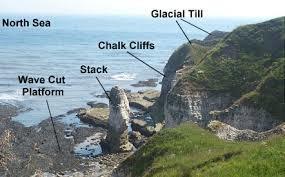
- The sea attacks the coast around the headland in two ways. Waves beat against the cliffs and weak points in the chalk are worn away into caves. The weakest points are where cracks or fault lines have appeared in the beds of chalk. At places on the cliffs where the chalk sticks out, these caves are worn away into rock arches. If the top of an arch collapses, the result is a pillar of chalk cut off from the rest of the headland ( a stack). Flamborough Head has many caves and arches,stacks and stumps. The process of erosion that has created them can take hundreds of years.
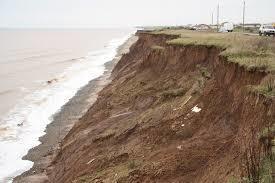
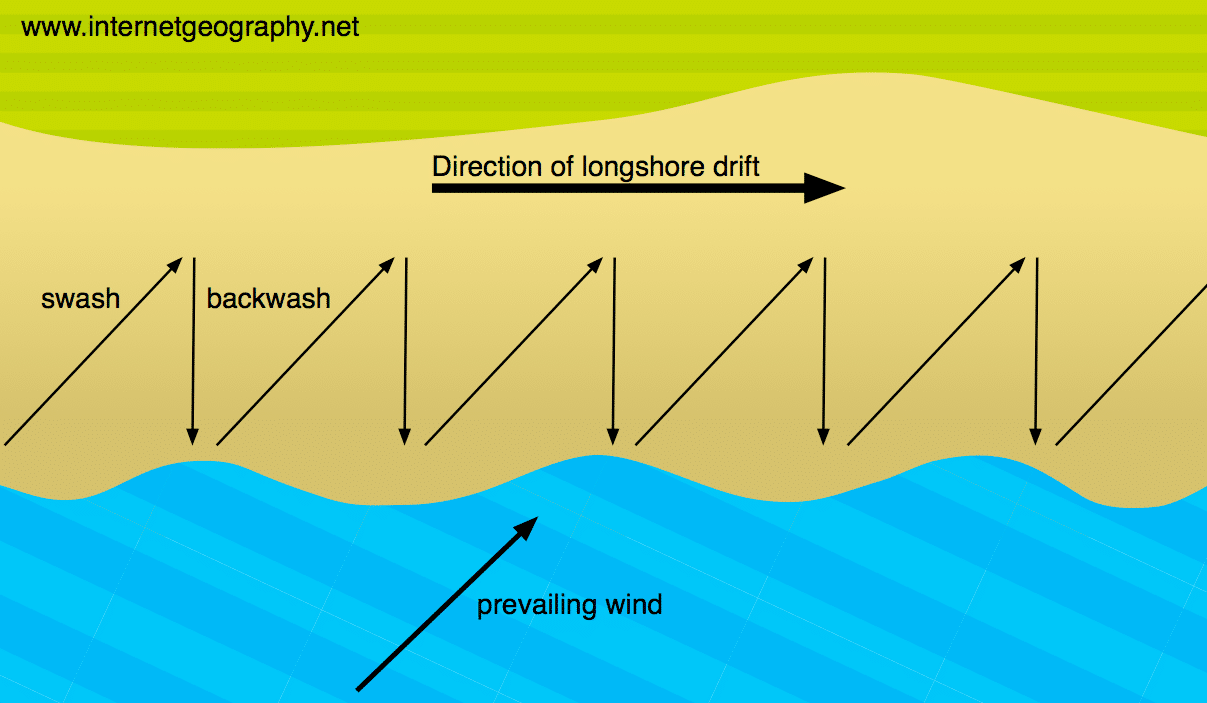
- Strong prevailing winds creating longshore drift move material south along the coastline. The cliffs are made of a soft boulder clay which was deposited by glaciers 100,000 years ago, and will therefore erode quickly, especially when saturated. As the cliffs are worn away by the action of the waves, the clay soil often falls into the sea in huge landslips.
- Chalk Headlands and Cliffs
- Spurn Head
- 6km Spit
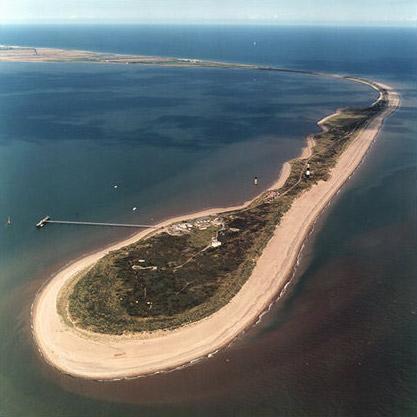
- The dominant waves are from the north east, which is also the direction of the longest fetch. Destructive waves erode the beaches and attack the cliffs, removing the clay. Longshore drift carries the material south where it is deposited to form the spit at Spurn Head.
- Made up of materials transported along the coast such as sand and shingle.
- 6km Spit
- Holderness Cliffs
- Retreating Clay Cliffs
- The boulder clay cliffs are formed from material left by ice sheets. They are retreating at an average rate of 1.8 metres per year. On land, rainwater enters the clay and the weight of water causes material to slide to the sea. This may occur along natural slip planes in the cliffs or the saturated clay may slump forwards onto the beach. Clifftop housing or hotels can make it worse. At the cliff-foot the fine clay is easily removed by waves and longshore drift carries tonnes of sediment south each year . There is therefore little material left to form beaches and protect the cliffs from winter storms and high tides.
- Retreating Clay Cliffs
- Flamborough Head
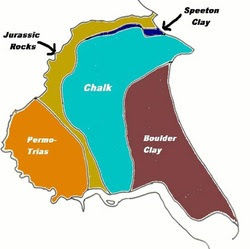
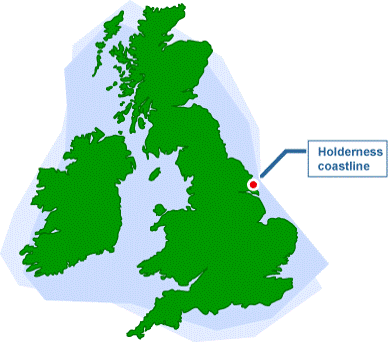
Holderness is in the East of Yorkshire and expands from Flamborough head in the North to Spurn head in the South. It is one of Europe's fastest eroding coastlines. The average annual rate of erosion is 2 metres per year. The main reason is due to the coastline being made up of boulder clay which was deposited by glaciers 100,000 years ago. This soft boulder clay is easily eroded.
- Chalk and Boulder Clay: Chalk is more resistant and creates stacks, cliffs and arches. Boulder clay is easily eroded which forms the bay of Holderness.
- The processes of erosion and weathering occurring are hydraulic action, freeze thaw, abrasion and solution
- The coastline starts with stacks and stumps at Flamborough, and peaks with Spurn head, a very large spit that runs across Humber Estuary.
- Long Shore Drift carries material down the coast and some out to sea so the coast is less protected by beaches. There is a large fetch so waves build a lot of energy before they hit the shore. Global Warming leads to rising sea levels which can cause greater rates of cliff collapse
Coastal Management
- Managed Retreat
- Areas of coast left to erode in areas of low value.
- Advantages: Retains the natural balance of the coastal system, eroded material encourages development of beaches and salt marshes.
- Disadvantages: People lose their livelihood e.g farmers and will need to be compensated.
- Kilnsea: NO defences except a small floodbank, angry residents, unable to sell property.
- Revetments
- Concrete barriers towards rear of beach to protect base of cliffs. Energy from waves scattered by them breaking against the revetments.
- NOT VERY SUSTAINABLE : Cheap but will constantly need replacing increasing price and unsuitable in certain instances.
- Advantages: Less beach eroded compared to sea wall, cheap, less intrusive.
- Disadvantages: Short life span, unsuitable where wave enrgy is high.
- Mappleton
- Concrete barriers towards rear of beach to protect base of cliffs. Energy from waves scattered by them breaking against the revetments.
- Groynes
- Wooden barriers at right angles to beach to retain material. Material is trapped and cannot be transported by longshore drift. Encourage a wide beach reducing rate of cliff erosion, absorb energy from waves.
- Advantages: cheap, don't affect beach access, keep wide sandy beaches
- Disadvantages: cause narrow beaches to form further down the Holderness Coastb increasing the erosion down the coast. Beaches to the south are starved of beach material.
- KIND OF SUSTAINABLE: cheap, does the job however effects other parts of the beach by srtving them of material
- Mappleton- Residents constantly sent letters- tenacious attitude- got what they wanted.
- Wooden barriers at right angles to beach to retain material. Material is trapped and cannot be transported by longshore drift. Encourage a wide beach reducing rate of cliff erosion, absorb energy from waves.
- Sea Walls
- Walls made of concrete built along the front of cliffs to protect settlements.
- Advantages: Excellent defence where wave energy is high, reassures public and long life span
- Disadvantages: Expensive, affect beach access, recurved walls can increase erosion of beach material
- Coast: Recurved walls so waves are reflected back on themselves causing erosion of material at base of sea wall.
- QUITE SUSTAINABLE: despite expense it works well, reassures the public and has a long life span so won't need to constantly be replaced.
- Rip-Rap
- Large boulders placed along base of cliff to absorb wave energy.
- Advanatages: cheap, efficent
- Disadvantages: dangerous access to beach, unnatractive, cost increase when rock is imported
- NOT SUSTAINABLE: needs to be maintained often and is dangerous for all.
- Large boulders placed along base of cliff to absorb wave energy.
- Managed Retreat
Summary: Holderness is in the East of Yorkshire and is one of Europe's fastest eroding coastlines. It has 3 main distinctive aspects. First is Flamborough Head. At this headland erosion takes place where the waves beat against the cliffs and arches, stacks and caves are formed. Abrasion also increases when shingle is carried in the waves. At the Holderness Cliffs, the boulder clay cliffs are formed from material left by ice sheets. On land, rainwater enters the clay and the weight of water causes material to slide to the sea. At the cliff-foot the fine clay is easily removed by waves and longshore drift carries tonnes of sediment south each year leaving little material left to form beaches. Finally Spurn head is where material eroded by destructive waves that erode the beach is carried south by longshore drift to form a spit.