
Mapa mental
Cells and Batteries
Contenido del mapa
Cells and Batteries
Definitions
- Cells
- A device that changes chemical energ into electrical energy
- primary cells are non-rechargeable
- secondary cells are rechargeable and can be restored to full capacity
- base cell construction
- a cell consists of electrodes that are immersed in an electrolyte within some kind of container
- difference in charge between the two electrodes causes an EMF to develop between the electrodes
- adding plate mass increases the battery's ability to produce current over a longer period of time
- adding plate area increases the battery's ability to produce high current for a short period of time
- difference in charge between the two electrodes causes an EMF to develop between the electrodes
- a cell consists of electrodes that are immersed in an electrolyte within some kind of container
- A device that changes chemical energ into electrical energy
- Battery
- consists of a number of cells connected in series
- Battery Resistance
- cell componets are conductive; therefore, the cell will possess some resistance
- no load connected to the cell, open circuit terminal voltage is = to the voltage produced
- when a load is connected, a current will flow and a voltage drop will occur in the cell due to the internal resistance of the cell
- cell componets are conductive; therefore, the cell will possess some resistance
- Cells
Basic Primary Cells
- non-rechargeable
- used in flashlights, portable cd players, etc
- examples of primary cells
- Leclanche Cells
- consisted of a carbon rod mixed with manganese dioxide
- Now; a past made of zinc chloride and ammonium chloride as the electrolyte and zinc electrode
- consisted of a carbon rod mixed with manganese dioxide
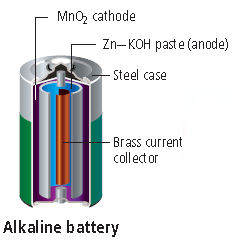
- Alkaline cells
- same as Leclanche but has better capacity
- Leclanche Cells
- non-rechargeable
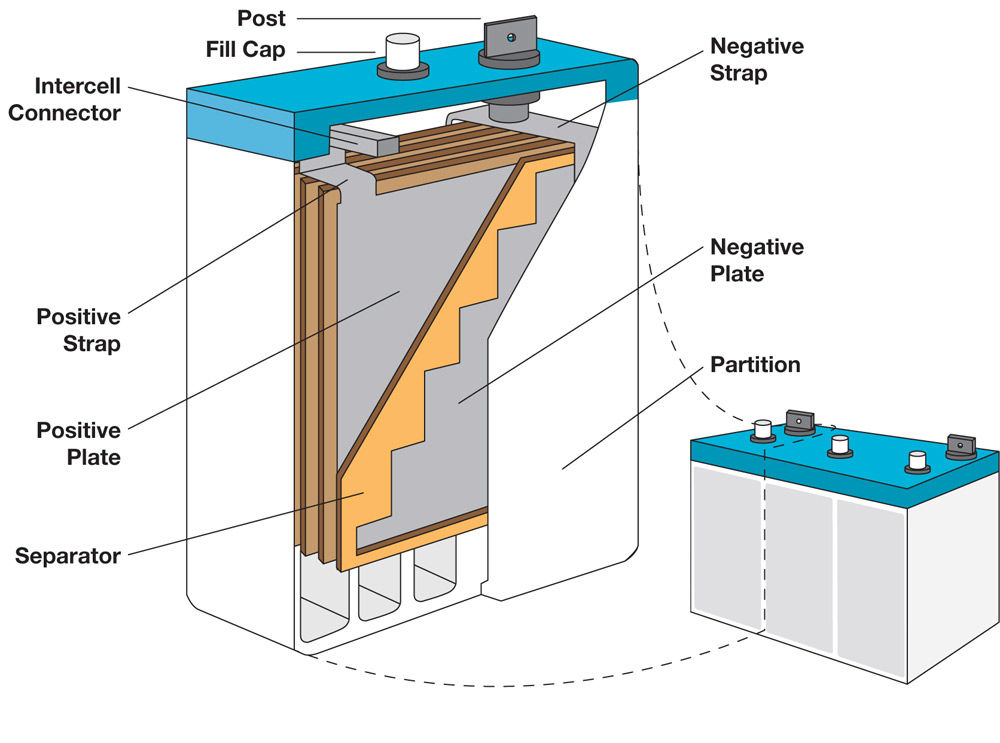
Lead-Acid cell
- Secondary Cell
- consists of lead peroxide and a spongy metallic lead
- can be made into different designs for specific purposes and requirements
- Found in electric vehicle power supplies, backup power supplies, emergency lighting and automotive starting
- can be made into different designs for specific purposes and requirements
- 3 types of lead-acid batteries
- flooded cell
- most common type of lead-acid battery
- gelled electrolyte cell
- virtually maintenance-free: gelled and does not leak or spill
- corrosion resistant
- has some problems
- hydrogen and oxygen gases are emitted
- can be highly explosive
- hydrogen and oxygen gases are emitted
- virtually maintenance-free: gelled and does not leak or spill
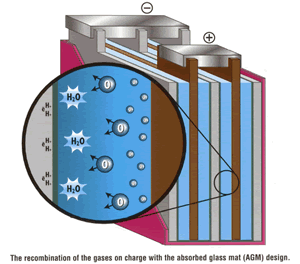
- absorptive glass mat cell
- like gelled cell; virtually no maintenance required and no danger of spillage or gas emissions
- have one-way valves that release gas pressure
- the separator plate has a lower resistance than the plates of the gelled cell and lower volt drops
- like gelled cell; virtually no maintenance required and no danger of spillage or gas emissions
- flooded cell
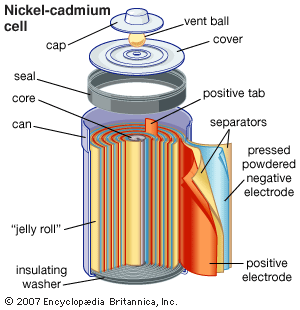
Nickel-Cadmium Battery
- Secondary cell
- made of nickel hydroxide and cadmium hydroxide
- may be sealed or vented
- Sealed are maintenance free
- Vented require minimal maintenance
- may be sealed or vented
- is a 10 cell battery. Each cell has a nominal voltage of 1.2V
- advantages to lead-acid
- higher energy to weight ratio
- Recharges faster
- longer storage lfie
- low internal resistance, very high rates and good terminal voltage
- advantages to lead-acid
- used in rechargeable tools, laptops, and cameras
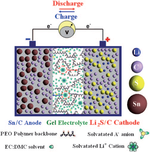
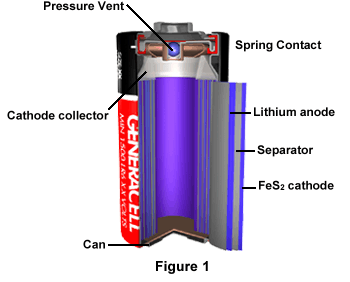
Lithium Battery
- can produce voltages from 1.5V to 3V.
- can store 150 watt hours in 1 kg of battery
- the battery is pressurized
- if it overheats, may explode
- lightweight
- has three components
- positive electrode
- lithium cobalt oxide
- negative electrode
- carbon
- separator
- very thin sheet of micro-perforated plastic
- positive electrode
- has three components
- lightweight
- if it overheats, may explode
- advantages
- very lightweight
- highly reactive element
- holds their charge
- no memory effect
- disadvantages
- degrade as soon as manufactured
- very sensitive to high pressure
- must be monitored, increases cost
- overall price is expensive
- can produce voltages from 1.5V to 3V.
Battery Ratings
- Ampere-hour rating
- indication of the total energy capacity of a battery
- Current= Ah/time
- Cold Cranking Amps
- rating that indicates the current that can be drawn from a fully charged battery for 30 sec at a temp of 0 Farenheit
- Reserve Capacity Rating
- quoted in minutes
- Ampere-hour rating
Internal Resistance
- affects the terminal voltage under load conditions
- considered to be in series with the cell
- Formula: Vno load - Vwith load= Vdrop
- affects the terminal voltage under load conditions
Imágenes y archivos del mapa
Información
- Descripción
- Mapa Mental sobre Cells and Batteries, creado por goleafsgo32 el 11/12/2014.
- Creado por
- goleafsgo32
- Visitas
- 15
- Valoración