
Mapa mental
F324- Rings, Polymers & Analysis
Contenido del mapa
F324- Rings, Polymers & Analysis
BENZENE
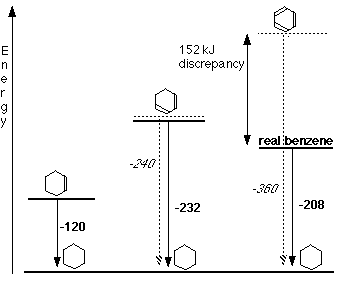
- Why does benzene follow the delocalised model & not the Kekule' structure?
- 1- Bond Length: The bond length of a single bond is longer than a double bond, however in benzene all the bond lengths are equal due to the delocalised electrons distributed around the whole structure
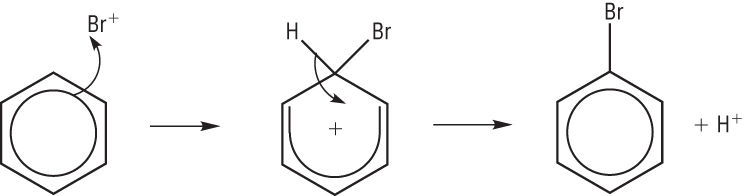
- 2- Kekule suggested the benzene reacts in a similar way to alkenes but under normal conditions benzene doesn't decolourise bromine water. Also benzene undergoes substitution reactions and not addition
- 3- the enthalpy change of hydrogenation is more stable in benzene than alkenes due to the delocalised electron ring distributed around the whole structure
- 3- the enthalpy change of hydrogenation is more stable in benzene than alkenes due to the delocalised electron ring distributed around the whole structure
- 2- Kekule suggested the benzene reacts in a similar way to alkenes but under normal conditions benzene doesn't decolourise bromine water. Also benzene undergoes substitution reactions and not addition
- 1- Bond Length: The bond length of a single bond is longer than a double bond, however in benzene all the bond lengths are equal due to the delocalised electrons distributed around the whole structure
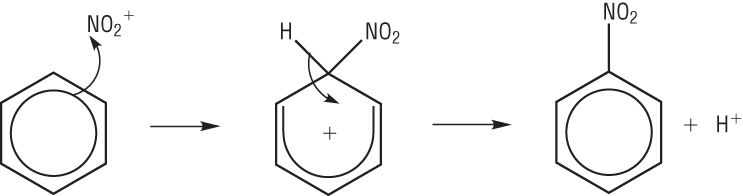
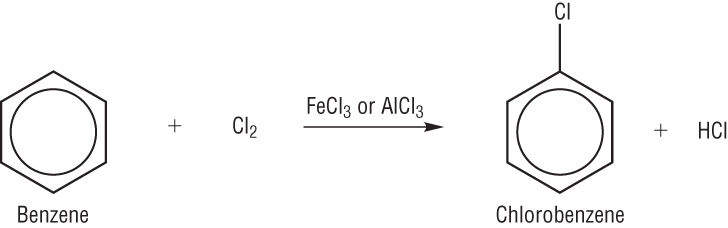
- Reactions of benzene:
- Why does benzene follow the delocalised model & not the Kekule' structure?
PHENOL
- Why does phenol react more readily than benzene?
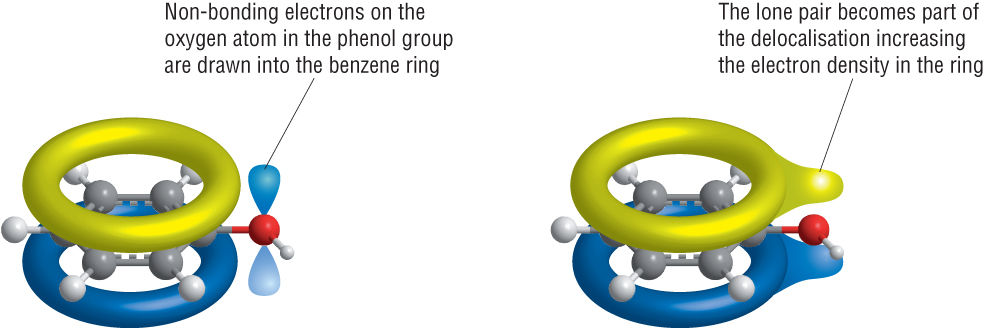
- 1- In phenol electron density increases (oxygen)
- 2- The electrophile attacking Phenol becomes polarised (due to oxygen)
- 3- The delocalised electron ring also pulls the oxygen electrons into the delocalised electron cloud
- 4- Phenols undergo substitution reactions easier due to the lone pair on the oxygen
- 3- The delocalised electron ring also pulls the oxygen electrons into the delocalised electron cloud
- 2- The electrophile attacking Phenol becomes polarised (due to oxygen)
- 1- In phenol electron density increases (oxygen)
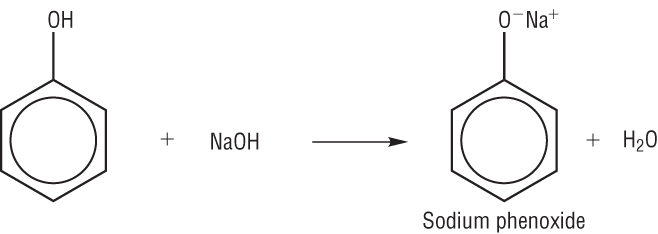
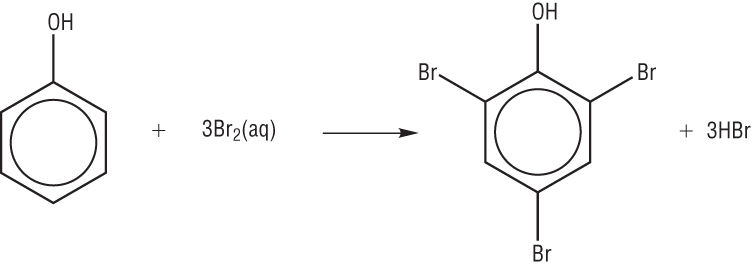
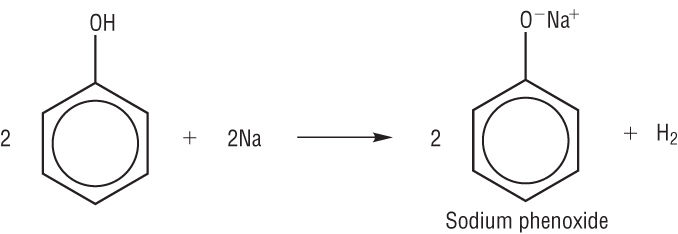
- Reactions of phenols
- uses of phenols:
- Production of plastics, antiseptics, disinfectants, resins for paints & varnishes.
- Why does phenol react more readily than benzene?
Carbonyl's
- Aldehydes are prepared from the distillation (oxidation) of primary alcohols using acidified potassium dichromate.
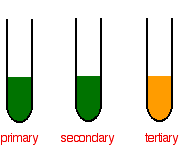
- testing for Primary, secondary and tertiary alcohols: using acidified potassium dichromate: the color change should be from orange to green
- Aldehydes are prepared from the distillation (oxidation) of primary alcohols using acidified potassium dichromate.
Imágenes y archivos del mapa


Información
- Descripción
- Mapa Mental sobre F324- Rings, Polymers & Analysis, creado por sundus.student el 18/12/2014.
- Creado por
- sundus.student
- Visitas
- 59
- Etiquetas
- Valoración