
Mapa mental
LM 4
Contenido del mapa
LM 4
Introduction to IP rights and ownership
- Intellectual property
- WHAT?Ownership interest in creations of human mind for which rights are protected under law
- Rights given in specific duration
- Types of IP
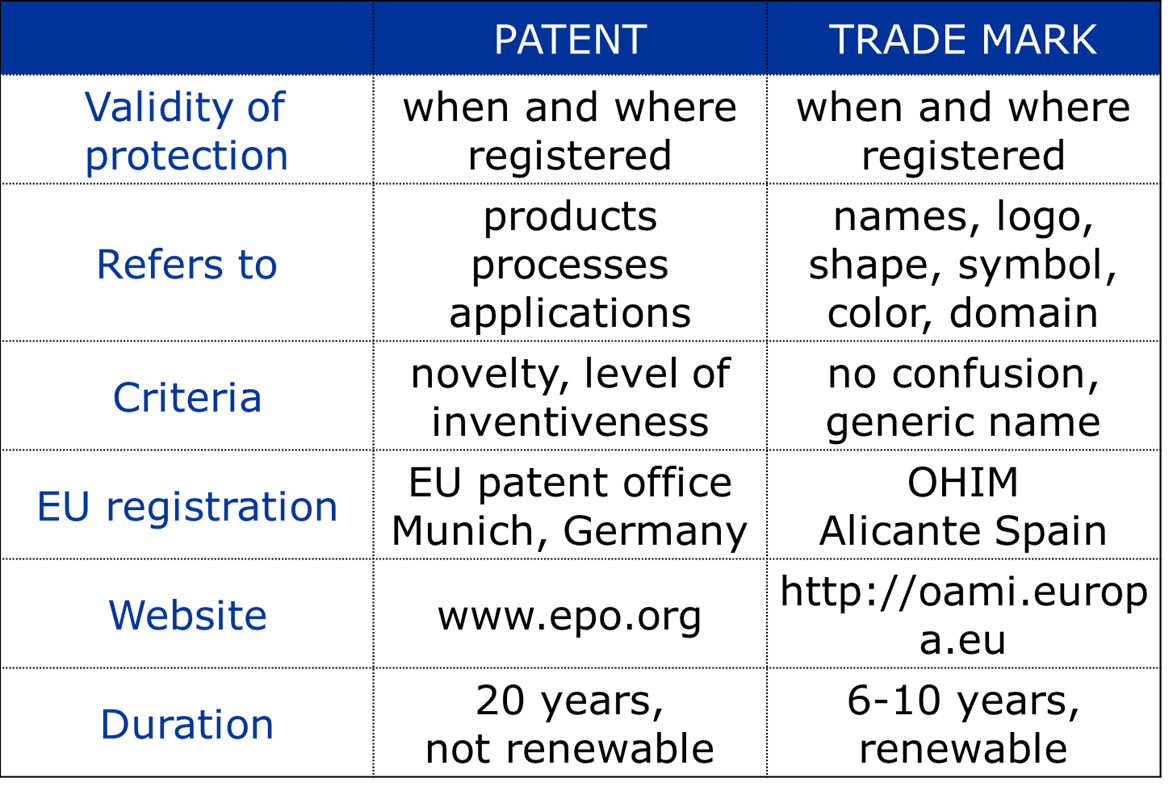
- Patents 20yrs
- Exclusive rights granted for limited period of time in exchange for public disclosure of an invention
- Patentable invention
- Product
- Process involving new technique solution
- New method
- Only valid in country that grant patent
- only valid for fixed period (20yrs in sg)
- Exclude others from the right to make use, offer for sale/ sell invention/import to country which granted the patent
- only valid for fixed period (20yrs in sg)
- Benefits for registered patent
- Prevent others form exploiting the invention
- Employ it to raise funds for one's business
- License it to third parties for commerical returns
- Employ it to raise funds for one's business
- Prevent others form exploiting the invention
- Criteria for invention to be patentable
- New
- Involves inventive step
- Capable of industrial application
- Useful and have some form of practical application
- something that represents improvement over existing product/process
- Capable of industrial application
- Should not be publicly known in any way/anywhere
- Involves inventive step
- New
- Life form patemt
- Life forms (plant/animal) patents may be granted to those who INVENT/DISCOVER & ASEXUALLY REPRODUCED any new variety of plant
- 2 ways new plants can be protected
- 1. protects plant breeder's right when new plants are bread
- 2. Genetically modify the plant's gene and produce an antirely new breed
- 2 ways new plants can be protected
- Why should life forms not be patented?
- Makes product more expensive and less accessible
- Promote secrecy and hinder exchange of information in science
- Fosters 'stealing' of native resources
- Biopiracy
- Commercial exploitation/monopolization of biological//genetic material, without compensating the indigenous peoples or countries from which the material/relevant knowledge is obtained
- Biological theft; illegal collection of indigenous plants by corporations who patent them for their own use
- Impact of biopiracy
- Biodiveristy depletion
- Indigenous (origin) people derived of their resources
- Patent holder increase price of patented product
- Commercial exploitation/monopolization of biological//genetic material, without compensating the indigenous peoples or countries from which the material/relevant knowledge is obtained
- Promote unsustainable agriculture policies - decline in genetic diversity
- Morally objectionable to many - turning life into commodity
- Biopiracy
- Fosters 'stealing' of native resources
- Promote secrecy and hinder exchange of information in science
- Why should life forms be patented?
- Encourage creativity, research and development
- Build knowledge
- Protects investment in Research & Development
- Provide opportunites for foreign trade
- Protects investment in Research & Development
- Build knowledge
- Encourage creativity, research and development
- Makes product more expensive and less accessible
- Life forms (plant/animal) patents may be granted to those who INVENT/DISCOVER & ASEXUALLY REPRODUCED any new variety of plant
- Patentable invention
- Things not patenable
- Naturally occurring plants/animals
- Inventions of treatment of living things by surgery of diagnosis practised on their body
- invention expected to encourage offensive, immora/anti-social behavior is not to be published/patentable
- Inventions of treatment of living things by surgery of diagnosis practised on their body
- Naturally occurring plants/animals
- Exclusive rights granted for limited period of time in exchange for public disclosure of an invention
- Trademark
- Used in course of business to distinguish goods/services from others
- Prevent others from using SAME/SIMILAR goods/services w/o owners' permission
- Prevent confusion
- Registration is renewable but not compulsory to apply in SG
- Prevent confusion
- Marks that cannot be trademark
- descriptive (super, best, cheap)
- Common to your trade (ones that are well accepted in relation, do not distinguish goods/service you offering
- could offend/promote immoral behaviour
- Deceptive marks (misrepresent nature/qualty)
- Identical to earlier marks
- Could cause confusion (similar or identical to earlier marks)
- Registered Design 15yrs
- Features of shape, configuration, patterns/ ornament used by industrial process
- Protects external appearance of article for industrial use
- Crieria
- Design must be new
- Must be industrial applied, >50 copies must be produced
- Features of shape, configuration, patterns/ ornament used by industrial process
- Copyright 25-75yrs
- Protects expression of ideas E.g. words
- Literary works (e.g., written works, source codes of computer programs) Dramatic works (e.g.,. scripts for films and dramas) Musical works (e.g., melodies)
- No need to file for registration
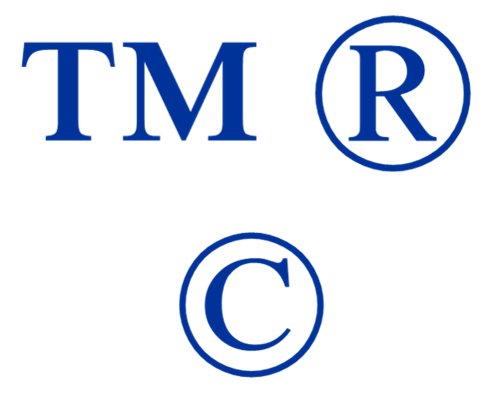
- Notice of a claim that © exists
- Patents 20yrs
- WHY?Prevent others from
- Using/manufacturing/distributing
- Registable IPs
- Patent
- Trademark
- Design
- Plant varieties protection
- Non- Registable
- Copyright
- Layout-designs
- Trade secrets/confidential info.
- Not known to public
- No time limit for production
- Limit access to trade secret and signing non-disclosure agreements can help to protect trade secrets
- No time limit for production
- Not known to public
- Geographic indications
- Identifies product from particular location --> gives quality/reputation
- WHAT?Ownership interest in creations of human mind for which rights are protected under law
- Intellectual property
The legal processes involved in IP
- IP Right --> When IP is protected by law, it gives rise to IP Rights
- IP law --> Gives legal rights to IP creators, allows them to control the use of IP
- IP infringement (An act that disregards an agreement or a right)
- One can exercise one’s rights by taking legal action against the infringing party, including seeking relief in the form of an injunction to stop the infringing action, demanding for the profits gained by the infringing party at his expense and/or, seeking damages for the loss suffered.
- IP Owner groups have the right to monitor and take legal action against plagiarism.
- One can exercise one’s rights by taking legal action against the infringing party, including seeking relief in the form of an injunction to stop the infringing action, demanding for the profits gained by the infringing party at his expense and/or, seeking damages for the loss suffered.
- IP Right --> When IP is protected by law, it gives rise to IP Rights
Imágenes y archivos del mapa
Información
- Descripción
- Mapa Mental sobre LM 4, creado por Keen el 10/01/2015.
- Creado por
- Keen
- Visitas
- 0
- Valoración