
Mapa mental
Emergencies and First Aid

Contenido del mapa
Emergencies and First Aid
Breathing Problems
- Definition: It's any respiratory problem that can threaten a person's life. It happens when air cannot travel freely and easily into the lungs.
- Examples: Choking, respiratory distress, and respiratory arrest
- Respiratory distress: A condition in which breathing becomes difficult and can lead to respiratory arrest, which occurs when breathing is stopped.
- Choking: A common breathing emergency that occurs when a person's airway is partially or completely blocked.
- Causes: Trying to swallow large pieces of poorly chewed food; Drinking alcohol during meals
- Signals: Coughing weakly, clutching throat with both hands, inability to cough and breathe, panic, losing consciousness, bluish skin color, etc.
- What to Do: If someone can breathe and make sounds, you should stand by and encourage them to cough. If he/she can't cough or make sounds, act quickly and follow the steps to help the person choking.
- Causes: Allergic reactions, heart attack, chronic conditions, poisoning, electrocution, and illness
- Symptoms: Deep, shallow breathing, gasping, moist skin, dizziness, shortness of breath, chest pain, flushed skin, etc.
- What to do: Call 911 and check if he/she is breathing by putting your cheek next to the person's nose. Loosen clothing and if necessary, begin CPR.
Allergic Reactions
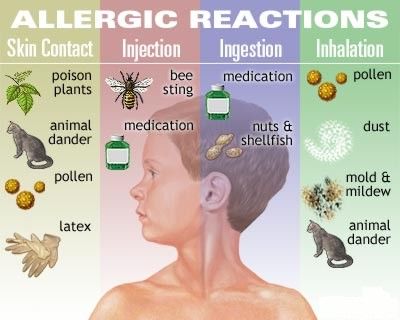
- Definition: The body's way of responding to a foreign substance
- Examples: Allergic reactions to food such as eggs, chocolate, and nuts, and also to insect bites or stings
- Causes: Could be inherited by a family member
- Mild Symptoms/Reactions: Stuffy nose, sneezing, eye and skin itchiness, rashes, and hives
- Severe Symptoms/ Reactions: Trouble breathing, tongue and face swelling, signs of shock
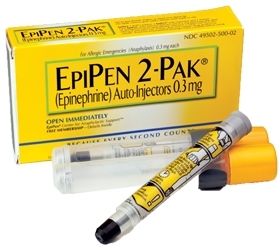
- What to do: First, make sure the scene is safe. Phone the emergency # and get first aid kit. If the person responds and has an epinephrine pen, help him get it and ask him to use it. If he can't use it, use the Epipen to give injection. Rub the injection spot for 10 seconds. Then, note the time of injection and see if the person needs CPR.
- Epinephrine Pen: A disposable, pre-filled automatic injection device that administers a chemical called apinephrine into the body.
Fainting
- Definition: Temporary loss of consciousness because of insufficient supply of blood and oxygen to the brain
- Causes: Standing up too fast, heart condition, receives bad news, standing in one position for too long, etc.
- Symptoms: Person is pale, person sweats, person becomes weak, person feels dizzy
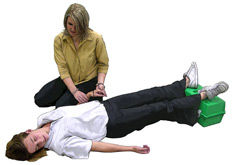
- What to do: Lower the person to the ground or other flat surface. Position him/her on his/her back. Then loosen tight clothing. Check that the person is breathing. Don't give the person anything to eat or drink. Finally, wait until help arrives.
Diabetes
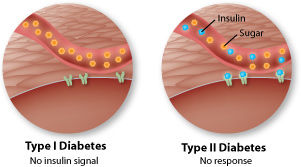
- Definition: Inability of the body to change sugar from food into energy
- Causes: Taken too much insulin, eaten too little, overexertion
- Symptoms: Change in behavior, sleepiness, hunger or thirst, dizziness, headache, sweating, pale skin, etc.
- What to do: If the person is conscious and able to swallow, give him/her something that contains sugar such as a fruit juice, regular soft drink, milk, and honey. Then, make him/her sit or lie down. Phone or have someone phone the emergency number.
Stroke
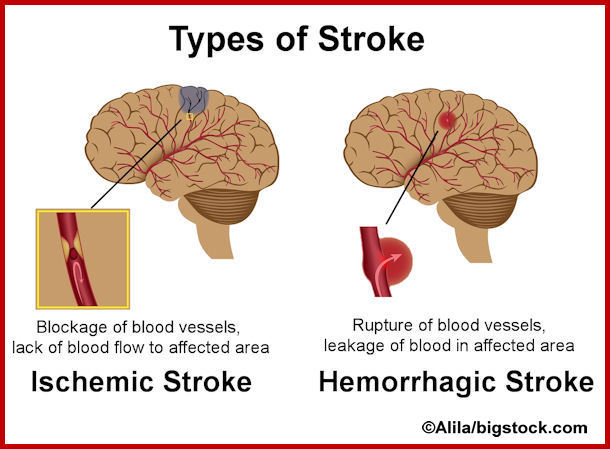
- Definition: It's a "brain attack" that's caused when blood flow to a part of the brain is cut off or when there is bleeding into the brain. There are two types: hemorrhagic and ischemic strokes.
- Risk Factors: High blood pressure, cigarette smoking, high cholesterol diet, and diabetes
- Symptoms: Face or arm numbness, facial droop or drooling, trouble speaking, blurred vision, loss of balance, incontinence, etc.
- What to do: For weakness and numbness in the face, ask the person to smile. For weakness or numbness in one arm, ask the person to rise both arms. For slurred speech, ask the person to repeat a simple phrase.
- Actions: First, make sure the scene is safe. Then phone the emergency number. After that, note the time when the signs of stroke first appeared. Finally, see if the person needs CPR. If so, do it.
Heart Attack
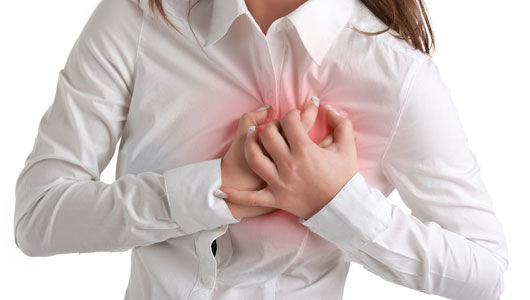
- Definition: The death of a segment of heart muscle caused by the loss of blood supply. Cardiovascular disease is the #1 killer in the U.S.
- Symptoms: Persistent pain that lasts longer than 3-5 minutes or comes and goes constantly; Pain in the middle and left side of the chest, one or both arms, shoulders, neck, or upper part of the stomach.
- Causes: Age, high blood cholesterol levels, angina illness, tightening of coronary artery
- What to do: Call emergency number immediately. Have the person stop what he's doing and rest comfortably. Then, loosen any tight clothing. Closely observe the person. Give aspirin if he/she has no allergy to it. Be preparaed to perform CPR.
Imágenes y archivos del mapa

Información
- Descripción
- Mapa Mental sobre Emergencies and First Aid, creado por alelopez2399 el 23/03/2015.
- Creado por
- alelopez2399
- Visitas
- 4
- Valoración