
Mapa mental
Organizational Objectives

Contenido del mapa
Organizational Objectives
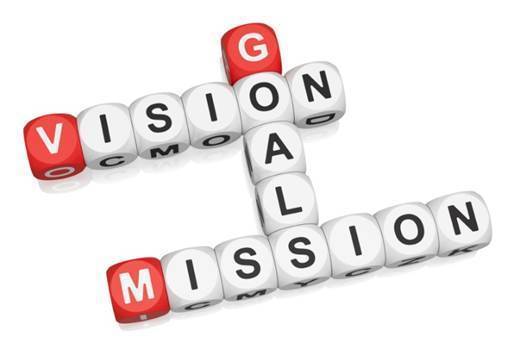
Vision
- Specifies the long term aspirations of a business; where it ultimately wants to be. It often describes how the organisation wants to be perceived. They aim to influence the consumers’ perception of the business.
- Aims
- Define the firm’s purpose and long-term goals, often expressed in the mission statement and form the vision.
- Aims
- Specifies the long term aspirations of a business; where it ultimately wants to be. It often describes how the organisation wants to be perceived. They aim to influence the consumers’ perception of the business.
Mission
- Specifies the aims and objectives of the business in the present. It describes the core activities of a business and it may include statements about moral or ethical issues, objectives about sales, profits or market share, or attitudes and values towards stakeholders like customers and workers.
- Objectives
- Types
- Strategic
- Medium to long-term objectives set by senior managers to guide the company in the right direction to achieve the aims.
- Survival
- Profit maximization
- Market share
- Market growth
- Corporate image
- Quality improvement
- Medium to long-term objectives set by senior managers to guide the company in the right direction to achieve the aims.
- Tactical
- Medium to short-term objectives set by middle managers to achieve the strategic objectives.
- Operational
- Day-to-day objectives set by floor managers so that the company can reach its tactical objectives.
- Team
- Individual
- Day-to-day objectives set by floor managers so that the company can reach its tactical objectives.
- Strategic
- Levels
- S
- Specific: should state clearly what you are trying to achieve.
- M
- Measurable: quantify an indicator of progress to judge if / when the objective has been achieved.
- A
- Achievable: must be achievable within the available resources and specify who will do it.
- R
- Relevant: must be useful to the overall process of achievement of your goal.
- T
- Time-specific: must conatin a time limit or time period the objective is to be achieved.
- S
- Changes
- Internal
- Negative
- Can provoke HR problems such as high staff turnover, lack of skills, reducing productivity, and low motivation; financial issues such as poor cash flow.
- Positive
- Should also lead to a review of business objectives. Talented employees need to be developed, unexpected revenues invested, new product ideas investigated.
- Negative
- External
- Radical changes are in response to a major change in the external environment, especially if the change undermines the competitive advantage or unique selling proposition (USP).
- It can be because of a new competition, changing technology, or unexpected economic recession, such as the “credit crunch” that started in 2008.
- Internal
- Types
- Objectives
- Specifies the aims and objectives of the business in the present. It describes the core activities of a business and it may include statements about moral or ethical issues, objectives about sales, profits or market share, or attitudes and values towards stakeholders like customers and workers.
Imágenes y archivos del mapa

Información
- Descripción
- Mapa Mental sobre Organizational Objectives, creado por Lady Abigail Leon Cruzado el 14/06/2020.
- Creado por
- Lady Abigail Leon Cruzado
- Visitas
- 8
- Etiquetas
- Valoración