
Mapa mental
Practical and Investigative Skills
Contenido del mapa
Practical and Investigative Skills
Pieces of Apparatus
- Burette
- Glass Pipette
- Condenser
- Syringe
- Funnel
- Beaker
- Conical Flask
- Dropping Funnel
- Round Bottom Flask
Seperation Techniques
- 3. Fractional Distillation
- 4. Seperating Funnel
- 5. Centrifuge
- 1. Filtration
- 2. Distillation
- 6. Magnetism
- 7. Crystallisation
- 8. Paper Chromatography
Planning an Investigation
- Step 1: PLANNING
- Figure out the AIM and PURPOSE of the experiment
- Use SCIENTIFIC KNOWLEDGE
- Make sure the experiment is SAFE
- PREDICTION: Make a simple statement about what you think is going to happen
- PREDICTION: Make a prediction based on numbers or possible graphs.
- Ensure that you have a clear and well thought out METHOD
- Step 2: EVIDENCE
- The results you obtain should be reliable and accurate. You should also know how to deal with anomalous results
- Reliability: repeated results that are very similar. REPEATED at least 3 times to calculate an average
- Accuracy:quality of apparatus and skill of the person measuring.
- Recording RESULTS
- Results should be recorded in a table including repeated results
- Results must be recorded and displayed in atable where the iNDEPENDENT variable is in the left column
- A seperate column to calculate the average should also be drawn and calculated at the end of the experiment and when all the anomalous results have been identified and disregarded
- The results you obtain should be reliable and accurate. You should also know how to deal with anomalous results
- Step 3: ANALYSIS
- After results are collected, a GRAPH should be drawn to clearly represent the results
- Use a sensible SCALE
- Independent variable on x-axis while dependent goes on the y-axis
- Included labels with UNITS for both axes
- Include a title
- Circle any ANOMALOUS results
- Draw a line of best fit following the general trend of the points plotted without anomalous results
- Come to a conclusion and state what the graph shows you and what you have found out. Relate back to your prediction
- After results are collected, a GRAPH should be drawn to clearly represent the results
- Step 4: EVALUATION
- This should involved commenting on how well the investigation went
- Evaluate how reliable and how accurate the results were
- Think about what improvements you could make eg. precision and validity.
- See how you could avoid the limitations you faced this time
- Take your work further
- Changing one or more reactants using the same method
- Using a different method eg. datalogger
- Obtaining a wider range of results to support your investigation
- This should involved commenting on how well the investigation went
- Step 1: PLANNING
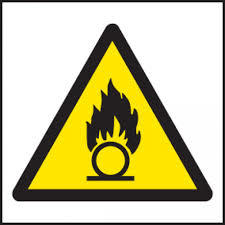
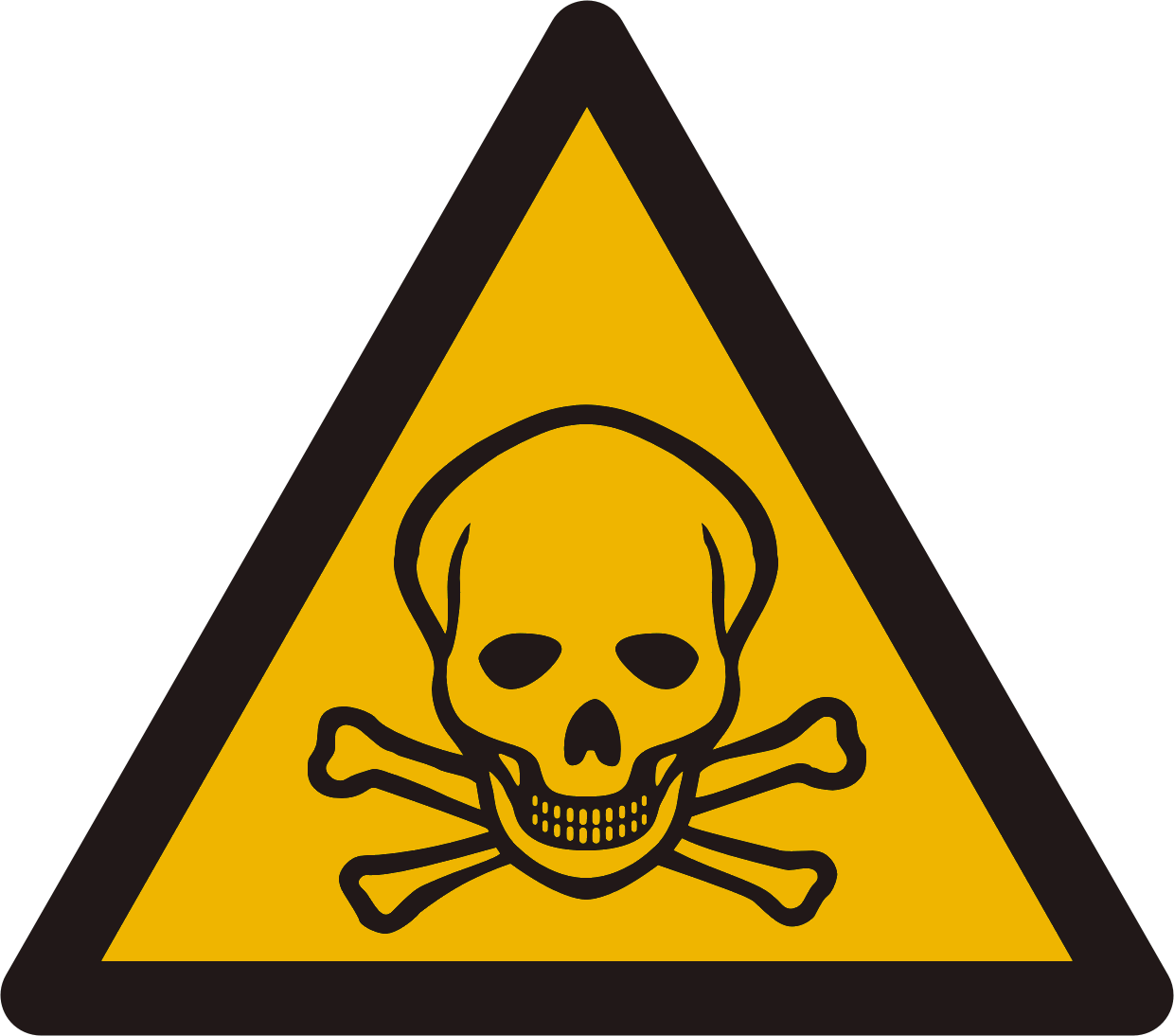
Hazard Symbols
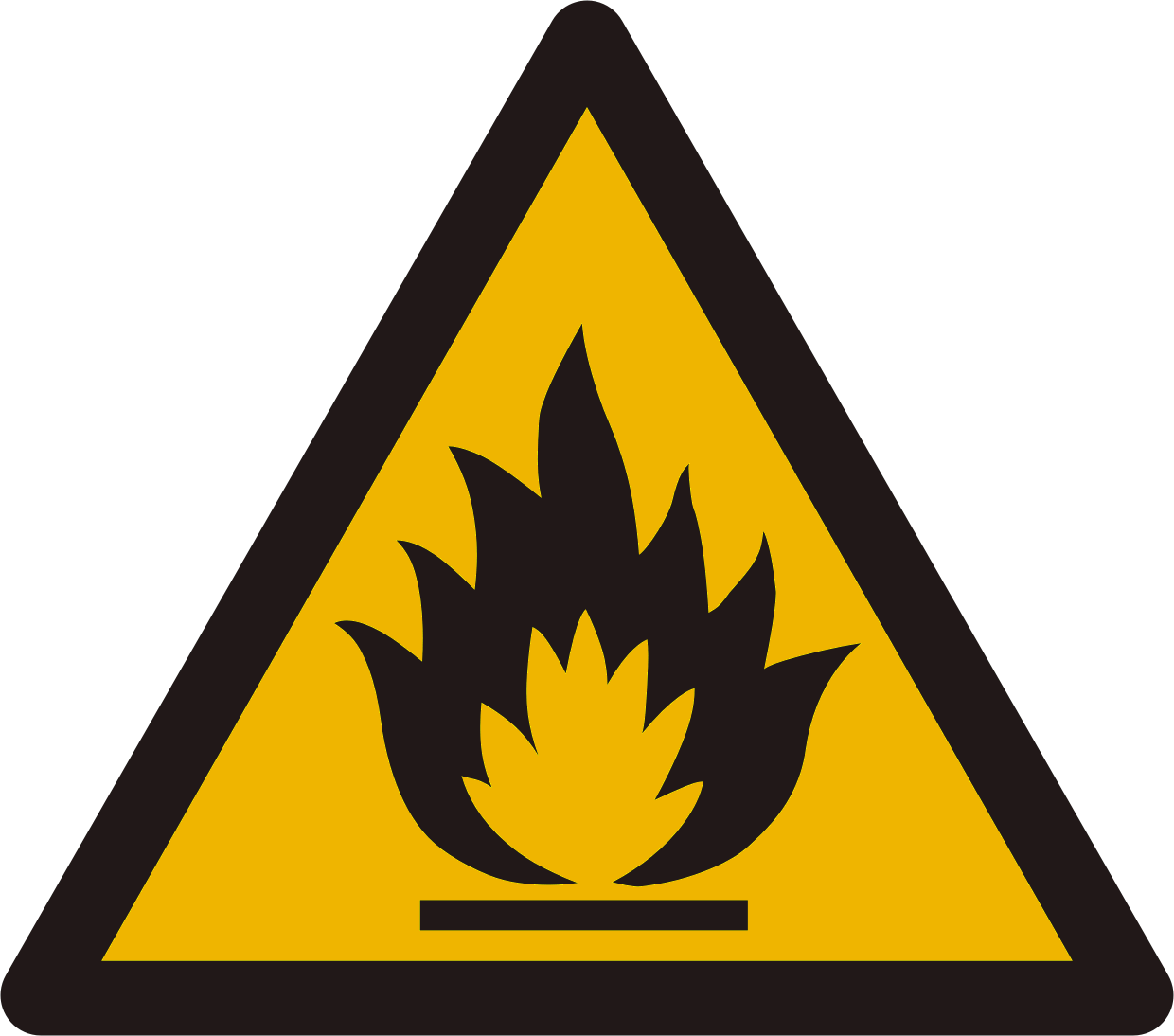
- Highly Flammable
- Toxic
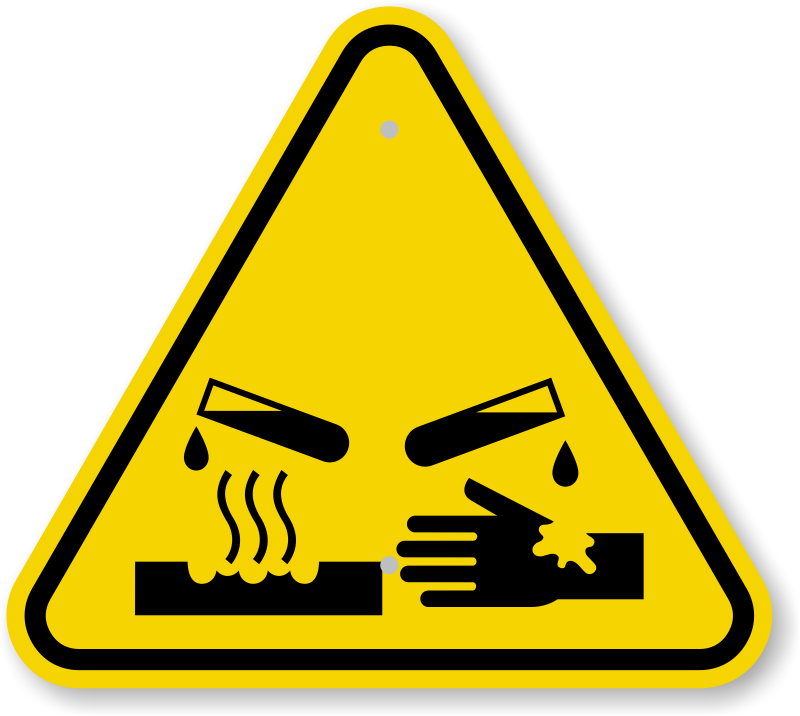
- Corrosive
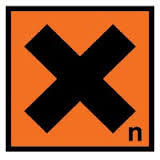
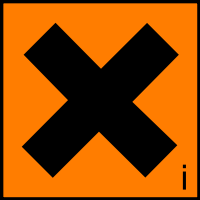
- Harmful
- Oxidising Agent
- Irritant
Imágenes y archivos del mapa
Información
- Descripción
- This is a mindmap of the notes we have on practical and investigative skills.
- Creado por
- Justine Moy
- Visitas
- 70
- Etiquetas
- Valoración