Mapa mental
Research-Based Principales for Designing Multimedia instruction

Contenido del mapa
Research-Based Principales for Designing Multimedia instruction
Overview Of Multimedia Instrution
- Words and Graffics
- Multimedia Principale
- Multimedia Instruction
- Illustration, animation or video
- Slideshow
- Educational Games
- Lessons
- Greatly improve students understanding
- Students
- Transfer Text
- Effective Instruction
- Examine principles
- Mayer
- Dual Channel Assumption
- Limited Capacity Assumption
- Active Processing Assumption
- Three Kinds of Processing
- Extraneous P.
- Reduce
- Essential P.
- Manage
- Generative P.
- Foster
- Extraneous P.
Reduce Extraneous Processing
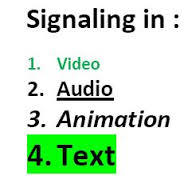
- SIgnaling Principle
- Organization of the essential material
- Arrows, flashing
- Low learners
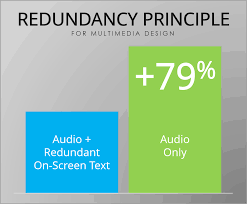
- Redundancy
- Graphics and Narration
- Narrated animation
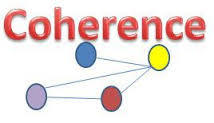
- Coherence Principle
- Focus on the essential material
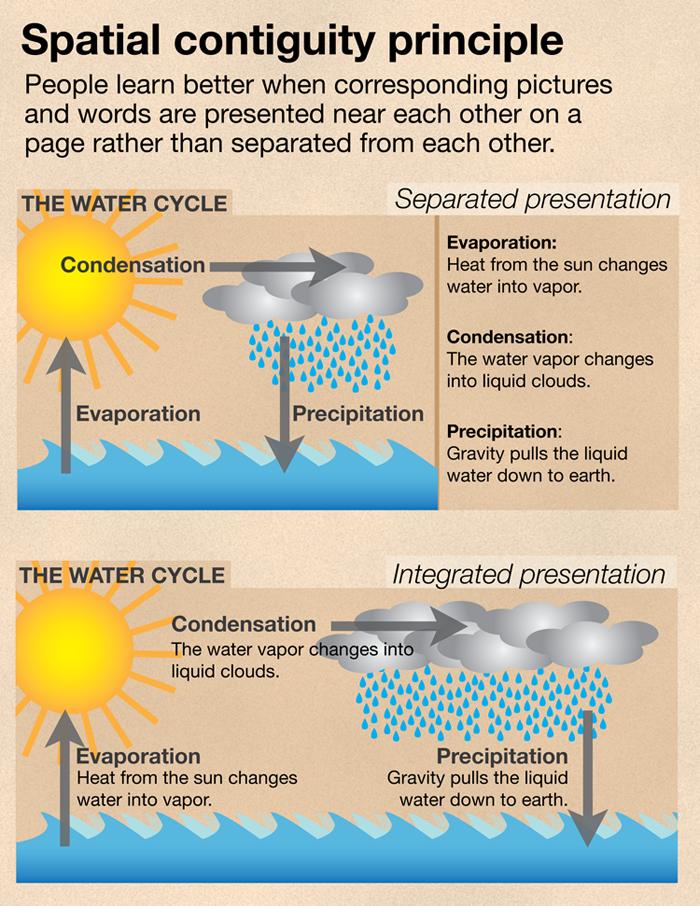
- Spatial Contiguity P.
- Printed Words
- Connections
- Meta-analysis
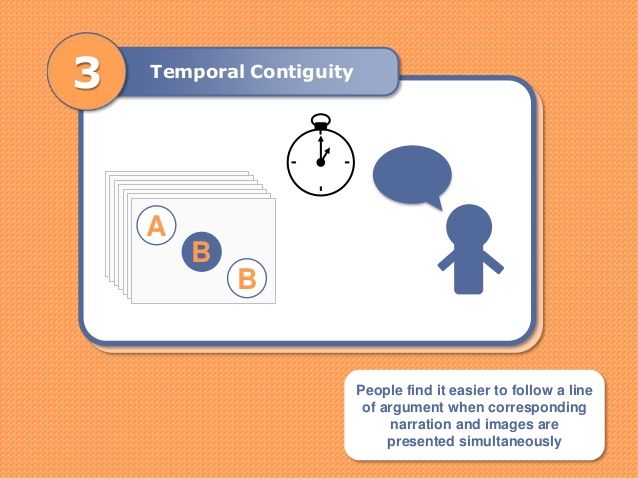
- Temporal Contiguity P.
- Graphics and Narration Simultaneously
- Lesson is system
- SIgnaling Principle
Manage Essential Processing
- Adress the instructional problem of essential overload
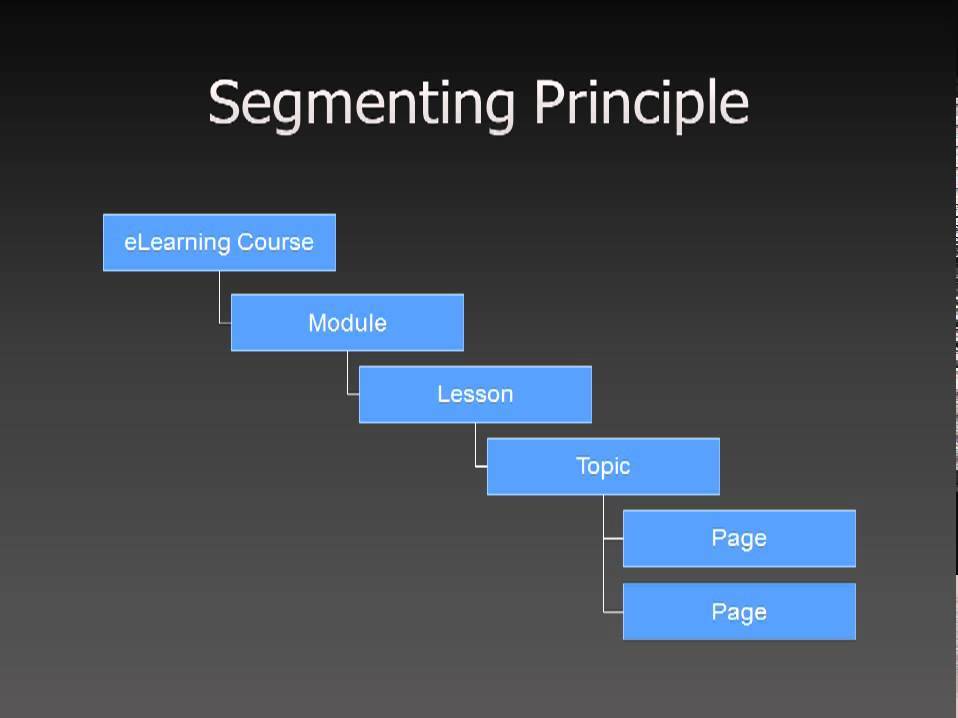
- Segmenting Principle
- Learner-paced segment
- Fully process one step
- Stronger effects for learners with low rather
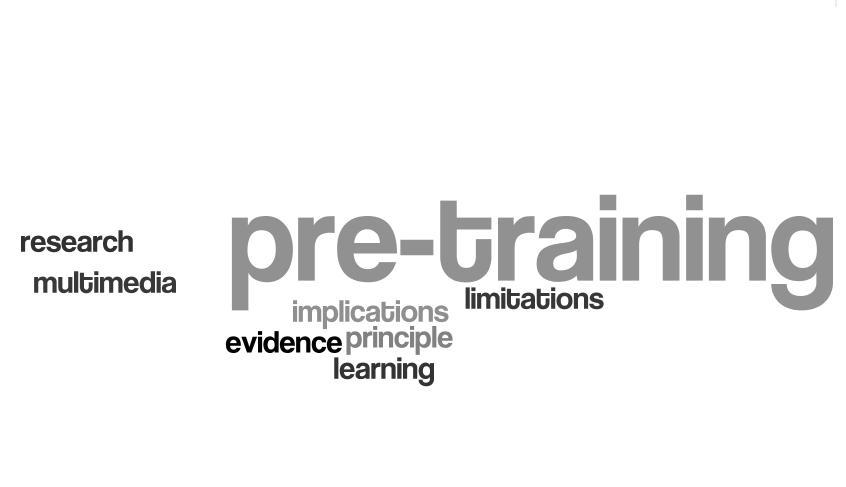
- Pre-training Principle
- Characteristics of the main concepts
- Key elements
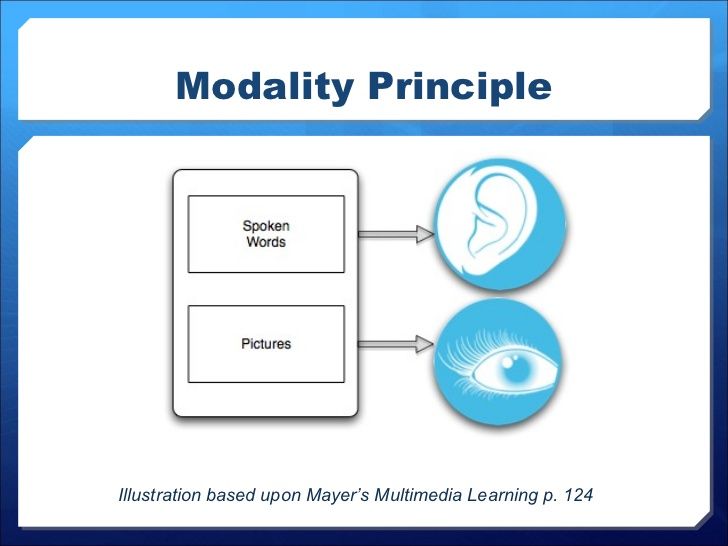
- Modality Principle
- Words are spoken
- Visual Channels
- Processing the animation
- Narrated animation
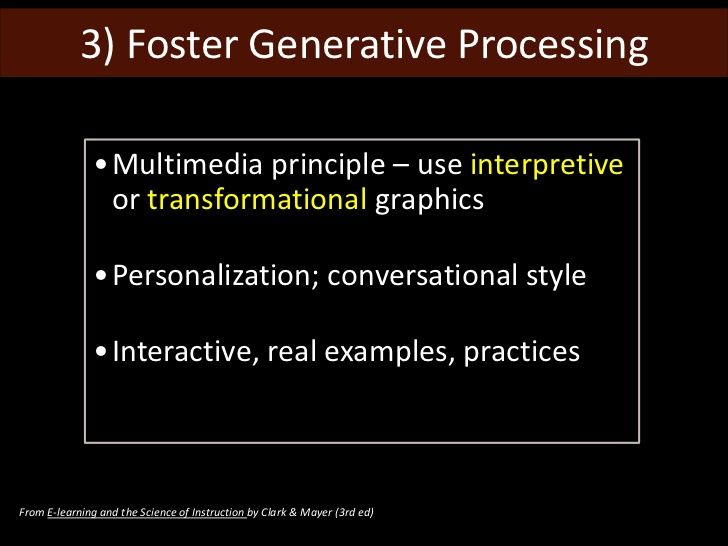
Foster Generative Processing
- Social Cues
- Motivation
- Sense of the material
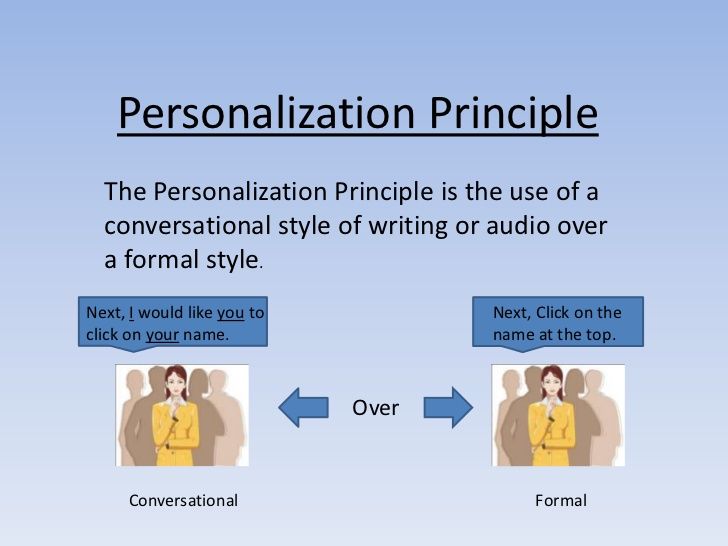
- Personalization Principle
- Conversational style
- Leading to Leading
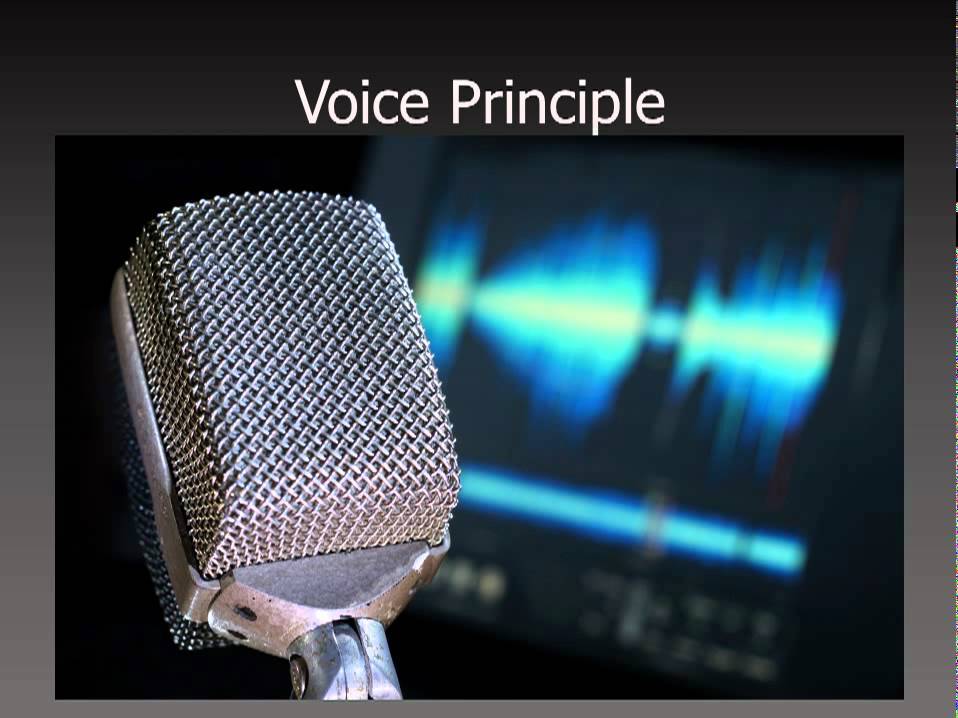
- Voice Principle
- Spoken in a human voice
- Social Presence in learners
- Embodiment Principle
- onscreen agents
- Gesturing, movements, facial expressions, eye contact
- Social presence with the instructor
- Image Principle
- Speaker's image on the screen
- Static image
- Distration
- Onscreen character
Practical Application of Design Principles Multimedia Instrucction
- Research and grounded in cognitive theory
- Boundary conditions
- Promising step
- institutional scenarios
- Printed materials
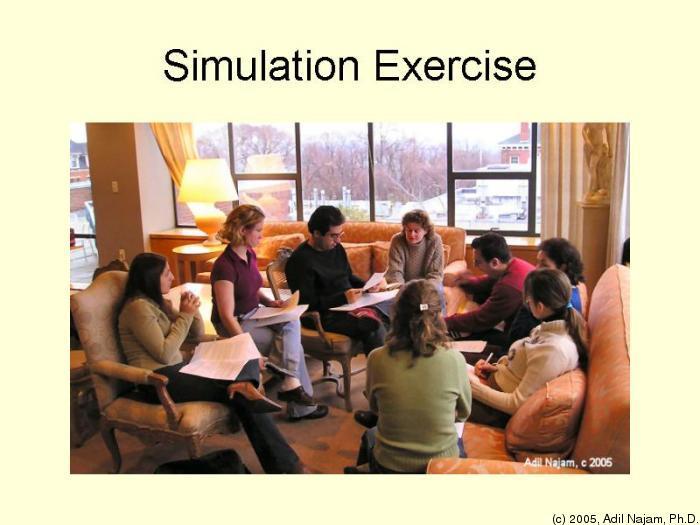
- Exercise and simulation