Mapa mental
Self Study Project: Intentional Teaching
Contenido del mapa
Self Study Project: Intentional Teaching
What components are necessary to form a successful lesson plan?
- Meet Individual Needs
- Assessments
- show where the student is according to standards
- measure the student's learning
- Running Records
- Teachers can see what the student is thinking when reading.
- strategic activity
- meaning
- structure
- visual
- errors
- self-correction rate
- strategic activity
- keep track of progress
- Teachers can see what the student is thinking when reading.
- Observation Survey
- concepts about print
- hearing sounds in words
- letter identification
- text reading
- writing vocabulary
- sight words
- Running Records
- The teacher should be aware of the class during the activity.
- take time for questions
- make sure everyone understands the assignment
- walk around the class while they are working
- repeat important instructions
- Documentation
- keeps track of a student's progress
- informs the teacher of how the student thinks and processes information
- Assessments
- reinforce previous learning
- ask questions
- relate it to other material
- integrated curriculum
- (examples)
- rereading books
- gain confidence
- better able to use the complex processes of reading
- taking words to fluency
- building sight words
- rereading books
- introduce new material
- explain in a way that the child understands
- engage interest
- (examples)
- new book
- interactive writing
- new vocabulary
- clapping syllables
- sound boxes
- moving by onset/rime
- relate to content standards
- Common Core
- formative assessments
- Meet Individual Needs
How does a teacher create an environment that promotes learning?
- feelings of respect
- Children have choices.
- choose their own books
- choose which center to join
- partipate in creating class rules and punishments
- share time
- group discussion
- diversity
- Children have choices.
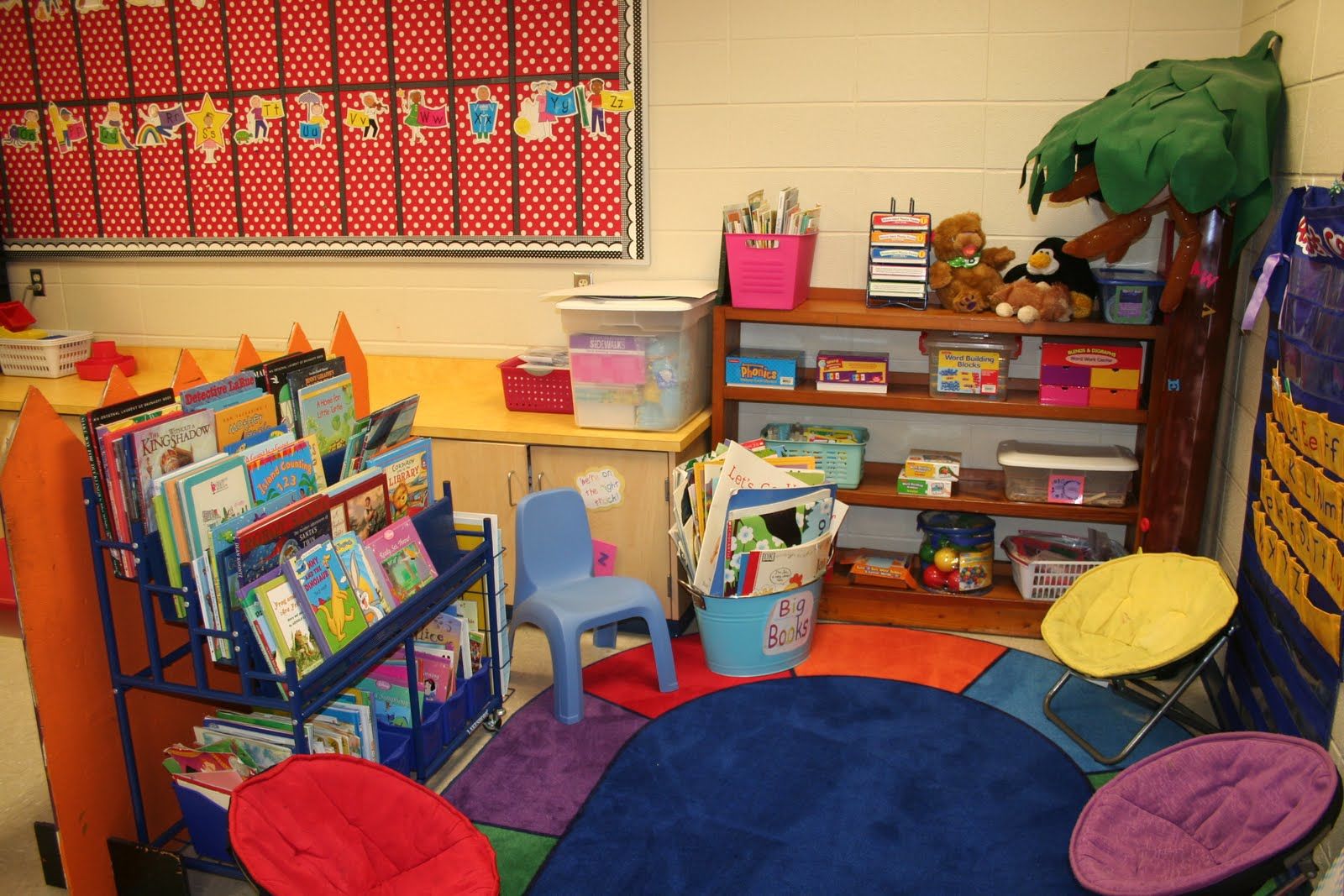
- physical environment
- display students' work
- documentation
- important features
- literacy center
- wide variety of books to appeal to the child's interests
- science station
- sensory table
- block center
- art supplies
- manipulatives
- dramatic play area
- literacy center
- child-sized furniture
- room layout
- natural divider between activities
- easy to supervise entire room
- discourages running and uncontrolled movements
- display students' work
- positive atmosphere
- cares about students
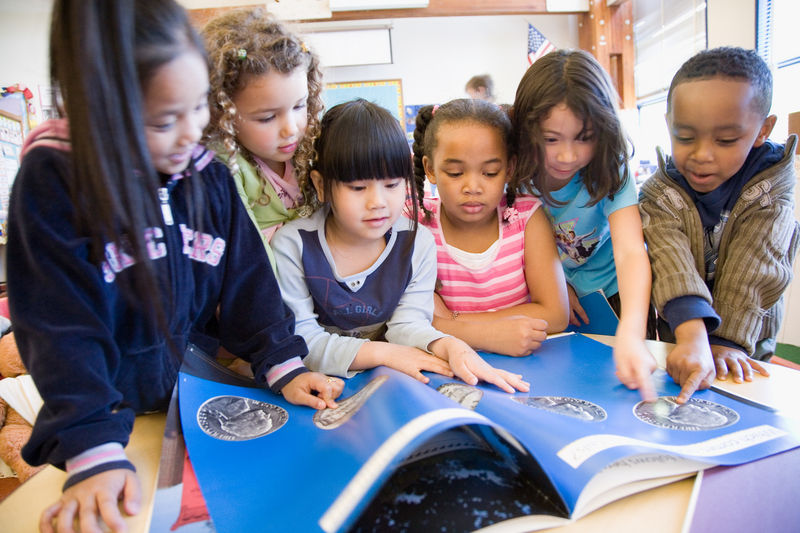
- students learn to work and play with each other
- community of learners
- reading groups
- group work
- develop friendships
- community of learners
- listen to students
- show interest in their personal lives
- Conversations help build oral language skills.
- feelings of respect
What is the best way to address diversity and teach about various cultural differences?
- be aware of differences in the classroom
- Give students the opportunity to share about their cultural/familial differences.
- Students can write in their journal stories that reveal more about their culture and their families' values.
- Students can make work that reflect the diversity in the classroom. This can be hung around the room.
- second language learners
- be compassionate and understanding
- provide extra assistance as needed
- trouble areas
- reading
- phonemic awareness
- pronunication
- meaning cues
- writing
- vocabulary
- reading
- Be aware of how they are interacting socially with other peers.
- trouble areas
- Make sure they know that being able to speak two languages is a really cool skill. They should not feel ashamed that English is not their first language.
- teach about other cultures
- books
- Classroom books should include a wide variety of characters from different races, cultures, economic statuses, and disabilities.
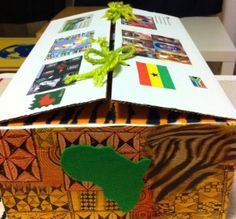
- artifacts
- Have a "country box" that contains books, clothes, tools, etc. that represent a country. Focus on a new country every month.
- Allow people from the community to come share about their culture.
- teach a different language in the classroom
- books
- Be aware of variations of diversity in the classroom so that the teacher always acts in respectful ways and shows no bias or prejudice.
- be aware of differences in the classroom