
Mapa mental
Antimicrobial usage
Contenido del mapa
Antimicrobial usage
Genetic components of bacteria and their interactions
- Plasmids
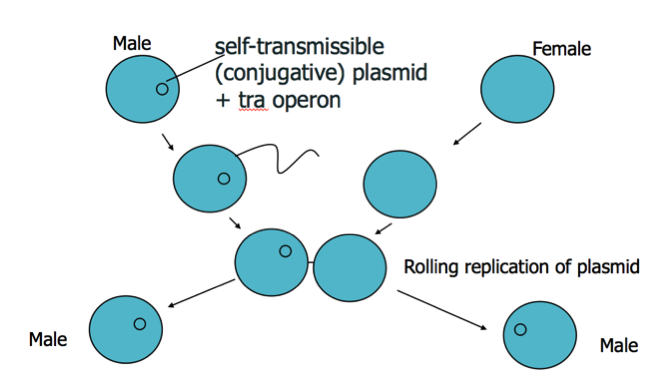
- Conjugation
- Bacterial mating - transfer of plasmid
- Plasmid transferred through pillus
- Quick spread of antibiotic resistance
- Occurs often in enterobacteriaceae
- Extra-chomosomal circular DNA
- Easily transmissible between bacteria
- Independent replication
- Use host cell machinery
- Usually auxiliary genes, addiction mechanisms exist
- Types of plasmid
- Resistance
- Virulence
- Colicin
- Fertility
- Degradative
- >1 type per cell
- Often v high copy no.s
- Are essentially parasitic
- Energy burden on cell
- Conjugation
- Plasmids
Linkage of resistance
- Plasmid can carry resistance to 2 or more antibiotics
- Usage of one selects resistance to the other
- e.g. tetracycline and cephalosporins
- Beta lactamase production
- Tetracycline resistance often carried on a plasmid
- Pump to pump drug out of cell
- Unable to reach effective concentration
- Pump to pump drug out of cell
- Stop use of cephalosporins, but continue with tetracycline
- Selection pressure still there, plasmid will persist
- e.g. tetracycline and cephalosporins
- Difficult to lower levels of resistance to an antibiotic by stopping usage without knowing underlying molecular biology
- Usage of one selects resistance to the other
- Streptomycin
- Mutation of target
- Not carried on a plasmid
- Mutation of target
- Complete absence of plasmid in cell - replicates faster
- Absence of selection pressure
- Bacteria without plasmids outcompete those with plasmids
- Best treatment of animal
- Understand metagenome
- Whole population
- Switch from antibiotic with plasmid-borne resistance to one with chromosomal resistance
- Target ribosomes
- Plasmids will drop out as they are of no benefit with streptomycin selective pressure
- Understand metagenome
- Clinical audit
- Is there an alternative?
- e.g. Chloramphenicol?
- Is there an alternative?
- Rotate antibiotic usage
- WHO suggestion to stop cephalosporin usage
- Examples of resistance
- Cross-resistance
- Detection
- Culture more bacteria
- Too much data
- Look at complete bacterial flora
- Wait for treatment failure
- Process of elimination of antibiotics
- Change antibiotics and let resistance decline in the population
- Need to switch to an equally efficacious drug, otherwise farmers won’t comply with non-usage
- Culture more bacteria
- Detection
- Disc tests
- PCR not useful
- Prone to false -ves
- Need understanding of ecology of individual species
- End up selecting for resistant bacteria
- Proteomics
- Mass spectrometry
- Total protein population
- Still in its infancy as a technique
- Extended Spectrum Beta Lactamases (ESBLs)
- Produced by enterobacteria
- Secreted - so will target penicillins/cephalosporins used to target eg MRSA
- Produced by non-target species
- Protective resistance
- Use clavulanic acid in combination
- Inhibits beta lactamases
- Cross-resistance
- Plasmid can carry resistance to 2 or more antibiotics
Treatment strategies
- Don't use unneccessarily
- BUT
- Too little antibiotic will encourage maintenance of resistance as immune system will not have time to clear infection
- Low dose
- Short course
- Can't just give ever higher doses due to side effects
- Too little antibiotic will encourage maintenance of resistance as immune system will not have time to clear infection
- Too frequently may encourage resistance
- Propagation of infection
- BUT
- Increase dose enough to overcome resistant bacteria
- Bacteria are just resistant to dosing levels that are currently available – they will not be resistant to far higher drug levels
- Increase duration?
- Resistance only occurs up to a threshold
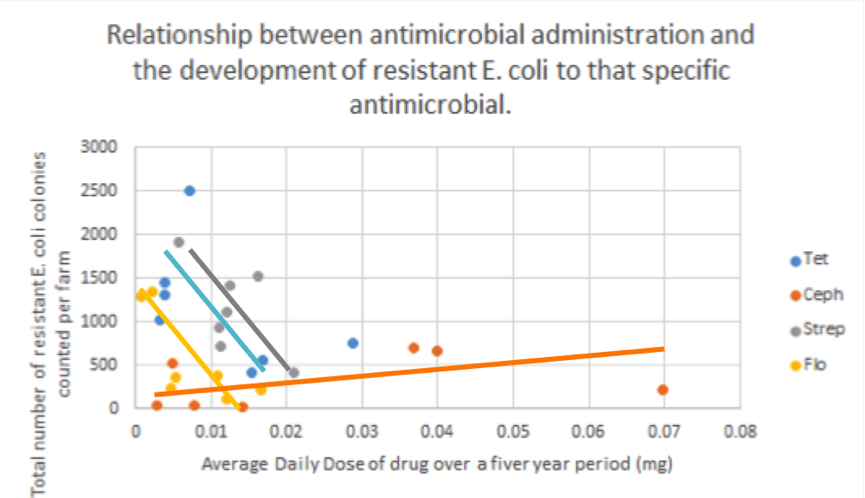
- Generally, increase dose, decrease resistance
- BUT cephalosporin – increase the dose, increase the resistance (only slightly)
- Don't use often, but use of tetracycline means that this has persisted
- BUT cephalosporin – increase the dose, increase the resistance (only slightly)
- Generally, increase dose, decrease resistance
- Therapeutic dose
- Level of CTA needed for clinical treatment of an infection in a specific host
- Toxic dose
- Level of the same CTA which is too toxic for use in that host
- Toxic dose / Therapeutic dose = Therapeutic index
- High index - selectively toxic; useful
- Low index - toxic to host; side effects
- Can we deliver antibiotic more directly?
- Can start repurposing and reusing antibiotics
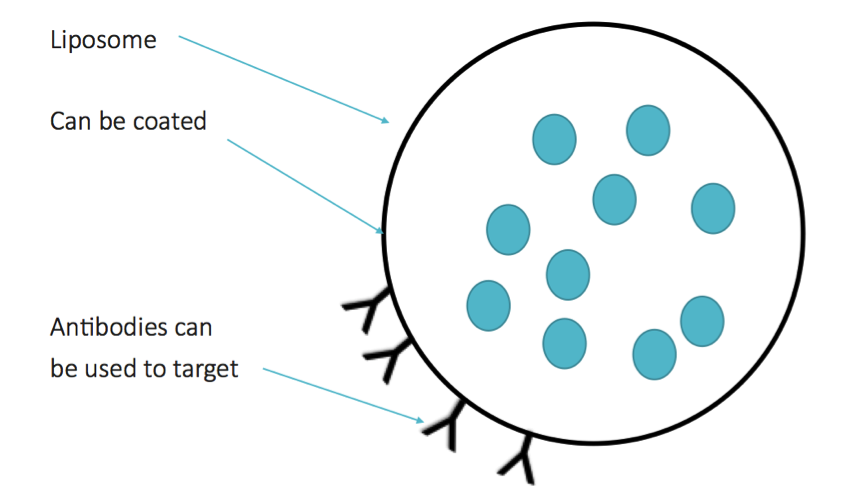
- Antibiotic encapsulation
- e.g. very resistant strain of TB – can’t get drug dosage high enough systemically to treat without killing the host
- Targeted treatment
- Remember ecology and target
- Remember what individual antibiotics do
- e.g. metronidazole inhibits anaerobic respiration
- Will kill eneterobacteria in gut
- Will not kill then once they have left the intestine
- Wound infections and sepsis
- No longer an anaerobic environment
- Are now respiring aerobically, anaerobic pathways are no longer being used – targeting these is now futile
- Penicillins only kill actively dividing bacteria
- No effect on chronic infections
- e.g. metronidazole inhibits anaerobic respiration
- Remember what individual antibiotics do
- Don't use unneccessarily
Imágenes y archivos del mapa
Información
- Descripción
- BVSc3 (Antimicrobial Use) AD2 Mapa Mental sobre Antimicrobial usage, creado por Jess Pope el 22/12/2016.
- Creado por
- Jess Pope
- Visitas
- 1
- Valoración