
Mapa mental
I always Feel Tired
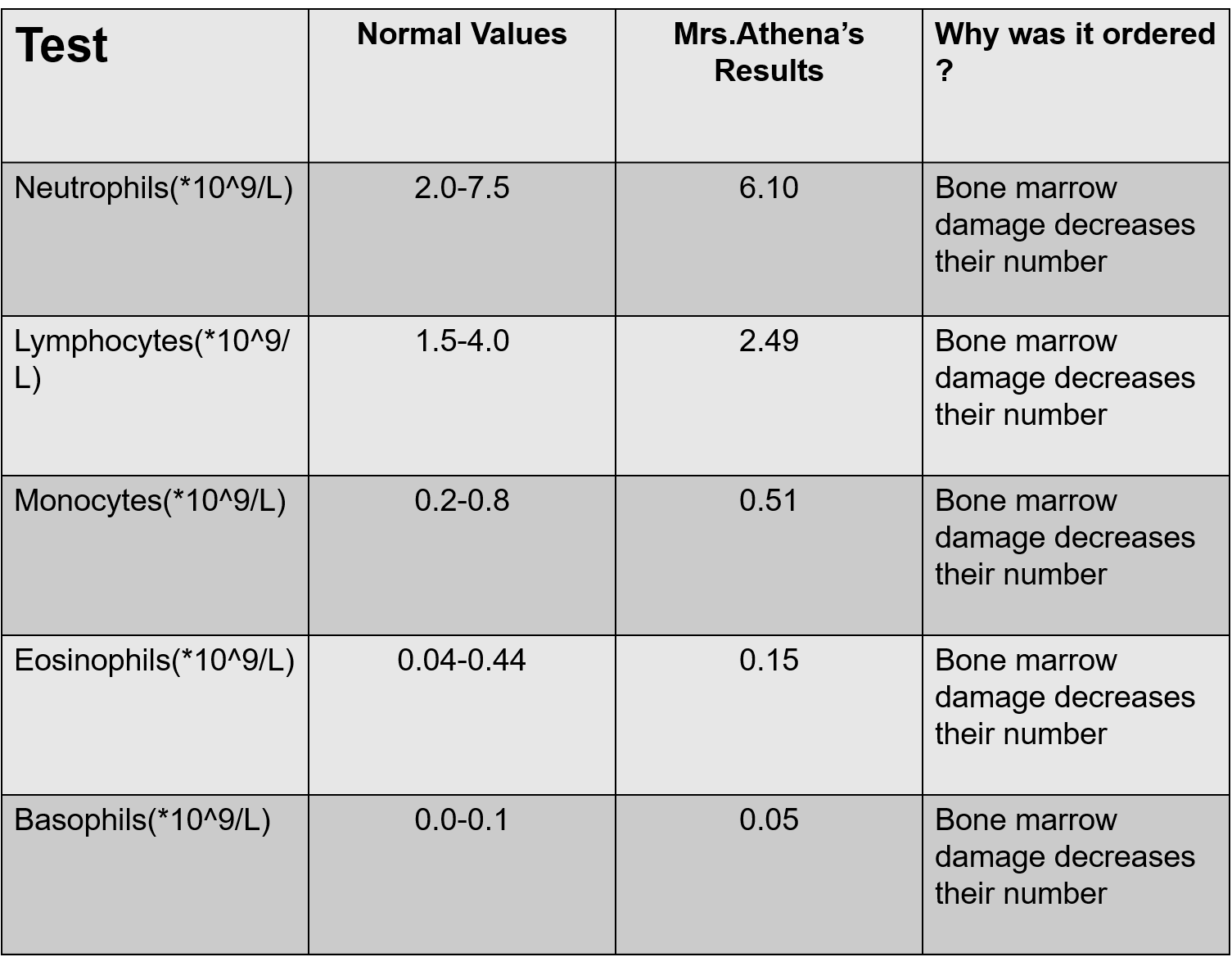
Contenido del mapa
I always Feel Tired
Causes of generalized dyspnea
- Acute coronary syndrome
- Congestive heart failure
- Chronic obstructive pulmonary disease
- Asthma
- Pneumothorax
- Pneumonia
- Pulmonary embolism
- History Taking
- Onset, duration and progress
- Trauma?
- Age & sex
- (different Hb levels)
- Associated symptoms
- (pain? bleeding? ulcer? cancer?)
- Occupation
- Family history
- (thalassemia?)
- History of chronic illness
- What to ask a patient when he complains of tiredness and dyspnea
- Previous CBC
- history of gastrointestinal
- (Abdominal pain , consumption )
- Changes in body weight
- Changes in bowel habits
- any complains of Abnormal urine color
- (renal and hepatic disease )
- Diet
- deficiency of (Iron,B2,Folate)
- Drug ingestion
- NSAIDS
- Onset, duration and progress
- Investigations done
- Blood Investigations
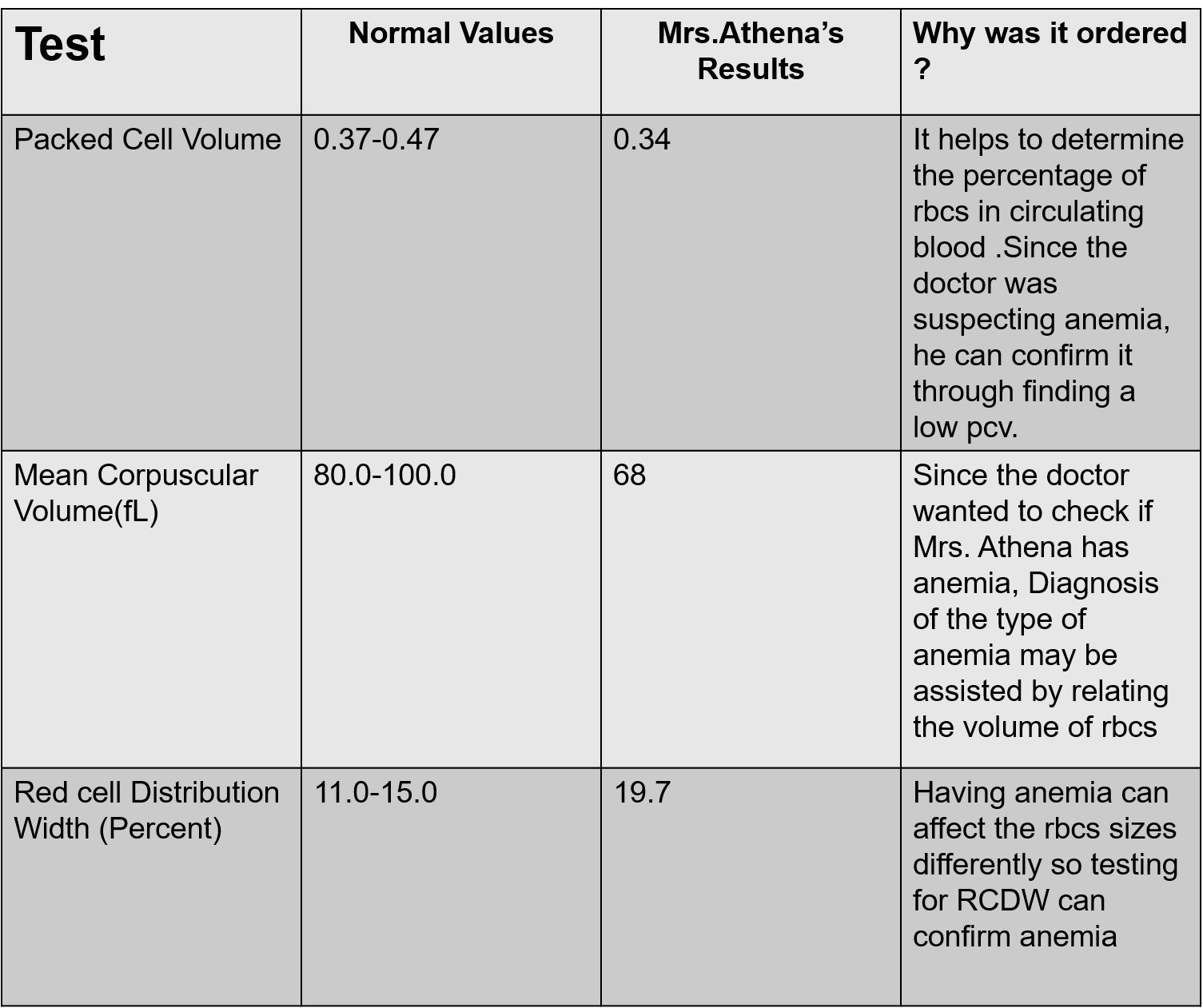
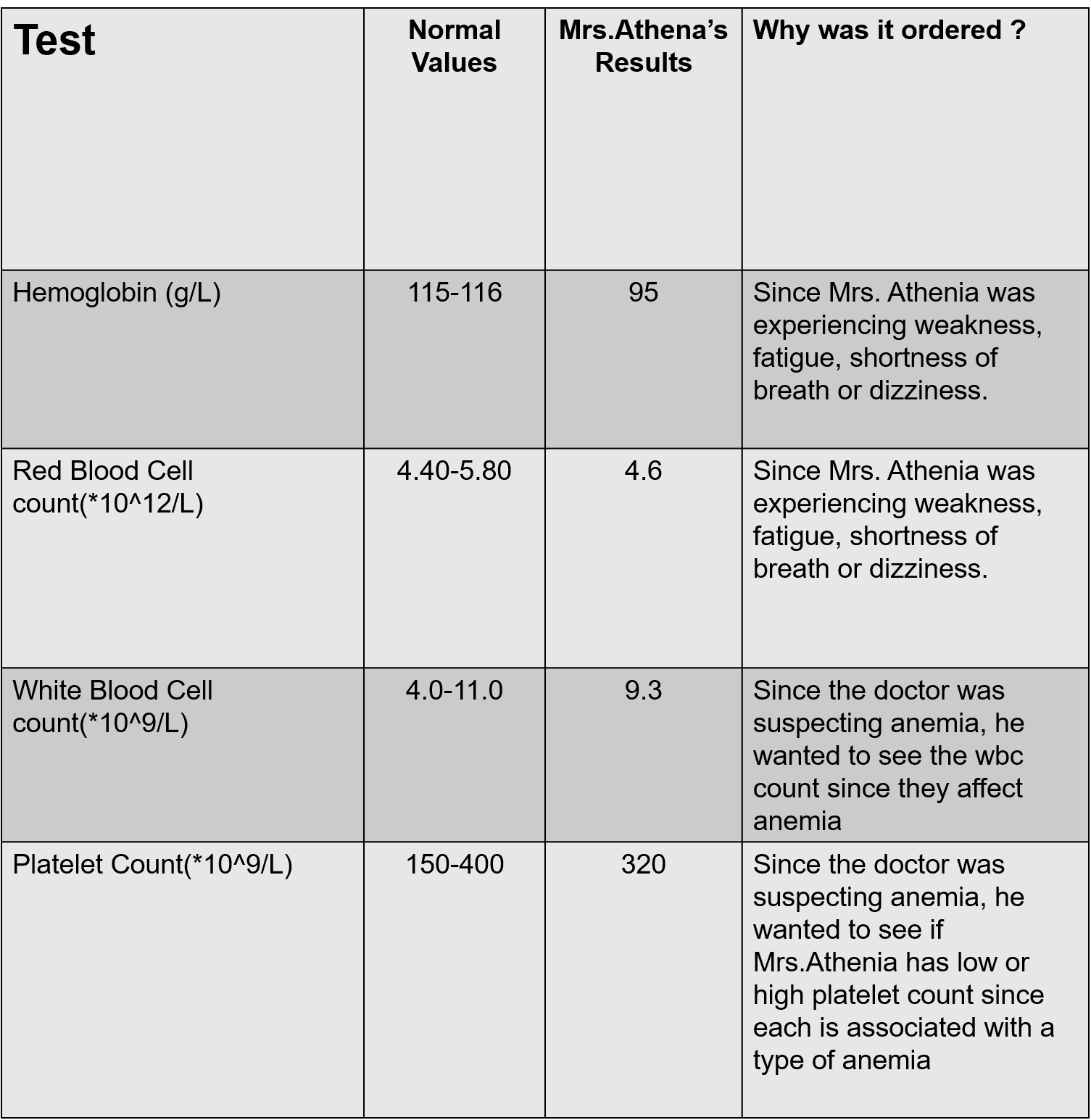
- CBC
- Hb
- A hemoglobin test measures the amount of hemoglobin in blood
- Hematocrit
- The ratio of the volume of red blood cells to the total volume of blood.
- RBC count
- measure the number of red blood cells (RBCs) in the blood
- RBC indices
- MCV
- Mean corpuscular volume (MCV) is the average volume of red cells.
- MCH
- mean corpuscular hemoglobin (MCH) is the average mass of hemoglobin per red blood cell in a sample of blood.
- MCHC
- Mean corpuscular hemoglobin concentration, a measure of the concentration of haemoglobin in a given volume of packed red blood cells
- MCV
- WBC count
- measure the number of white blood cells (WBCs) in the blood.
- Platelet count
- a lab test to measure how many platelets are in blood
- Peripheral blood film
- Assessing red cell size
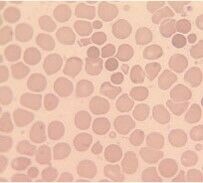
- Microcytosis
- If red cells are smaller than normal
- MCV 62 fl.
- Macrocytosis
- If red cells are bigger than normal
- MCV 105 fl
- Normocytosis
- Normal RBC size
- Anisocytosis
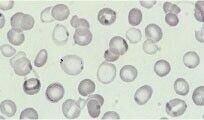
- If red cells show greater variation in size than normal the blood film is said to show
- Severe anisocytosis; the MCV was 133 fl but the macrocytosis is not uniform
- Microcytosis
- Assessing red cell shape
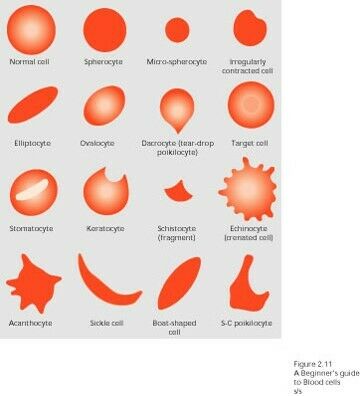
- Poikilocytosis
- If red cells show more than the normal degree of variation in red cell shape there is said to be poikilocytosis .
- Severe poikilocytosis; cells vary considerably in shape but no single shape dominates.
- Individual cells of a particular shape have names that identify them.Diagrammatic representation of different types of poikilocyte
- Severe poikilocytosis; cells vary considerably in shape but no single shape dominates.
- If red cells show more than the normal degree of variation in red cell shape there is said to be poikilocytosis .
- Poikilocytosis
- Assessing red cell colour
- Hypochromia
- Cells that have an area of central pallor more than a third of the diameter of the cell are said to be hypochromic
- Hyperchromia
- more highly colored than normal
- normochromic
- Normal red cells are reddish-brown with approximately the central third to quarter of the cell being paler.
- Anisochromasia
- Cells which show a greater than normal variation in the degree of haemoglobinization are said to show anisochromasia
- Polychromasia
- Red cells that have a blue or lilac tinge are said to show polychromasia (‘many colours’) are young cells, newly released from the bone marrow
- Hypochromia
- Assessing red cell size
- Hb
- Iron studies
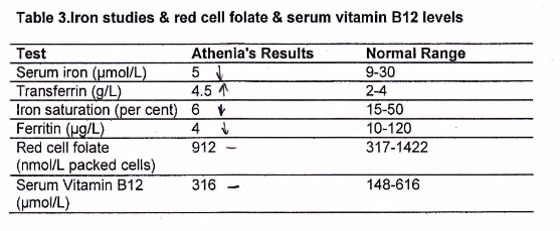
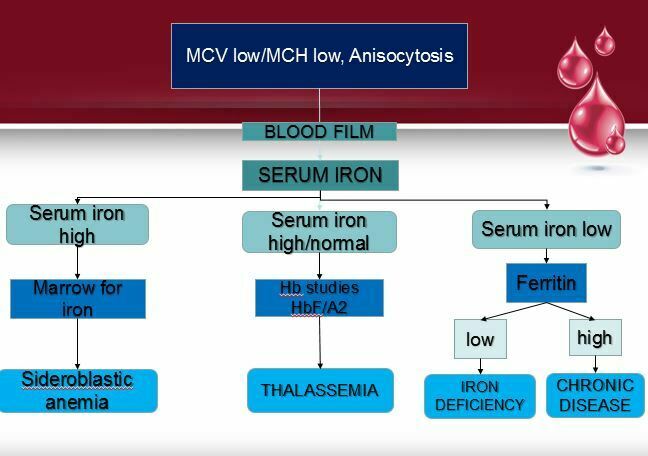
- Serum iron
- Measures amount of iron bound to transferrin.
- HIGH/NORMAL
- Liver disease, sideroblastic anemia, iron overload, hemochromatosis, Thalassemia, Vit B12 deficiency
- LOW
- Iron-deficiency, Anemia of chronic disease
- HIGH/NORMAL
- Male (87-150µg/dL) Female(72-130 µg/dL)
- Measures amount of iron bound to transferrin.
- Total iron-binding capacity
- (240-450 ug/dL) Transferrin(2-4g/L)
- High
- Fe deficiency
- low
- Thalassemia, hemolytic anemia, sideroplastic , anemia of chronic infections
- High
- TIBC measures how well transferrin transports iron.
- (240-450 ug/dL) Transferrin(2-4g/L)
- Ferritin
- major iron storage protein
- Reflects body iron stores
- high/ normal
- Hemochromatosis(Fe overload) Chronic disease
- high/ normal
- Reflects body iron stores
- Males( 30-400 ug/L) Females(13-150 ug/L)
- major iron storage protein
- Serum iron
- CBC
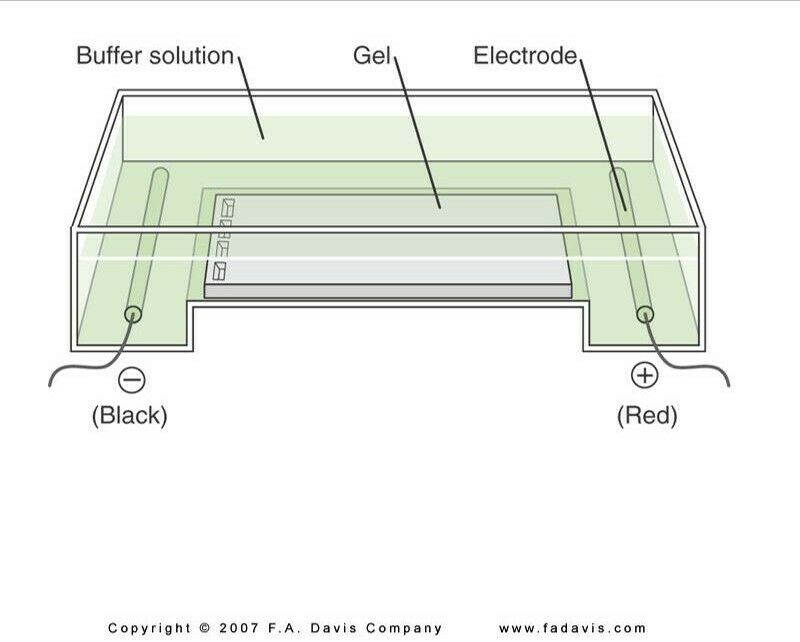
- Gel Electrophoresis
- is the movement of molecules by an electric current.
- Equipments
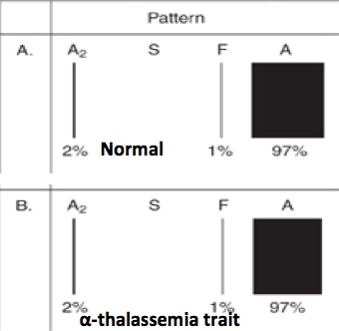
- α-Thalassemia trait
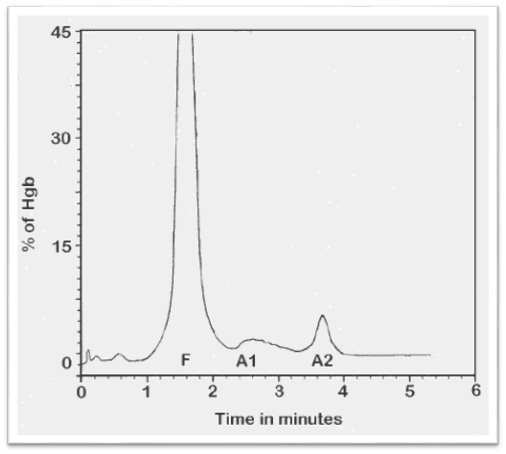
- Beta thalassemia major
- both genes are beta-0
- absence of hemoglobin A
- about 5 to 10% Hb A2
- and over 90% Hb F
- Co-inheritance of genetic factors :increasing g-chain production γ-chains will combine with excess chains resulting in high HbF.
- absence of hemoglobin A
- both genes are beta-0
- Beta-thalassemia Minor
- Hb A: 83.6% Hb A2: 6.2% Hb F: 1.1%
- Gel electrophoresis is a laboratory method used to separate mixtures of DNA, RNA, or proteins according to molecular size.
- Equipments
- is the movement of molecules by an electric current.
- Stool Analysis
- Guaiac – Based ( hemoccult) test
- Guaiac is a colorless compound that turns blue on exposure to hemoglobin
- Sensitive for detecting hemoglobin in stool
- Guaiac is a colorless compound that turns blue on exposure to hemoglobin
- Positive for occult blood
- Peptic ulcer disease (gastric ulcers)
- group of medications known as NSAIDs Ulcers that bleed slowly doesn’t show symptoms and by time the person be anemic.
- infection with Helicobacter pylori
- Angiodysplaslia(colon)
- Its related to aging and breakdown of blood vessels And the most common is vascular abnormality. the bleeding occurs in the right colon usually.
- Esophageal varices
- abnormal, enlarged veins in the esophgus
- colorectal cancer
- Tumor enlarge, ulceration and hemorrhage
- Crohn’s disease
- inflammation of any part of the GI Tract usually the proixmal part. The cause is unknown.
- Diverticular Disease
- occurs when pouches (diverticula ) that have developed in the wall of the large intestine (colon) bleed. This condition is called:diverticulosis.
- Iron Deficiency anemia
- One of its symptoms: Dark, tar-colored stools or blood in the stool.
- Symptoms
- Angular cheilitis
- Pika
- Glossitis
- Treatment
- Pharmacological
- ferrous sulphate, taken orally two or three times a day.
- side effects
- nausea /sickness abdominal pain heartburn constipation diarrhoea / black stools
- check-up two to four weeks after the patient has started taking iron supplements to assess how well he has responded to the treatment.
- side effects
- ferrous sulphate, taken orally two or three times a day.
- Nonpharmacological
- Dietary advice
- Eat
- watercress and curly kale
- iron-fortified cereals
- wholegrain
- beans
- meat
- nuts
- Apricots
- prunes
- raisins
- Avoid
- Tea and coffee
- Calcium, found in dietary products
- antacids
- Proton pump inhibitors
- Whole grain cereals
- Eat
- Dietary advice
- Pharmacological
- Complications
- Heart problems.
- Problems during pregnancy.
- Growth problems
- Divecular bleeding
- Large amount of blood appears in stool.
- Peptic ulcer disease (gastric ulcers)
- Guaiac – Based ( hemoccult) test
- Blood Investigations
Anemia
- An RBC consists of
- Hemoglobin
- Heme
- Iron
- any problem causes
- Iron deficiency anemia
- any problem causes
- Porphyrin
- any problem causes
- Sideroblastic anemia
- any problem causes
- Iron
- Globin
- Any problem with it leads to
- Thalassemia
- Sickle cell anemia
- Any problem with it leads to
- Heme
- Other problems relating to RBCS
- Maturation
- Megaloblastic anemia
- Structure
- Hereditary spherocytosis
- Anemia of chronic disease
- Hemolytic anemia
- Number
- Immune hemolytic anemia
- RBC trauma:
- Mechanical heart valves breaking RBC’s
- MICROANGIOPATHIES: Hemolytic Uremic Syndrome
- Hemolytic anemia due to G6PD deficiency
- Parasitic hemolysis.
- Maturation
- According to the MCV of the rbc, anemia can be classified to
- Microcytic
- MCV<80 fl
- Iron deficiency
- Anemia of chronic disease (some cases)
- Sideroblastic anemia
- MCV<80 fl
- Normocytic
- MCV 80-100 fl
- Many haemolytic anaemias
- Anemia of chronic disease (some cases)
- After acute blood loss
- Renal disease
- BM failure, post chemotherapy, infiltration by CA
- Macrocytic
- MCV>100 fl
- Megaloblastic:Vitamin B12, or Folate deficiency
- Non-megaloblastic: alcohol, liver disease, aplastic anaemia
- Microcytic
- Hemoglobin
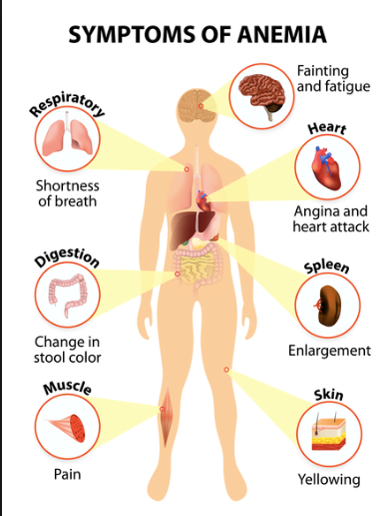
- Anemia symptoms
- a condition in which there is a deficiency of red cells or of haemoglobin in the blood, resulting in pallor and weariness.
- Insufficient oxygen transport
- Tissue hypoxia
- Brain
- somnolence and fatigue
- Heart
- Chest pain
- Angina
- heart attack
- Lung
- Dyspnea and low respiratory reserve
- Skeletal muscles
- Weakness and fatigue
- Brain
- Tissue hypoxia
- Insufficient oxygen transport
- An RBC consists of
Life Span of Red Blood Cells
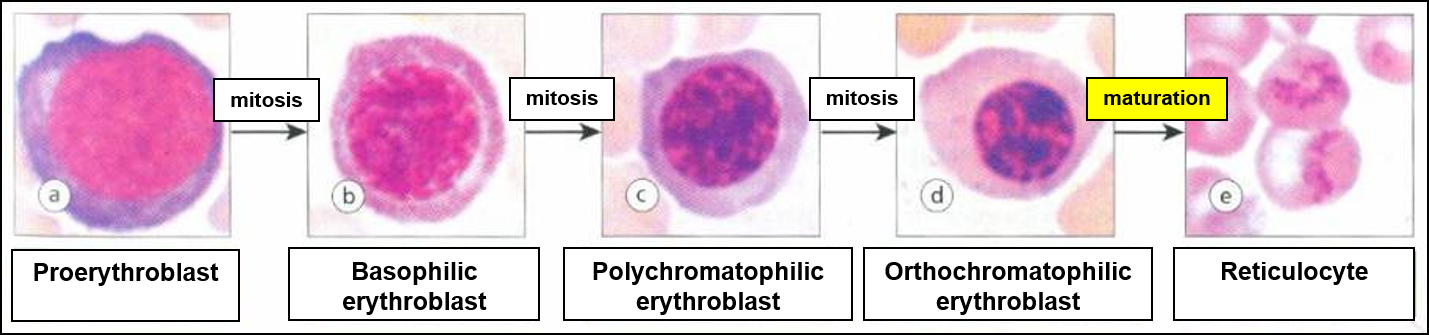
- Erythropoiesis in the bone marrow(after birth)
- Bone marrow is the flexible tissue found in the hollow interior of bones
- produces the cellular elements of the blood, including platelets, red blood cells and white blood cells.
- yellow marrow (consisting mainly of fat cells).
- red marrow (consisting mainly of hematopoietic tissue)
- Myeloid stem cells
- give rise to erythrocytes, eosinophils, baso, neutrophils, monocytes and megakaryocytes
- lymphoid stem cells
- develop in the bone marrow
- Myeloid stem cells
- produces the cellular elements of the blood, including platelets, red blood cells and white blood cells.
- Differentiation of stem cells to mature cells is associated with:
- Decreasing cell size
- Hemoglobin production
- Gradual decrease and loss of all cell organelles
- Changing cytoplasmic staining
- Condensation and eventual extrusion of the nucleus
- Bone marrow is the flexible tissue found in the hollow interior of bones
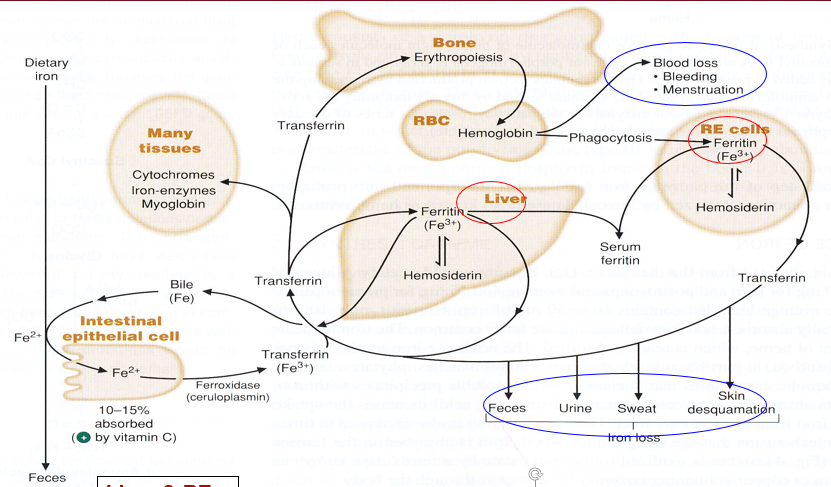
- after RBCs' degradation
- Iron metabolism
- Erythropoiesis in the bone marrow(after birth)
Imágenes y archivos del mapa
Información
- Descripción
- Mapa Mental sobre I always Feel Tired, creado por Fatma Shwaylia el 30/04/2017.
- Creado por
- Fatma Shwaylia
- Visitas
- 278
- Valoración