
Clinical History, Semiology and Diagnostic Reasoning
15 resources created by 12 users
This Clinical History, Semiology and Diagnostic Reasoning page on GoConqr gathers community-made mind maps, quizzes, flashcards, notes and flowcharts, from history taking and the physical exam to symptom-led topics such as chest pain, dizziness and fever. It's built for university students practising how to take a history and reason towards a diagnosis, and for teachers after ready-made material. There are over 220 resources here, including more than 10 quizzes and over 150 mind maps, made by over 170 contributors. Pick a symptom, open a map, then test yourself.
Top Clinical History, Semiology and Diagnostic Reasoning resources
-
Mind map A 62 year old male with swelling in neck
-
39 questionsClinical SOAP Note Is the clinical SOAP note a widely used format to organize information?
-
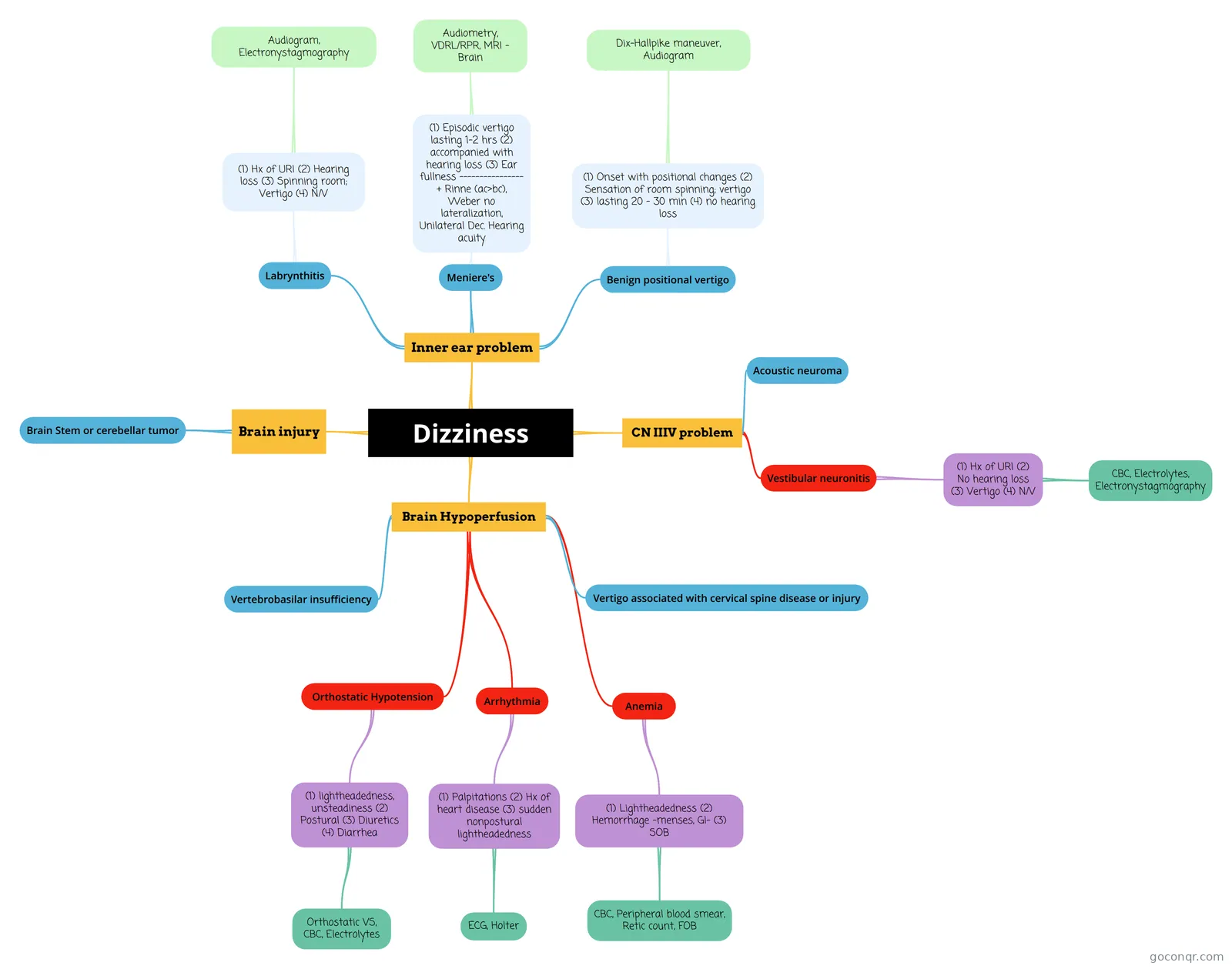 Mind map Dizziness
-
Mind map I always Feel Tired
-
Mind map Athenia feels tired
-
Mind map I Always Feel Tired and Fatigued Mind Map on I Always Feel Tired and Fatigued, created by aa aa on 14/02/2019.
-
Mind map Fatigue
-
9 cardsClinical reasoning errors from Clinical Reasoning: Learning to think like a nurse
Quizzes
Mind maps
See all 11 mind maps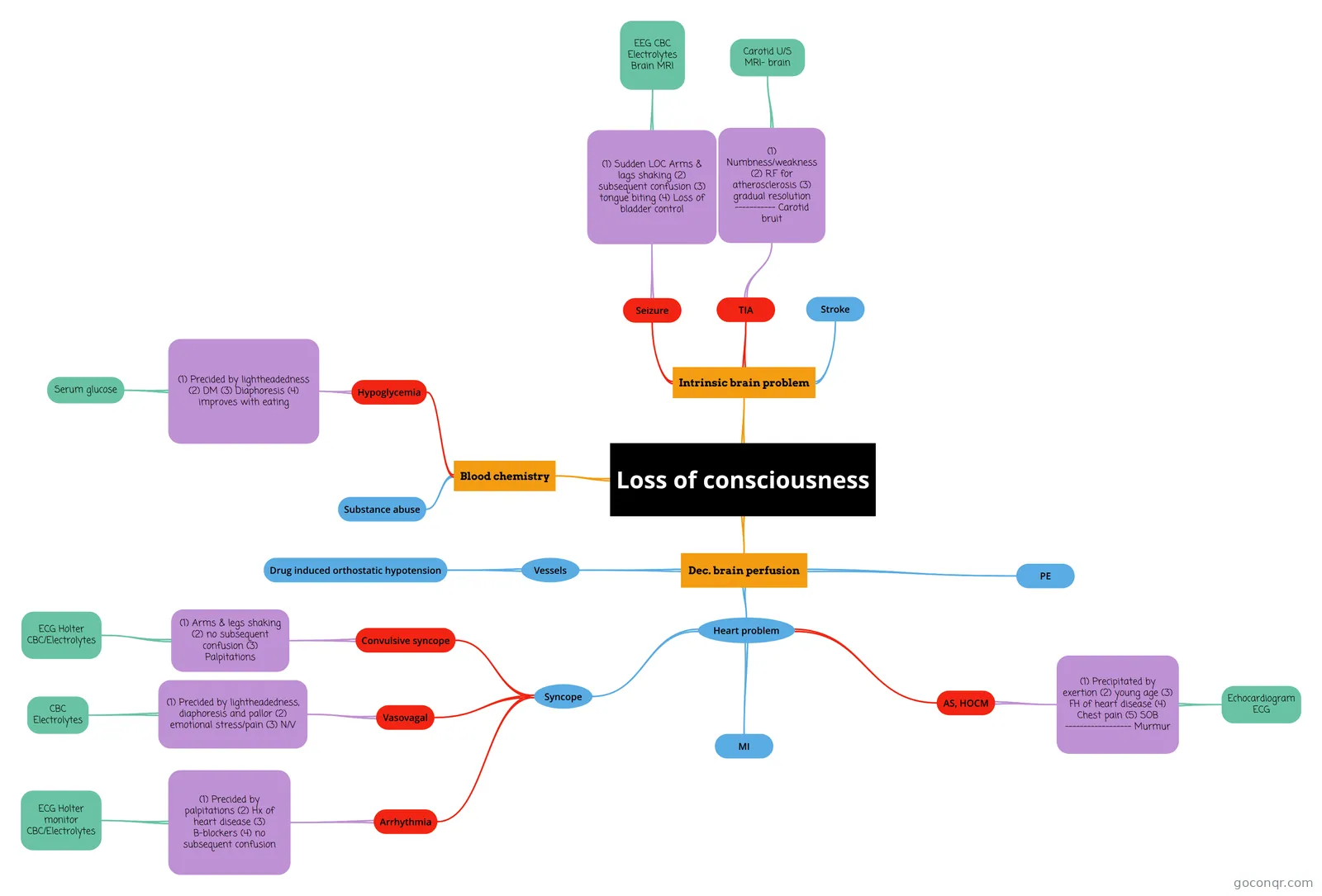
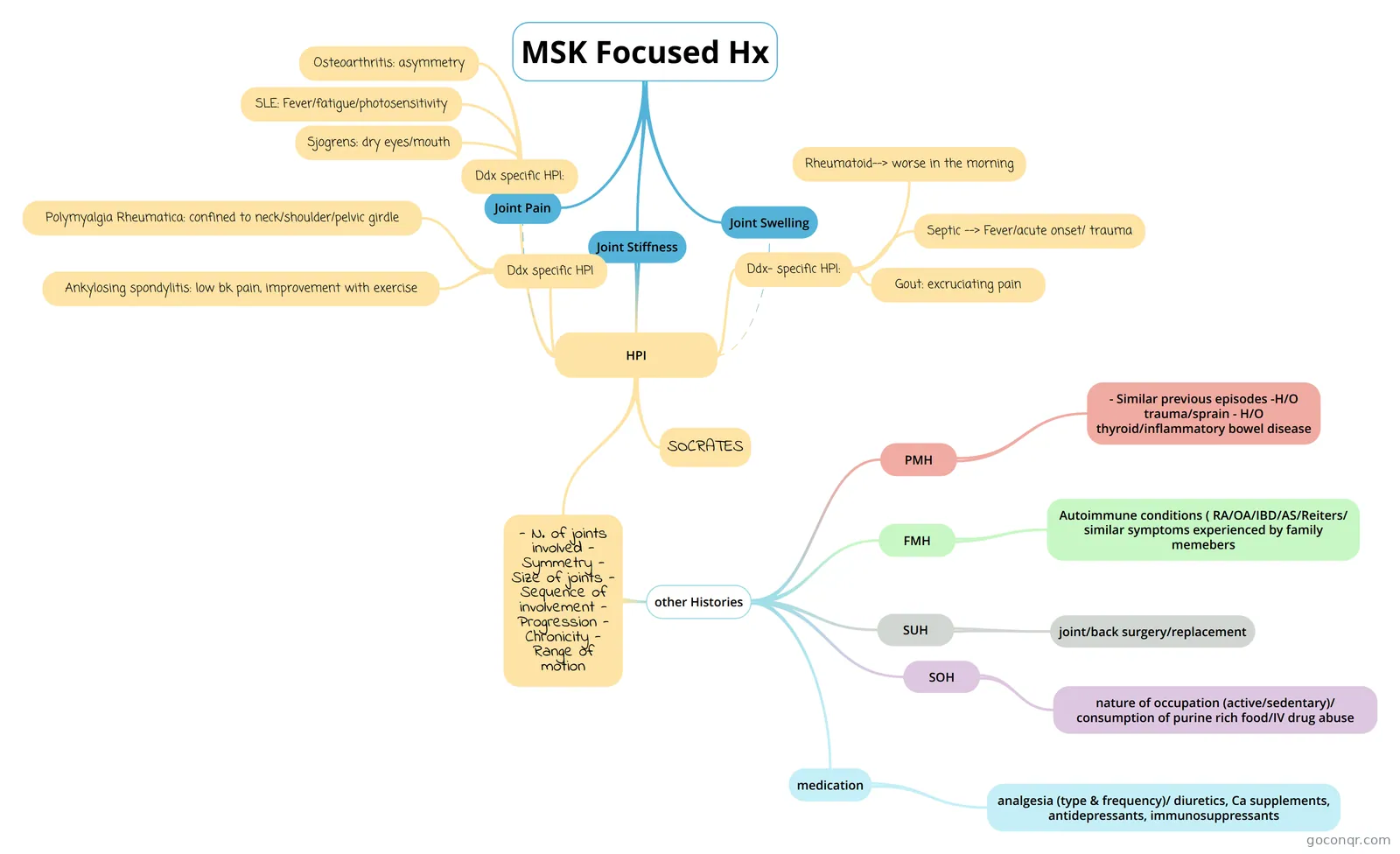
Flashcards
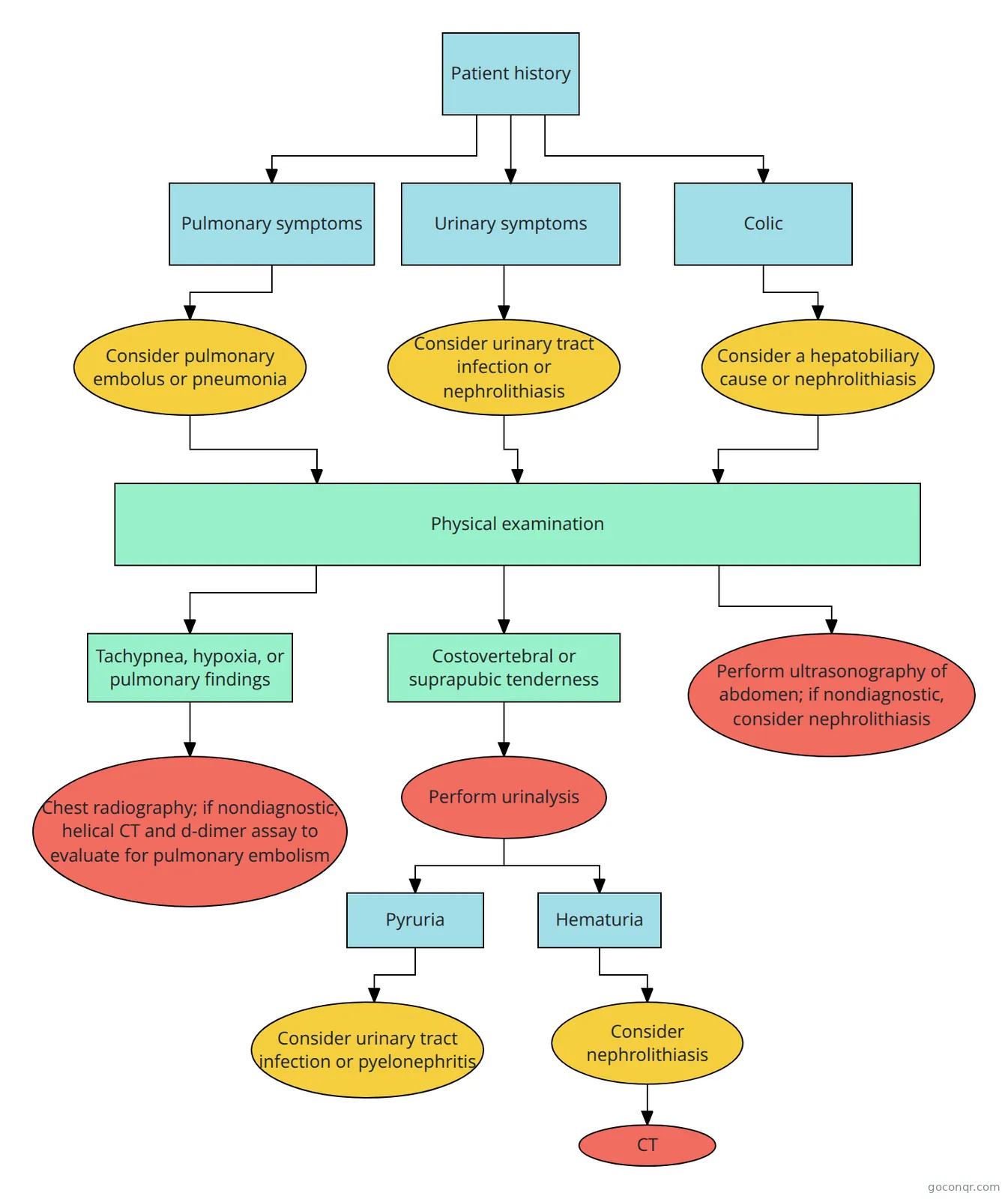
Flowcharts
Notes
More Internal medicine, pathology and clinical semiology topics
About Clinical History, Semiology and Diagnostic Reasoning
GoConqr OriginalWhat the resources cover
Most of this page is built around presenting symptoms. The mind maps follow a problem from the first complaint to a list of causes. Dizziness branches into inner ear problems, brain hypoperfusion and vertigo. Fever separates types of fever and works towards a diagnosis plan covering infection, malignancy and autoimmune causes. The chest pain map links the character of the pain to likely causes, such as tight, crushing, central pain with radiation and sweating pointing to acute coronary syndrome.
There are also case-led maps, such as the one on a 62 year old male with swelling in neck, which moves through congenital, thyroid, salivary gland and other causes of a neck lump.
Where to start
Begin with the structure of the consultation. The notes on The Clinical Encounter, Physical Exam Order and Principles of history taking give you the framework. Then use the system-based histories, such as Cardio resp History, GI history and Neuro History, to see which questions belong where.
Moving to reasoning
Once the framework feels familiar, turn to diagnostic thinking. The Diagnosis flashcards cover differential diagnosis, ranking hypotheses, gold standards and test characteristics. Clinical reasoning errors is a useful deck for spotting how thinking goes wrong. The flowcharts, including Approach to Chest Pain and Differential diagnosis of abdominal pain in adults, lay out the steps visually.
Using quizzes and maps together
- Read a symptom map such as Dizziness or Fever.
- Close it and write down the causes you remember.
- Check the gaps against the map.
- Try a quiz such as Clinical SOAP Note or the one on history taking, then return to the weak areas.
Teachers can use the case maps and flowcharts as ready-made starting points for a seminar or a problem-based session.
Where this fits
This unit sits in the strand Foundations of Clinical Practice and Semiology, within Internal medicine, pathology and clinical semiology. Choose one symptom today, work through its map, and then try making a flashcard deck of your own.
Frequently asked questions
Which resource should I open first?
Start with the notes on The Clinical Encounter and Principles of history taking, which set out the shape of a consultation. Then pick a symptom map such as Chest Pain or Dizziness and see how a complaint turns into a list of possible causes.
What do the mind maps cover?
They are mostly symptom and case maps. You will find dizziness, fever, chest pain, back pain with bone metastases, headache, syncope, dysphagia and leg swelling, plus examination maps such as Cardiovascular Examination. Many branch from the symptom into causes and then into tests.
Are the resources free to use?
Yes. Every resource listed here is free to open, study and take, with no account needed. A free account also saves your quiz scores and lets you make your own quizzes, mind maps, flashcards and notes.
Who made these resources?
They were made by GoConqr users, not by GoConqr itself. Over 170 contributors have added material here, so styles and depth vary. It is worth comparing a few maps or decks on the same symptom.
Which level are they aimed at?
The material is mainly at university level, with a small share aimed at professional practice. It suits university students learning history taking and diagnostic reasoning, and teachers looking for ready-made cases, flowcharts and question sets.
What if I cannot find a symptom or system?
Try a related resource first. Broader maps such as Head and neck, Non Specific Symptoms or Common Presentations may cover it. If nothing fits, you can build your own map, flashcards or quiz on the topic.