
Apuntes
Sin título
Contenido del apunte (1)
Página 1
Chapter
6: The mysterious universe…
6.1:
Observing the night sky…
¨ The
celestial sphere rotate above our heads, carrying with it constellations of
gleaming stars
¨ Stars
appear to wander among the constellations, these include; sun, moon and planets
¨ The celestial
model was introduced by a Greek astronomer Ptolemy in 150 AD, which was
incorrect
¨ The
apparent movement is due to the rotation of the Earth
¨ Development
of the telescope in the 16th century helped the astronomers look at
the sky
¨ It showed
many different objects in the sky, including: single or double stars, galaxies,
and clouds of gas and dusts called nebulae
¨ 3
particularly bright stars: Sirius, Procyon and Arcturus
¨ The
positions of those three stars were different compared to the rest
¨ Stars
closer to the Earth seem brighter and stars further away are dimmer.
¨ The
apparent movements of objects due to the actual movement of the observer
¨ This is
called parallax
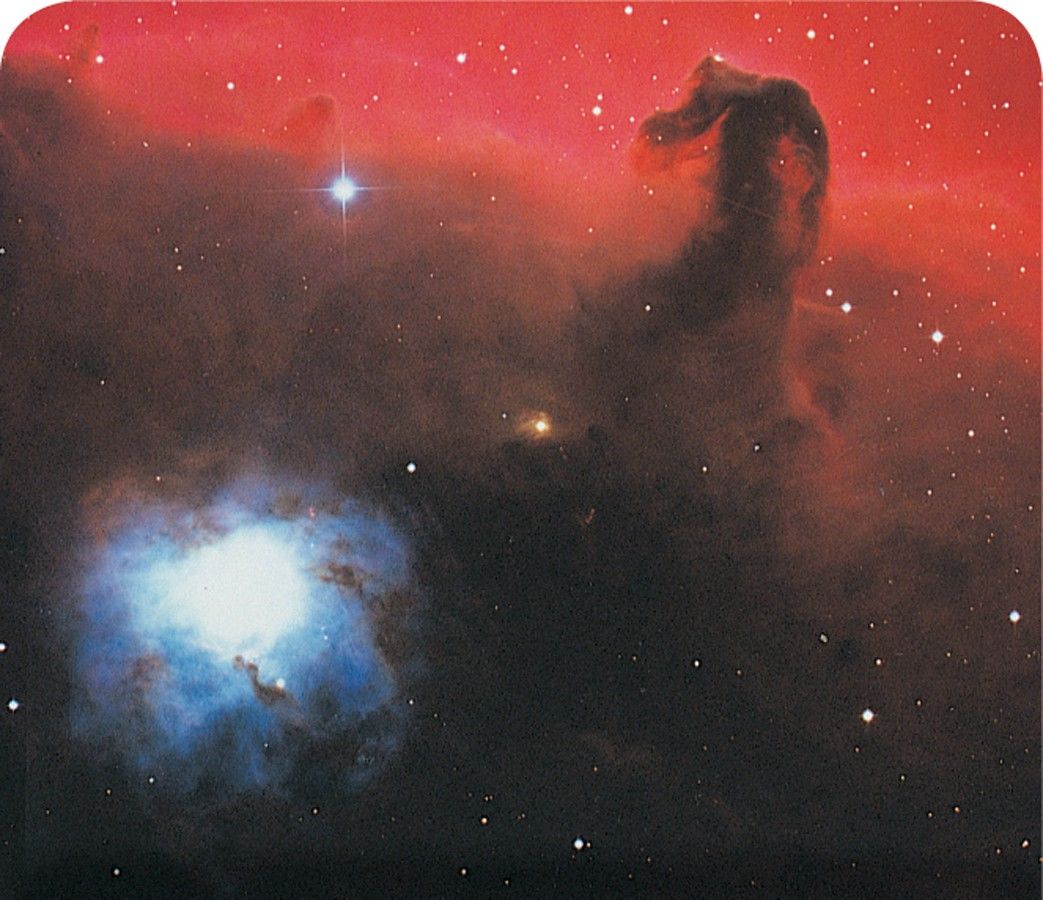
The Horsehead Nebula in the constellation of Orion. A nebula is a cloud of dust and gas, visible as a glowing or dark shape in the sky against a background of stars.
HOW ABOUT THAT! A light-year is not a measure of time! It is a measure of distance. In one year, light travels a distance of 9 500 000 000 000 or 9.5 × 10¹² kilometres. This distance is called a light-year.
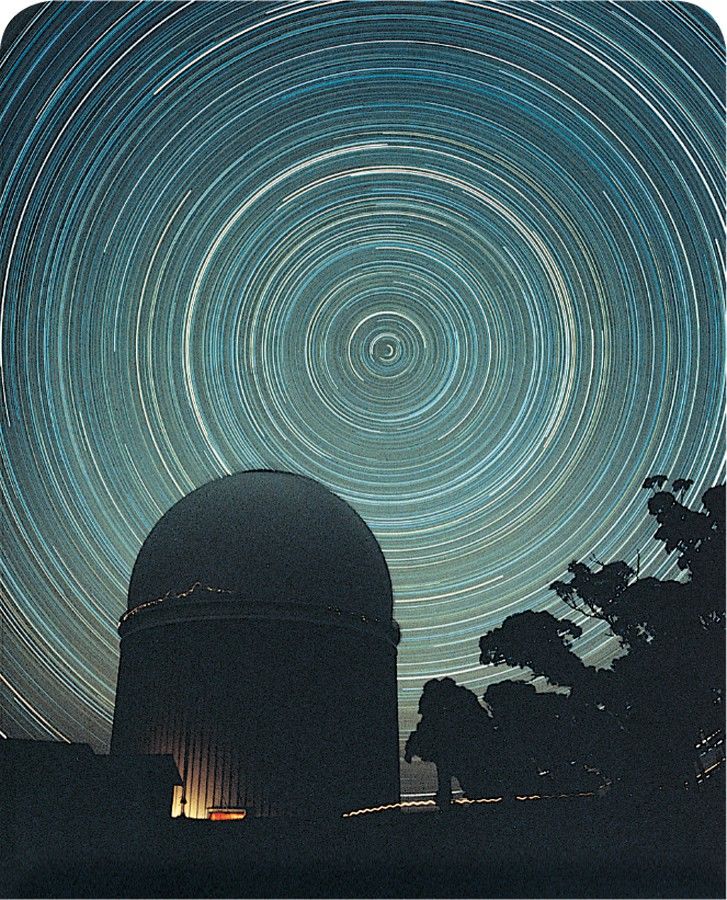
A time-lapse photograph of the sky clearly shows the apparent movement of the stars.
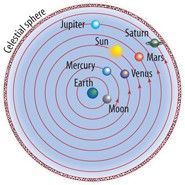
In 150 AD, the Greek astronomer Ptolemy suggested that the stars were attached to a ‘celestial sphere’ that rotated above our heads. According to Ptolemy, the sun, the planets and the moon also orbited the Earth.
New Page
Información
- Descripción
- Apunte sobre Sin título, creado por selster0 el 06/11/2014.
- Creado por
- selster0
- Visitas
- 7
- Valoración