Apuntes
Waves
Contenido del apunte (10)
Página 1
Exploring Sound
Sounds are vibrations that travel through the air.
Energy is transferred by sound in the form of waves.
Sound waves are longitudinal.
The loudness of a sound is measured in decibels (dB).
The volume of a sound is a measure of how loud it is.
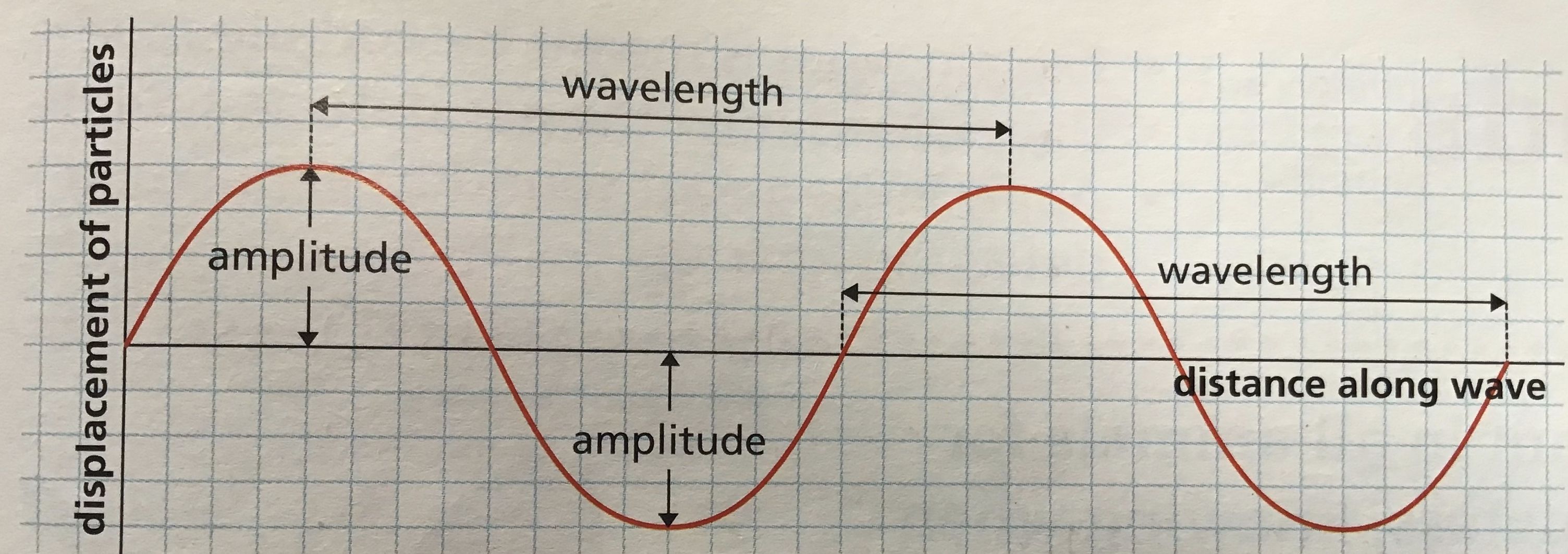
The size of a vibration is represented by its amplitude.
The greater the amplitude the greater the energy of the vibration and the louder the sound.
Página 2
Describing Sound
The pitch of a note depends on the frequency of the vibration producing the sound.
Frequency is measured in the units hertz, abbreviation Hz.
A high frequency gives a high pitch and a low frequency gives a low pitch.
Waves transfer energy.
The higher the frequency of a wave, the shorter the wavelength, and the maximum displacement is the amplitude.
All sound waves can be detected using a microphone and shown as a waveform using a cathode ray oscilloscope (or CRO)
The microphone receives the sound waves and converts them into electrical signals.
Página 3
Hearing sounds
The human audible range (or auditory range) is 20Hz to 20kHz.
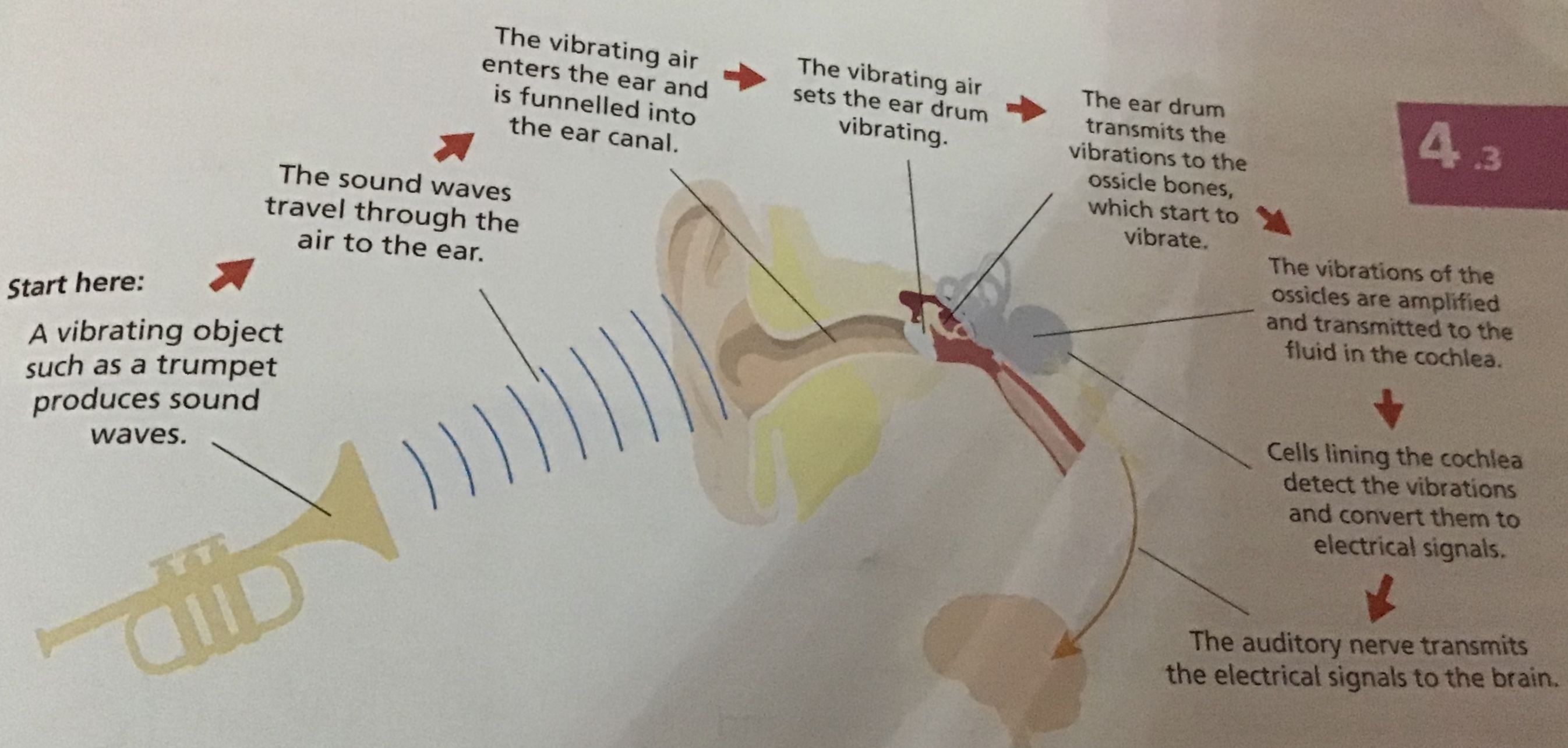
The function of the ear is to transfer energy by sound into electrical impulses that are interpreted by the brain.
Página 4
Understanding how sound travels through materials
Most of the sounds that you hear are transmitted by vibrating air particles (particles of gas).
Sounds can also travel through solids and liquids.
Sound cannot travel through a vacuum, or through space, which has hardly any particles in it.
Gases:
Particles are very far apart.
Sound travels very slowly
Liquids.
Particles are much closer to one another
Sound travels 5 times faster than in a gas
Solid:
Particles are packed very close together
Sound travels faster than in any other substance
Página 5
Learning about the reflection and absorption of sound
Hard flat surfaces reflect sound well and produce stronger echos.
Soft surface materials that contain lots of air pockets like sponges are not good at reflecting sound but are good at absorbing it.
Some materials can be shaped to reflect sounds in different ways.
Jagged surface:
When sound waves hit the surface they are not reflected back to the source
Instead they are reflected randomly
Curved surface:
Reflects sound until all the energy focuses towards a particular point.
The sound at that point will be the loudest
Anywhere else it will be hardly heard
Soft materials are useful as soundproofing.
A vacuum is also useful for soundproofing.
When sounds hit soft surfaces they are trapped in air pockets.
Página 6
Exploring properties of light
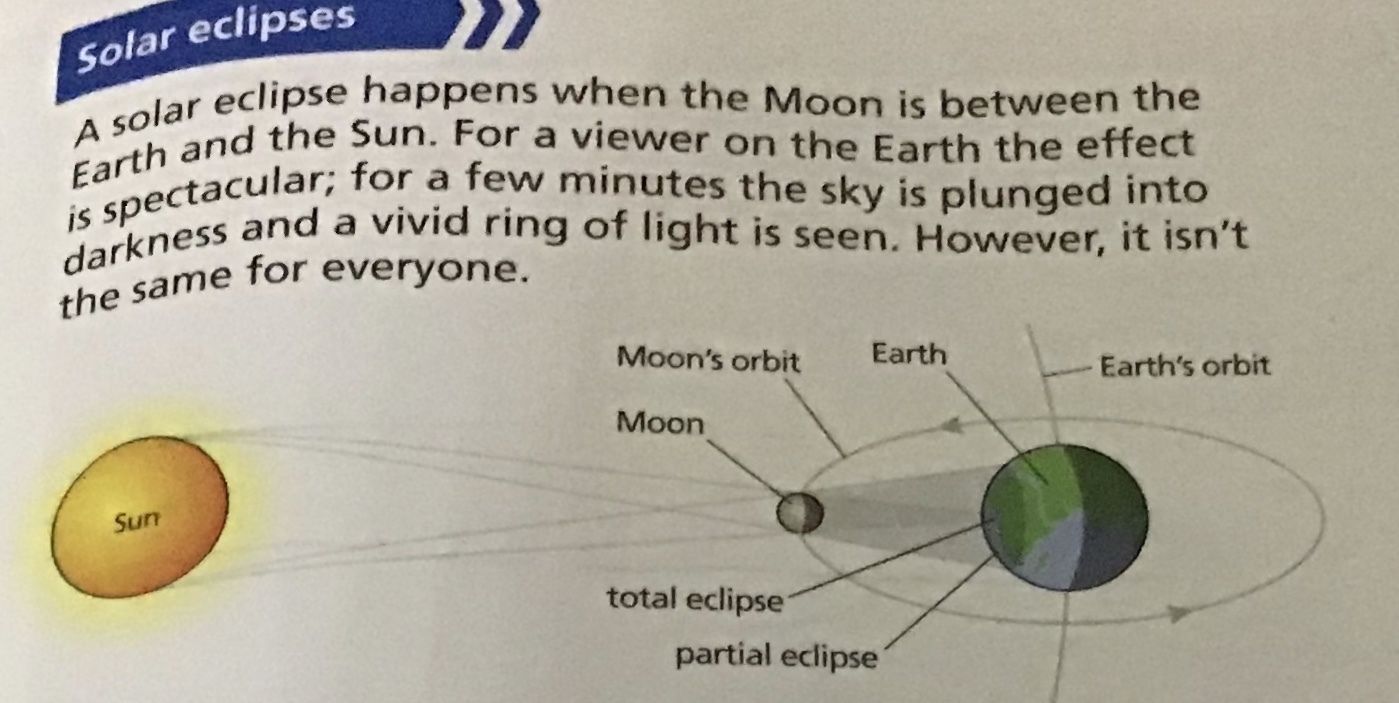
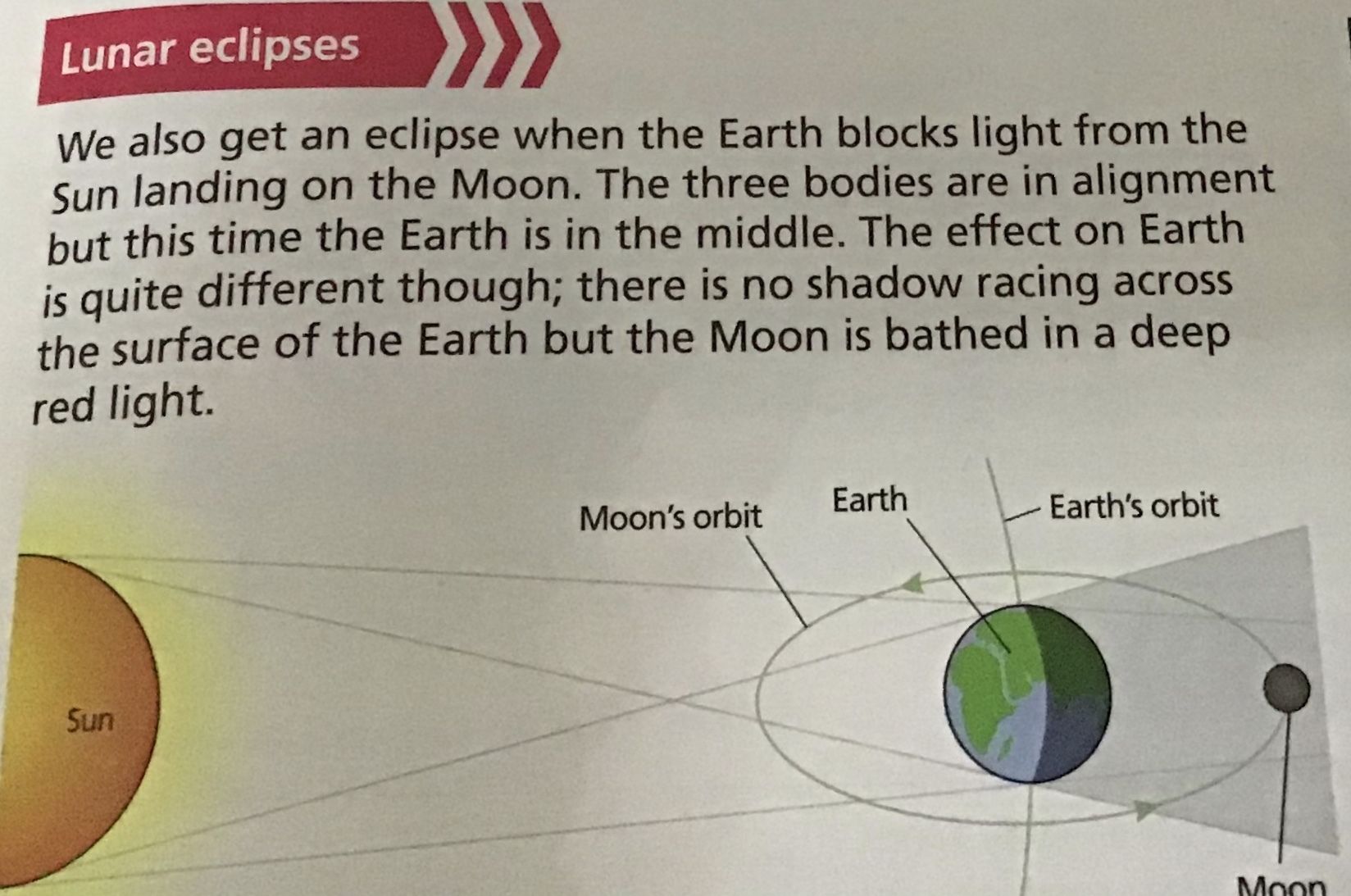
A solar eclipse happens when the Moon is between the Earth and the Sun.
The Moon’s shadow isn’t big enough to cover the whole of the Earth.
Página 7
Exploring reflection
Light travels as waves.
Light waves travel in straight lines.
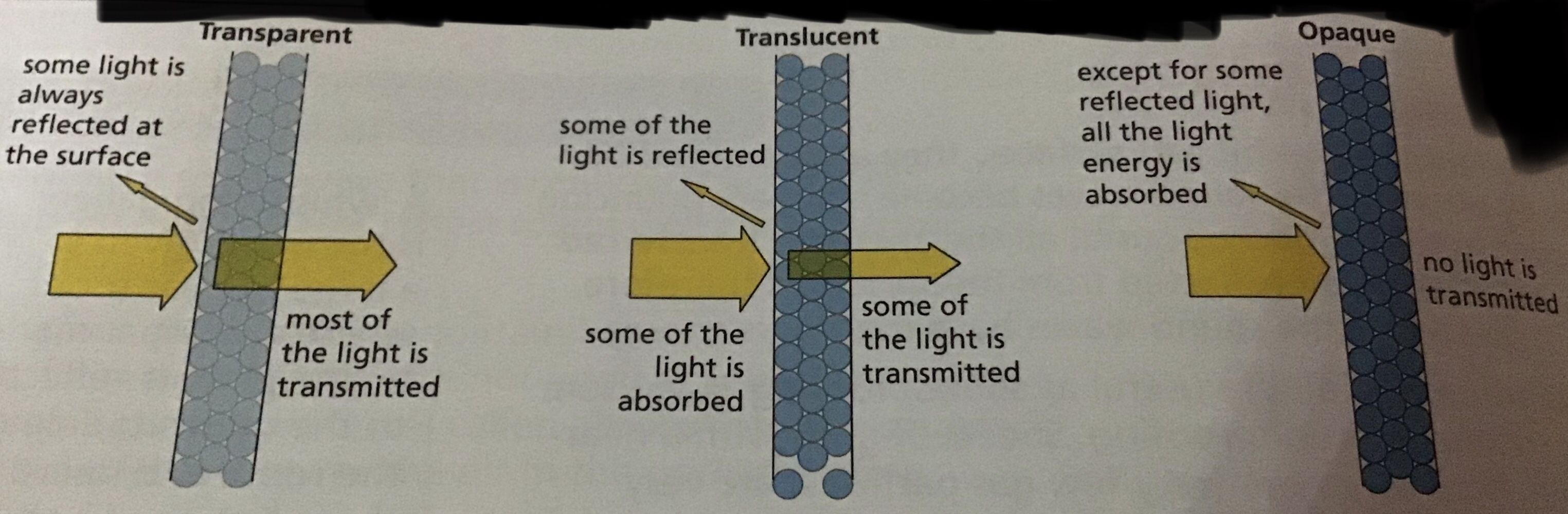
When light hits a surface some or all of it is reflected.
The reflection produced by a flat, smooth, shiny surface is called specular reflection.
A rough surface bounces light back in many directions, which is called scattering
Angle of incidence = angle of reflection
Página 8
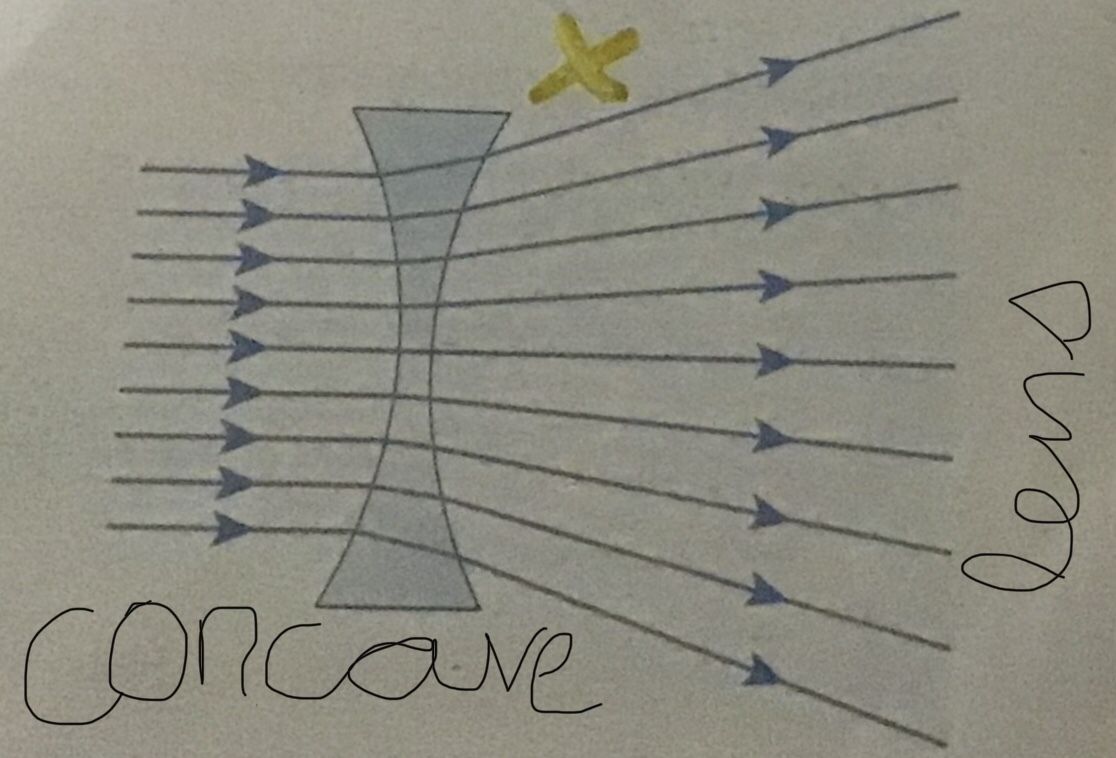
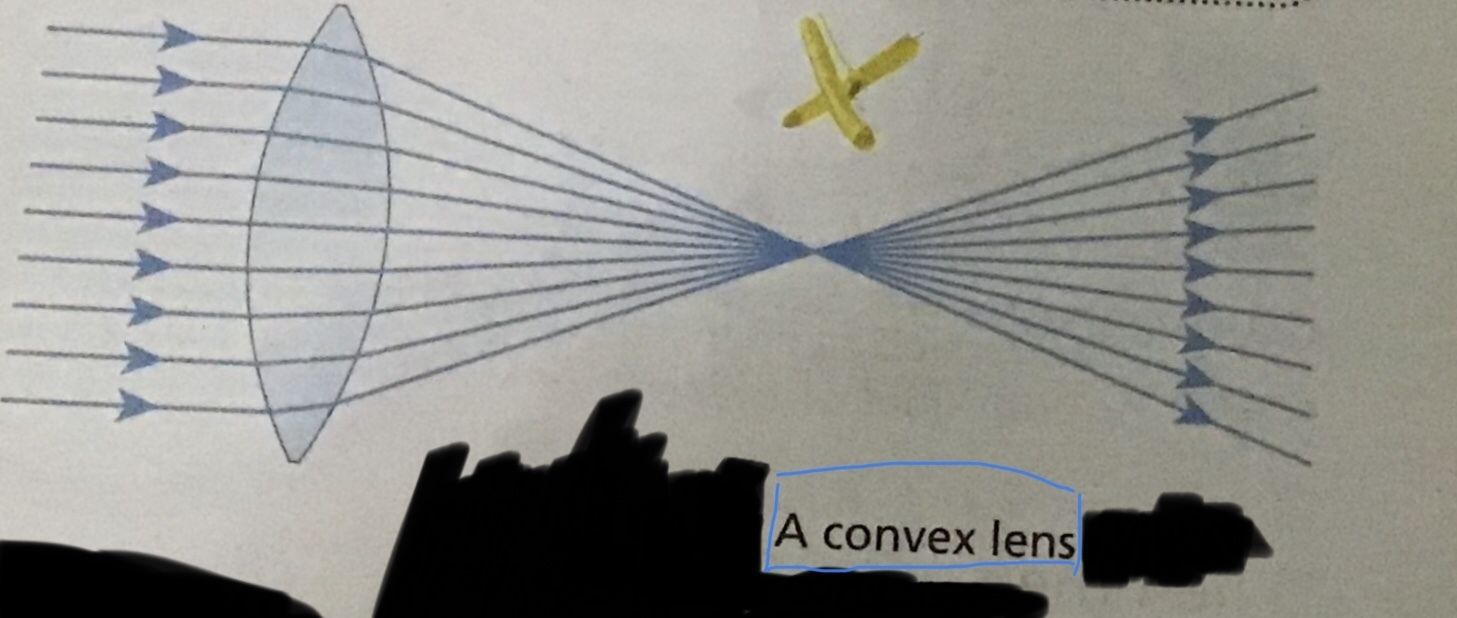
Exploring refraction
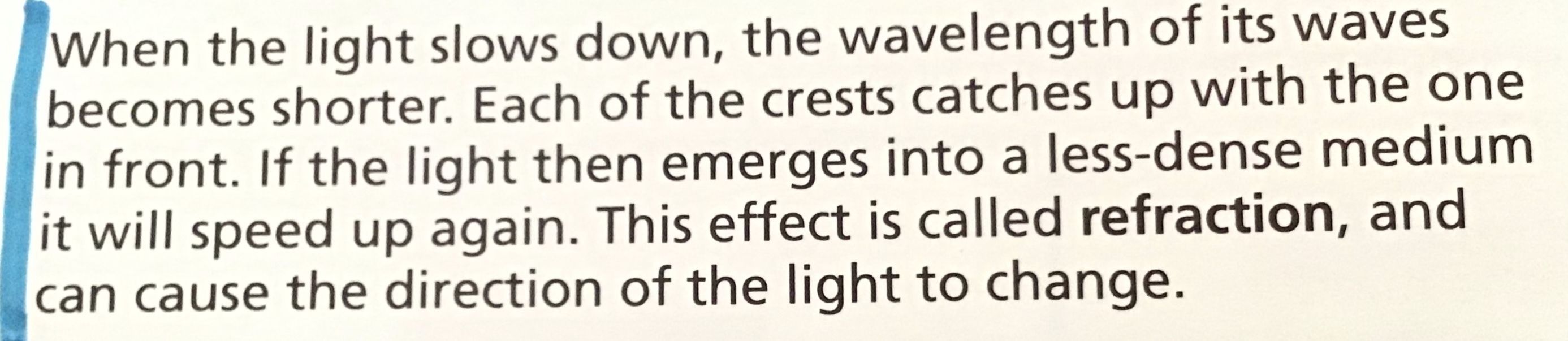
Speed of light depends on the density of the material it is travelling through.
The denser the material the slower light travels through it.
Página 9
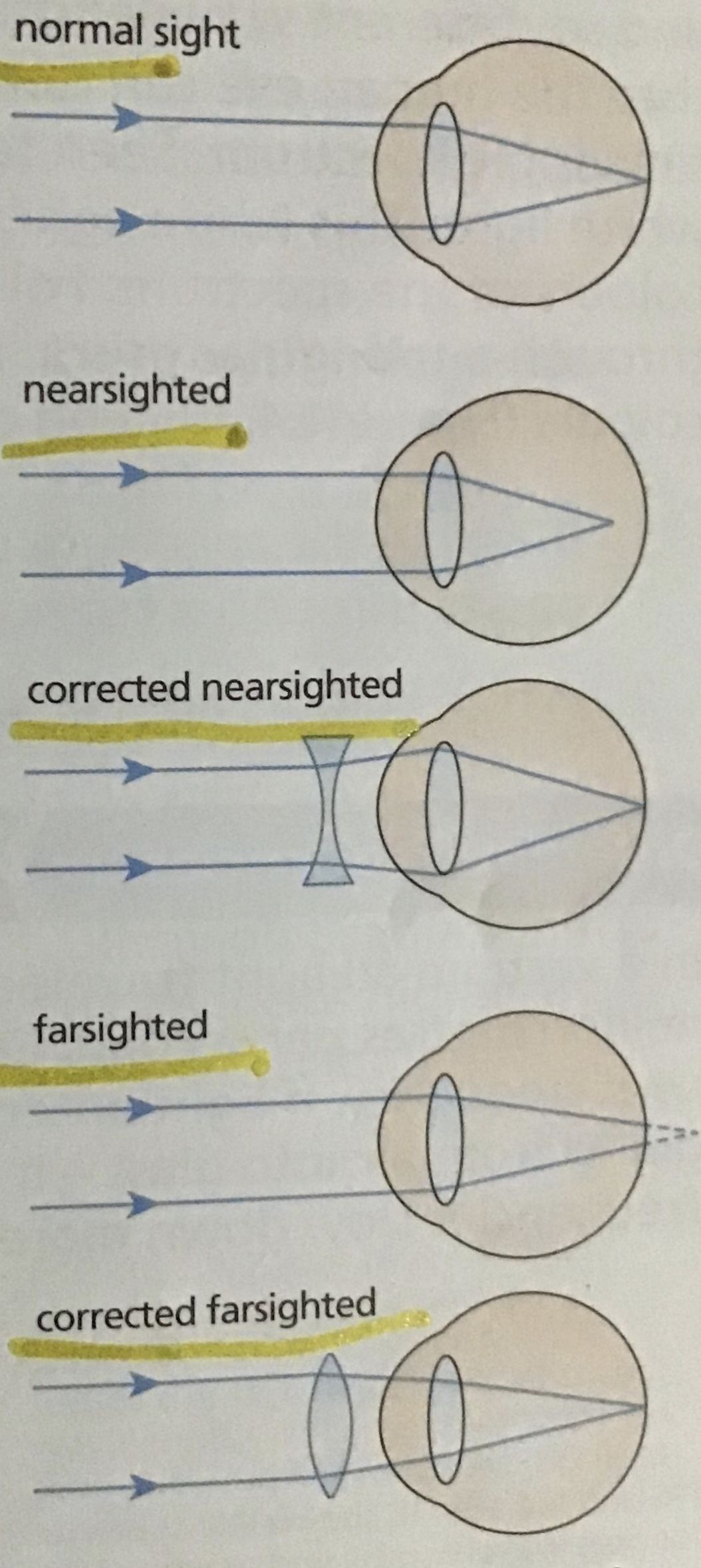
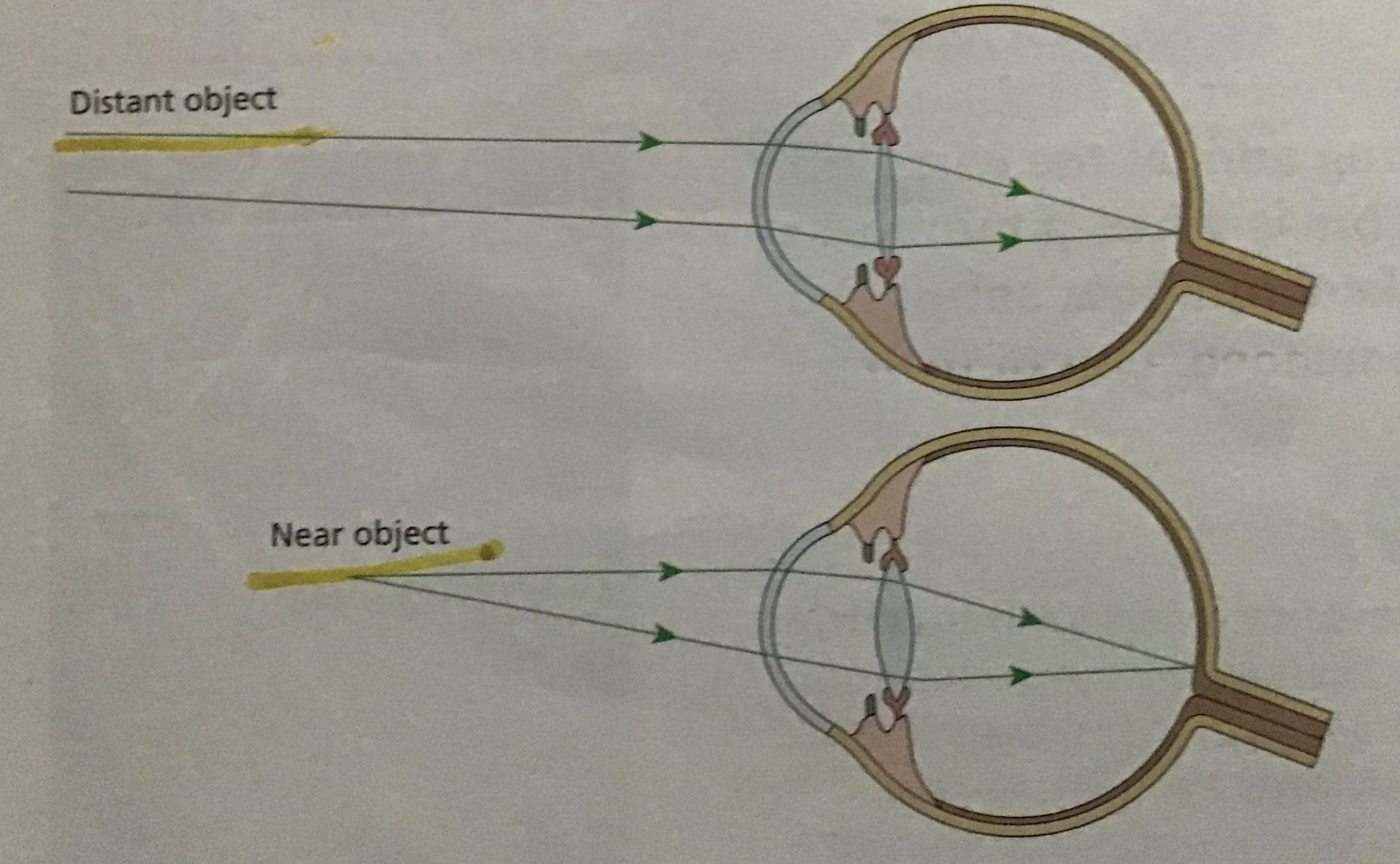
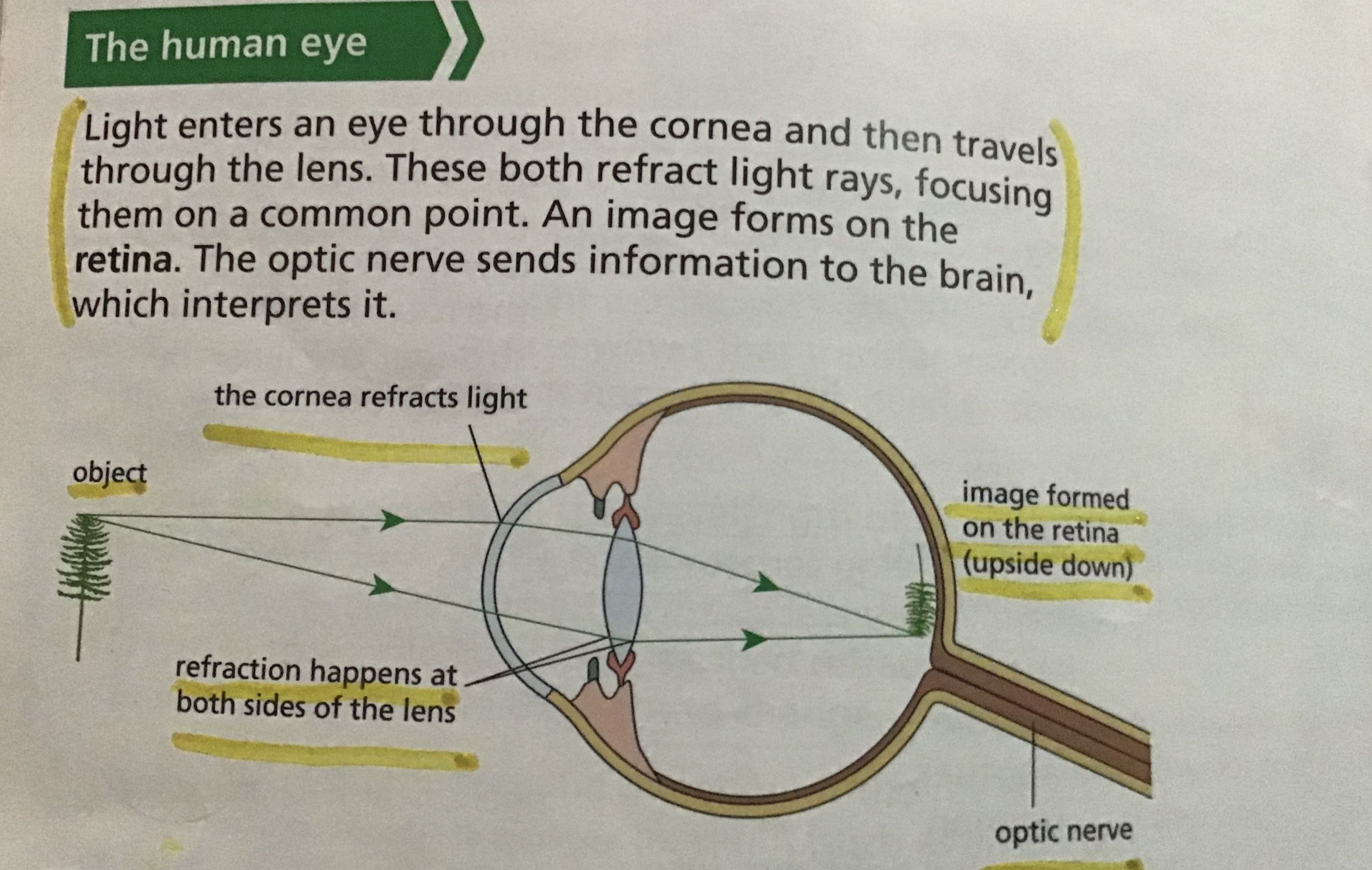
Seeing clearly
The lens in the eye changes shape depending on how far or near the object is.
Página 10
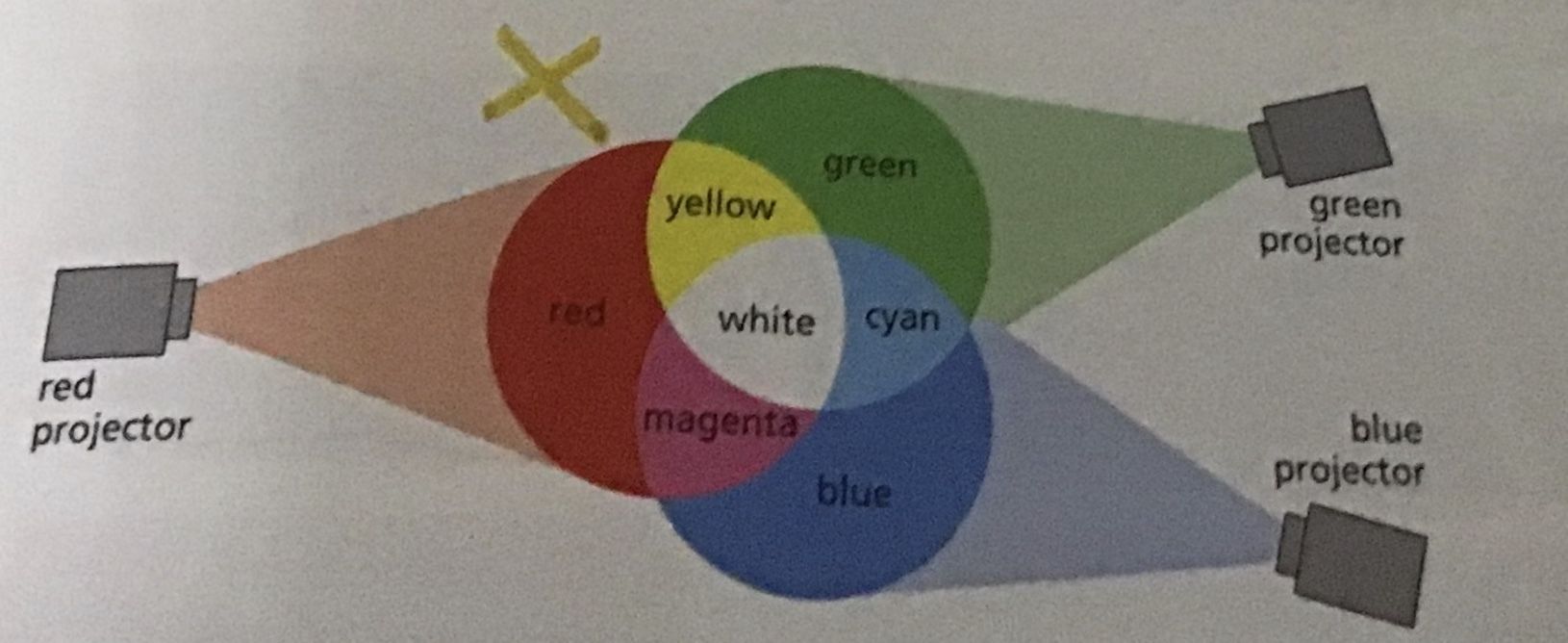
Exploring colored light
Sunlight is made up of light waves of different frequencies and so different wavelengths.
the range of wavelengths that the human eye can detect as different colors is called the visible spectrum.
seen together they make what is called white light.
the white light can be spited up to produce the colours of the spectrum.
Each color of light has its own frecuencia.
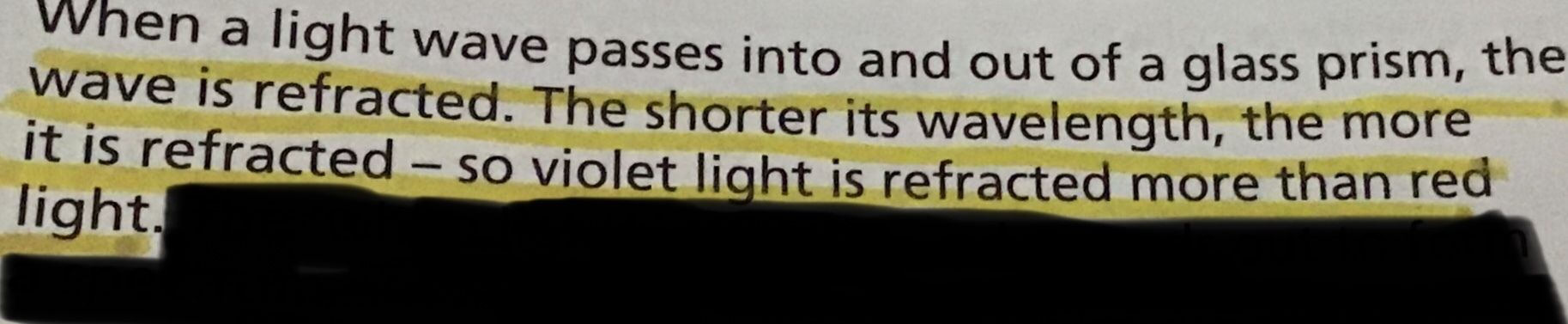
If light enters a denser medium-such as gong from air into glass -it slows down, but the higher frequencies slow down more.