Apuntes
Child Development Revision
Contenido del apunte (6)
Página 1
Child Development Revision
PIES:
Physical development; fine motor skills, Gross motor skills, Hand-eye co-ordination, Sensory development
Intellectual development (Cognitive); Concept, Problem solving, Experimenting, Decision making, Memory, Concentration, Imagination and creativity, Trial and Error
Intellectual development (Language); Increases Vocabulary, Improves listening skills, language development; Sharing, Taking turn, Co-operating.
Menstrual Cycle over 28 days; Stage1 Menstruation, Stage2 Repair, Stage 3 Ovulation, Stage 4 Reception, Stage5 Pre-Menstrual
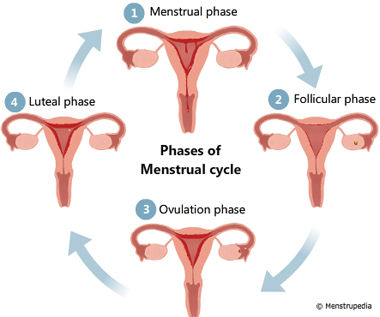
The day count for menstrual cycle begins on the first day of menstruation when blood starts to come out of the vagina. In this section, the length of menstrual cycle has been assumed to be 28 days (which is the average among women). The entire duration of a Menstrual cycle can be divided into four main phases:
Menstrual phase (From day 1 to 5)
Follicular phase (From day 1 to 13)
Ovulation phase (Day 14)
Luteal phase (From day 15 to 28)
Menstrual phase (day 1-5)
Menstrual phase begins on the first day of menstruation and lasts till the 5th day of the menstrual cycle. The following events occur during this phase:
The uterus sheds its inner lining of soft tissue and blood vessels which exits the body from the vagina in the form of menstrual fluid.
Blood loss of 10 ml to 80 ml is considered normal.
You may experience abdominal cramps. These cramps are caused by the contraction of the uterine and the abdominal muscles to expel the menstrual fluid.
Follicular phase (day 1-13) This phase also begins on the first day of menstruation, but it lasts till the 13th day of the menstrual cycle. The following events occur during this phase:
The pituitary gland secretes a hormone that stimulates the egg cells in the ovaries to grow.
One of these egg cells begins to mature in a sac-like-structure called follicle. It takes 13 days for the egg cell to reach maturity.
While the egg cell matures, its follicle secretes a hormone that stimulates the uterus to develop a lining of blood vessels and soft tissue called endometrium.
Ovulation phase (day 14)
On the 14th day of the cycle, the pituitary gland secretes a hormone that causes the ovary to release the matured egg cell. The released egg cell is swept into the fallopian tube by the cilia of the fimbriae. Fimbriae are finger like projections located at the end of the fallopian tube close to the ovaries and cilia are slender hair like projections on each Fimbria.
Luteal phase (day 15-28)
This phase begins on the 15th day and lasts till the end of the cycle. The following events occur during this phase:
The egg cell released during the ovulation phase stays in the fallopian tube for 24 hours.
If a sperm cell does not impregnate the egg cell within that time, the egg cell disintegrates.
The hormone that causes the uterus to retain its endometrium gets used up by the end of the menstrual cycle. This causes the menstrual phase of the next cycle to begin.
Página 2
Child Development Revision
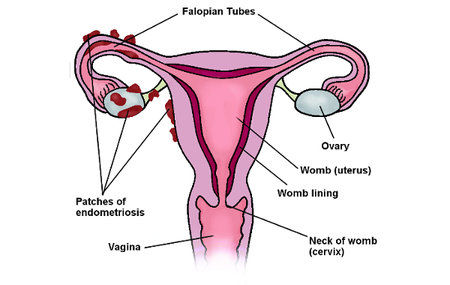
The lining of the womb
Risks and causes Womb cancer is the 4th most common cancer in women in the UK. We don't know what causes most womb cancers. But there are some factors that can increase your risk of developing it.
What a risk factor is Anything that increases your risk of getting a disease is called a risk factor. Different cancers have different risk factors.
Having a risk factor does not necessarily mean that you will develop cancer. Also, not having any risk factors does not mean that you definitely won't get cancer.
Some factors lower your risk of cancer and are known as protection factors.
Age Most women diagnosed with womb cancer have had their menopause. Almost three quarters of cases of womb cancer are in women aged 40 to 74.
Just over 1 in 100 cases (1%) are diagnosed in women under 40. Women who have a particular gene fault called Lynch syndrome (or HNPCC) are more likely to develop endometrial cancer at a younger age than the general population.
Being overweight Very overweight (obese) women are generally 2 or 3 times as likely to develop womb cancer than women of a healthy weight. Very obese women may increase their risk by up to 6 times.
A Cancer Research UK study published in 2011 found that being overweight or obese causes around a third of womb cancers. This is probably because overweight women have higher levels of oestrogen. When more oestrogen is made, the lining of the womb builds up. When more lining (endometrial) cells are produced, there is a greater chance of one of them becoming cancerous.
Diet and alcohol The World Cancer Research Fund lists red meat as a possible cause of endometrial cancer.
Some studies have reported a lower risk of womb cancer in women who eat a lot of isoflavones (found in soya based foods). Coffee and tea may also reduce womb cancer risk. Green tea has a stronger effect than black tea.
There is some evidence that a higher intake of vegetables reduces womb cancer risk. But we need more studies to be sure.
An analysis of studies has shown no link between drinking alcohol and the risk of womb cancer.
Having had children Studies show that having children lowers your risk by more than a third. The risk decreases with the more children you have.
Oestrogen levels are low and progesterone levels are high during pregnancy. Normally during your menstrual cycle, there is oestrogen in your body without progesterone. Doctors call this unopposed oestrogen. Unopposed oestrogen increases the risk of womb cancer. Anything that stops this, such as pregnancy,lowers the risk of womb cancer.
Menstrual history
Some factors linked with periods (menstruation) can increase your risk of womb cancer because they cause higher levels of oestrogen. These include:
starting your period at a young age
a late menopause
Thickened womb lining Endometrial hyperplasia is a non cancerous (benign) condition where the lining of the womb becomes thicker. If you have this thickening you have a higher risk of developing womb cancer, especially if the extra lining cells are abnormal. Symptoms of endometrial hyperplasia are heavy periods, bleeding between periods, and bleeding after menopause.
Polycystic ovary syndrome Women with polycystic ovary syndrome (PCOS) have a hormone imbalance which may cause very irregular periods. They are also likely to be insulin resistant, overweight and have diabetes. They have an increased risk of womb cancer compared to women who don’t have PCOS. This may be because all the symptoms are also risk factors for womb cancer.
Previous cancer You are at a slightly increased risk of getting womb cancer if you have had breast or ovarian cancer in the past. This may be because of shared lifestyle or environmental factors. For example, the risk of womb cancer in breast cancer survivors is higher in those who are overweight. The increase in risk of womb cancer may also be due to treatment for cancer, such as tamoxifen.
Tamoxifen An increased risk of womb cancer is a known side effect of taking tamoxifen, which is a hormonal therapy for breast cancer. Scientists think this is because the drug has a similar effect on the womb to oestrogen.
Contraceptive pills Most types of birth control pills used today decrease the risk of womb cancer. These contain either a combination of oestrogen and progesterone (combination pills), or progesterone only (mini pills). This link may be limited to women who have taken the pill for 5 years or more. The protective effect is thought to last as long as 20 years after stopping taking it.
Using a non hormonal intrauterine device (IUD or coil) may also decrease the risk of womb cancer.
Diabetes Several studies show a higher risk of womb cancer in women with diabetes. This link is not thought to be due to being overweight, or because of the treatment for diabetes.
Physical activity .
The World Cancer Research Fund has listed physical activity as being protective against womb cancer. This link may partly be because women who are more active generally have a lower bodyweight.
A Cancer Research UK study has shown that being inactive causes just under 4 out of 100 womb cancers (4%).
Aspirin Aspirin may protect against womb cancer, particularly in women who are very overweight. But more studies are needed.
It is important to remember that doctors don't recommend taking aspirin regularly due to its side effects. This drug can damage the lining of your stomach and cause bleeding.
Página 3
Child Development Revision
Pre-conceptual care
WHAT IS PRE-CONCEPTUAL CARE?
Preconception care may be useful if:
you want to find out how a condition such as diabetes or epilepsy can affect pregnancy
you’re having trouble conceiving
there is a risk that you could pass on a genetic condition, such as sickle cell disease or thalassaemia, to your baby
Allow plenty of time for preconception planning and care before you start to try for a baby.
You will increase your chances of getting pregnant if both you and your partner are in good health. A bad diet, being overweight or obese, smoking, drinking and unhealthy working conditions can affect the quality of sperm and stop you getting pregnant. You should both try to make your lifestyle as healthy as possible before you try to conceive.
If you need advice about preconception care before trying for a baby, your GP or a midwife can give you more information. Preconception care is also provided by some practice nurses, health visitors, family planning clinics and well woman clinics.

Página 4
Child Development Revision
Pregnancy and pain relief during labour and birth
Notes:
What pain relief will be available?
There are various options but it is advisable to one that is best for you that will cool the pain and help your needs.
There are many options:
1. Nothing at all
2.Breathing
3.Water as in pool or bath
4. Gas and air called entanox
5. Drugs such as pethidine and diamorphine and epidural
6. Alternal therapist
The pro's of a pool it helps you because its so surfale and be more releaxed, it keeps you calm, you can go to many different positions. If you use water your less likely to have intervention water require only drug. The downside of the bathing pool is if you go into the bathing pool early it would be as effective and it may slow down labour.
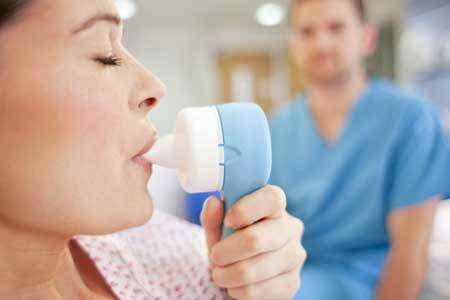
Gas and air is a combination of oxygen and nitros oxide and you can use a force mask or mask feed, but it works very quickly to reduce the pain but it doesn't take the pain completly.
Tens machine is a form of pain relief and this is applied as a patch on your back, electrical currents are produced which numbs the pain signals, you don't feel the pain,your in control, you press when you need it, its quite useful and beneficial when your in early labour but your into pushing as not effective.
The potential drugs you can use during labour are petridine and diamorphine, this is a injection which is given and it benefits of petridine and diamorphine as that it helps you to keep you relaxed, as it takes away some of the pain and helps you to cool better so you have the contraction. It takes 20 minutes for the drugs to be effective and they can last 2-4 hours depending on how much effect you had.
Epidural is another form of pain relief and it is administered as a injection in the space outside of your spine. It helps because it numbs nerve ending so you don't feel contraction as pain because you can't feel contraction, it may slow down your labour, you may not know when to push and you may increase your concerns on having a assisted birth. You can discuss this with your midwife or doctor and its also quite useful if you could attend continental classes because it would help you to be prepared going to labour.

Página 5
Child Development Revision
What can i do during pregnancy to make birth easier?
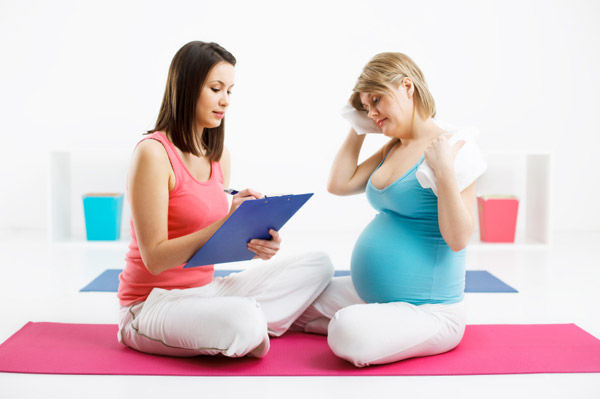
Exercising when your pregnant helps you to become fitter, the fitter you are the easier labour for you and potentially is to ensure you to faster labour.
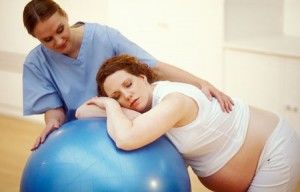
Towards the end of your pregnancy the upright the better it helps gravity to push the baby down into a good position. The best position for the baby to be is laying with its head down close to your vagina with its back towards the front of your tummy also likely towards the left handside.
In the last few weeks of your pregnancy, you need to have gravity get your baby the best position, so by being upright is the best way forward learning against the wall, sitting on a bare thin ball, on your hand and knees does really a good position as well.
The best thing for birth has been used your optimas health, lots of green vegetables, breads, milk, cereal products are great because they all 4 to 5 with iron and frolic acid to which put your in a best state of health. Exercising in your pregnancy should be something you enjoy and is appropriate for the stage of pregnancy that your at. Labour are long hard journey and the more prepared you are the easier its going to be. Exercising, healthy eating would push you in the right direction for an nice quick labour, lovely healthy baby at the end of it.
Página 6
Child Development Revision
Induced Labour
When would i be introduced and what's involved?
Sometimes your labour would need a little bit of help to get it started and this is called inducing. You might be induced first few labours gone past your due date this is normally around 41 or 42 weeks.
Your labour might also be induced if there is any medical concerns such as diabetes, kidney diseases or pre cramps. Sometimes your labour might need inducing if your water broken and you haven't gone into labour within a certain amount of time. This is to help prevent any infections to you or your baby.
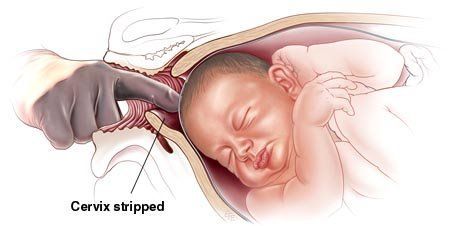
Most inductions start with a sweep. A sweep is where the midwife will do an internal examination then stretch survex pulling away from the membranes and this can help to stimulate contractions.
A sweep might be comfortable and your midwife might need to give you more than 1 sweep to get the labour going. Another wall of inducing prostaglandin gel, this can be inserted into the vagina and that can help take get contractions going.They would leave for 6 hours and wait and see if the labour starts, if the labour doesn't start, they can give another loads prostaglandin gel. They would monitor the baby through this process and monitor her when contractions are coming and have her to are copying with each other, if that doesn't work then they can give you a hormone drip called consonantal this helps the body to contract and for the survex to dialate it, they start it off quite slowly, and then increase the rate until your having a good contraction in 10 minutes. If your labour gets to the stage that it needs inducing your midwife talk through all the options with you and you always have a choice.