
Apuntes
Astronomy
Contenido del apunte (7)
Página 1
The Solar System:
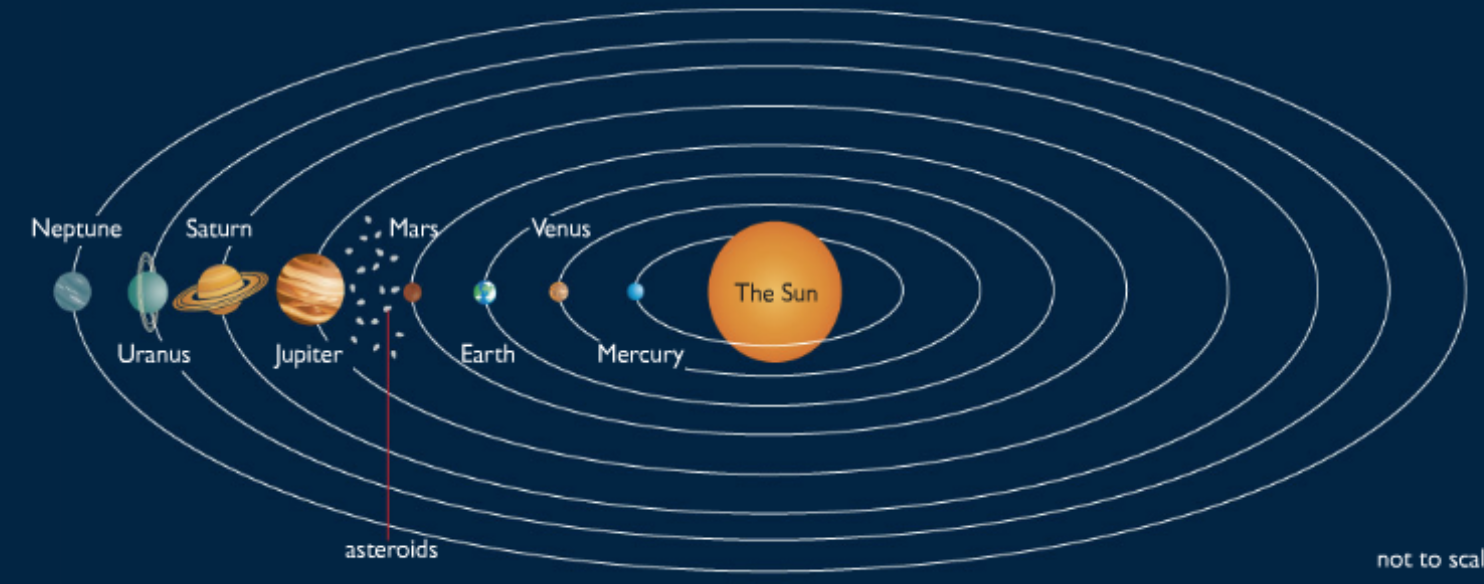
Orbits of planets - elliptical (squashed circles) and Sun is close to centre
Gravitational field strength - strength of gravity on planet or moon
Planets don’t emit light - non-luminous
Planets reflect light from Sun
Planets held in orbit by gravitational pull of Sun - stronger the closer they are to Sun
Página 2
Moons:
Natural objects which orbit planet
Motions determined by gravitational forces
Non-Luminous, reflect light from sun
Takes moon 29.5 days or 1 lunar month to orbit Earth
Spins on axis like the Earth, but more slowly, completes one rotation every lunar month
Página 3
Comets:
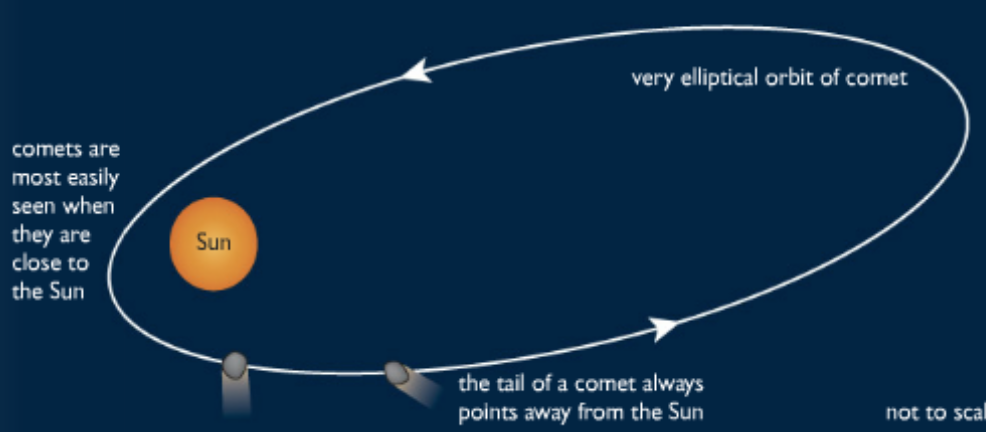
Orbit the Sun
1-30km in diameter
Made of dust and ice
Orbits are elongated - can be very close to Sun or at outer reaches of Solar System
Página 4
Asteroids:
Minor planets or rocks orbiting Sun
Belt of asteroids between orbits of Mars and Jupiter
Few m to 100s of km
Página 5
Satellites:
Objects which orbit a planet
Held in orbit by gravitational forces
Moons - natural satellites
Manufactured objects which orbit planet are artificial satellites
Página 6
Gravitational Forces:
Movements of all astronomical bodies determined by gravitational forces.
Newton’s Laws of Gravity:
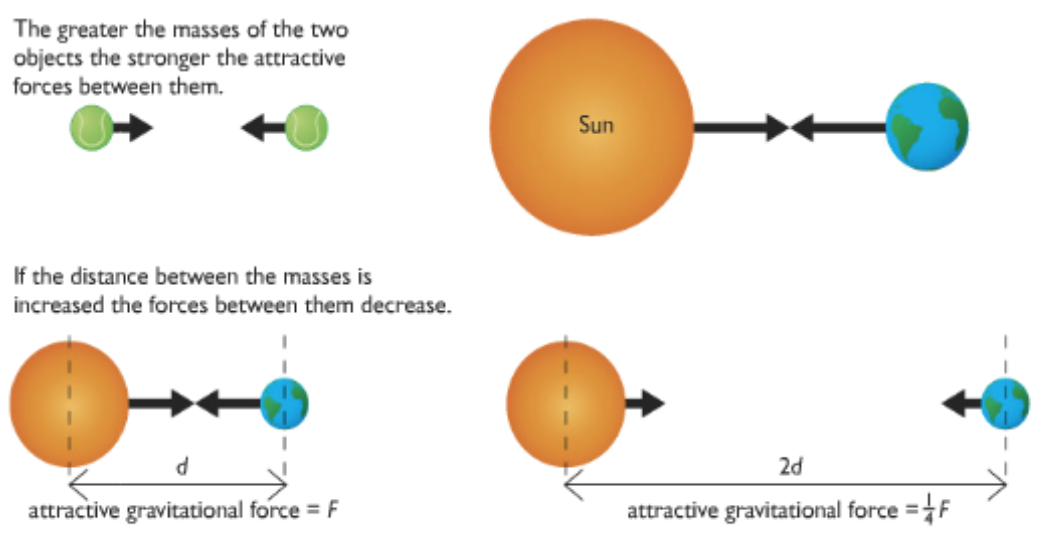
Between any two objects, force of attraction due to masses of objects
The force is gravitational force
Size of force depends on:
Masses of two objects
Distance between masses
Moving in a Circle:
Planets travel in orbits around Sun
Force has to be applied on them
Force is gravitational attraction between two masses
Gravitational attraction between mass of Sun and each of planets which holds Solar System together and causes planets to follow curved paths
Página 7
Orbital Speeds of Satellites:
Orbital Speed = (2 x π x orbital radius) / time for one complete orbit (T)
Distance - metre
Time - seconds
Información
- Descripción
- IGCSE Physics Apunte sobre Astronomy, creado por Aarushi Jain el 02/04/2017.
- Creado por
- Aarushi Jain · abr 2017
- Actualizado
- 2 abr 2017
- Visitas
- 2
- Valoración