
Test
PHSI3012 06-2 Atherosclerosis
Este test tiene tipos de pregunta que se abren en el reproductor de siempre.
Preguntas del test (8)
1What is atherosclerosis?
- AA subtype of arteriosclerosis in which an artery wall thickens as a result of invasion and accumulation of white blood cells (as well as proliferation of intimal-smooth-muscle cell) creating an atheromatous plaque. Chronic.
- BExactly the same thing as arteriosclerosis.
- CExactly the same thing as arteriolosclerosis.
- DA subtype of arteriolosclerosis in which an artery wall thickens as a result of invasion and accumulation of white blood cells (as well as proliferation of intimal-smooth-muscle cell) creating an atheromatous plaque. Chronic.
- EA subtype of arteriosclerosis in which an artery wall thickens as a result of invasion and accumulation of white blood cells (as well as proliferation of intimal-smooth-muscle cell) creating an atheromatous plaque. Acute..
- FA subtype of arteriolosclerosis in which an artery wall thickens as a result of invasion and accumulation of white blood cells (as well as proliferation of intimal-smooth-muscle cell) creating an atheromatous plaque. Acute.
2What's the etymology of atherosclerosis?
"Athere-" = [blank_start]__________[blank_end]
"-sclerosis" = [blank_start]__________[blank_end]- Ahardening
- Bsoftening
- Creddening
- Dbone-like
- Egroats (whatever, means "hardening")
- Fgoats (whatever, means "hardening")
- Gof Athens
3Which of the following are listed as major pathogenic factors for Atherosclerosis?
- AEndothelial dysfunction
- BEpithelial dysfunction
- CLipid deposits
- DCell proliferation/differentiation
- EInflammation
- FRole of reactive oxygen species
4Lipoprotein cholesterol intake is a major modifiable risk factor for CardioVascular Disease (CVD). Which way around does it work?
↑ HDL = [blank_start]_____[blank_end] risk;
↑ LDL = [blank_start]_____[blank_end] risk- A↓
- B↑
5Which of these fatty acids is which?
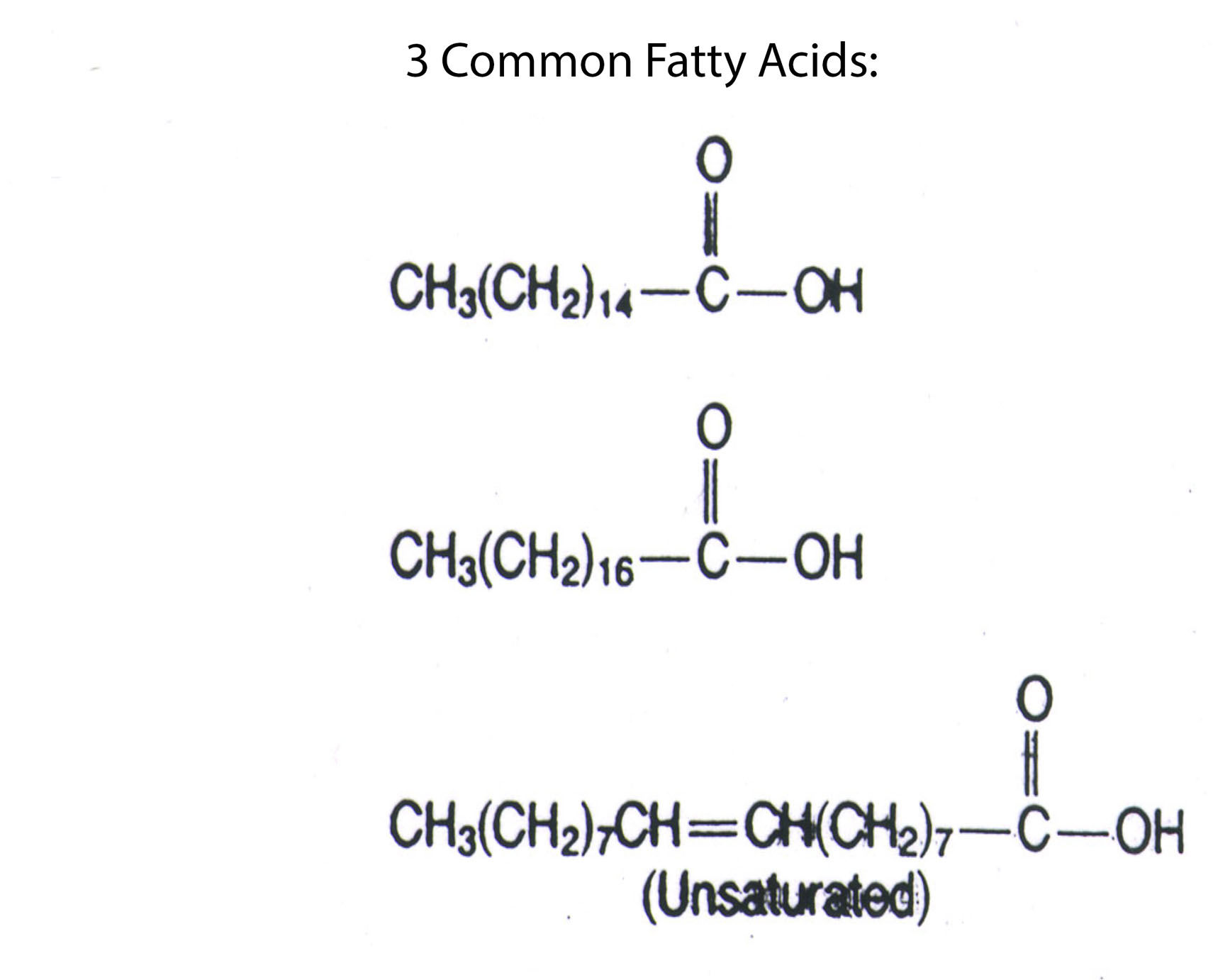
- APalmitic acid
- BStearic acid
- COleic acid
- DRetinoic acid
6Which is cis and which is trans?
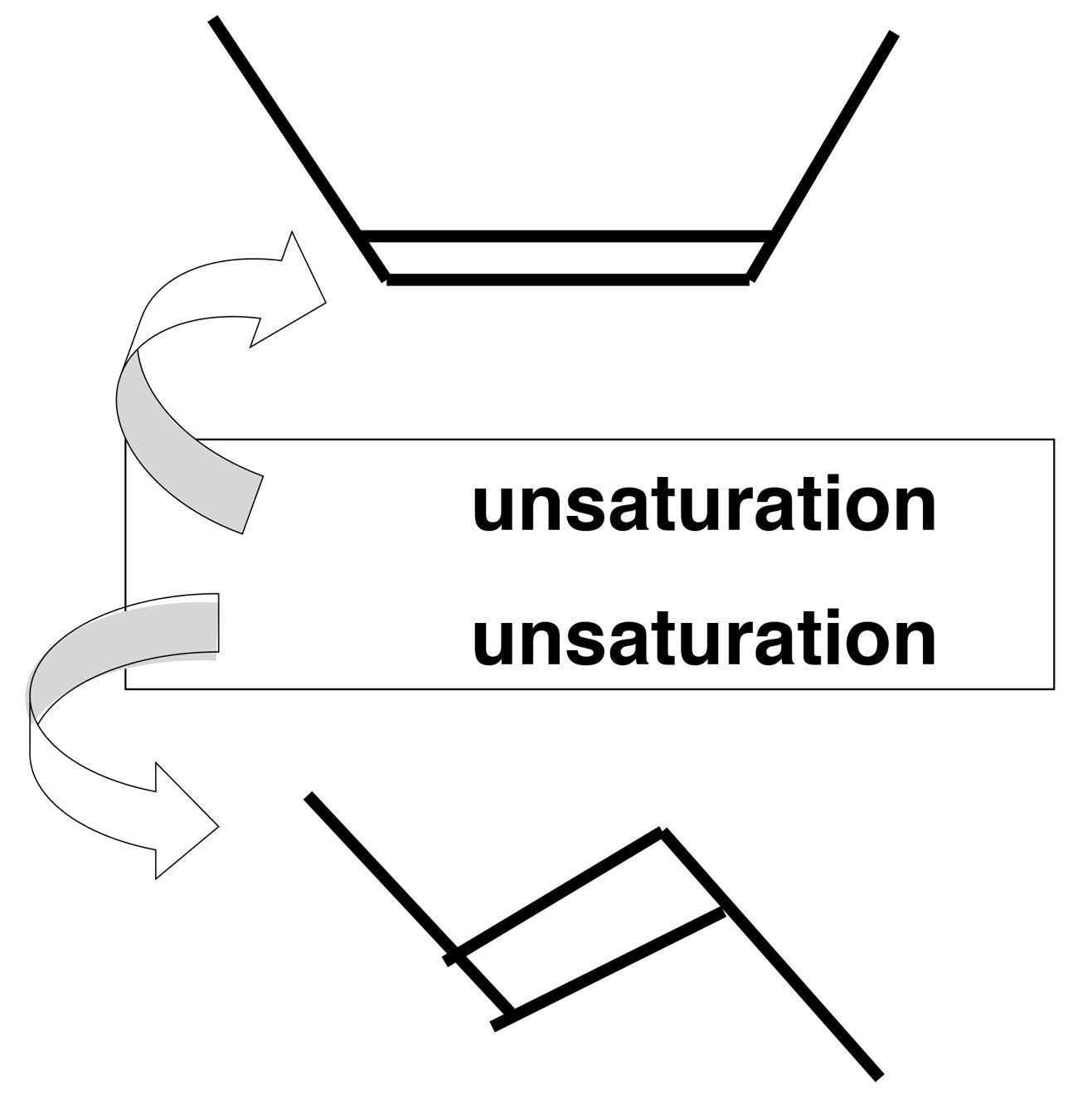
- ACis
- BTrans
7Dietary cholesterol [blank_start]__________[blank_end] endogenous production by liver.
- ASuppresses
- BFacilitates
8Fill in the gaps
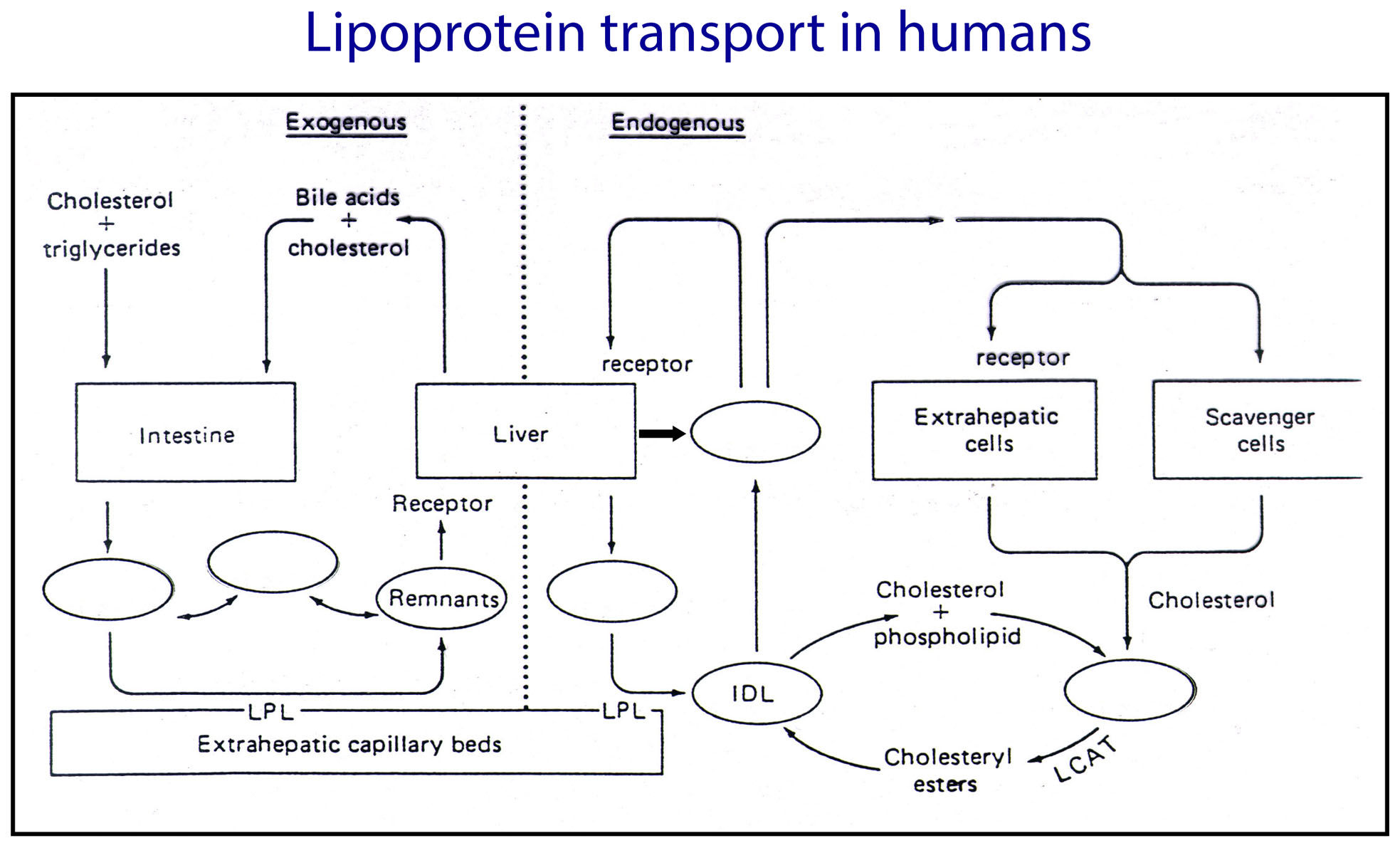
- AChylomicrons
- BHDL
- CLDL
- DVLDL
- ECholesterol
- FLipid
- GLDL
- HChylomicrons
- IHDL
- JVLDL
- KCholesterol
- LLipid
- MVLDL
- NChylomicrons
- OHDL
- PLDL
- QCholesterol
- RLipid
- SHDL
- TChylomicrons
- ULDL
- VVLDL
- WCholesterol
- XLipid
- YChylomicrons
- ZHDL
- AALDL
- ABVLDL
- ACCholesterol
- ADLipid
- AEChylomicrons
- AFHDL
- AGLDL
- AHVLDL
- AICholesterol
- AJLipid
- AKChylomicrons
- ALHDL
- AMLDL
- ANVLDL
- AOCholesterol
- APLipid
Información
- Descripción
- - Overview - Major factors in pathogenesis - Lipid metabolism (lipid biochemistry; lipoproteins; control mechanisms: cholesterol) - Pathogenesis - Risk modification
- Autor
- Usuario eliminado
- Idioma
- English
- Visitas
- 36
- Historial
- Creado el 22 nov 2017 · actualizado el 23 nov 2017
- Etiquetas
- Valoración
- Aún sin valoraciones Valora este test