
Apuntes
microphones and sound outputs
Contenido del apunte (3)
Página 1
Microphones and sound input
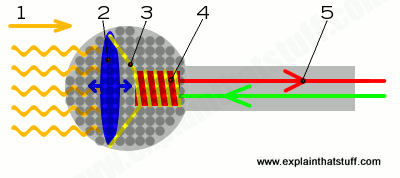
When sound reaches the microphone, the diaphragm vibrates backwards and forwards
Página 2
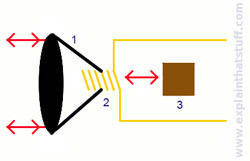
enjoy a film at the cinema or hear a friend’s voice over the phone. In order to translate an electrical signal into an audible sound, speakers contain an electromagnet: a metal coil which creates a magnetic field when an electric current flows through it. This coil behaves much like a normal (permanent) magnet, with one particularly handy property: reversing the direction of the current in the coil flips the poles of the magnet. Inside a speaker, an electromagnet is placed in front of a permanent magnet. The permanent magnet is fixed firmly into position whereas the electromagnet is mobile. As pulses of electricity pass through the coil of the electromagnet, the direction of its magnetic field is rapidly changed. This means that it is in turn attracted to and repelled from the permanent magnet, vibrating back and forth. The electromagnet is attached to a cone made of a flexible material such as paper or plastic which amplifies these vibrations, pumping sound waves into the surrounding air and towards your ears.
Página 3
Speakers came in all shapes and sizes, enabling you to listen to music on your iPod.
Información
- Descripción
- GCSE Computing Apunte sobre microphones and sound outputs, creado por microphones and output devices el 16/01/2019.
- Creado por
- microphones and output devices · ene 2019
- Actualizado
- 21 ene 2019
- Visitas
- 23
- Valoración