
Test
How much do you know about the MED EEB Community?
Preguntas del test (25)
1Which are the three main topics covered by MED EEB projects?

- Atools and strategies supporting energy efficiency measures
- Bschool buildings as specific targets
- Cfinancing public efficiency measures
- Dresearch and innovation
2Which are the main objectives of the MED EEB Community?

- Aidentifying synergies between different MED regions with a view to developing and implementing harmonized solutions
- Bimproving school education
- Creducing energy consumption in public buildings and thus contributing to lower levels of CO2 emissions
- Dtaking a step towards increased harmonization of policies in terms of energy efficiency in public buildings
3Do you know what CESBA MED stands for?

- ACentralized Efficiency Service for Building Assessment
- BCommon European Sustainable Built Environment Assessment
- CCentral European Sustainable Building Assessment
- DCommon European Service for Building Assessment
4IMPULSE is developing the KPIs platform which can be used for:
- Aplanning energy efficiency investments
- Bbuildings' classification
- Cfacilitating for public authorities to develop affordable energy efficiency action plans for public buildings
- Destimation of energy performance indicators
5PRIORITEE pilots aims at determining and monitoring energy consumption in municipal public buildings. In which countries are they being implemented?
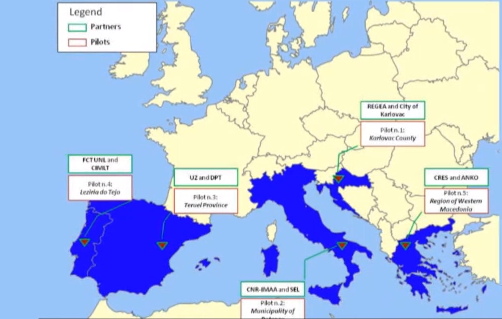
- AItaly, Slovenia, Croatia, Greece and Turkey
- BItaly, Portugal, Spain, Croatia and Greece
- CItaly, Portugal, Spain, Slovenia and Croatia
- DItaly, Portugal, France, Spain and Croatia
6How many EEB renovation projects will be carried out in regional buildings belonging to the regions participating in SHERPA?
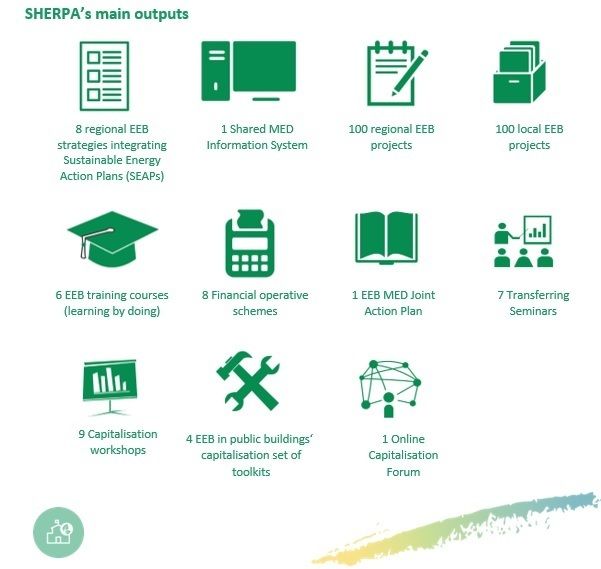
- AAround 10
- BAround 50
- CAround 100
- DAround 200
7What can the EduFootPrint calculator be used for?
- ACalculating residential buildings 'environmental footprint
- BCalculating museums' environmental footprint
- CCalculating schools' environmental footprint
- DCalculating libraries' environmental footprint
8What is the ENERJ Web platform?
- AA networking platform for schools
- BA database of the Energy Efficiency actions adopted by each municipality, SEAPs and other energy plans
- CA platform for carrying out energy audits
- DAn app for calculating environmental footprint of public buildings
9What NEW FINANCE intends to achieve?
- ANEW FINANCE intends to accelerate new investments in energy efficiency improvement projects in public buildings
- BNEW FINANCE intends to accelerate new investments in energy efficiency improvement projects in residential buildings
- CNEW FINANCE intends to accelerate new investments in energy efficiency improvement projects in SMEs
- DNEW FINANCE intends to accelerate new investments in energy efficiency improvement projects in transportation
10What opportunities are there for LPAs (Local Public Authorities) in adopting the SISMA Model?
- ALPAs will be able to overcome challenges they usually face when they have to finance investment projects on deep energy retrofitting of public buildings and to identify priority interventions in a pool of buildings
- BLPAs will be able to overcome challenges they usually face when they have to finance investment projects on deep energy retrofitting targeting only public schools and to identify priority interventions in a pool of buildings
- CLPAs will be able to overcome challenges they usually face when they have to finance investment projects on deep energy retrofitting targeting only public offices and to identify priority interventions in a pool of buildings
- DLPAs will be able to overcome challenges they usually face when they have to finance investment projects on deep energy retrofitting targeting only healthcare facilities and to identify priority interventions in a pool of buildings
11What the EPC Best Practices Collection developed by STEPPING consists of?
- AIt collects best practices used in MED area in implementing EPC for public buildings, baseline for elaboration of pilot’s methodologies.
- BIt collects best practices used in EU in implementing EPC for public buildings, baseline for elaboration of pilot’s methodologies.
- CIt collects best practices used in Italy in implementing EPC for public buildings, baseline for elaboration of pilot’s methodologies.
- DIt collects best practices used in Spain in implementing EPC for public buildings, baseline for elaboration of pilot’s methodologies.
12What is TEESCHOOLS aiming to achieve?
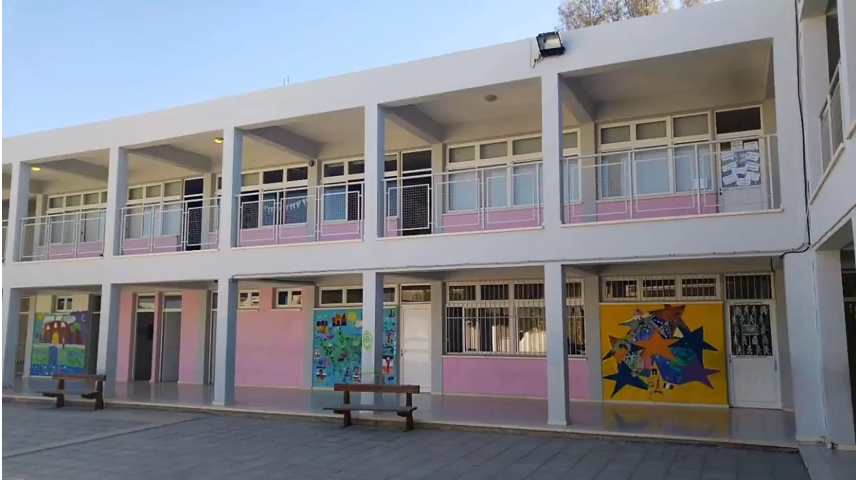
- AEnabling Mediterranean local and regional authorities to comply with the energy efficiency directive and facilitating transition towards to the NZEB concept in the public sector (specifically in schools)
- BEnabling Mediterranean local and regional authorities to comply with the energy efficiency directive and facilitating transition towards to the NZEB concept in the private sector
- CEnabling Mediterranean local and regional authorities to comply with the energy efficiency directive and facilitating transition towards to the NZEB concept in the public sector (specifically in offices)
- DEnabling Mediterranean local and regional authorities to comply with the energy efficiency directive and facilitating transition towards to the NZEB concept in the public sector (specifically in hospitals)
13IMPULSE introduces a protocol for public-buildings’ classification. This ensures:

- AAffordability in conducting feasibility studies and identifying cost-effective investments for a large group of buildings.
- BDirect reduction of energy consumption in the public sector.
- CShifting energy behaviour of citizens.
- DBetter management of energy renovation projects for public buildings.
14What is the final aim of the PRIORITEE toolbox?
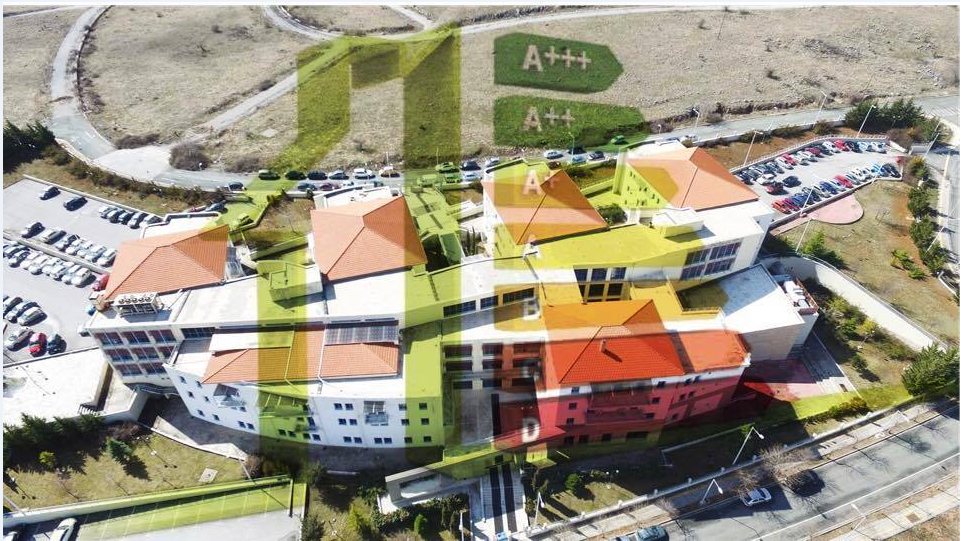
- ATo reinforce the capacities of public administrations in implementing energy audits.
- BTo reinforce the capacities of public administrations in selecting and implementing cost-effective energy planning measures.
- CTo reinforce the capacities of SME owners in implementing energy audits.
- DTo reinforce the capacities of SME owners in selecting and implementing cost-effective energy planning measures.
15What is the typology of regional buildings mostly represented within SHERPA?

- AOffices
- BEducational
- CCultural
- DSanitary
16What is LCA in the footprint calculation?
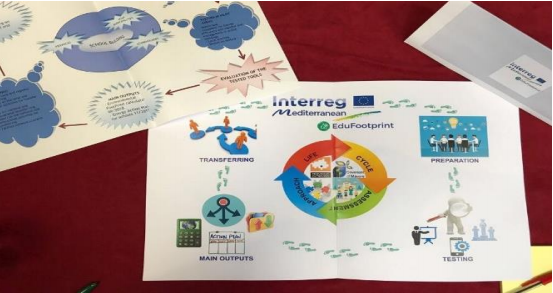
- Aan innovative monitoring device
- Ban approach for defining the energy efficiency in building s considering the direct (energy consumption, GHG emissions) and indirect impact (public procurement or behaviours)
- Ca type of certification for the building materials
- Da type of SEAP in the frame of the Covenant of Mayors
17What NEW FINANCE Platform can be used for?
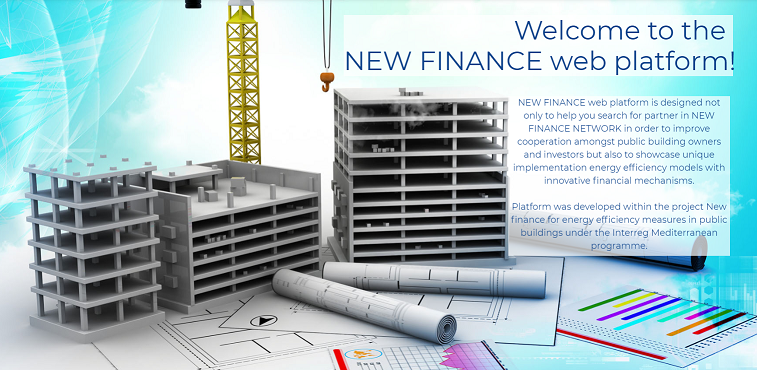
- ASearch for partners in NEW FINANCE Network
- BSearch for partners in the EEB Community
- CShowcase unique implementation of energy efficiency models with innovative financial mechanisms
- DShowcase unique implementation of renewable energy models with innovative financial mechanisms
18What does the SET tool calculate?

- Athe exact subsidy amount required for project bankability
- Bthe exact payback period
- Cthe amount of savings only in terms of energy
- Dthe amount of savings only in terms of money
19To whom will the STEPPING MED EPC Policy recommendation be addressed?
- Alocal officers
- Bnational research institute
- CEU-level ONG
- Dpolicy makers at any levels
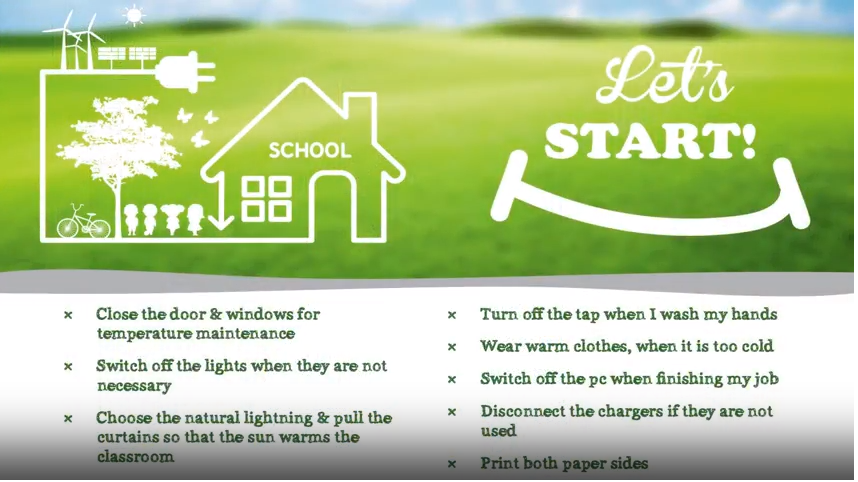
20What actions 35 selected school buildings from 7 different regions will be benefiting from in the TEESCHOOLS project?
- Aenergy audits and renovation plans
- Bdevelopment of financing schemes
- Ccalculation of carbon footprint
- Drefurbishment of school buildings
21What is the share of energy consumption from buildings globally?
- A20%
- B32%
- C50%
- D85%
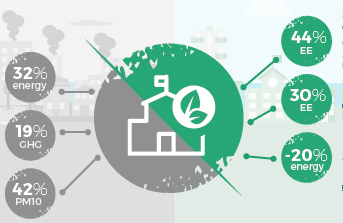
22What is the share of (energy-related) GHG emissions from buildings globally?
- A5%
- B12%
- C17%
- D19%
23In your opinion, what may be the impact of small behavioral changes in buildings management?

- A5% of energy demand reduction
- B10% of energy demand reduction
- C15% of energy demand reduction
- D20% of energy demand reduction
24What is the main factor/tool used for the elaboration in an Energy Performance Contract of a building or facility

- AThe number of people living/working in the building
- BThe location of the building
- CAn energy audit to measure the energy consumption profile
- DThe characteristic use of the building
25Energy efficiency is a concept very related to NZEB (Nearly Zero Energy Building) or ZEB (Zero Energy Building), as when we increase efficiency, it results in less energy consumption, so buildings are closer to NZEB or ZEB. Is there any clear definition at EU level that encompasses any country?
- AYes there is a clear definition in DIRECTIVE 2010/31/EU
- BNo there isn’t
- CIt’s impossible to give the same definition for all European countries
- DEach European country has to make its own definition
Información
- Descripción
- The Energy Efficiency in Buildings (EEB) Community created, supported, and managed by the Interreg MED project MEDNICE has the ambition to provide useful and meaningful answers to issues faced by public organizations in the field of energy efficiency in public buildings. Join us at: https://efficient-buildings.interreg-med.eu/join-the-community/ Visit us in the exhibition area to find the answers to the questions :)
- Autor
- Kinga Konya
- Idioma
- English
- Visitas
- 144
- Historial
- Creado el 18 mar 2018 · actualizado el 17 abr 2018
- Etiquetas
- Valoración
- Aún sin valoraciones Valora este test