
Test
Living things (Richmond Primary 5)
Este test tiene tipos de pregunta que se abren en el reproductor de siempre.
Preguntas del test (22)
1Cells are the [blank_start]basic[blank_end] [blank_start]units[blank_end] of life. All [blank_start]living[blank_end] things are made up of cells.
- Abasic
- Bunits
- Cliving
2Please select the three basic life processes that cells carry out for living
- ANutrition
- BCommunication
- CSensorization
- DSensitivity
- EReproduction
- FRelation
3Match the words with their right definition:
[blank_start]NUTRITION[blank_end] = Cells obtain nutrients and energy from food
[blank_start]REPRODUCTION[blank_end] = Cells can divide and produce new cells that are identical to themselves
[blank_start]SENSITIVITY[blank_end] = Cells react to what they perceive around them- ANUTRITION
- BREPRODUCTION
- CSENSITIVITY
4Match the living things depending the number of cells:
[blank_start]UNI[blank_end]CELLULAR - Living things made up of a single cell
[blank_start]MULTI[blank_end]CELLULAR - Living things made up of many cells- AUNI
- BMULTI
5Please, label the main parts of a plant cell (drag the definition to its right orange dot)
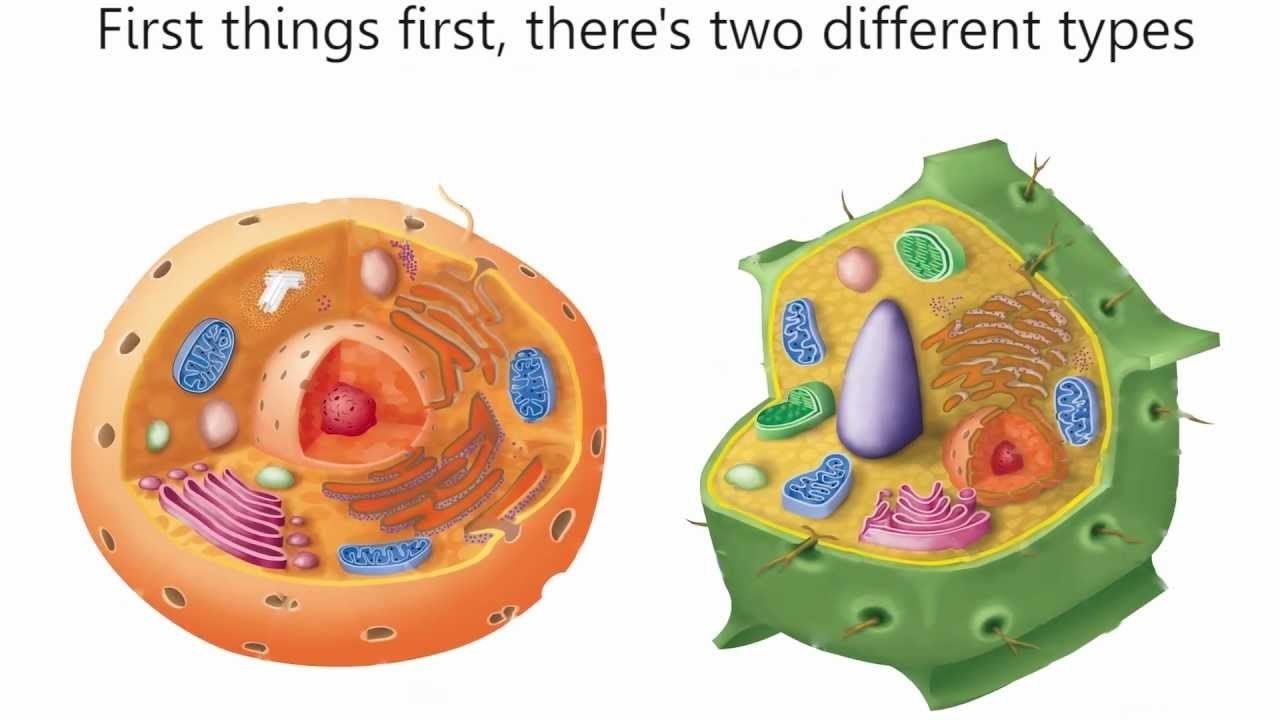
- ANucleus
- BCell wall
- CChloroplast
- DOrganelles
- ECytoplasm
- FMembrane
6Please, label the main parts of an animal cell (drag the definition to its right orange dot)
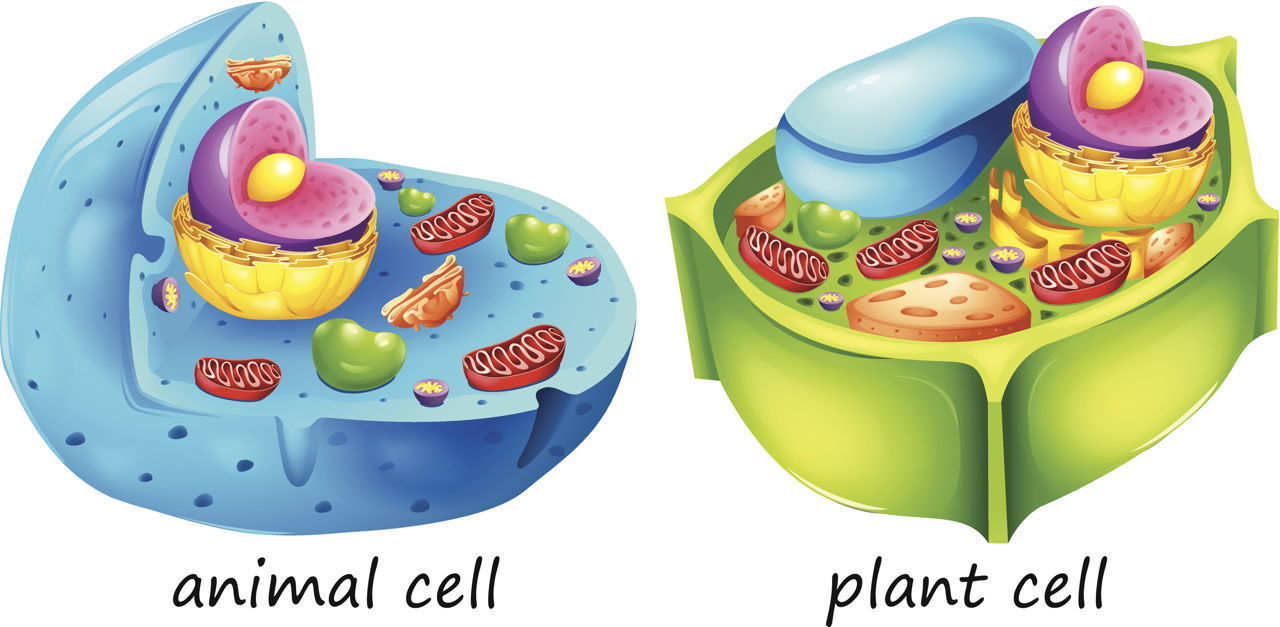
- ANucleus
- BMembrane
- CCytoplasm
- DOrganelles
7Animal and plant cells are different in many ways, for example:
(a) Plant cells have a rigid [blank_start]cell[blank_end] [blank_start]wall[blank_end] around the membrane (that's why the stems and branches are so hard)
(b) Plant cells have specialized organelles called [blank_start]chloroplasts[blank_end] that absorb [blank_start]sunlight[blank_end] which plants need to make their food.
(c) Plant cells are usually [blank_start]bigger[blank_end] than animal cells and have a regular shape.- Acell
- Bwall
- Cchloroplasts
- Dsunlight
- Ebigger
8Cells are very small but, do they have the same shape and size?
- AVerdadero
- BFalso
9Cells at muticellular living things work together at different [blank_start]levels[blank_end] of [blank_start]organization[blank_end].
- Alevels
- Btypes
- Cparts
- Dorganization
- Ecollaboration
- Ffriendship
10Please, sort these levels of organization from the smallest to the biggest (and more complex)
(SMALLEST) [blank_start]Tissues[blank_end] >[blank_start]Organs[blank_end]>[blank_start]Systems[blank_end]>[blank_start]Organisms[blank_end] (BIGGEST)- ATissues
- BOrgans
- CSystems
- DOrganisms
11Look at the diagram and sort the different levels of organization. Drag the answer to its right position.
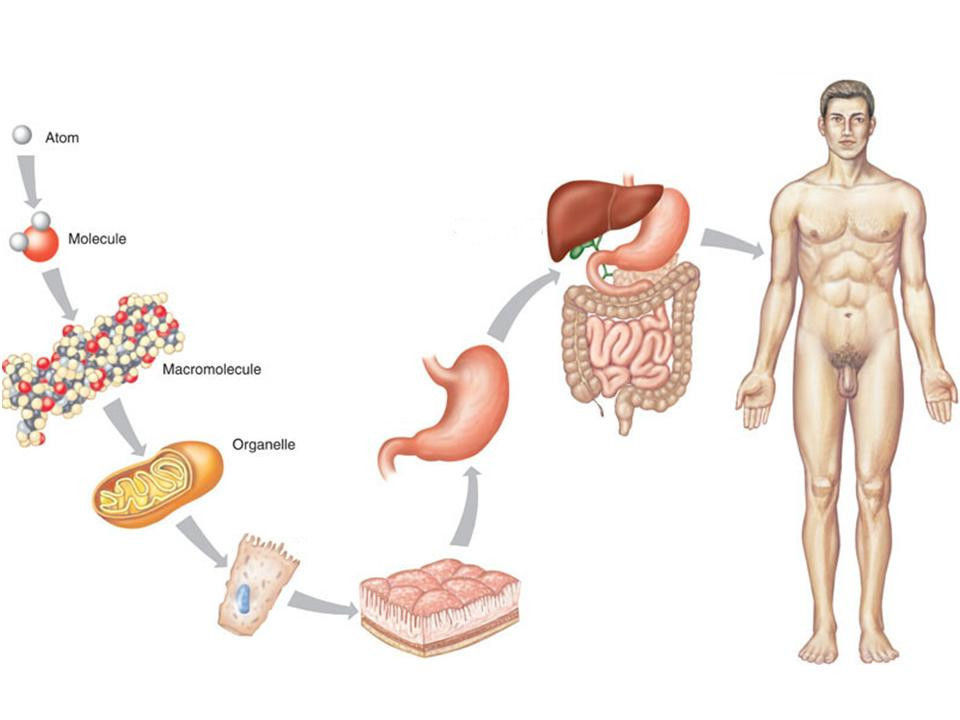
- AOrgan
- BTissue
- CCell
- DOrganism
- ESystem
12Groups of the [blank_start]same[blank_end] type of cells join together to form [blank_start]tissues[blank_end].
- Asame
- Btissues
13[blank_start]Tissues[blank_end] in organs work together to perform a [blank_start]common[blank_end] function
- ATissues
- Bcommon
14How many levels of organization can you find in a unicellular living thing such as baterias?
- A1
- B2
- C3
- D4
15Please, identify the parts of a microscope by dragging the right option
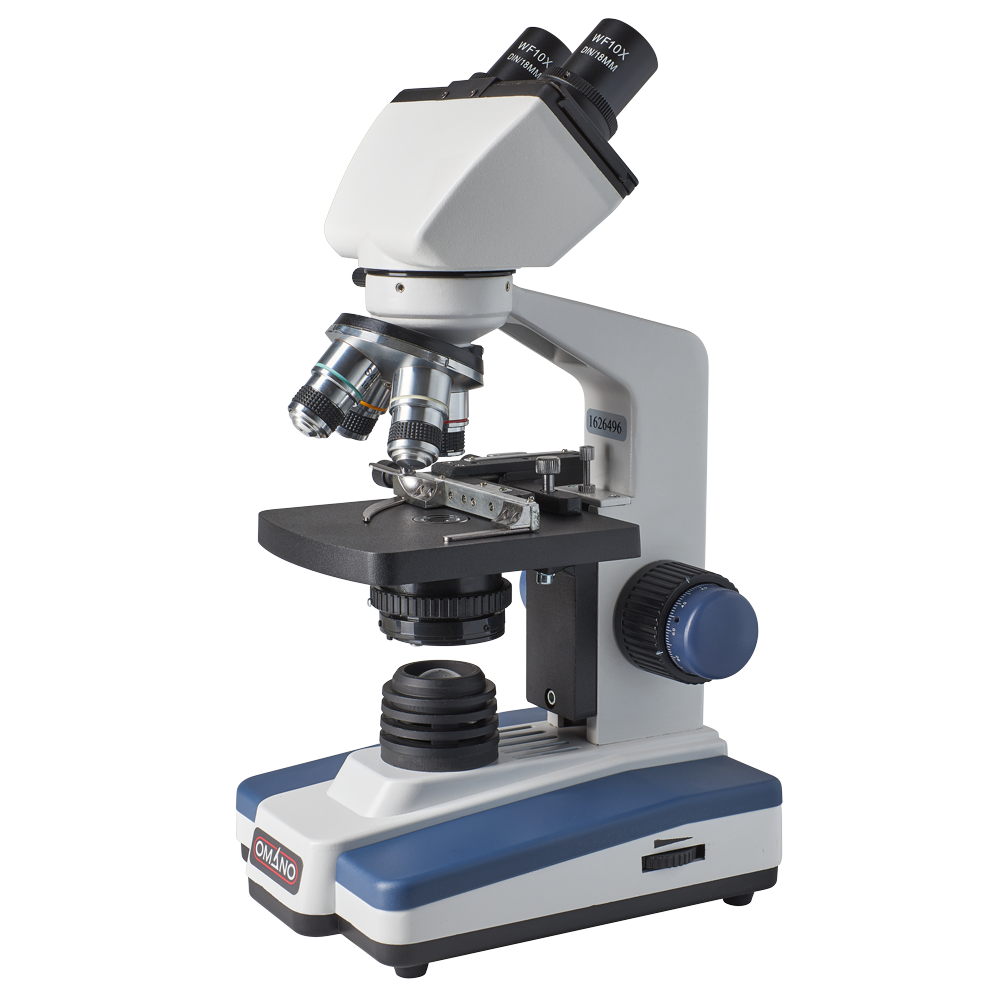
- AEyepiece
- BTube
- CFocusing knob
- DBase
- ELight source
- FDiaphragm
- GStage
- HObjective lenses
- IArm
16What is a microscope for?
- ATo observe very small thing
- BTo observe very distant objects
17Do you know the spanish word for "TISSUE"?
- ATejido
- BTisú
- CPiel
18Select the right translation into Spanish of "ORGANELLES"
- AOrgánulos (no elijas esta que aciertas)
- BOrganillos (para el quiera ser pillo ;-) )
- COrganúsculos (para el que le gusten los bulos ;-) )
19Los microscopios tienen "LENSES", pero ¿cómo se llaman en español?
- ALentes
- BGafas
- CLupas
20Para ver por un microscopio ponemos el ojo sobre un "EYEPIECE", ¿ qué es en español ?
- AOcular
- BEsto no ...
- CEsto tampoco ...
21En inglés los seres vivos están compuestos por "CELLS" pero en español están compuestos por...
- A... células
- B... celdas
22[blank_start]Cells[blank_end] need to be observed through a [blank_start]microscope[blank_end], an instrument with two type of [blank_start]lenses[blank_end]: the [blank_start]eyepieces[blank_end] and the [blank_start]objective[blank_end] lenses.
- ACells
- Bmicroscope
- Clenses
- Deyepieces
- Eobjective
Información
- Descripción
- Ciencias Naturales Test sobre Living things (Richmond Primary 5), creado por Jose Manuel Payán del Río el 14/10/2018.
- Idioma
- Español
- Visitas
- 327
- Etiquetas
- Valoración
- Aún sin valoraciones Valora este test