
Test
Science review test- More like a unit test :I
Preguntas del test (70)
1What does HHPS stand for?
- AHazardous Household Poisonous Materials
- BHazardous household Products Symbols
- CHousehold Hazardous Proper Symbols
- DHousehold Hazards Proper Style
2What does WHMIS stand for?
- AWorkplace Hazardous Materials Information System
- BWorkplace Hazards Might Inform Salvation
- CWorkplace Hazardous Material Information system
- DWorkplace Hazardous Maybe Informational System
3If there is a triangle around the picture the container is dangerous
- AVerdadero
- BFalso
4If there is an octagon around the picture the container is dangerous
- AVerdadero
- BFalso
5If there is an octagon around the picture the contents are dangerous
- AVerdadero
- BFalso
6Which of these are WHMIS symbols?
- AOxidization
- BBio-hazardous infectious materials
- CFlammable
- DCompressed gas
- EHarmful to the environment
- FExplosive
- GHealth hazard
- HHarmful
- IPoison
- JHarmful to children
7Which of these is the WHMIS symbol for flammable
- A
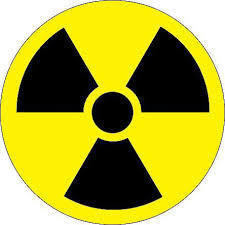
- B
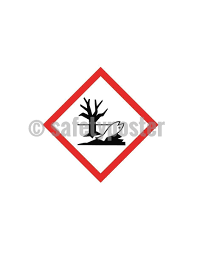
- C

- D

- E
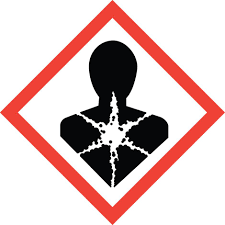
- F
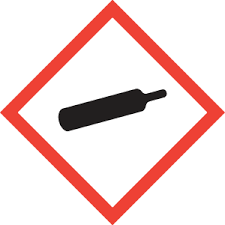
- G
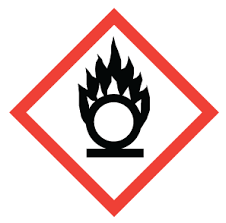
- H
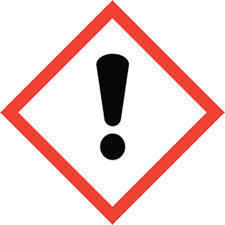
- I
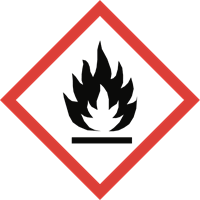
- J
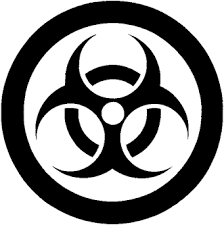
- A
8Which of these are HHPS symbols?
- A
- B
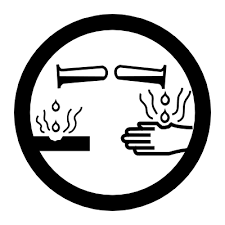
- C
- D

- E
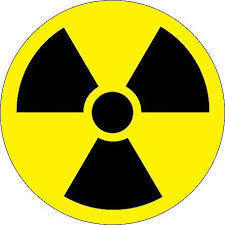
- F
- G
- H

- A
9what does this symbol stand for?
- AMaterials Causing Other Toxic Effects
- BTractability
- CPoisonous Materials
- DCostly Effects if Touched
10Materials that are harmful to the environment are:
- ADeodorant
- BHairspray
- CLaundry detergent
- DWater
- EOrange peels
11Have you reviewed your notes lately?
- AYes
- BNo
12Define a colloid
- ALight does not go through suspension
- BLight goes through suspension
- CA fluid that cannot be separated
13What are methods of separating a colloid?
- ASifting
- BDistillation
- CEvaporation
- DFiltration
- EAbsorption
- FBoiling
- GFunnels
- HStrainer
- IFind the density
- JVolume
14Which of these are separation methods?
- ASifting
- BEvaporation
- CReverse Osmosis
- DRotational Force
- EChemical Seperation
- FStirring
- GNuclear seperation
- HJust leave it to the professionals
15This is the symbol for bio-hazardous materials right? If so than HIV, AIDs, Hepatitis B and salmonella are all sicknesses that are caused by bio-hazardous materials, true or false?
- AVerdadero
- BFalso
16What does this symbol mean and what do products with this symbol on them do to the user if used inappropriately?
- AOxidization, products can burn the inside of your body
- BFlammable, products can easily catch on fire
- CExploding bomb, products can easily blow up
- DHarmful, can cause irritation to eyes and skin
- EFlammable, products can burn the inside of your body
17Which of these are WHMIS symbol names?
- AHarmful to the environment
- BFlammable/combustable
- CCompressed gas
- DExploding bomb
- ECorrosion
- FOxidizing
- GHealth hazard
- HBio-hazardous infectious materials
- IHarmful
- JPoisonous
18How many levels are there of bio-hazardous materials and how are they ranked?
- AFour levels, ranked by type of bacteria and what kind of diseases/viruses they inflict
- BTwo levels, ranked by how many types of bacteria there are in one category
- CEight levels, ranked by how many people die per disease caused by bacteria
- DOne level, all bacteria that cause diseases go under the same category
19What is absolutely everything made of?
- AParticles
- BAtoms
- CNeutrons
- DCurry
20What are the four rules of the particle model?
- AAll matter is made up of tiny particles
- BParticles never stop moving
- CParticles are attracted to each other, some more than others
- DThere is space between the particles
- EParticles always move faster when around each other
- FParticles are always in one of the three states of matter
- GParticles can be swallowed by other particles
21Water is the universal solvent because it is the most accessible
- AVerdadero
- BFalso
22Salt is the universal solute because it dissolves in almost any aqueous solvent
- AVerdadero
- BFalso
23What does solubility depend on?
- AType of solvent,Type of solute, and the temperature
- BType of solute, stirring material, and the temperature
- CType of water, how cold your freezer is, and how much you have in the beaker
24Different substances are made of different particles
- AVerdadero
- BFalso
25There are more particles in a given volume of a solid then there are in the same volume of a liquid
- AVerdadero
- BFalso
26What kind of movements are particles making when they are in solid form?
- AWiggling in place
- BNot moving at all
- CSlowly drifting from side to side
- DQuickly flying all over the place
27What kind of movements are particles making in liquid form?
- AParticles are sliding around and over each other
- BParticles are sliding around as if they were on ice
- CParticles are barely moving
- DParticles are moving
- EParticles are moving quickly
- FParticles are moving faster
28What king of movement are particles making when they are in gas form?
- AParticles will move as far as the space they are in will allow them to
- BParticles are flying all over the place
- CParticle are barely moving
29Does temperature effect solubility? How so or how not?
- ATemperature does not effect solubility.
- BTemperature effects solubility by making the particles closer together so that other particles cannot slide in between them. No matter what temperature you heat or cool the solvent to, this will always be the same.
- CTemperature does effect solubility. When heated, particles spread out and when cooled particles get closer together, either allowing particles to go in between each other or not. The hotter the solvent, the higher the saturation point, vice versa.
- DTemperature does not effect solubility because the particles do not react to different temperatures. They kind of just do what they want as the travel around and between each other.
30Cool air is energy
- AVerdadero
- BFalso
31Heat is energy
- AVerdadero
- BFalso
32Water can go between all three states of matter
- AVerdadero
- BFalso
33How does temperature effect viscosity of a fluid? Does it? Explain-
- ATemperature effects viscosity because the more energy, the more particles will move and the fluid will have a lower viscosity. Vice versa.
- BTemperature does not effect the viscosity of a fluid because the viscosity of a fluid depends on the types of particles it is made of.
- CTemperature effects the viscosity of a fluid by making the fluid almost a solid if it has any viscosity at all, if it has no viscosity then it will be like water.
34What is the definition of density?
- AThe amount of matter in a given volume
- BThe mass
- CThe mass of the solid in liquid form
35What is the formula to find density?
- ADivide the mass by the volume in order to find the density
- BMultiply the mass by the volume in order to find density
- CSubtract the mass from the volume in order to find the density
- DAdd the mass to the volume in order to find the density
36When heated the mass changes
- AVerdadero
- BFalso
37When heated the mass and density changes but not the volume
- AVerdadero
- BFalso
38According to the particle model:
- AFor each substance, the number of particles in a given volume remains constant if the temperature is kept constant.
- BFor each substance, the amount of the particle never changes no matter how hot of cold the substance is.
- CFor each substance, the amount of heat is evenly distributed to all of the particles so that the substance will have a consistent weight.
39What happens to a substance as it heats?
- AThe particles move faster
- BThe particles spread apart
- CThe volume increases
- DThe density decreases
- EThe particles slow down
- FThe particle eventually stop moving
40A substance has greater density in its solid state than in its liquid state
- AVerdadero
- BFalso
41Why does hot air rise?
- ABecause hot air has more space between the particles so it becomes lighter, vice versa.
- BHot air doesn't rise
- CHot air rises because of air pollution
42Why does wood float on water?
- ABecause the water has a greater density than the wood
- BBecause the wood has a greater density than the water
- CBecause the water is warmer than the wood
- DBecause the water is colder than the wood
43The greater the friction or rubbing between particles in any fluid, the higher the viscosity. Therefore, fluids with a high viscosity do not flow as easily as fluids with a low viscosity.
- AVerdadero
- BFalso
44What is the definition of buoyancy?
- AHow something floats
- BWhether or not something sinks
- CHow something sinks
- DThe mechanics of gravity
45An object will sink when its density is greater than the fluid its in.
- AVerdadero
- BFalso
46The liquid pushes the object back up with an opposite force. This is called:
- ABuoyant force
- BGravity
- CLift
- DThrust
- EDrag
47How do you know when a solvent has reached its saturation point?
- AWhen there are large buildups of the solute on the bottom of the beaker/container.
- BWhen there are bits of the solute flying around in the solvent.
- CA solvent never reaches the saturation point.
- DWhat's a saturation point?
48Define the characteristics of a homogenous solution:
- A(Solution)- Every part of the mixture looks the same. Mixtures that look as if they only have one set of properties, they are blended so thoroughly that every part of the mixture will contain equal amounts of the matter it is made of. No matter rest/separates
- B(Mechanical mixture)- Every part of the mixture looks the same. Mixtures that look as if they only have one set of properties, they are blended so thoroughly that every part of the mixture will contain equal amounts of the matter it is made of. No matter rest/separates
- C(Mechanical mixture)-A mixture that contains two or more materials that are still visible.
49Define a heterogeneous solution:
- A(Solution)-Mixture that contain two or more materials that are still visible.
- B(Mechanical mixture)-Mixture that contain two or more materials that are still visible.
- C(Solution)-Every part of the solution looks the same and does not rest/separate.
- D(Mechanical mixture)-Every part of the solution looks the same and does not rest/separate.
50Mixture definition: Combination of two substances such that each of the properties are not lost, but may be hidden. Ex. Soda, can taste sugar but can't see it.
- AVerdadero
- BFalso
51Select the correct classifications of matter.
- AAll matter is made up of either pure substances or a mixture of substances.
- BMatter does not have any classifications.
- CMatter is made up of particles, Particles are always moving, they have space between them, they are attracted to each other (some more than others), all matter is made up of tiny particles.
52Which of these are pure substances?
- AGold
- BIron
- CCalcium
- DLipstick
- EFries
- FThe Iphone X
53Which of these are not pure substances?
- ACarbon
- BSteel
- CSoda
- DApple juice
54Pure substances are substances that can be separated into other substances.
- AVerdadero
- BFalso
55Which of these are chemical compounds?
- ADistilled water
- BWater
- CTable salt
56The WHMIS symbols were changed in 2018 so that they would be the same around the world.
- AVerdadero
- BFalso
57What is the definition of a suspension?
- AA mixture in which particles settle slowly
- BA suspension is no different than a colloid
- CA solution in which particles settle slowly
- DA mixture in which particles never settle
58Particles in a colloid settle.
- AVerdadero
- BFalso
59Do particles settle in a colloid?
- AVerdadero
- BFalso
60What are some examples of a suspension?
- AOrange juice with pulp
- BShaving cream
- CWater
- DTea with leaves in it
61What are some examples of a colloid?
- AShaving cream
- BHair gel
- CWater
- DSoda
- EOxygen
- FSome aerosols
62A solute is a solid that can be dissolved into a liquid.
- AVerdadero
- BFalso
63A solvent is a liquid that can dissolve solids
- AVerdadero
- BFalso
64When a solvent is super saturated can it have anything more dissolve in it?
- ANope
- BYep
65What are aqueous solutions
- ASolutions with water in them
- BSolutions without water
- CSolvents that have reached their saturation point
66To turn a liquid or gas into a solid you need to take away energy
- AVerdadero
- BFalso
67Phase change in the process of switching between the states of matter
- AVerdadero
- BFalso
68Pressure is when molecules don't move
- AVerdadero
- BFalso
69Steam comes from solids
- AVerdadero
- BFalso
70Water vapour comes from a liquid
- AVerdadero
- BFalso
Información
- Descripción
- Yes that is a tag
- Autor
- Aliyah Merritt
- Idioma
- English
- Visitas
- 30
- Etiquetas
- Valoración
- Aún sin valoraciones Valora este test