
Test
Developing reading for meaning skills
Este test tiene tipos de pregunta que se abren en el reproductor de siempre.
Preguntas del test (10)
1What is the FAP of this extract?
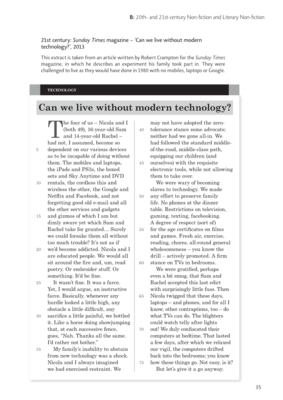
- ANewspaper article for middle-class adults to examine, explore and entertain
- BMagazine article for young adults to argue, persuade advise
- CWebpage for parents to explain, inform and advise
- DNewspaper article for parents to inform, explain and describe
2The article is written in the first person, past tense.
- AVerdadero
- BFalso
3Provide three examples of colloquial language from the extract. Choose from the drop-down menus.
Example 1: [blank_start]gadgets and gizmos[blank_end]
Example 2: [blank_start]the zero-tolerance stance[blank_end]
Example 3: [blank_start]let's give it a go[blank_end]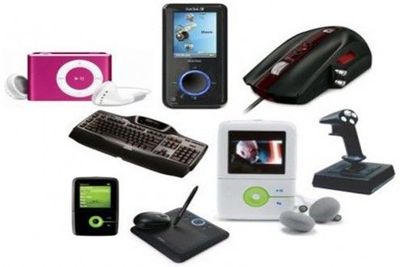
- Agadgets and gizmos
- Bmobiles and laptops
- CiPads and PS3s
- Dthe zero-tolerance stance
- Eexercised restraint
- Ffollowed the standard
- Glet's give it a go
- Hany effort to preserve family life
- Isurprisingly little fus
4What language feature is being used in this quotation?
Like a horse doing showjumping that, at each successive fence, goes "Nah. Thanks all the same. I'd rather not bother"
- ASimile
- BMetaphor
- CJuxtaposition
5Which of these phrases indicate that use of technology becomes like an addiction?
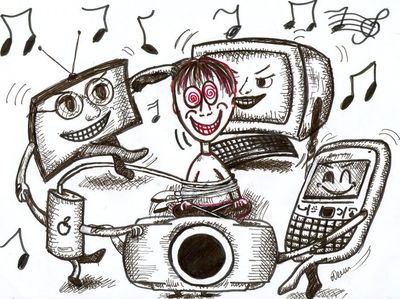
- AIt's not as if we'd become addicted.
- Binability to abstain
- Cbecoming slaves to technology
- Dwe relaxed our vigil
- Ewe could forsake them all
- Fwe had exercised restraint
6What do we learn about the writer and his family from these two paragraphs?
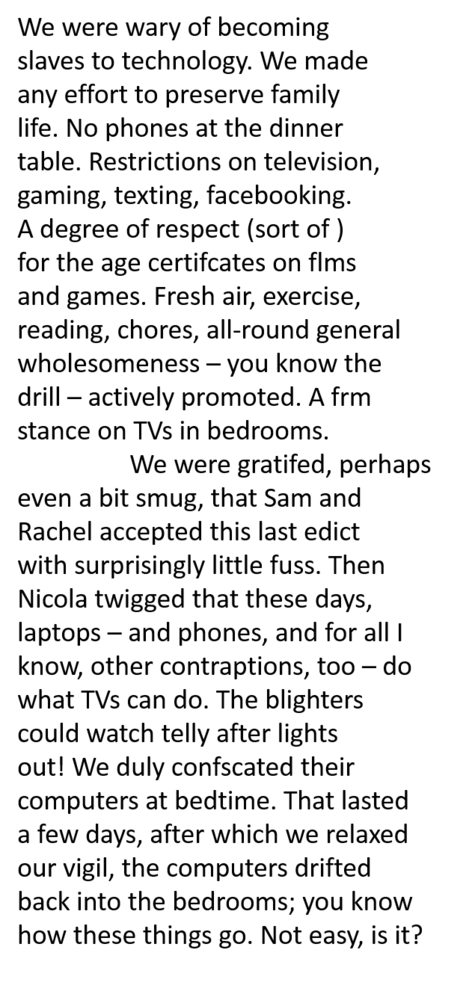
- AAware of danger of relying on technology
- BTried to live traditionally
- Cimpose sensible rules
- DTrying to achieve balance
- EFelt they had won
- FParents left behind by tech
- Gkids more tech-savvy
- HUse of tech is inevitable
- IAppeal to the reader
7Which of the following techniques are used to interest us in the issue of modern technology. Tick all that apply

- AColloquial language
- BInformal tone
- CHumour
- Dcliches
- Esimiles
- FRhetorical questions
- GEmotive language
- HJuxtapositions
- ISensory language
8Choose three examples of language used for humourous effect from the drop-down menus .
Example 1: [blank_start]It wasn't fine. It was a farce.[blank_end]
Example 2: [blank_start]A degree of respect (sort of) for[blank_end] the age certificates on films and games
Example 3: The [blank_start]blighters could watch telly[blank_end] after lights out!
- AIt wasn't fine. It was a farce.
- BNicola and I are educated people
- CIt'd be fine
- DA degree of respect (sort of) for
- EAn awareness of
- FA strict adherence to
- Gblighters could watch telly
- Hchildren could watch television
- Ikids could watch the TV
9Which of the following quotes from the extract sums up what the writer was trying to achieve?

- Aequipping our children (and ourselves) with the requisite electronic tools, while not allowing them to take over.
- BWe made any effort to preserve family life
- CFresh air, exercise, reading, chores, all-round general wholesomeness
- DA firm stance on TVs in bedrooms
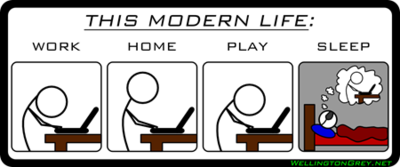
10The writer comes to the conclusion that you just have to give in and allow technology to control you.
- AVerdadero
- BFalso
Información
- Descripción
- a 10 question quiz based on an extract from a Sunday Times article about our reliance on modern technology. The questions in the quiz test the reading for meaning skills learners have been taught in the video lesson.
- Autor
- Sarah Holmes
- Idioma
- English
- Visitas
- 259
- Historial
- Creado el 13 oct 2015 · actualizado el 3 ene 2017
- Etiquetas
- Valoración
- 5,0 de 5 · 1 valoración Valora este test