
Test
Key Factors in Maintaining Animal Health
Este test tiene tipos de pregunta que se abren en el reproductor de siempre.
Preguntas del test (32)
1Describe the SOAPier method used in assessing a patient:
S[blank_start]ubjective[blank_end]
O[blank_start]bjective[blank_end]
A[blank_start]ssessment[blank_end]
P[blank_start]lanning[blank_end]
i[blank_start]mplement[blank_end]
e[blank_start]valuate[blank_end]
r[blank_start]eassess[blank_end]- Aubjective
- Bbjective
- Cssessment
- Dlanning
- Emplement
- Fvaluate
- Geassess
2Type either increase or decrease:
Pyrexia causes temperature to: [blank_start]increase[blank_end]
Excitement causes temperature to: [blank_start]increase[blank_end]
Fever causes the pulse to: [blank_start]increase[blank_end]
Exercise causes the pulse to: [blank_start]increase[blank_end]
General Anaesthesia causes pulse to: [blank_start]decrease[blank_end]
Anxiety causes respiration to: [blank_start]increase[blank_end]
Hypoxia causes respiration to: [blank_start]increase[blank_end]
Sleeping causes respiration to: [blank_start]decrease[blank_end]
Prolonged anaesthesia causes temperature to: [blank_start]decrease[blank_end]
Hypothermia causes pulse to: [blank_start]decrease[blank_end]
Moribund causes respiration to: [blank_start]decrease[blank_end]- Aincrease
- Bincrease
- Cincrease
- Dincrease
- Edecrease
- Fincrease
- Gincrease
- Hdecrease
- Idecrease
- Jdecrease
- Kdecrease
3Match the term with the definition:
[blank_start]Sinus Arrythmia[blank_end]: Pulse increases with inspiration and decreases with expiration in a healthy animal
[blank_start]Orthopnoea[blank_end]: difficulty breathing which is relieved when in sternal or upright position
[blank_start]Inappetance[blank_end]: anorexia, lack of appetite
[blank_start]Pica[blank_end]: unnatural cravings for strange foods- ASinus Arrythmia
- BOrthopnoea
- CInappetance
- DPica
4What is the normal temperature of a dog?
- A38.3 - 38.7 degrees C
- B37 - 38 degrees C
- C37.5 - 38.5 degrees C
- D38.3 - 38.9 degrees C
5What is the respiratory rate of a cat?
- A25 - 35 bpm
- B15 - 35 bpm
- C20 - 30 bpm
- D20 - 35 bpm
6What is the heart rate of a horse?
- A29 - 50 bpm
- B28 - 45 bpm
- C25 - 40 bpm
- D28 - 40 bpm
7Fresh blood in the faeces: [blank_start]haemachezia[blank_end]
Blood in the vomit: [blank_start]haematemesis[blank_end]
Coughing up blood: [blank_start]haemoptysis[blank_end]- Ahaemachezia
- Bhaematemesis
- Chaemoptysis
8Match the term with the definition:
[blank_start]Epiphora[blank_end]: blocked tear ducts so overflow of tears
[blank_start]Epistaxis[blank_end]: nose bleed
[blank_start]Tenesmus[blank_end]: unproductive straining
[blank_start]Steatorrhoea[blank_end]: fatty faeces- AEpiphora
- BEpistaxis
- CTenesmus
- DSteatorrhoea
9What does the term cyanosis of the gums mean?
- ABlue tinged mucous membranes
- BYellow or icteric mucous membranes
- CBrick red mucous membranes
- DPale mucous membranes
10What does the term jaundice of the gums mean?
- ABlue tinged mucous membranes
- BYellow or icteric mucous membranes
- CBrick red mucous membranes
- DPale mucous membranes
11What does the term haematemesis mean?
- AStale blood in the faeces
- BFresh blood in the faeces
- CBlood in the vomit
- DCoughing up blood
12What does the term haemoptysis mean?
- AStale blood in the faeces
- BFresh blood in the faeces
- CBlood in the vomit
- DCoughing up blood
13What does the term tenesmus mean?
- AGiving birth or parturition
- BUnproductive straining
- CTension in muscles
- DContraction of muscles
14What does the term epistaxis mean?
- Aan unexpected genetic trait
- Bnose bleed
- Can overflow of tears
- Dnone of the above
15What may be a cause of coughing?
- ACongestive heart failure
- BA pharyngeal foreign body
- CToxocara canis
- DAll of the above
16A recumbent dog is hospitalised with gastro-enteritis, what is the main priority to consider?
- ADehydration
- BHypostatic pneumonia
- CChoking on vomit
- DInhalation pneumonia
17The term meaning difficulty breathing is:
- Adyspnoea
- Btachypnoea
- Cdysphagia
- Ddystocia
18Bradycardia describes:
- ANormal heart rate
- Birregular heart rate
- Cincreased heart rate
- Ddecreased heart rate
19What is the most sensitive part of the hoof?
The [blank_start]frog[blank_end]- Afrog
20Which part of the hoof takes the most weight?
The [blank_start]wall[blank_end]- Awall
21How often should the horse be seen by a farrier?
- AApprox. every 6 weeks
- BApprox. every 12 weeks
- CApprox. every 24 weeks
- DApprox. every week
22What is the term for inflammation of the gums?
[blank_start]Gingivitis[blank_end]- AGingivitis
23What do the terms glossitis and stomatitis mean?
Inflammation of the...- Atongue and mouth
- Btongue and face
- Ccheeks and tongue
- Dmouth and neck
24Human toothpaste can't be used on dog's teeth because the [blank_start]fluoride[blank_end] levels are too [blank_start]high[blank_end].
- Afluoride
- Bhigh
- Clow
- Diodine
- Echlorine
25How quickly can plaque start to develop on teeth following a scale and polish?
Within:- A12 hours
- B6 hours
- C48 hours
- D24 hours
26Match the terms with their definitions:
[blank_start]Ataxic[blank_end]: sensory dysfunction, loss of coordination of limbs, head and/or trunk - loss of voluntary coordination of muscle movements
[blank_start]Paresis[blank_end]: muscular weakness caused by nerve damage, partial paralysis
[blank_start]Tetraplegic/quadriplegic[blank_end]: partial or total loss of use of all 4 limbs and torso
[blank_start]Hemiplegic[blank_end]: total or partial paralysis of one side- AAtaxic
- BParesis
- CTetraplegic/quadriplegic
- DHemiplegic
27How often should you turn a recumbent patient?
Every...- A2 - 4 hours
- B3 -5 hours
- C2 hours
- D3 hours
28What position would you place a patient with hypostatic pneumonia?
- Asternal recumbency
- Bsupine position
- Clateral recumbency
- Dprone position
29What is the term for animals which are active during the twilight hours?
[blank_start]Crepuscular[blank_end]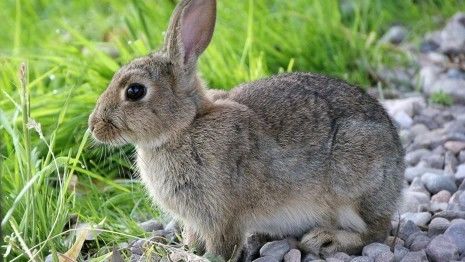
- ACrepuscular
30What is the term for animals which are awake during daylight hours?
[blank_start]Diurnal[blank_end]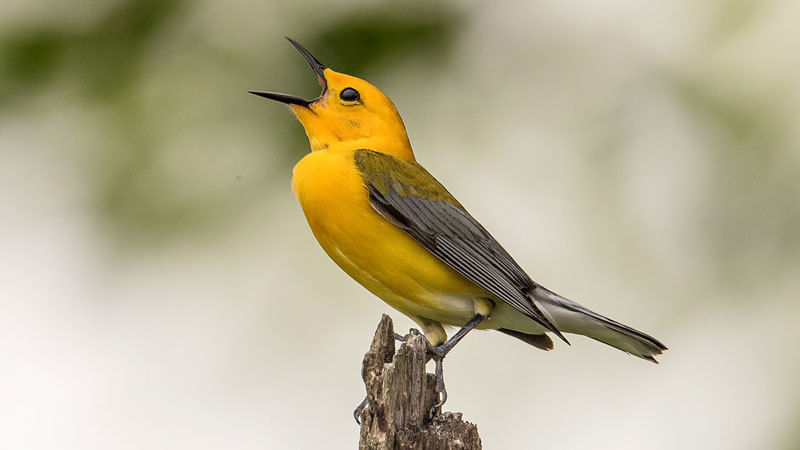
- ADiurnal
31Match the terms with their definitions:
[blank_start]Micturition[blank_end]: urinating
[blank_start]Haemachezia[blank_end]: fresh blood in poo
[blank_start]Dyschezia[blank_end]: difficult or unproductive defaecation
[blank_start]Tenesmus[blank_end]: unproductive straining
[blank_start]Occult blood[blank_end]: hidden blood - not visibly apparent
[blank_start]Meleana[blank_end]: stale blood in faeces
- AMicturition
- BHaemachezia
- CDyschezia
- DTenesmus
- EOccult blood
- FMeleana
32Match the terms with the definitions:
[blank_start]Cyanosis[blank_end]: blue tinge of mms, low O2 saturation
[blank_start]Icterus/jaundice[blank_end]: yellow mms, obstruction of bile duct
[blank_start]Haematemesis[blank_end]: fresh blood in vomit
[blank_start]Haemoptysis[blank_end]: coughing up blood
[blank_start]Anisocoria[blank_end]: unequal size of pupils
[blank_start]Entropion[blank_end]: eyelid folds inward
[blank_start]Nystagmus[blank_end]: eyes make repetitive, uncontrolled movements
[blank_start]Epistaxis[blank_end]: nose bleed- ACyanosis
- BIcterus/jaundice
- CHaematemesis
- DHaemoptysis
- EAnisocoria
- FEntropion
- GNystagmus
- HEpistaxis
Información
- Descripción
- Diploma (Animal Welfare and Husbandry Quizzes) Veterinary Nursing Year 1 Test sobre Key Factors in Maintaining Animal Health, creado por Jessica Whittick el 19/05/2018.
- Autor
- Jessica Whittick
- Idioma
- English
- Visitas
- 49
- Etiquetas
- Valoración
- Aún sin valoraciones Valora este test