
Quiz
Key Factors in Maintaining Animal Health
Este quiz tem tipos de pergunta que abrem no player de sempre.
Perguntas do quiz (32)
1Describe the SOAPier method used in assessing a patient:
S[blank_start]ubjective[blank_end]
O[blank_start]bjective[blank_end]
A[blank_start]ssessment[blank_end]
P[blank_start]lanning[blank_end]
i[blank_start]mplement[blank_end]
e[blank_start]valuate[blank_end]
r[blank_start]eassess[blank_end]- Aubjective
- Bbjective
- Cssessment
- Dlanning
- Emplement
- Fvaluate
- Geassess
2Type either increase or decrease:
Pyrexia causes temperature to: [blank_start]increase[blank_end]
Excitement causes temperature to: [blank_start]increase[blank_end]
Fever causes the pulse to: [blank_start]increase[blank_end]
Exercise causes the pulse to: [blank_start]increase[blank_end]
General Anaesthesia causes pulse to: [blank_start]decrease[blank_end]
Anxiety causes respiration to: [blank_start]increase[blank_end]
Hypoxia causes respiration to: [blank_start]increase[blank_end]
Sleeping causes respiration to: [blank_start]decrease[blank_end]
Prolonged anaesthesia causes temperature to: [blank_start]decrease[blank_end]
Hypothermia causes pulse to: [blank_start]decrease[blank_end]
Moribund causes respiration to: [blank_start]decrease[blank_end]- Aincrease
- Bincrease
- Cincrease
- Dincrease
- Edecrease
- Fincrease
- Gincrease
- Hdecrease
- Idecrease
- Jdecrease
- Kdecrease
3Match the term with the definition:
[blank_start]Sinus Arrythmia[blank_end]: Pulse increases with inspiration and decreases with expiration in a healthy animal
[blank_start]Orthopnoea[blank_end]: difficulty breathing which is relieved when in sternal or upright position
[blank_start]Inappetance[blank_end]: anorexia, lack of appetite
[blank_start]Pica[blank_end]: unnatural cravings for strange foods- ASinus Arrythmia
- BOrthopnoea
- CInappetance
- DPica
4What is the normal temperature of a dog?
- A38.3 - 38.7 degrees C
- B37 - 38 degrees C
- C37.5 - 38.5 degrees C
- D38.3 - 38.9 degrees C
5What is the respiratory rate of a cat?
- A25 - 35 bpm
- B15 - 35 bpm
- C20 - 30 bpm
- D20 - 35 bpm
6What is the heart rate of a horse?
- A29 - 50 bpm
- B28 - 45 bpm
- C25 - 40 bpm
- D28 - 40 bpm
7Fresh blood in the faeces: [blank_start]haemachezia[blank_end]
Blood in the vomit: [blank_start]haematemesis[blank_end]
Coughing up blood: [blank_start]haemoptysis[blank_end]- Ahaemachezia
- Bhaematemesis
- Chaemoptysis
8Match the term with the definition:
[blank_start]Epiphora[blank_end]: blocked tear ducts so overflow of tears
[blank_start]Epistaxis[blank_end]: nose bleed
[blank_start]Tenesmus[blank_end]: unproductive straining
[blank_start]Steatorrhoea[blank_end]: fatty faeces- AEpiphora
- BEpistaxis
- CTenesmus
- DSteatorrhoea
9What does the term cyanosis of the gums mean?
- ABlue tinged mucous membranes
- BYellow or icteric mucous membranes
- CBrick red mucous membranes
- DPale mucous membranes
10What does the term jaundice of the gums mean?
- ABlue tinged mucous membranes
- BYellow or icteric mucous membranes
- CBrick red mucous membranes
- DPale mucous membranes
11What does the term haematemesis mean?
- AStale blood in the faeces
- BFresh blood in the faeces
- CBlood in the vomit
- DCoughing up blood
12What does the term haemoptysis mean?
- AStale blood in the faeces
- BFresh blood in the faeces
- CBlood in the vomit
- DCoughing up blood
13What does the term tenesmus mean?
- AGiving birth or parturition
- BUnproductive straining
- CTension in muscles
- DContraction of muscles
14What does the term epistaxis mean?
- Aan unexpected genetic trait
- Bnose bleed
- Can overflow of tears
- Dnone of the above
15What may be a cause of coughing?
- ACongestive heart failure
- BA pharyngeal foreign body
- CToxocara canis
- DAll of the above
16A recumbent dog is hospitalised with gastro-enteritis, what is the main priority to consider?
- ADehydration
- BHypostatic pneumonia
- CChoking on vomit
- DInhalation pneumonia
17The term meaning difficulty breathing is:
- Adyspnoea
- Btachypnoea
- Cdysphagia
- Ddystocia
18Bradycardia describes:
- ANormal heart rate
- Birregular heart rate
- Cincreased heart rate
- Ddecreased heart rate
19What is the most sensitive part of the hoof?
The [blank_start]frog[blank_end]- Afrog
20Which part of the hoof takes the most weight?
The [blank_start]wall[blank_end]- Awall
21How often should the horse be seen by a farrier?
- AApprox. every 6 weeks
- BApprox. every 12 weeks
- CApprox. every 24 weeks
- DApprox. every week
22What is the term for inflammation of the gums?
[blank_start]Gingivitis[blank_end]- AGingivitis
23What do the terms glossitis and stomatitis mean?
Inflammation of the...- Atongue and mouth
- Btongue and face
- Ccheeks and tongue
- Dmouth and neck
24Human toothpaste can't be used on dog's teeth because the [blank_start]fluoride[blank_end] levels are too [blank_start]high[blank_end].
- Afluoride
- Bhigh
- Clow
- Diodine
- Echlorine
25How quickly can plaque start to develop on teeth following a scale and polish?
Within:- A12 hours
- B6 hours
- C48 hours
- D24 hours
26Match the terms with their definitions:
[blank_start]Ataxic[blank_end]: sensory dysfunction, loss of coordination of limbs, head and/or trunk - loss of voluntary coordination of muscle movements
[blank_start]Paresis[blank_end]: muscular weakness caused by nerve damage, partial paralysis
[blank_start]Tetraplegic/quadriplegic[blank_end]: partial or total loss of use of all 4 limbs and torso
[blank_start]Hemiplegic[blank_end]: total or partial paralysis of one side- AAtaxic
- BParesis
- CTetraplegic/quadriplegic
- DHemiplegic
27How often should you turn a recumbent patient?
Every...- A2 - 4 hours
- B3 -5 hours
- C2 hours
- D3 hours
28What position would you place a patient with hypostatic pneumonia?
- Asternal recumbency
- Bsupine position
- Clateral recumbency
- Dprone position
29What is the term for animals which are active during the twilight hours?
[blank_start]Crepuscular[blank_end]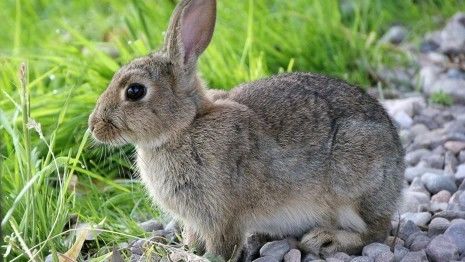
- ACrepuscular
30What is the term for animals which are awake during daylight hours?
[blank_start]Diurnal[blank_end]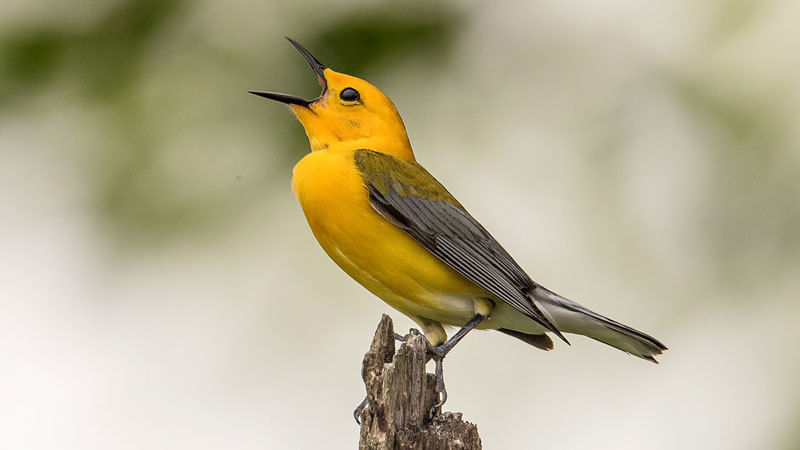
- ADiurnal
31Match the terms with their definitions:
[blank_start]Micturition[blank_end]: urinating
[blank_start]Haemachezia[blank_end]: fresh blood in poo
[blank_start]Dyschezia[blank_end]: difficult or unproductive defaecation
[blank_start]Tenesmus[blank_end]: unproductive straining
[blank_start]Occult blood[blank_end]: hidden blood - not visibly apparent
[blank_start]Meleana[blank_end]: stale blood in faeces
- AMicturition
- BHaemachezia
- CDyschezia
- DTenesmus
- EOccult blood
- FMeleana
32Match the terms with the definitions:
[blank_start]Cyanosis[blank_end]: blue tinge of mms, low O2 saturation
[blank_start]Icterus/jaundice[blank_end]: yellow mms, obstruction of bile duct
[blank_start]Haematemesis[blank_end]: fresh blood in vomit
[blank_start]Haemoptysis[blank_end]: coughing up blood
[blank_start]Anisocoria[blank_end]: unequal size of pupils
[blank_start]Entropion[blank_end]: eyelid folds inward
[blank_start]Nystagmus[blank_end]: eyes make repetitive, uncontrolled movements
[blank_start]Epistaxis[blank_end]: nose bleed- ACyanosis
- BIcterus/jaundice
- CHaematemesis
- DHaemoptysis
- EAnisocoria
- FEntropion
- GNystagmus
- HEpistaxis
Informações
- Descrição
- Diploma Veterinary Nursing Year 1 (Animal Welfare and Husbandry Quizzes) Quiz sobre Key Factors in Maintaining Animal Health, criado por Jessica Whittick em 19-05-2018.
- Autor
- Jessica Whittick
- Idioma
- English
- Visualizações
- 49
- Etiquetas
- Avaliação
- Ainda sem avaliações Avalie este quiz