
Test
Bonding Quiz
Crea una cuenta gratis para terminar este test
Guarda tu progreso y consulta tu resultado final.
¿Ya tienes cuenta? Inicia sesión
Preguntas del test (10)
1Chlorine occurs naturally as two isotopes.
Chlorine contains 75% chlorine–35 and 25% chlorine–37.
Calculate the Relative Atomic Mass of chlorine- A35
- B36.2
- C35.5
- D36
- A35
2Which of these is true regarding covalent bonding:
- ATakes place between non-metals
- BInvolves sharing of electrons
- CAn example of a covalent compound is methane
- DAll of these answers
3This diagram shows:
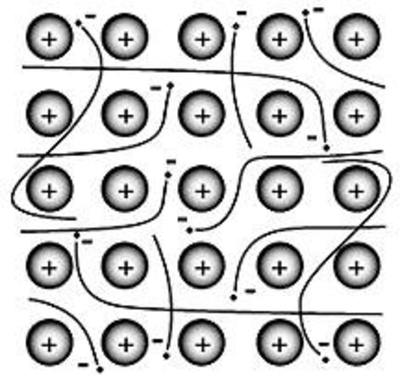
- AMetallic bonding
- BIonic bonding
- CCovalent bonding
- DIsotropic bonding
4In order to form calcium chloride:
- AThe calcium atom loses two electrons
- BTwo chlorine atoms each receive one electron
- COne Ca2+ and two Cl- ions are formed
- DAll of these answers
5The magnesium ion is:
- AMg2+
- BMg+
- CMg2-
- DMg-
6In sodium chloride the following ions are formed:
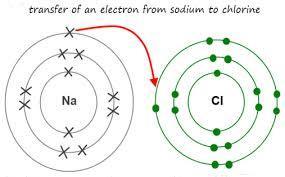
- ANa- Cl-
- BNa- Cl+
- CNa+ Cl-
- DNa+ Cl+
7Which of these facts about solid sodium chloride is false:
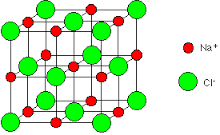
- AIt has a high melting point
- BIt has a high boiling point
- CIt conducts electricity
- DThe ions are held together by electrostatic forces
8Ionic bonding involves:
- ASharing of electrons between atoms
- BAtoms gaining or losing electrons and becoming neutral overall
- CAtoms gaining or losing electrons and becoming charged overall
- DThe loss or gain of protons
9The formula for magnesium oxide is:
- AMg2O
- BMgO2
- CMgO
- DMg2O3
10Isotopes have:
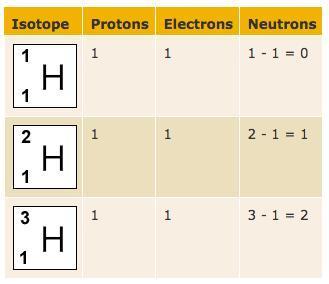
- AThe same number of protons
- BThe same number of neutrons
- CThe same mass number
- DDifferent numbers of electrons
Información
- Descripción
- Quiz on bonding
- Autor
- Peter Hoskins
- Idioma
- English
- Visitas
- 119
- Etiquetas
- Valoración
- Aún sin valoraciones Valora este test