
The Bagru Harmony
Diapositivas del conjunto (14)
-
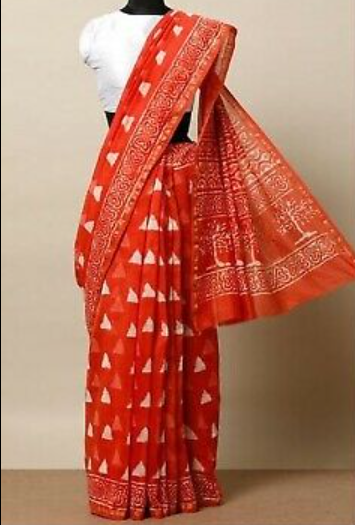
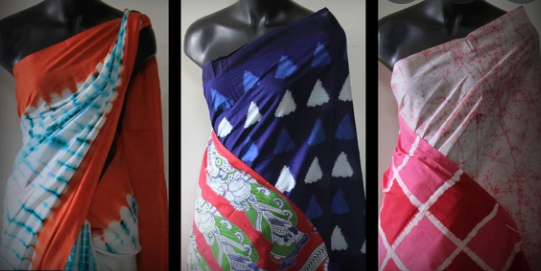
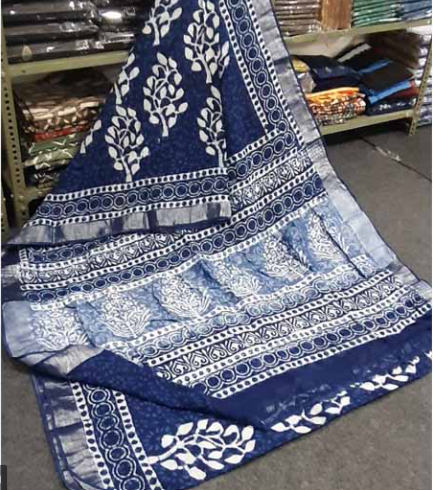
- Pie de imagen: Bagru Print Sarees
-
- Bagru, a rural Indian village in Rajasthan is situated around thirty kilometers east of Jaipur city. Its traditional process of hand block printing on textiles, with rich natural colors has been known for many centuries. The elaborate and rich colored floral prints of Bagru are very distinctive, so much so, that the renowned Calico Museum of Textile in Ahmedabad, India, commissioned a three years study in 1970s of the villages printing and dyeing transition. The village hums with much activity today, supplying the exquisite printed material for export trade. Buses and Jeeps are the main source of transportation available between Jaipur and Bagru.
- Pie de imagen: Some Bagru Print sarees.
-
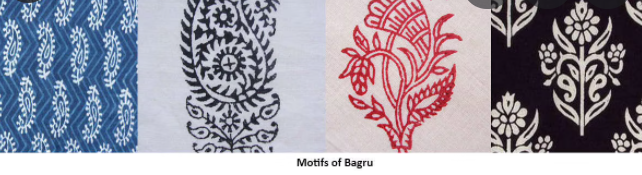
- The historical progress of the motifs of Bagru is difficult to understand. These are mostly derived from the flora and fauna and are natural in origin. A Comparative study of the evolution and layout of motifs clearly reveal a change from old tradition and style. Initially the prints were primarily floral and from vegetation. After the Persian influence they became more geometrical.
- There are majorly 5 different types of motifs that are used in Bagru Printing – Flowers & Birds, Tendrils, Trellis or Jaal Designs, Geometrical motifs and human or animal figurative motifs.
- Pie de imagen: Motifs Of Bagru Printing
-
- Uses-
- Conventionally, Bagru prints were used mostly for ghagras (skirts), odhnis (scarves) and pagris (turbans). The printed lengths of rough cotton about 50 cms wide were typically sewn together for long skirts.
-
- Common vegetable colours used for Bagru printing: ¾ Red or Madder from Aahl tree. ¾ Black from fermented Harda seeds. ¾ Blue from Indigo plant. ¾ Yellow from dried pomegranate rinds, turmeric and dried flowers of Dhabaria trees.
-
- Bagru printing is generally done on a blue or indigo background. This region is popular for two kinds of prints: Dabru prints and seyali-bagru prints. The seyali-bagru printed fabrics are known for their characteristic black and yellow ochre/cream colour combinations.
-
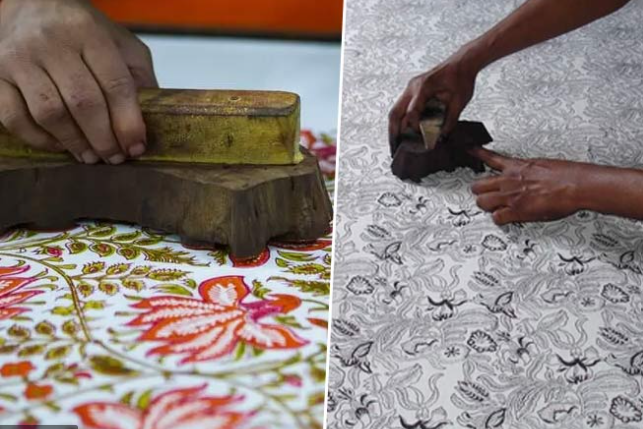
- The main tools of the printer are the wooden blocks in different shapes and sizes called Bunta, Rekh and Datta. The blocks are made of seasoned teak wood though Roda (grown in the forests of a district in Rajasthan) is being preferred because of its light weight.
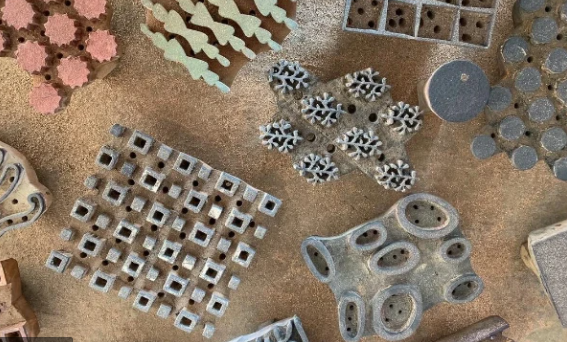
- Pie de imagen: Bagru Printing tools.
-
- Idealized as one of the most stunning pieces of printing techniques from Rajasthan, the Bagru motives happen to revolve around flora and fauna in liaison with the nature.
- BAGRU PRINTED CHANDERI SILK SAREES (Enclavar)
-
-
- Bagru Print is also called Dabu or Daboo.
- Daboo comes from the hindi word 'Dabana' which means to press.
-
- Resist,Relief and Screen printing techniques.
- Are a part of Bagru printing.
-
- Dabu is a mud resist mixture made from local black clay (kaali mitti), wheat powder (bidhan), guar gum, and lime water. After the printer applies the dabu print pattern, a fine layer of sawdust is sprinkled over the fabric to help prevent it from sticking to itself during the dye process.
- Pie de imagen: Bagru Print while making it textures.
-
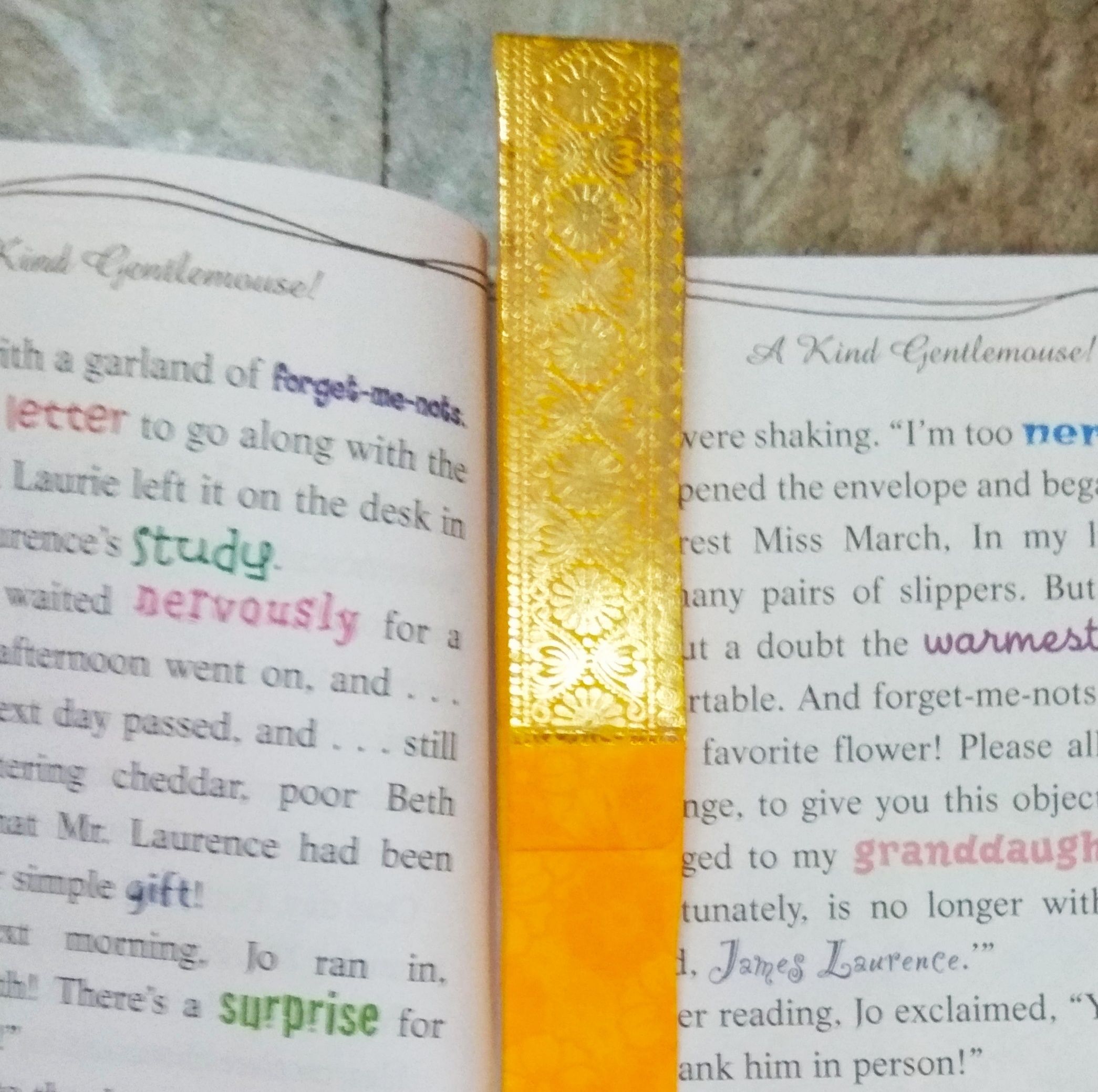
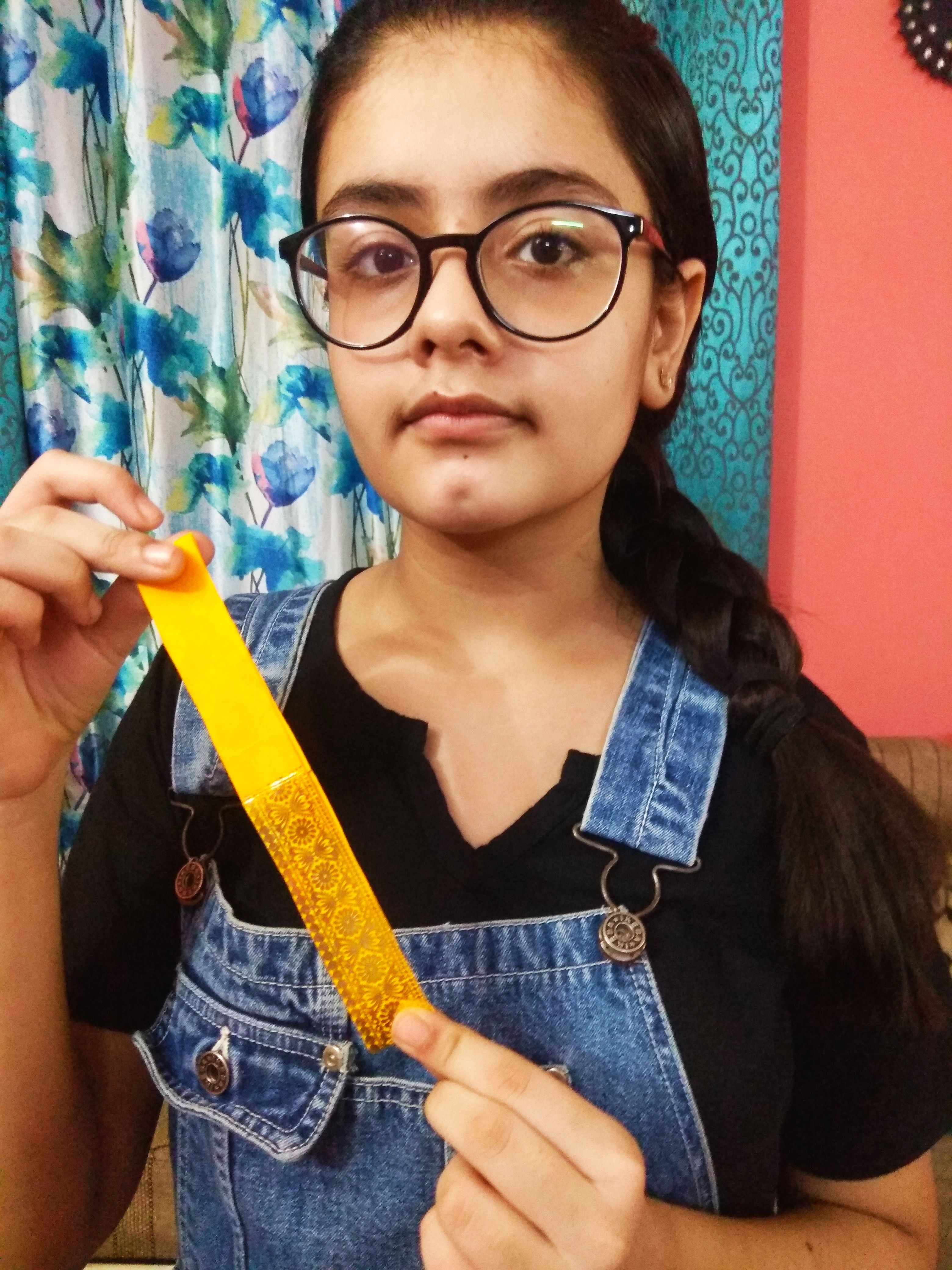
- Pie de imagen: Bookmark which I made.
- Pie de imagen: Getting inspired by Bagru.
-
- Thank You ?
- Made By Tanisha of (V-B).

Información
- Descripción
- The Bagru Print information.
- Creado por
- Tanisha Bahlara
- Visitas
- 129
- Etiquetas
- Valoración