
Fichas
What is Literature
Fichas del conjunto (14)
- 1—LITERATURE is a term used to describe written and sometimes spoken material.
Derived from the Latin “litteratura” that means "writing formed with letters".
Works of the creative imagination, including poetry, drama, fiction, nonfiction, journalism, and songs. - 2—IMPORTANCE: the literature is all around us, it is also stories and ideas that we have received from our parents and from our culture.
It teaches you what life is all about.
It is not just reading about writers or novels it broadens the reader´s mind and gives the ability to think from all the perspectives and develop analytical skills.
- 3—There are different ways in which literature can be portrayed: a novel, drama, poetry, biography, non-fictional prose, an essay, an epic, or short stories.
All these entities have ELEMENTS. Some of the most common are:
Plot Point of View Theme
Conflict Characterization
Symbolism
Setting Irony
Mood Foreshadowing
- 4—The PLOT is how the author arranges events to develop his basic idea.
It is the sequence of events in a story or play.
It is a planned, logical sequence of events having a beginning, middle and end.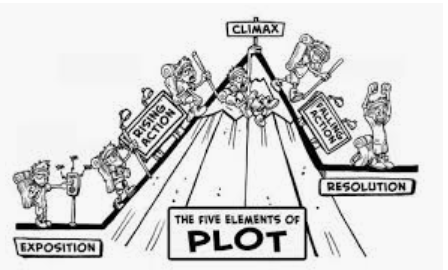
- 5—The THEME in a story is its underlying message or 'big idea.
In other words, what critical belief about life is the author trying to convey in the writing of a novel, play, short story or poem?
This belief, or idea, transcends cultural barriers. It is usually universal in nature.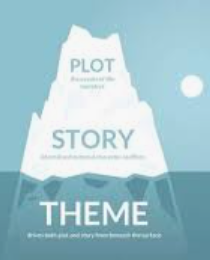
- 6—CHARACTERIZATION is a literary device that is used step-by-step in the literature to highlight and explain the details about a character in a story.
- 7—SETTING is the time and place (or when and where) of the story.
It’s a literary element of literature used in novels, short stories, plays, films, etc.,
and usually introduced during the exposition (beginning) of the story, along with the characters.
The setting may also include the environment of the story, which can be made up of the physical location, climate, weather, or social and cultural surroundings.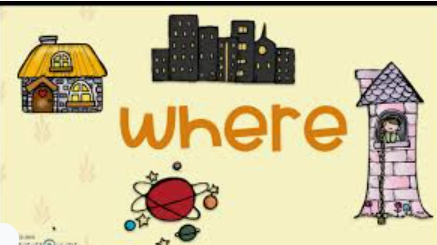
- 8—In literature, MOOD is a literary element that evokes certain feelings or vibes in readers through words and descriptions.
Usually, mood is referred to as the atmosphere of a literary piece, as it creates an emotional setting that surrounds the readers.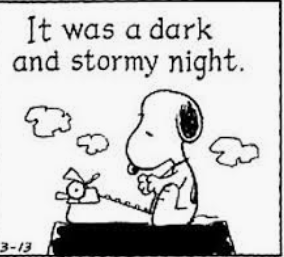
- 9—POINT OF VIEW refers to who is telling or narrating a story.
A story can be told in three different ways: first person, second person, and third person.
Writers use point of view to express the personal emotions of either themselves or their characters.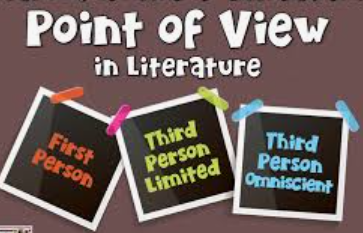
- 10—CONFLICT in a story is a struggle between opposing forces.
Characters must act to confront those forces and there is where conflict is born.
If there is nothing to overcome, there is no story.
Conflict in a story creates and drives the plot forward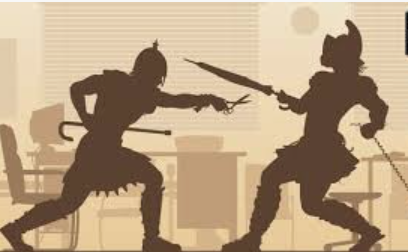
- 11—SYMBOLISM is the practice or art of using an object or a word to represent an abstract idea.
An action, person, place, word, or object can all have a symbolic meaning.
When an author wants to suggest a certain mood or emotion, he can also use symbolism to hint at it, rather than just saying it.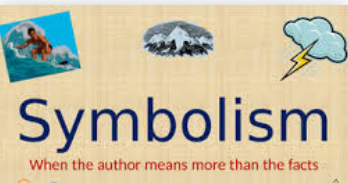
- 12—IRONY is a figure of speech in which words are used in such a way that their intended meaning is different from the actual meaning of the words.
It may also be a situation that ends up in quite a different way than what is generally anticipated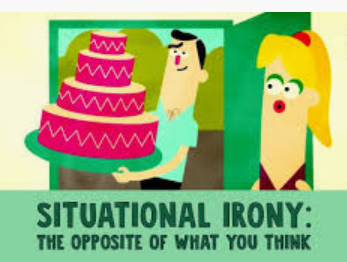
- 13—FORESHADOWING is a literary device in which a writer gives an advance hint of what is to come later in the story.
Foreshadowing often appears at the beginning of a story, or a chapter, and it helps the reader develop expectations about the upcoming events.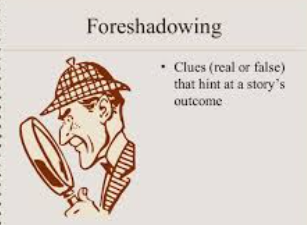
- 14—
Información
- Descripción
- Primero Literatura Fichas sobre What is Literature, creado por Beatriz Otero el 14/06/2020.
- Creado por
- Beatriz Otero
- Visitas
- 165
- Etiquetas
- Valoración