
Fichas
Understanding Physical Changes Unit 1.2
Fichas del conjunto (20)
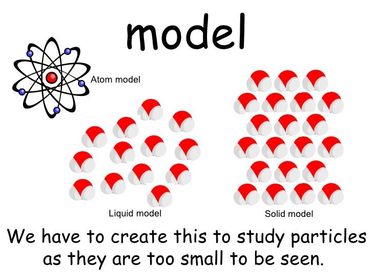
- 1Why do scientists use models?All physical changes occur because of what happens to them.Therefore, scientists use models to help explain and understand their observations.
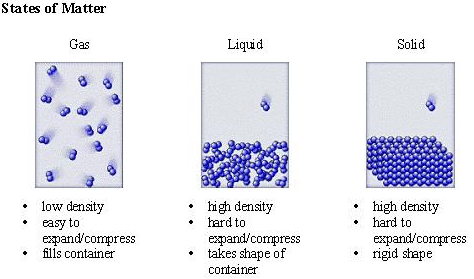
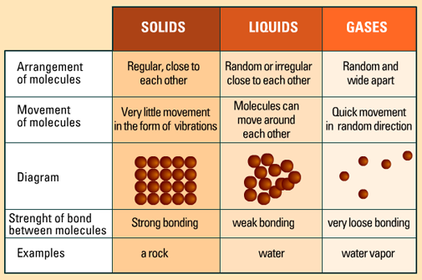
- 2Explain the physical properties of solids, liquids and gases by using the particle model.
- 3What does the particle model assume about the atoms in all forms of matter?1-Hard, incompressible(not able to be squashed.)
2-Indivisible (unable to be split.)
3-Attracted to each other.
4-Constantly moving.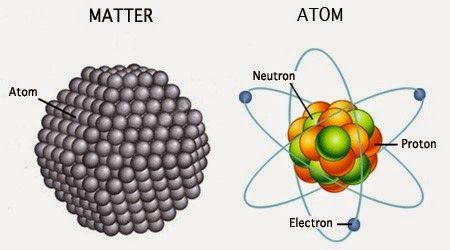
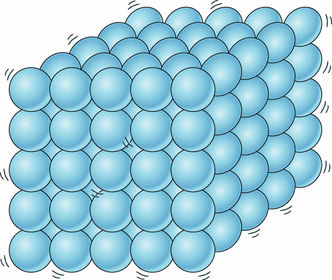
- 4Why is it that solids are incompressible and can hold their shape?In solids, the attraction between particles binds them tightly together. For this reason, they are hard and can hold their shape.
- 5Why do liquids have the ability to flow and take on the shape of their container?In liquids, the particles are packed tightly together, which makes them incompressible....However, the particles in liquids are not packed as hard as the particles in solids. This gives liquids the ability to flow.
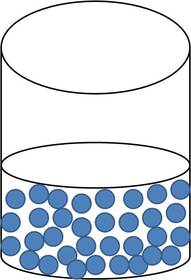
- 6Why is it that gases are highly compressible?This is because the particles in gases are not packed to each other, which creates large spaces between the particles.
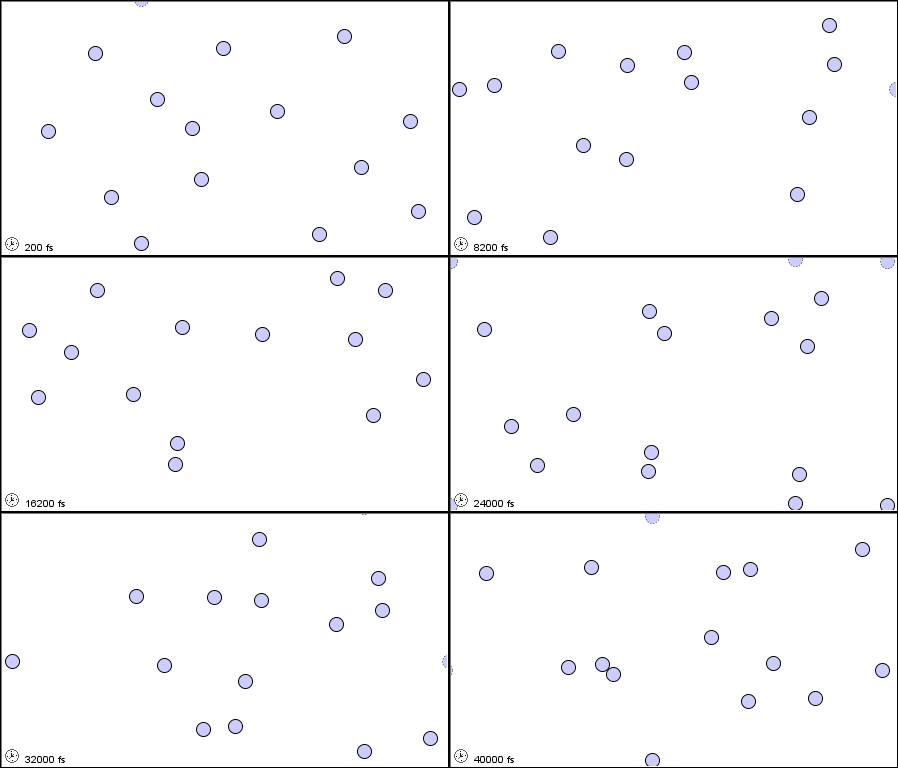
- 7What happens when you increase the temperature of a solid or a liquid?Increasing temperature causes the particles in solids and liquids to vibrate more. As a result, solids and liquids expand with increasing temperature
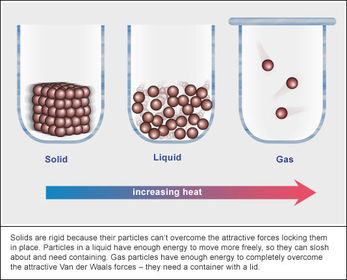
- 8What happens when the particles in a gas are heated?When the temperature of a gas is increased, the particles travel faster, hitting the sides of their container more frequently and with more force. This causes the container to expand.

- 9How can the particle model explain the changes of state?The particle model explains changes of state by looking at the relationship between how the particles move and the attraction between the

- 10How do solids melt?When the temperature increases, the vibration between the particles also increases and the solid expands
(eventually melting or changing state from solid to liquid)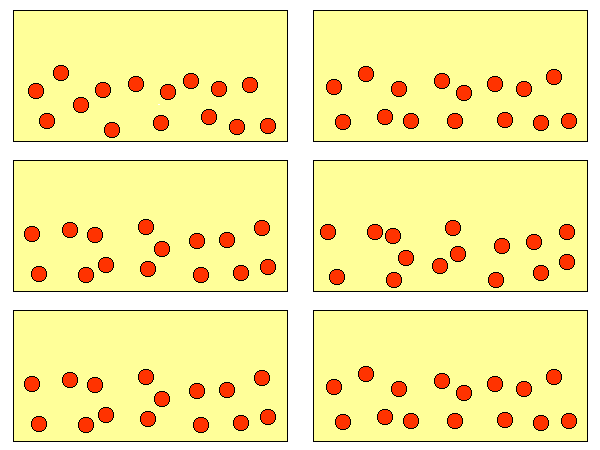

- 11How does the freezing process in liquids change its state to solids?When the particles in liquids are cooled, they slow and become less energetic.
Then, the attraction between the particles is able to fix them in position.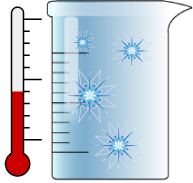
- 12What's the difference between boiling and evaporation?Evaporation is a gradual fading of a liquid on the surface whereas boiling is a rapid fading of a liquid only when it is heated to its boiling point.
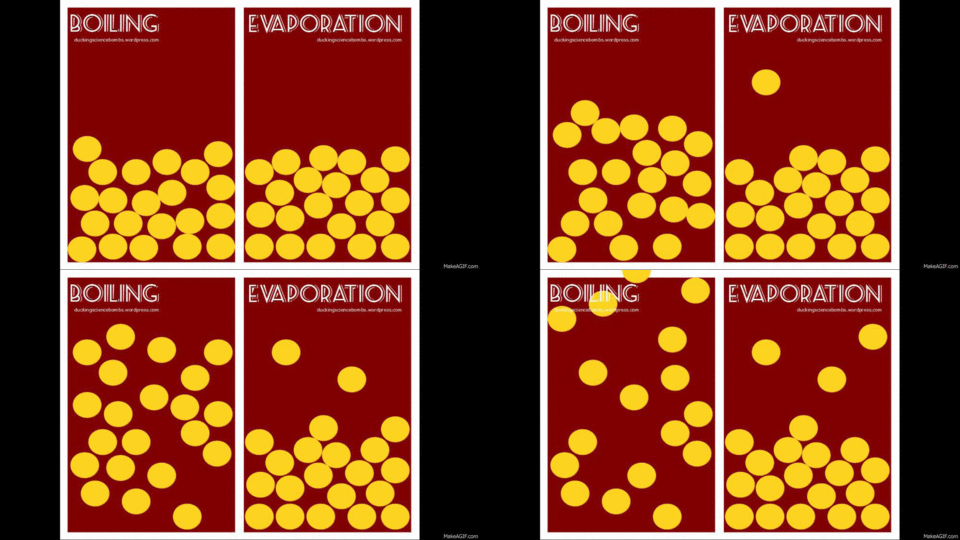
- 13What allows liquid particles to escape and form a gas when heated?The weak attraction between the particles of a liquid allows its particles to escape when the liquid is heated.
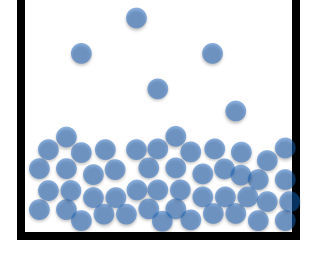
- 14What happens during condensation?As a gas is cooled, the particles move slower until the forces of attraction between the particles can hold and stick them together to form a liquid.

- 15What happens when a solute dissolves in a solvent?When a solute dissolves in a solvent, its particles are spread evenly throughout the solvent.
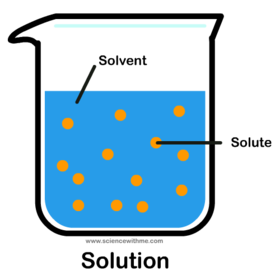
- 16What is diffusion?A process where two liquids or two gases mix due to the motion of their particles.

- 17Why is it that increasing the temperature speeds up the process of diffusion?It's because the particles will travel faster due to the increase in temperature.
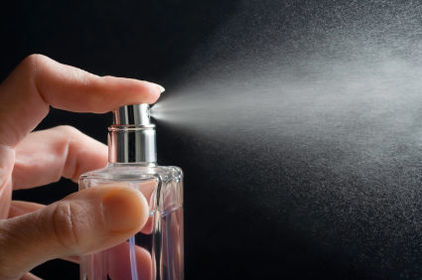
- 18Why is it that diffusion occurs less rapidly in liquids?It occurs less rapidly because the liquid particles are packed closer together.

- 19How can a perfume particle change direction?A perfume particle can change direction whenever it collides with a particle in air.

- 20PROPERTIES OF SOLIDS LIQUIDS AND GASES -------------------->>>>>
Información
- Descripción
- Loading...
- Creado por
- Ahmed Almohammed · jun 2016
- Actualizado
- 13 nov 2016
- Visitas
- 110
- Etiquetas
- Valoración