
20379901
Description

Flashcards by Emily Santrock, updated more than 1 year ago

|
Created by Emily Santrock
almost 7 years ago
|
|
| Question | Answer |
| Ligature | |
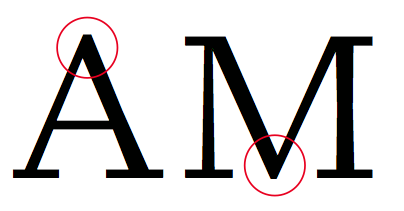
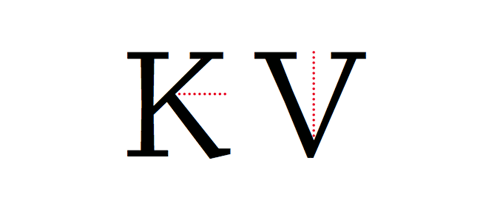
| Apex or vertex | |
| Stress | |
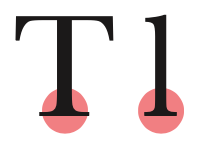
| Ear |
Image:
Td Ear Large (image/jpeg)
|
| Tail |
Image:
Td Tail Large (image/jpeg)
|
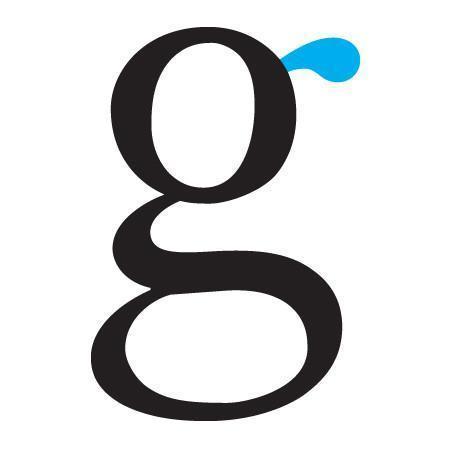
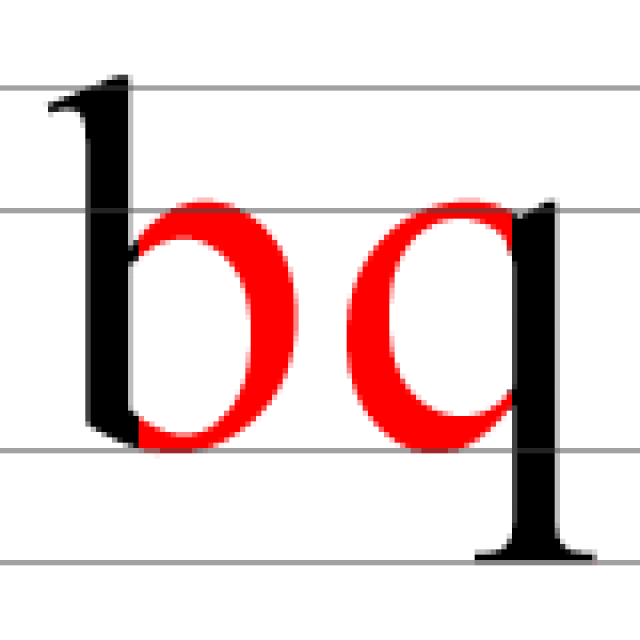
| Bowl | |
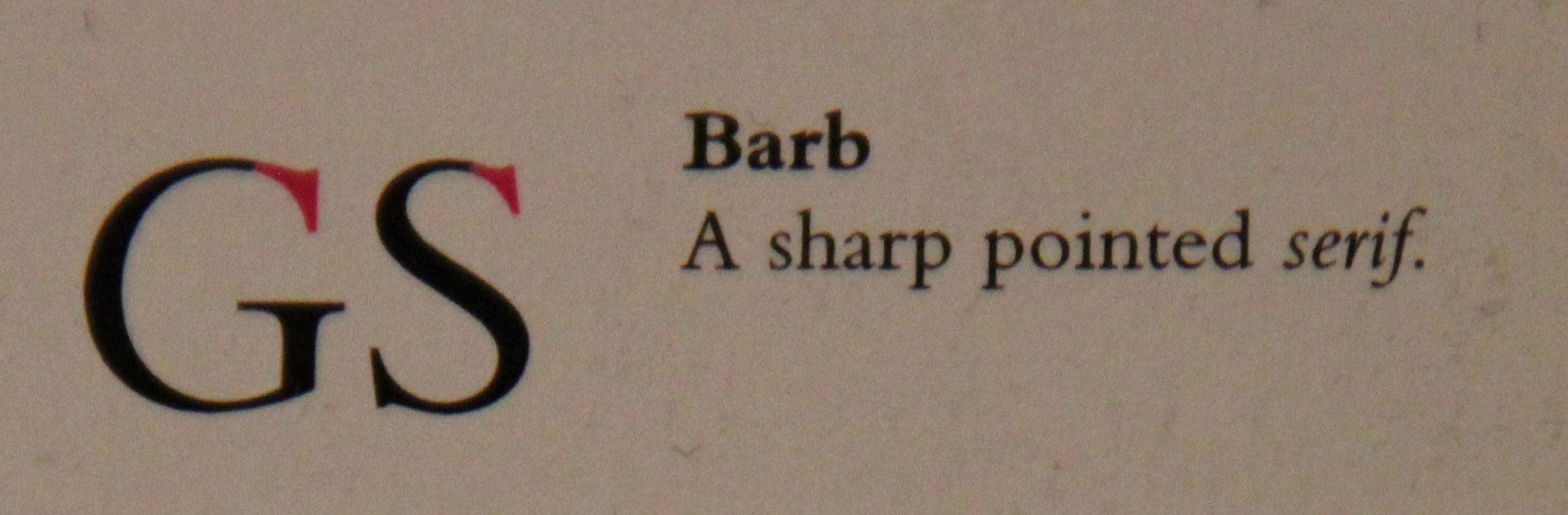
| Barb | |
| crotch |
Image:
Crotch (image/png)
|
| Terminal | |
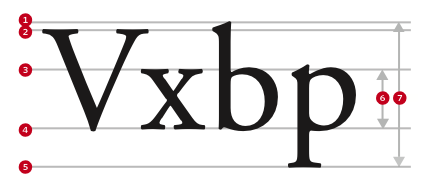
| Baseline / Font Size / Mean Line / Ascent Line / Descent Line / X-Height / Cap Line | 1 Ascender height 2 Cap height 3 Median 4 baseline 5 descender height 6 X-height 7 font size |
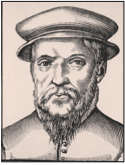
| This person (c. 1510–1561), was a French type designer, publisher, and punch-cutter based in Paris. | Garamond |
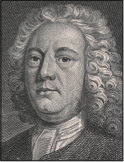
| This person (1692–1766) was an English typefounder. The distinction and legibility of his type secured him the patronage of the leading printers of the day in England and on the continent. | William Caslon |
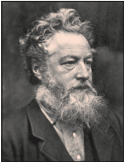
| This person (1834–1896) was a British designer of textiles and books, a poet, novelist, and socialist. As a founder of the Arts and Crafts Movement, he was a major contributor to the revival of traditional printing and book arts. | William Morris |
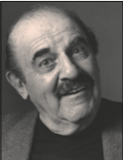
| This person (born 1927) is an American typographer and lettering artist. He has crafted over 600 type- face designs including Tiffany, Bookman, Panache, Souvenir, Edwardian Script, and two eponymous designs. | Edward Benguiat |
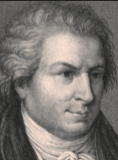
| This person (1740–1813) was an Italian typographer, type designer, compositor, printer and publisher in Parma. He first took the typeface designs of Pierre Simon Fournier as his exemplars but afterward became an admirer of John Baskerville's work. | Bodoni |
| This person (born 1961) is a Slovak-born American type designer known for co-founding the graphic design magazine Emigre and for creating numerous typefaces, including Mrs. Eaves. | Licko |
| This person (born 1937) is a British type designer currently living in Cambridge, Massachusetts. | Matthew Carter |
| This person (1902–1974) was a Swiss calligrapher, typographer and book designer. | Jan Tschichold |
| This person (born 1959) is an American designer, best known for her type of design. | Twombly |
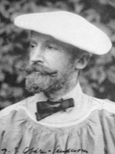
| On dark evenings in late 1916, a frail 76-year-old type designer and printer could often be seen shuffling furtively between The Dove, a pub in west London, and the Hammersmith Bridge over the Thames. | Cobden-Sanderson |
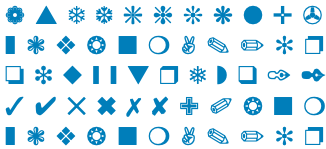
| What is the name of these non-alphabetical characters? | dingbat |
| What is the name of a hybrid punctuation mark combining the properties of a question mark & exclamation point? | interrobang |
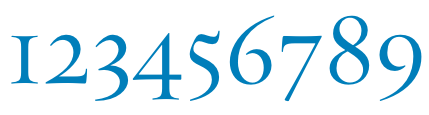
| In typography, the symbols used to represent numbers are commonly referred to as figures or numerals. Lining figures are one of the two main styles of figures, while the others (pictured above) are called... | Old Style |
| When type is used at very large sizes in headlines or titles, tracking is typically reduced dramatically to the point where letters either touch or come very close to touching. When letters do touch, we say they're... | KISSING |
| What is the official name of this symbol (designating the start of a new paragraph)? | pilcrow |
| What do we call the undesirable scenario where the last line in a paragraph contains a single word (or part of a word)? | widows |
| What is the proper name of this symbol (sometimes called a slash)? | virgule |
| What do we call a sentence that uses all the letters of the alphabet (e.g., The quick brown fox jumps over the lazy dog)? | pangram |
| This sequence of three dots at the end of a sentence is a special glyph which is spaced differently than a simple sequence of three periods. It can indicate an omission, a continuation, or a pause. It is called... | lipases |
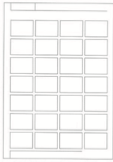
| The three most common grid systems are the Manuscript Grid (in which a single rectangular text box takes up most of each page); | Modular |
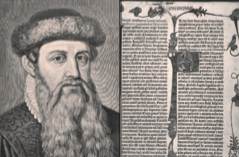
| When Johannes Gutenberg created the first printed bibles, he used a typeface modeled on the hand-lettered manuscripts of his era. That style of lettering is called... | blackletter |
| Many designers mistakenly believe that Johannes Gutenberg invented the first movable type for printing. But in fact, the Chinese scholar Pi Sheng invented his own version of a movable type far earlier (1045 ce), a notable improvement over the technology of woodblock printing in which the wood around each calligraphic character is painstakingly removed by hand. Nevertheless, movable type didn't immediately become popular in China. Why? | they have too many charters |
| In 2009, IKEA caused an uproar among graphic designers and design purists when they switched their brand typeface from Futura to... | Verdana |
| This category of typeface, which emerged in the early 1800s (courtesy of William Caslon IV) was at first considered so barbaric-looking and strange that it was referred to as Grotesque in Europe and Gothic in the United States. | sans serif |
| In March 2014, a teenager claimed the US government could save $394 million per year by switching from Times New Roman to which thinner typeface design pictured above (requiring less ink)? | Garamond |
| Released in 1994 by Microsoft Corporation, which typeface was described by its creator, Vincent Connare, as the best joke I ever told? | comic sans |
| Ancient Roman letterforms (as in this stone inscription) did not originally have a corresponding set of lowercase letters; those developed later in the Middle Ages, with the introduction of smaller handwritten characters. These new letterforms were used by monks transcribing Biblical manuscripts. The more compact characters were easier to write and used less parchment. They were called... | minuscules |
| The Phoenicians (inventors of the alphabet) didn't simply write from left-to-right; instead, they wrote one line from left-to-right, then reversed direction and wrote the next line from right-to-left. The Greeks called this method of zigzag writing in alternate directions a word which literally means as the ox plows the field... | Boustrophedon |
| The ampersand originated as a hybrid of which two letters (that together spell the word and in Latin)? | ent |
| Which well-known sans-serif typeface, developed in 1982 by Robin Nicholas and Patricia Saunders for Monotype (and later licensed to Microsoft) is essentially a copy of Helvetica? | Aeril |
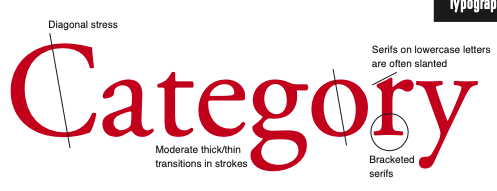
| Typefaces in this category always have serifs, and the upper serifs of lowercase letters are often set at a sloping angle. All the curved strokes in these letterforms have a moderate transition from thick to thin, and if you draw a line through the thinnest parts of the curved strokes, the line is diagonal. This is called the stress—and these typefaces always have diagonal stress. | Oldstyle |
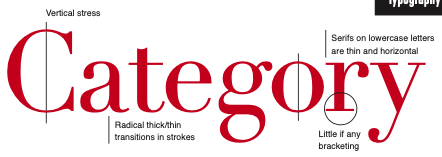
| In the 1700s, smoother paper and more sophisticated printing technology led to type- faces with more geometric and delicate letterforms. These typefaces have serifs, but they are thin and perfectly horizontal, with little if any bracketing. The structure is severe, with radical contrast between thick and thin strokes. There is no evidence of the slant of a pen here; the stress is perfectly vertical, giving these typefaces a cold, elegant look. | Modern Style |
| Which typeface is used in this famous brand logo? | Myriad Pro |
| Which typeface is used in this famous brand logo? | Didot |
| Which typeface is used in this famous brand logo? | Futura |
| Which typeface is used in this famous brand logo? | Frutiger |
| Which typeface is used in this famous brand logo? | American Typewriter |
| Which typeface is used in this famous brand logo? | Klavika |

















Want to create your own Flashcards for free with GoConqr? Learn more.