
21162247
Description

Created by Olivia Brady

|
Created by Olivia Brady
over 6 years ago
|
|
| Question | Answer |
| Shogun | Leading nobles of Japan are called |
| Enclaves | A territory surrounded by a larger territory whose inhabitants are culturally or ethnically different |
| Mercantilism | European leaders followed a commonly held economic theory called |
| Joint-Stock Company | The Dutch had pioneered the method of raising money for trade voyages by promising investors a share of the profit. This type of business became known as a |
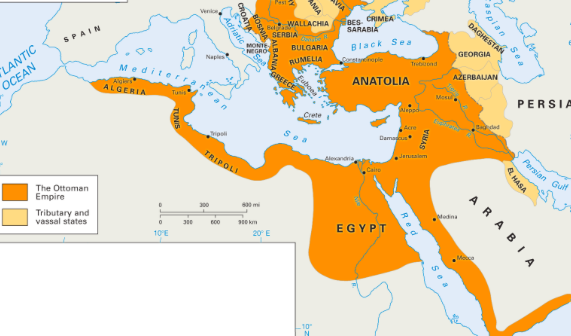
| Ottoman Empire | |
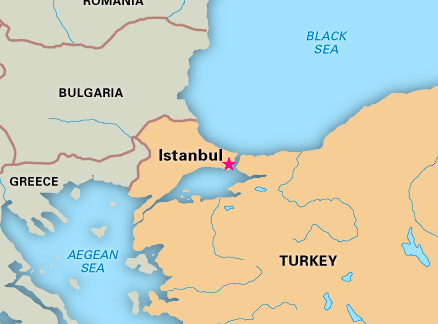
| Istanbul | |
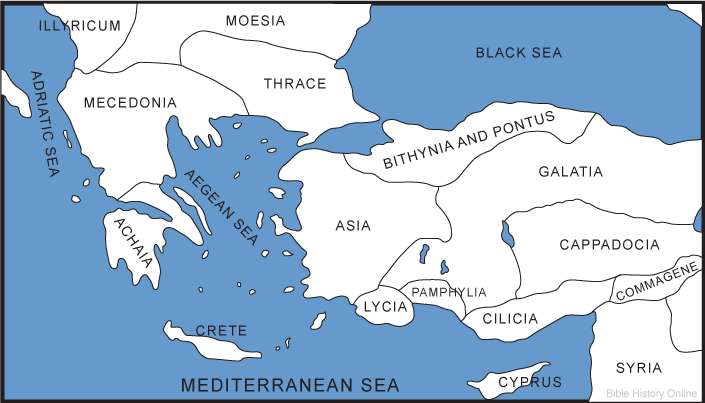
| Asia Minor (Anatolia) | |
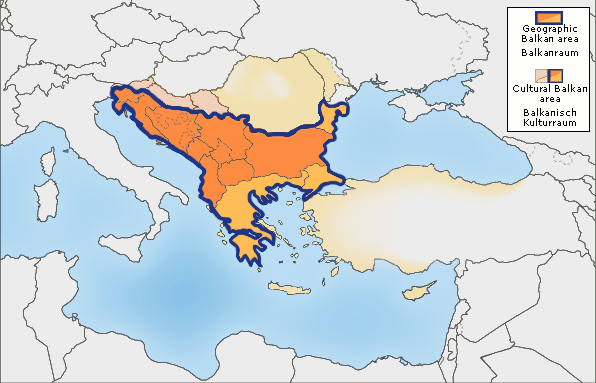
| Balkan Peninsula | |
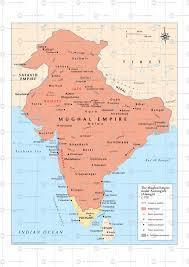
| Mughal Empire |
Image:
Images (binary/octet-stream)
|
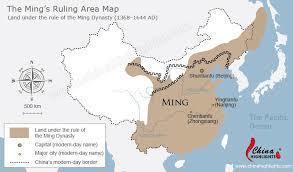
| China (Ming Dynasty) | |
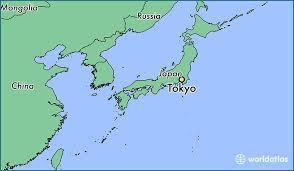
| Japan | |
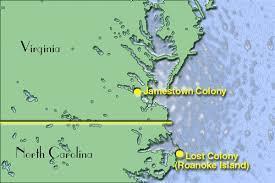
| Jamestown | |
| Extent of the Ottoman Empire | Southwest Asia (the Middle East) Southeastern Europe: The Balkan North Africa |
| Ottoman Religion | Islam |
| Ottoman Exports | Coffee and ceramics |
| Mughal Religion | Islam |
| The Taj Mahal | A mausoleum built for his favorite wife. |
| Southern India trade goods | Silks, spices, and gems |
| How Did Japan Respond to Foreigners | Foreign Christians were expelled from Japan |
| How China Responded to Foreigners | Chinese allowed European merchants to stay, but their activities were restricted to foreign enclaves to control their influences |
| Chinese trade Goods | Tea and porcelain |
| African Exports | Slaves; through the triangular trade. Raw materials, particularly ivory and gold |
| African imports | Manufactured goods from Europe, Asiaand the Americas. New food products, like corn and peanuts |
| English Advantage during the Commercial Revolution | The efficiency of English trading companies made them the model for all European nations |
Want to create your own Flashcards for free with GoConqr? Learn more.