
3279234

| Question | Answer |
| century | a period of 100 years |
| Era | a particular period in history |
| BCE | Before Common Era |
| CE | Common Era |
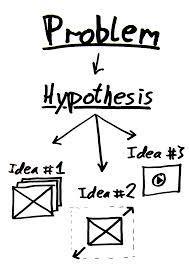
| hypothesis | an educated guess |
| society | A community of people who share a common culture |
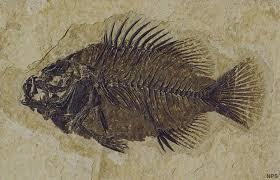
| fossil | The preserved remains or traces of an organism that lived in the past. (It was LIVING) |
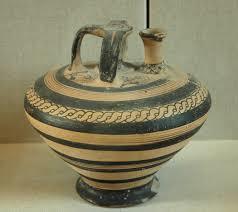
| artifact | an object made by human beings |
| source document | An historical source is something that tells us about History. It may be a document, a picture, a sound recording, a book, a cinema film, a television programme or an object. |
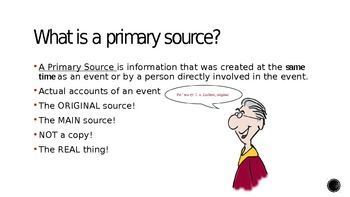
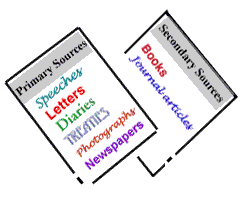
| Primary Source | A primary source originates FROM the time in history. |
| Secondary Source | A secondary source is created AFTER the time in history. |
| Archaeologist | Scientist who learns about past human life by studying fossils and artifacts |
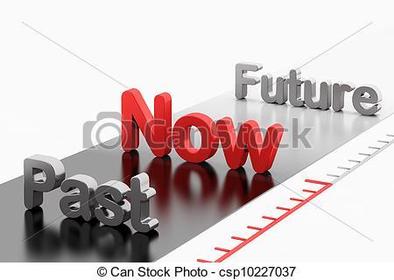
| Timeline | A diagram that shows the order in which events happened |
| Chronology | Arrangement of events in time order |
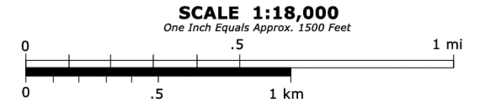
| Mapping: Scale | A ratio which compares a measurement on a map to the actual distance between locations identified on the map |
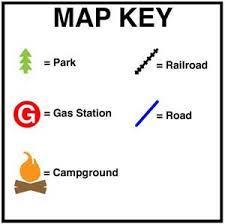
| Mapping: Key | An explanatory table of symbols used on a map or chart. Also called map legend |
| Mapping: Title | The map title explains the purpose of the map |
| Perspective | A judgment based on a personal point of view |
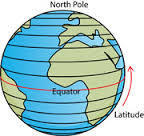
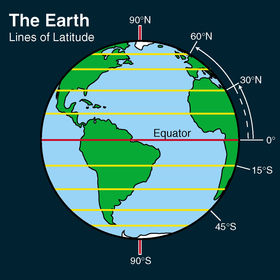
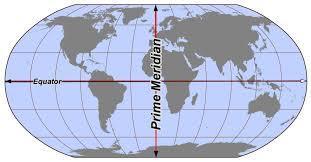
| Latitude | distance north or south of the Equator, measured in degrees |
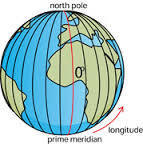
| Longitude | distance east or west of the Prime Meridian, measured in degrees |
| Equator | An imaginary line that circles Earth halfway between the North and South poles. (0 degrees latitude) |
| Prime Meridian | An imaginary line that circles Earth (0 degrees longitude) |
| Polytheism | belief in multiple Gods |
| Monotheism | belief in a single God |
| Decade | a period of 10 years |
| Civilisation | a particular society at a particular time and place that has five elements present: a writing system, a formal government, division of labour, formal religion and social class/hierarchy. |
| empire | many territories and peoples controlled by one government |
| dynasty | a series of rulers from the same family |
| monarch | a ruler of a kingdom or empire |
| myth | a traditional story accepted as history |
| legend | a story about supernatural beings or events |
| Republic | government (ruling group) is elected |
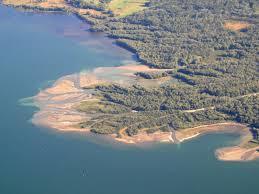
| Peninsula | A piece of land that is surrounded by water on three sides. |
| Lake | a body of (usually fresh) water surrounded by land |
| Reef | A narrow chain of rock, sand, or coral lurking just below or just above the water. |
| Waterfall | A stream of water that falls from a high place. |
| Bay | An indentation of a shoreline larger than a cove but smaller than a gulf |
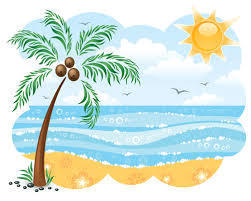
| Beach | Beaches are formed when material is brought to the shore by waves. The material can be sand, stones or pebbles. |
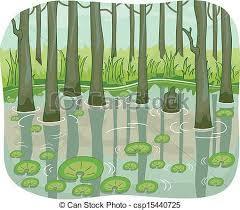
| Swamp | A lowland region that is saturated by water. |
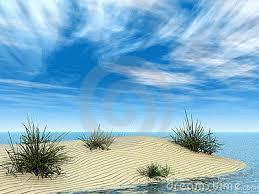
| Sandbar | A ridge of sand built up by the action of waves and currents |
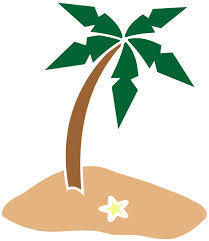
| Island | A body of land completely surrounded by water |
| Sea | A body of salt water that is smaller than an ocean |
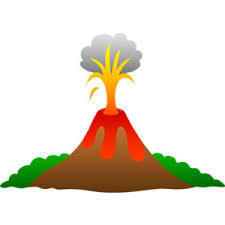
| Volcano | A mountain made of lava, ash, or other materials from eruptions that occur at an opening in Earth's crust. |
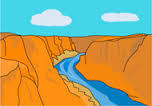
| River | A large, flowing body of water that usually empties into a sea or ocean. |
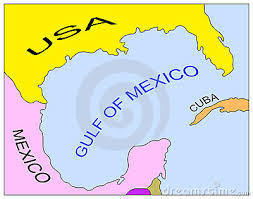
| Gulf | An indentation of a shoreline larger than a cove and a bay. |
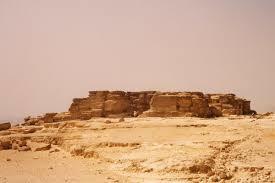
| Plateau | A broad, flat area of land higher than the surrounding land. |
| Jungle | An area of dense, tropical vegetation, including trees, grasses, reeds, and vines. |
| Canyon | A deep, narrow valley with steep sides. |
| Delta | A triangular area of land formed from deposits at the mouth of a river. |
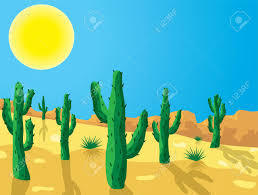
| Desert | An extremely dry area with little water and few plants |
| Plain | Plains are flat lands that have only small changes in elevation. |
| Mountain | An area that rises steeply at least 2,000 feet above surrounding land: usually wide at the bottom and rising to a narrow peak or ridge. Higher than a hill. |
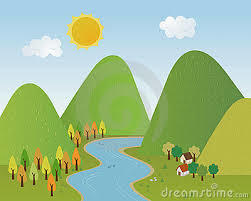
| Valley | An area of low land between hills or mountains. |



Want to create your own Flashcards for free with GoConqr? Learn more.