
9044021


Flowchart nodes
- Metazoans
- Ctenophora
- Porifera
- Cnidaria (coral, jellyfish, Hydra) - phylum
- Bilateria
- Protostomia
- Deuterostomia
- Lophotrochozoa
- Ecdysozoa
- Chordata
- Echinodermata
- Pterobranchia/Hemichordata
- Anthropoda
- Bryozoa (phylum)
- Brachiopoda (lamp shells)
- Mollusca
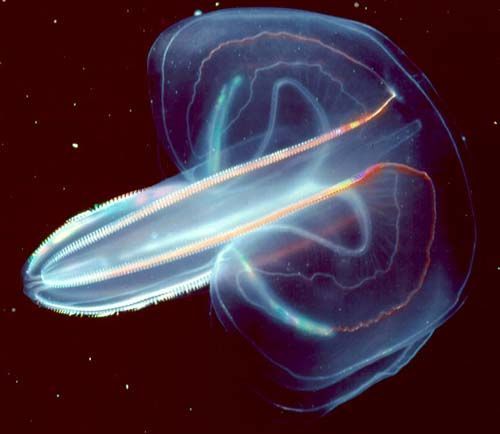
- Comb Jelliesuse cillia to move aroundnot in the Class Cnidaria because they don't have stinging cells
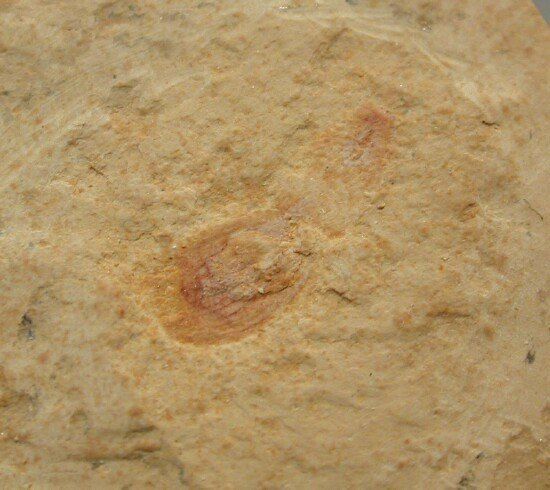
- Spongesfilter-feeder; water is pumped through the body and out other larger openings
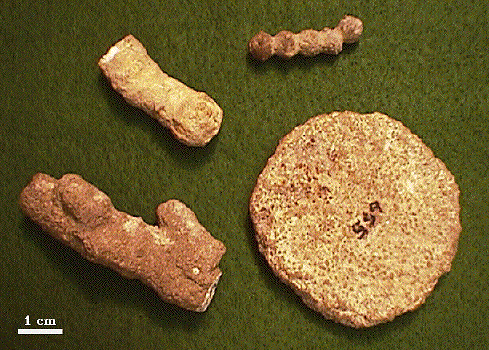
- Spicules
- Archaeocyatha
- Stromatoporoidea (class)
- Anthozoa - class
- Hexacorallia
- Rugosids
- Scyphozoa
- Cubozoa
- Hydroidea
- "Jellyfish" all Classes
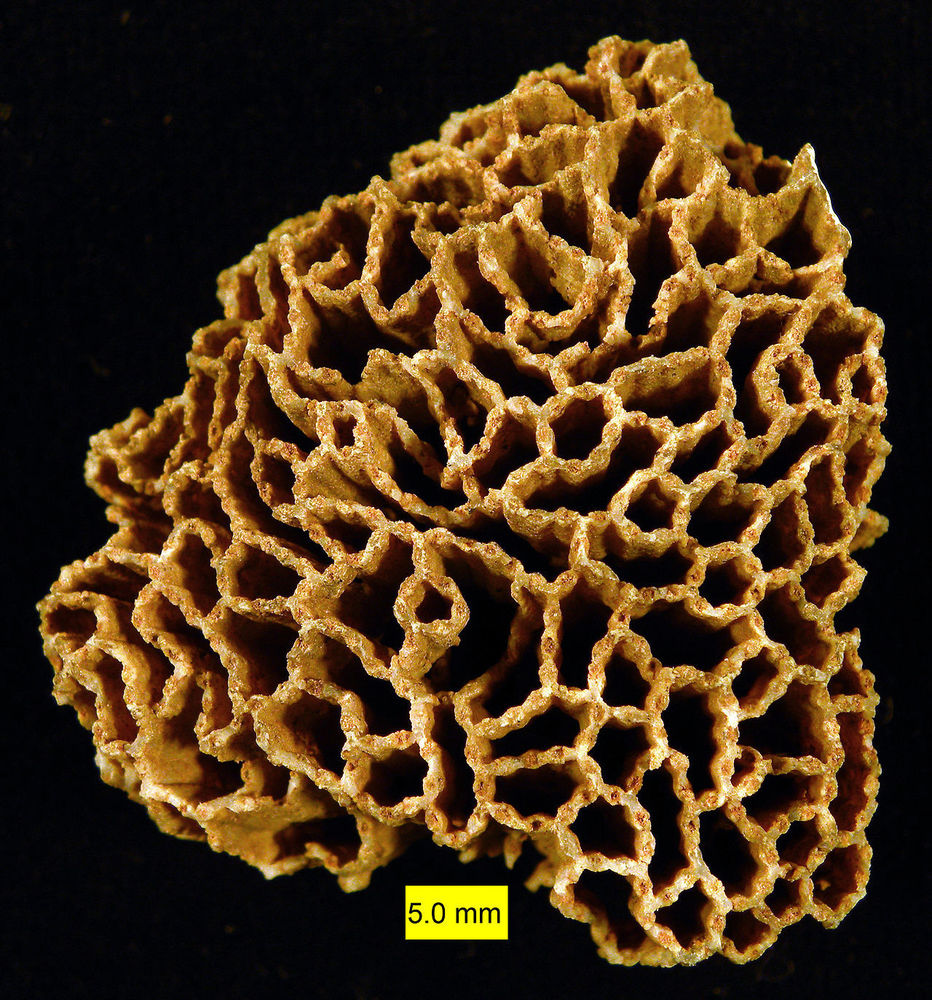
- Tabulates
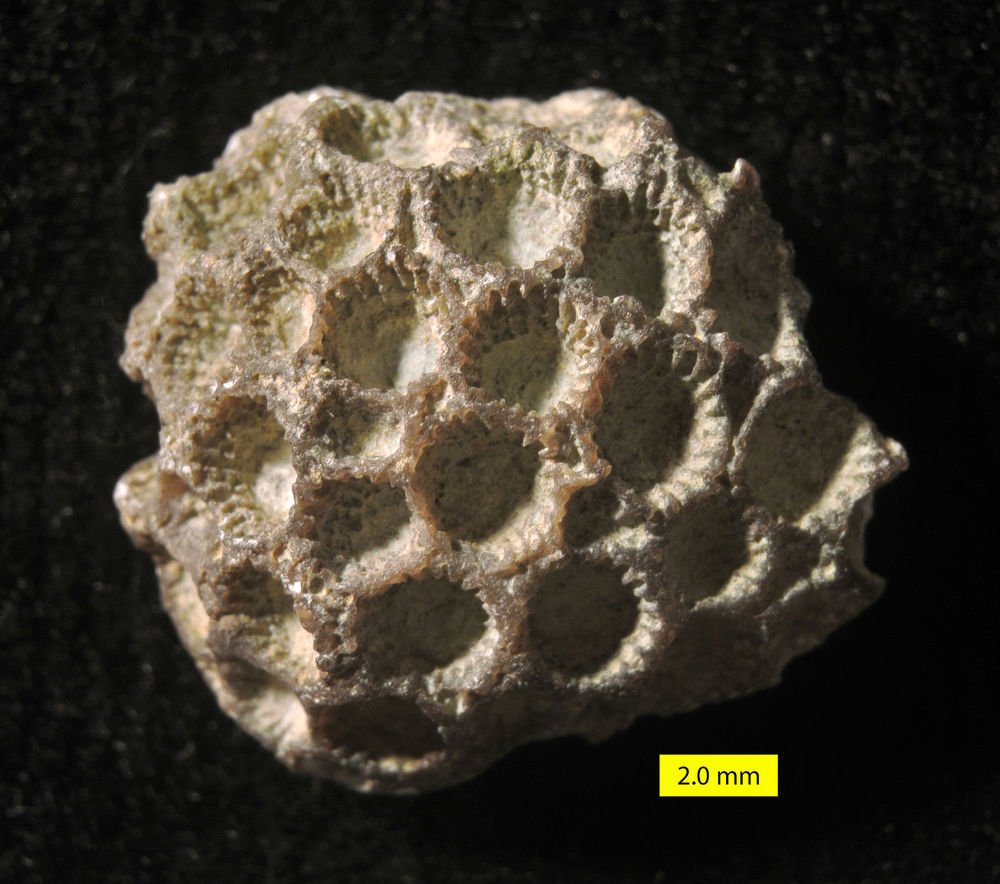
- Scleractinians
- These are all Orders
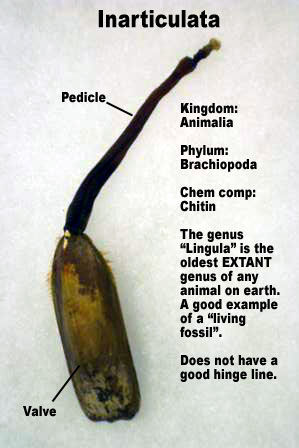
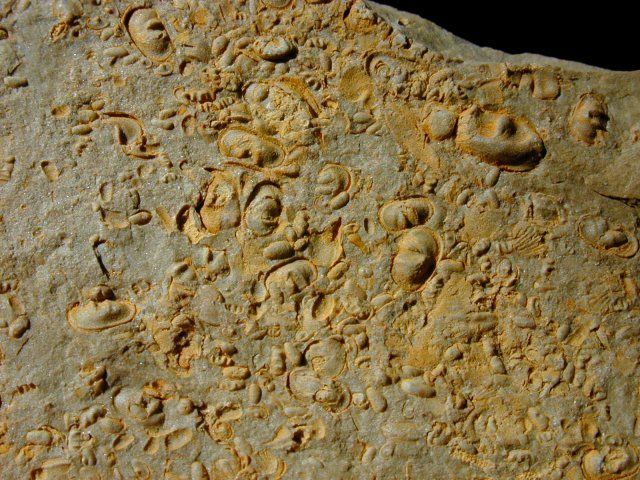
- Inarticulate "Lingulata" (class)
- Articulata (class)
- Sub-class of Athozoa;6 fold symmetrystony corals and sea anemones;
- Polyplacophorids (chitons)
- Monoplacophorids
- Scaphopods (tusk shells)
- Pelecypods (Bivalve)
- Gastropods
- Cephalopods
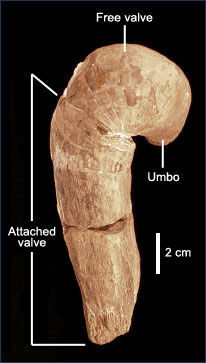
- Gryphaea
- Rudista
- Lopha
- Snails/typical gastropods
- Limpet
- Abalone
- Vermetids
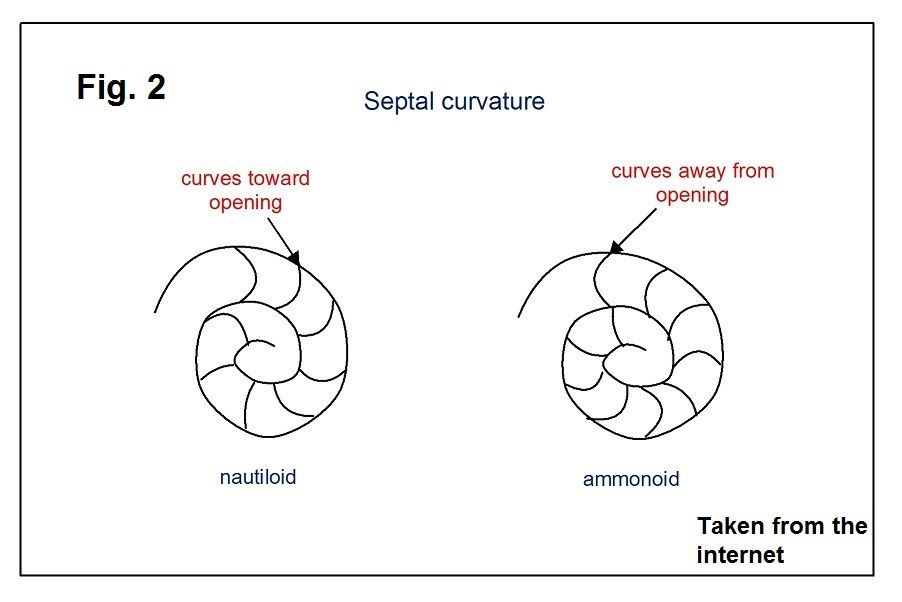
- Nautiloidea
- Ammonoidea
- Fenestrate
- Branching
- Encrusting
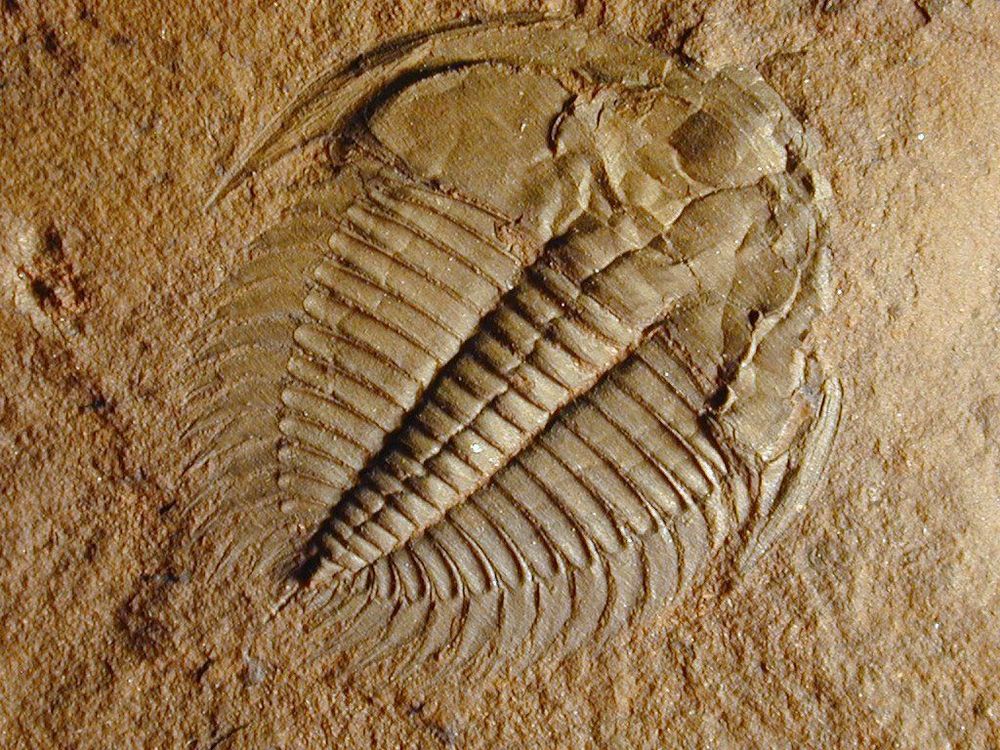
- Trilobites
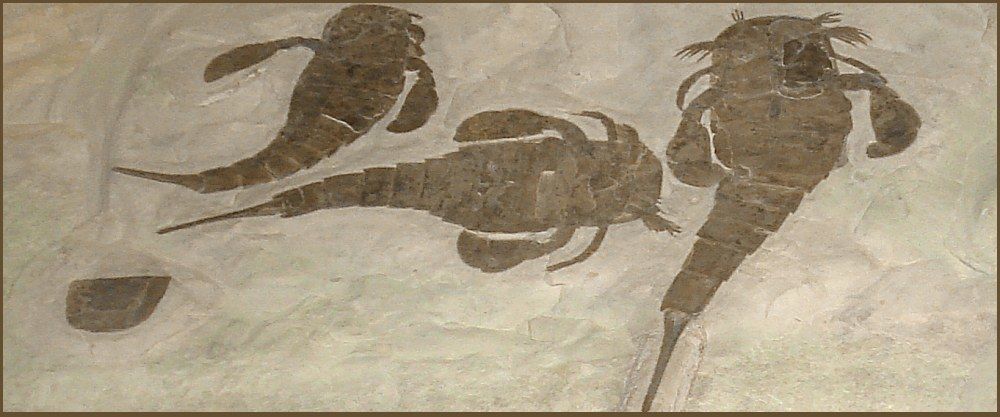
- Eurypterids
- Crustaceans
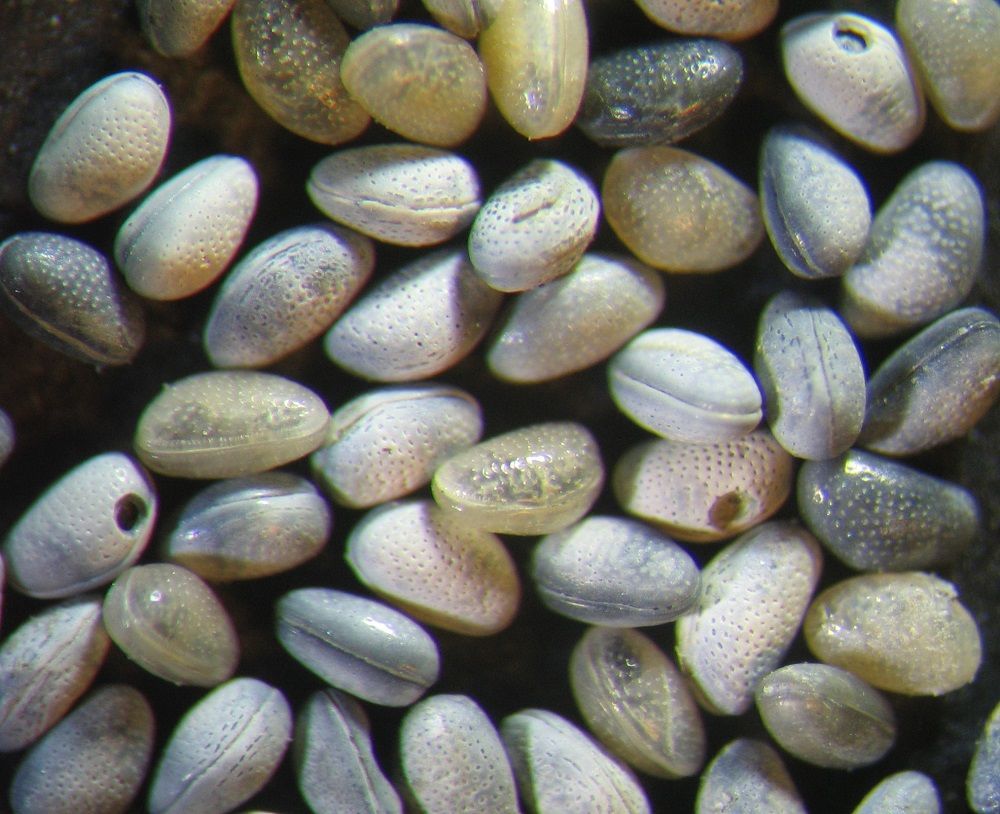
- Ostracodes
- Barnacles
- Decapoda: traces
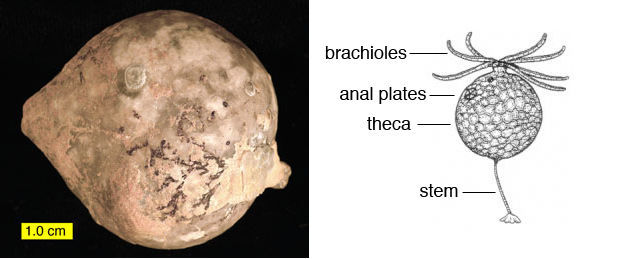
- Blastoids
- Cystoids
- Crinoids
- Echinoids
- Graptolites
- StipeDissempiment - connecting bars between stipe and colonyThecaDendroid - branching
- Craniata
- Conodonts
- Receptaculties
- Stromatolites, oncolites (oncoids), oolites (ooids)
- Rhodophyta
- PROTISTS
- Foraminifera
- Radiolaria
- Diatoms
- Coccolithophores
- found in clumpstongue-shaped shellno hingeless common than ArticulatesApatite and Calcite Shells
- single uniteverything besides lingulatahinged shells, tightly welded
- Univalve - no symmetryscavengersARAGONITE
- Univalve - bilateral symmetry
- Cambrian to PresentBivalve - symmetry 90 degree to hinge lineLophophore - suspension feeder
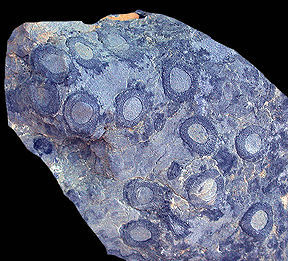
- Early to late Cambrian1st reef builderskinda looks like a horn coralcarbonate structures in limestoneoriginally had a calcite skeletonfilter-feeder
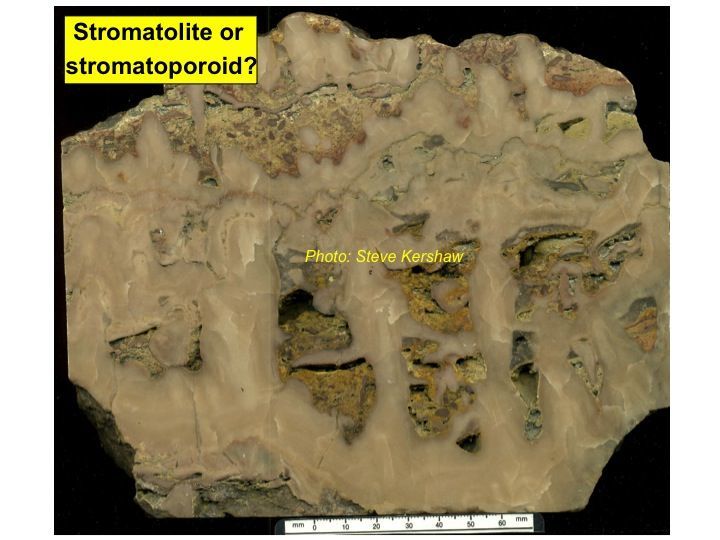
- Ordoviacian - Devoniancalcareous skeleton;reef-builder (not coral though);try not to confuse them with stromatolites (stromatoporoids are kinda silky looking; have columns and phalanges); are sometimes lighter?
- basically the way to identify porifera;pointy structures; can develop multiple "rays"
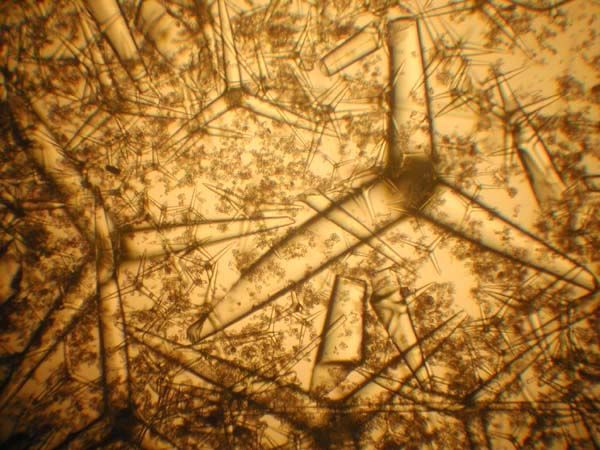
- Stromatolites: cyanobacteria
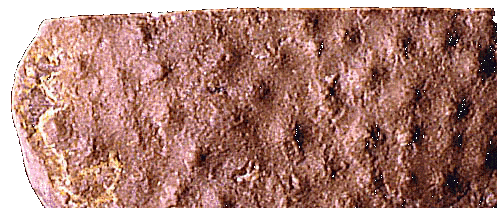
- Tissues but no organs;
- Box Jellies;they look like boxes
- True Jellies
- Corals
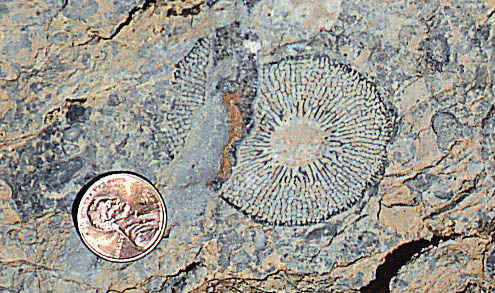
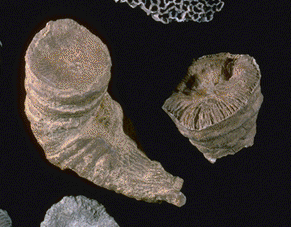
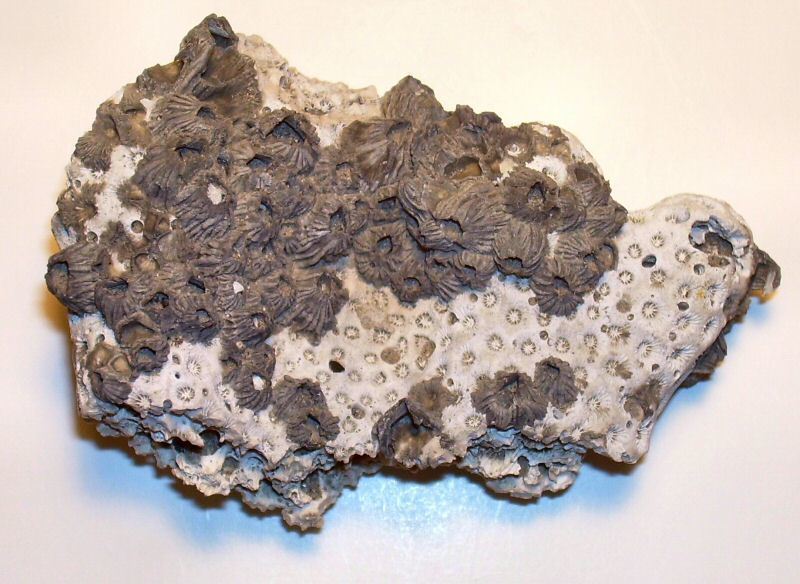
- Horn Corals;Ordovician to Permian;calcite skeletonal,almost always found as castssolitary or colonies
- symmetry between valves;calcium carbonate shells;
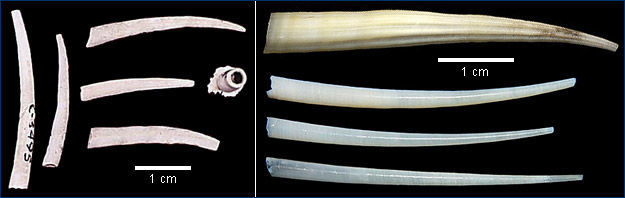
- Cambrian to Presentthey literally look like tusks;shells rather than the organism itself
- "flowing mat"
- Enter text here
- Enter text here
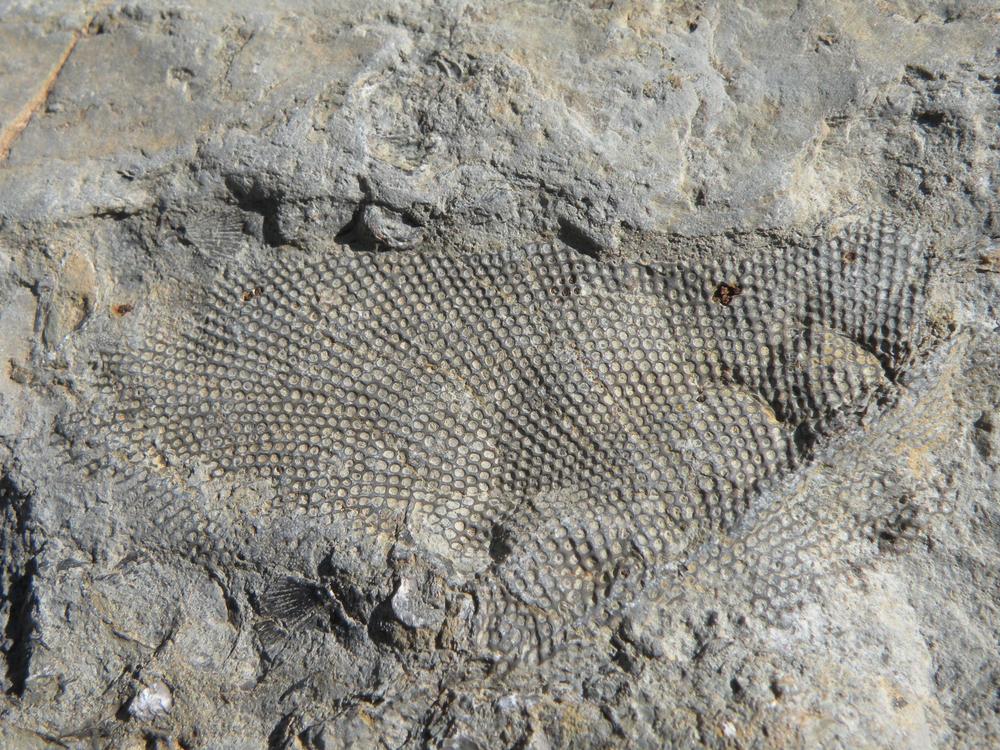
- Moss Animalsinvertebrates;lophophore (flailing thingies) - suspension feederZooids - indiv. in colony, not full animalshermaphodites
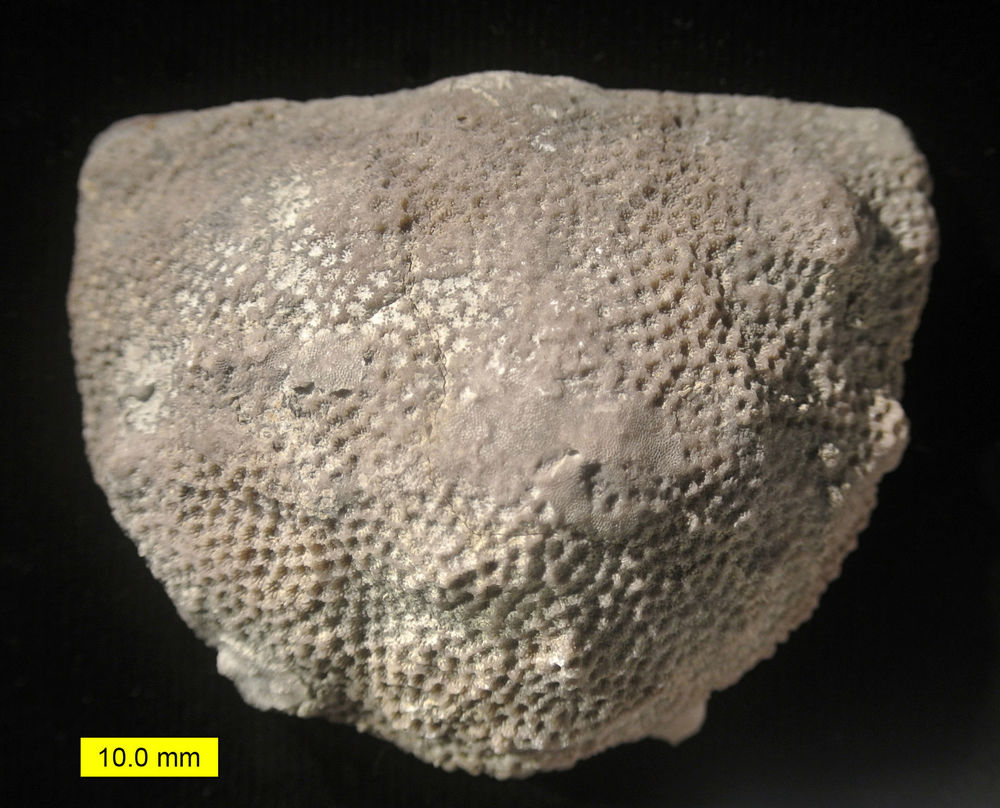
- Argagonitelook for stars
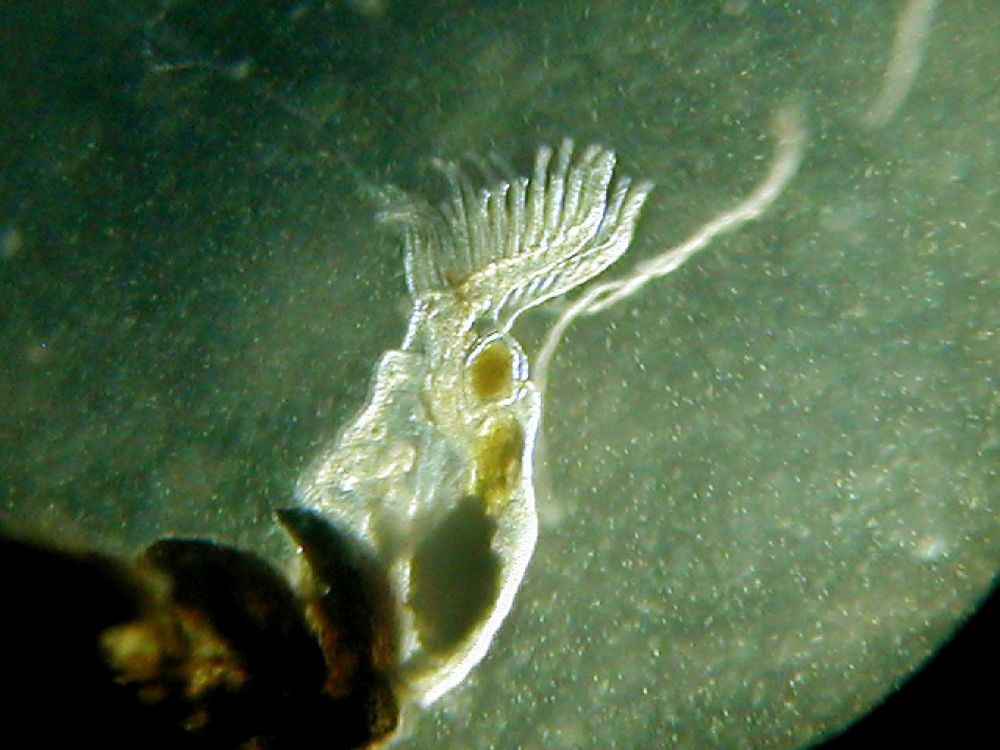
- Cambrian to Carboniferouspreserved as a black carbon tracefilter-feeders
- PLANT!Red Algaeabsorbs blue light = lives deeper than the other algaescarbonate shell, reef builderslook like graptolite except pink
- note teeth!
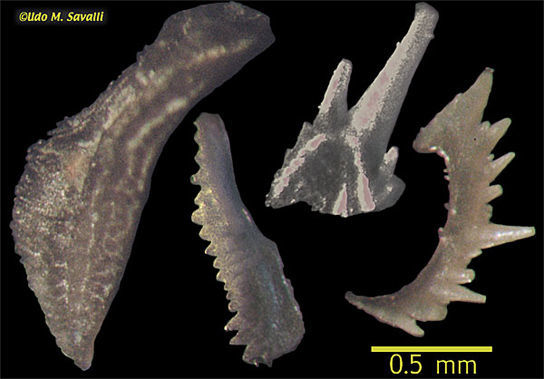
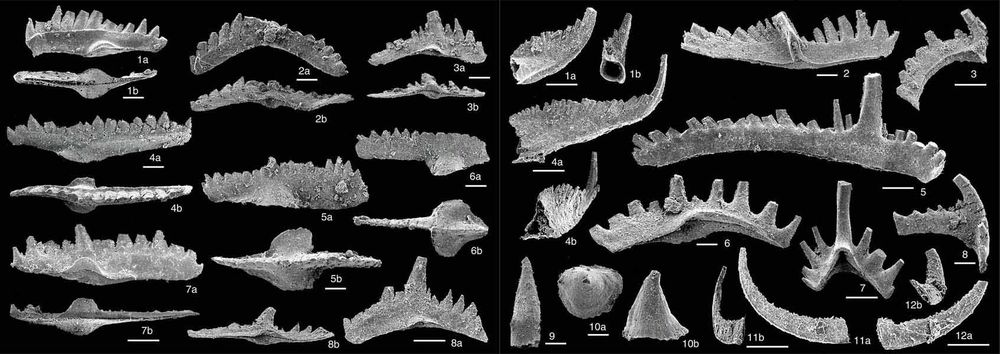
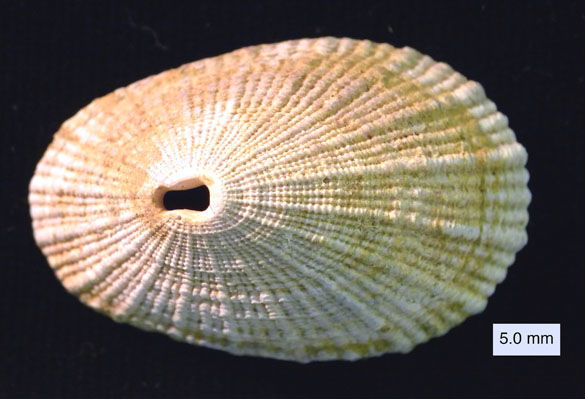
- identify by hole (but not every limpet has a hole),unevenlooks like a volcano
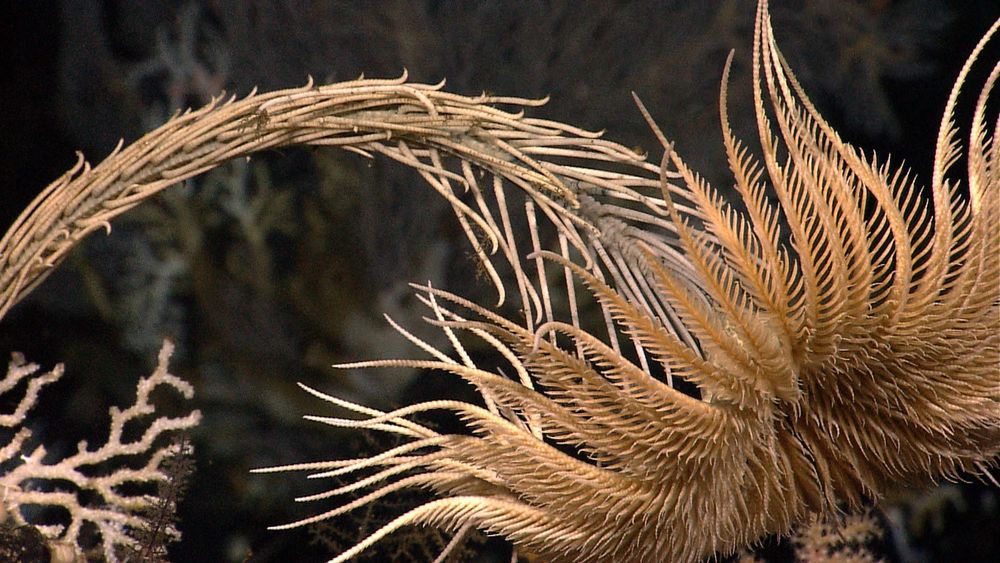
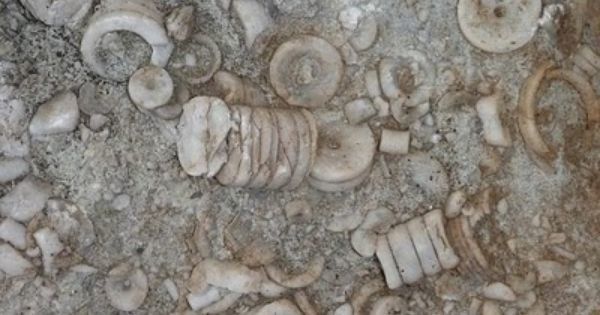
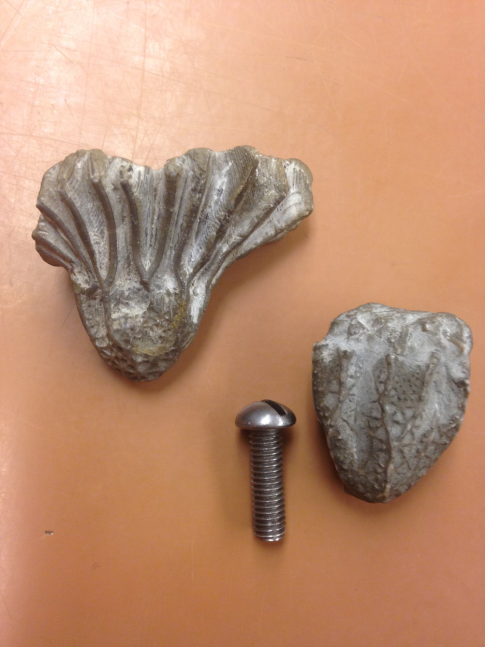
- Ordovician to presentlooks like a sea lilystem,we went on a field trip;filter feeders
- looks like a sperm;oval body compared to the round crinoid;
- Calcite
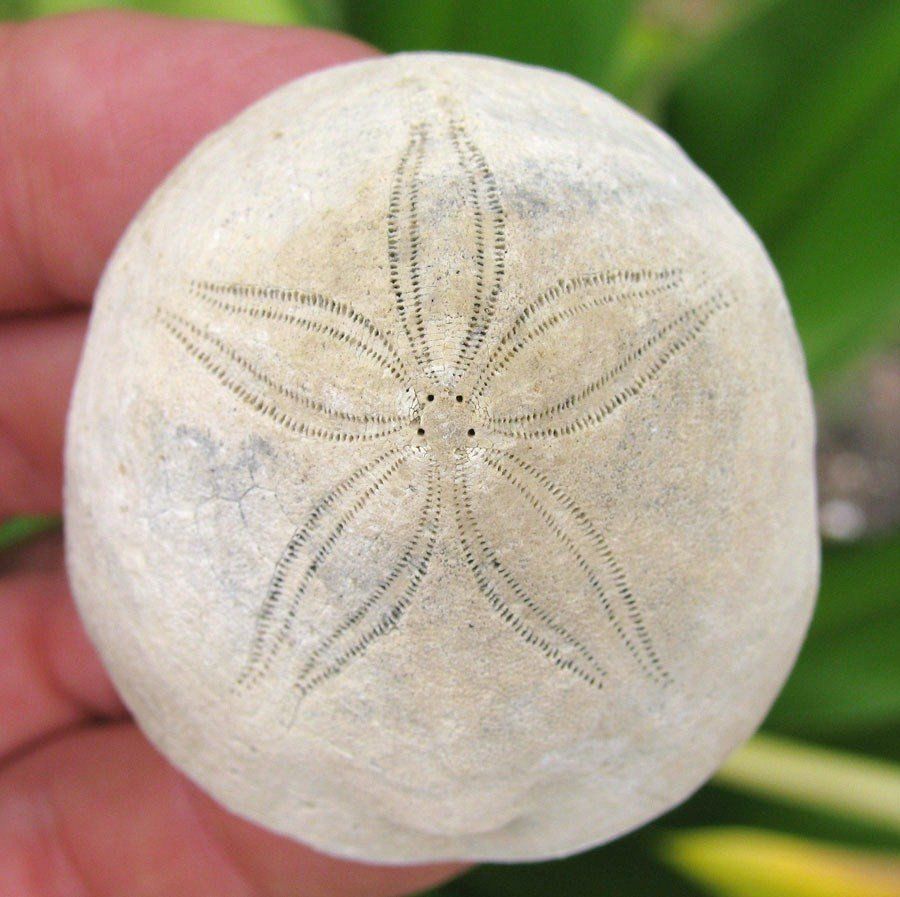
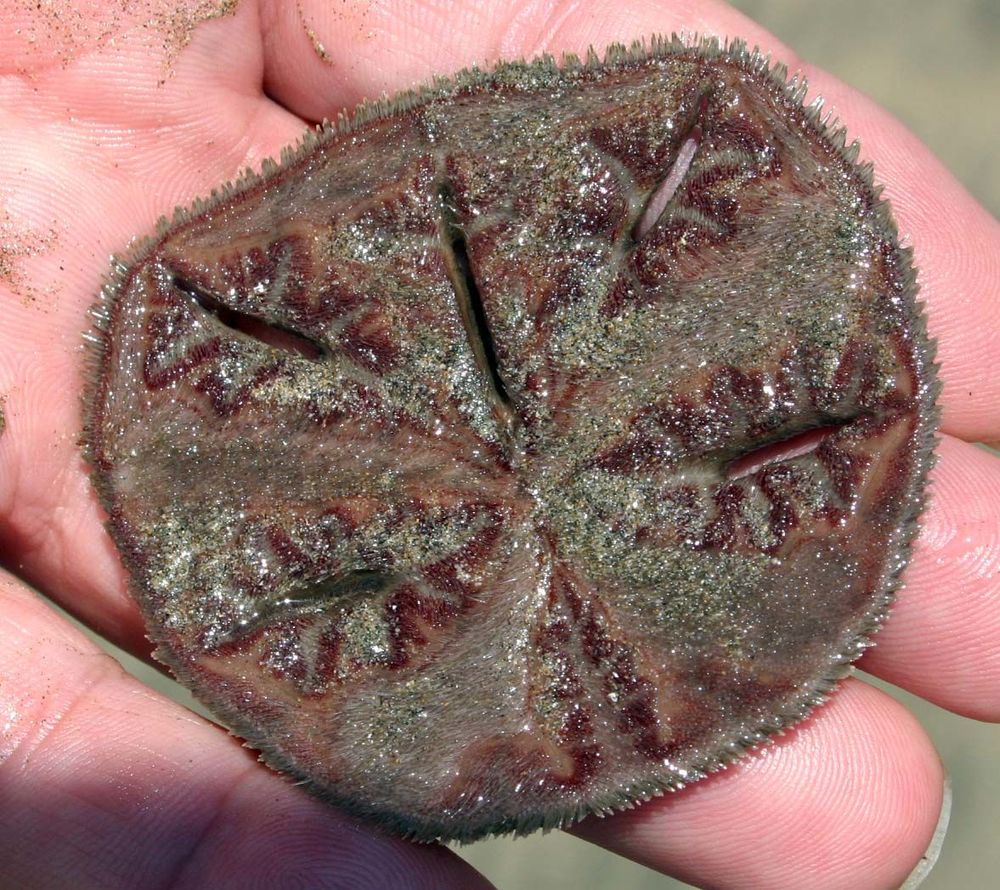
- to presentsand dollars and sea urchins
- (sea scorpians) Horseshoe crabs
- Ordovician to presentmost common arthropodshelled shrimpcalcareous shellwide range of diet
- Cambrian to Permianrange feeder3 sections - cephalon, thorax, pygidium
- Devonian to Present10 footed - crayfish, crabs, lobsters, prawns, and shrimp.
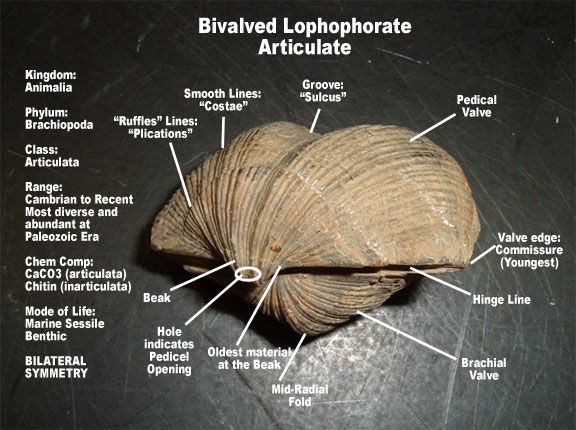
- Mid-Cambrian to PresentSuspension feeders
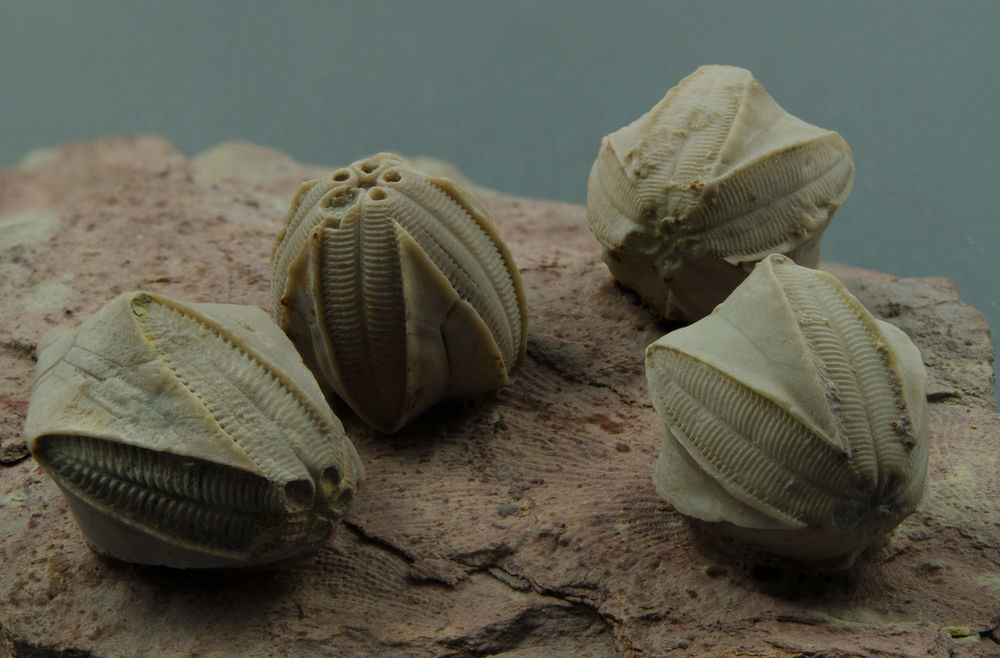
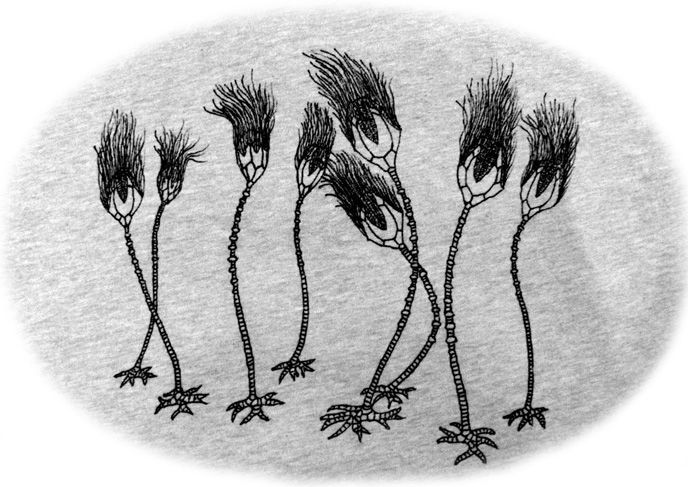
- Ordovician to Permianfossils look like nuts
- Hydrozoa;freshwater jelly, Portugese Man O' WarPolyp and Medusa form
- Ordovician to Permian
- Cambrian to Presentunivalve, single shelledlooks like a Limpet, but more curved
- Enter text here
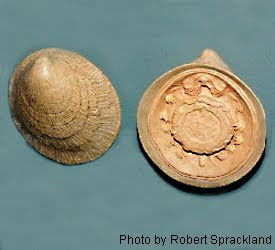
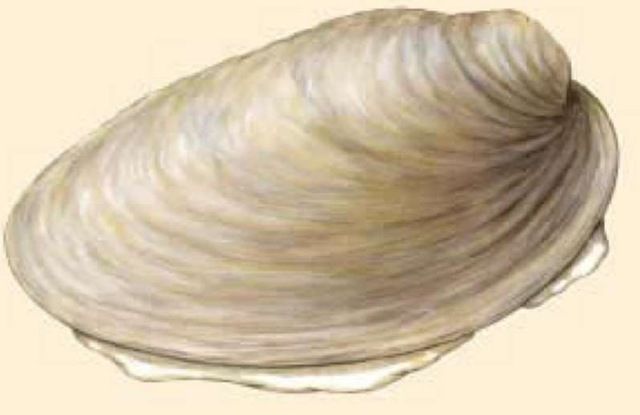
- Mother of Pearl - Aragonite
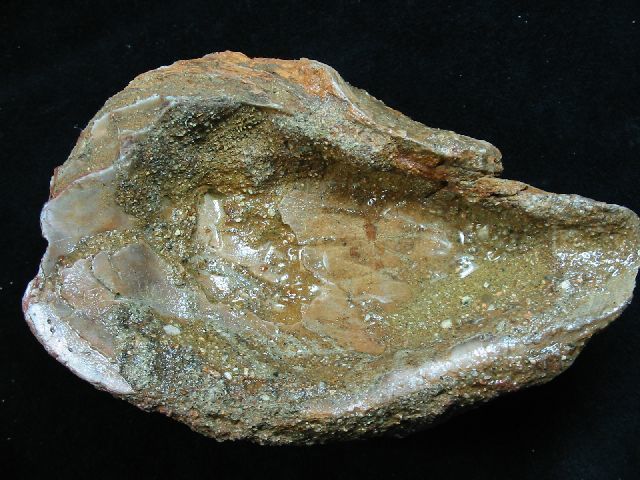
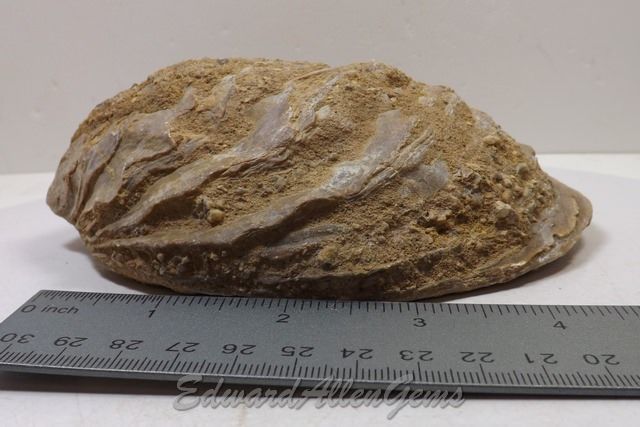
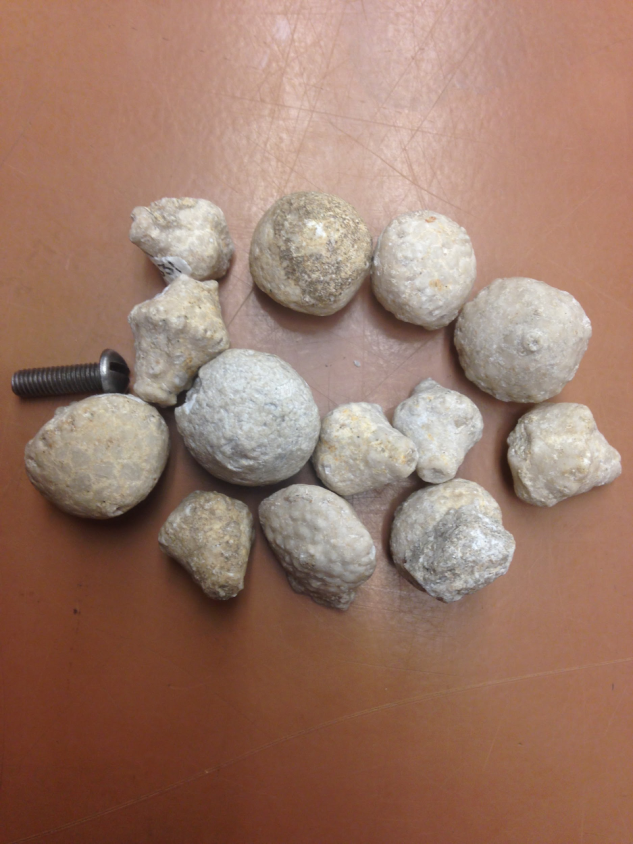
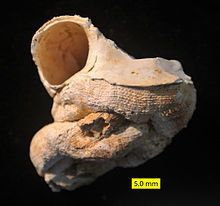
- worm-like
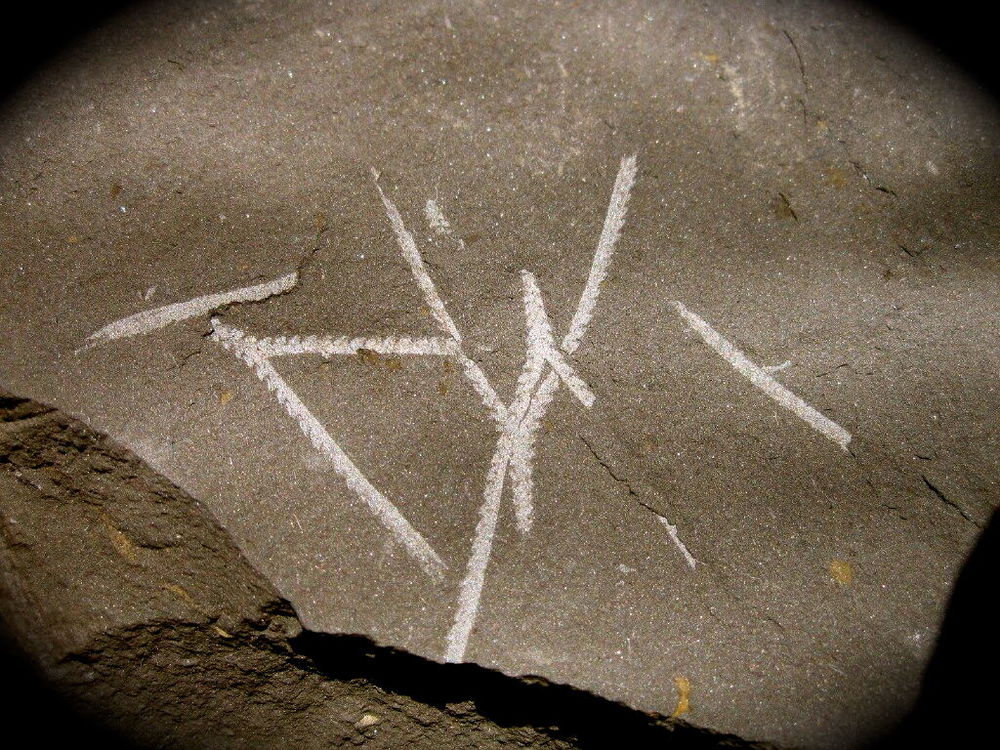
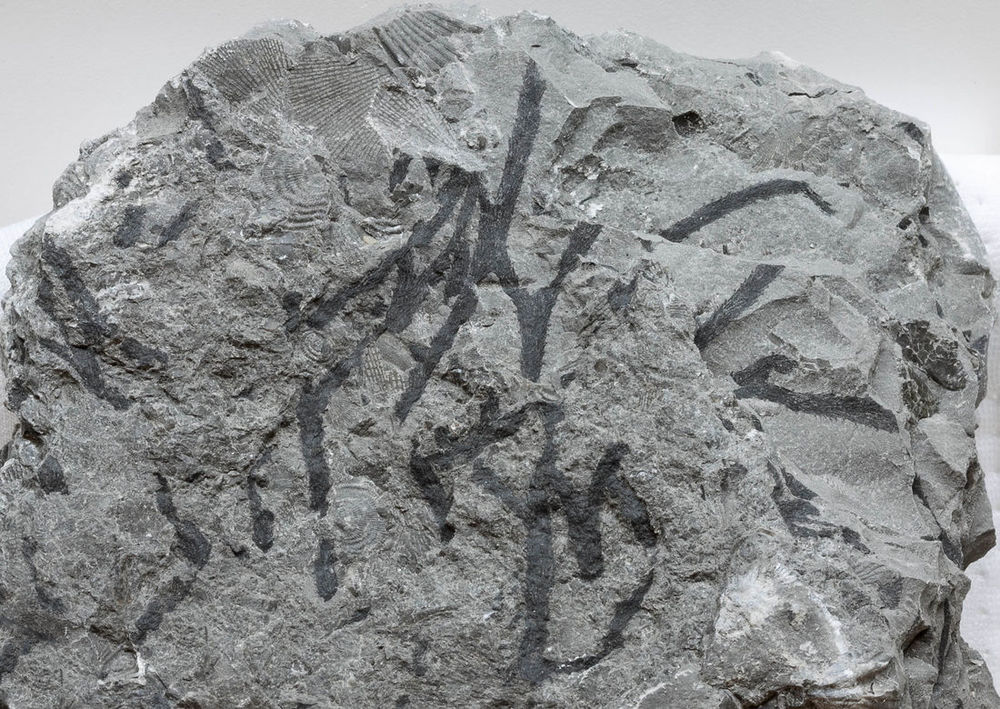
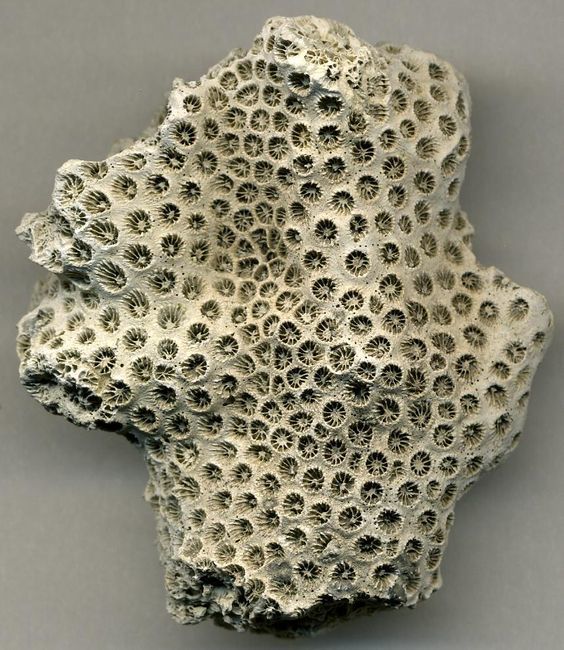
- "Devil's Toenail"
Want to create your own Flowcharts for free with GoConqr? Learn more.