
38500485
Description

Mind Map by IAGO DELCAMP BLAZQUEZ, updated more than 1 year ago

|
Created by IAGO DELCAMP BLAZQUEZ
about 3 years ago
|
|
Materials
- Technical
materials
- Is the name given to all materials used to build
objects that are obtained from raw materials
- Raw materials
- Obtained directly from nature
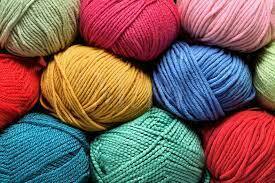
- Wool
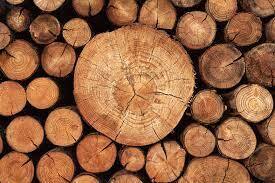
- Wood
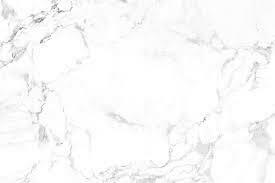
- Marble
- Wool
- Natural materials
- Raw materials are refined or prepared to obtain natural materials
- Wood
- Wool
- Marble
- Wood
- Processed materials
- By processing natural materials, we can obtain other types of materials
- Technical material can be both natural or processed
- Woods
- Metals
- Plastics
- Textiles
- Construction materials
- Woods
- By processing natural materials, we can obtain other types of materials
- Raw materials are refined or prepared to obtain natural materials
- Obtained directly from nature
- Is the name given to all materials used to build
objects that are obtained from raw materials
- Properties
- Each material has certain properties that make
it suited to a certain use
- Bridge
- Strong material
- Strong material
- Sculpture
- Attractive material
- Attractive material
- Aeroplane
- Lightweight material
- Lightweight material
- Toy
- Non-toxic material
- Non-toxic material
- Bridge
- Basic properties
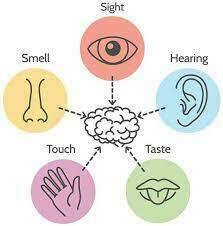
- Sensory properties
- Related to our senses
- Colour
- Feel
- Texture
- Brightness
- Transparency
- Related to our senses
- Mechanical properties
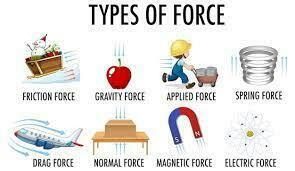
- Related to the response of the material to the forces that act on them
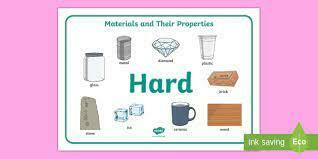
- Hard (difficult to scratch)
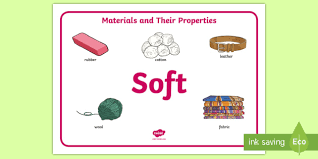
- Soft (scratch easily)
- Soft (scratch easily)
- Tough (can withstand impact)
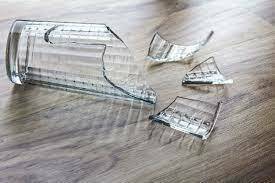
- Brittle (cannot withstand impact)
- Brittle (cannot withstand impact)
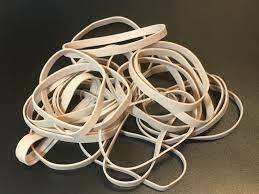
- Elastic (can return to their original form)
- Plastic (stay deformed)
- Plastic (stay deformed)
- Malleable (can easly be flattened into sheets)
- Ductile (can easily be shaped into threads or wires)
- Ductile (can easily be shaped into threads or wires)
- Related to the response of the material to the forces that act on them
- Physical properties
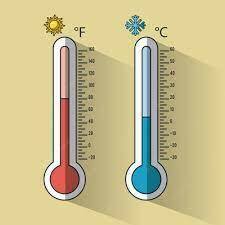
- Related to the response of the materials to physical phenomena (electricity,
magnetism, temperature...)
- Materials can be
- Conductors
- Electrical conductor
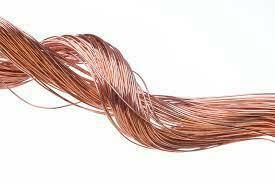
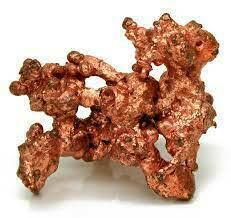
- Copper
- Copper
- Thermal conductor
- Metals
- Metals
- Sound conductor
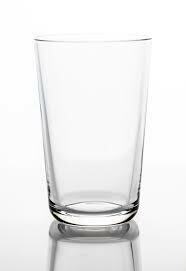
- Glass
- Glass
- Electrical conductor
- Insulators
- Electrical insulator
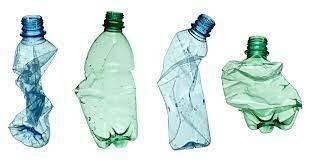
- Plastic
- Plastic
- Thermal insulator
- Wood
- Wood
- Sound insulator
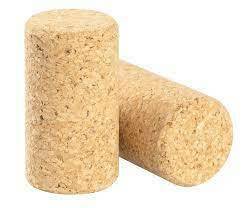
- Cork
- Cork
- Electrical insulator
- Conductors
- Related to the response of the materials to physical phenomena (electricity,
magnetism, temperature...)
- Sensory properties
- Other properties
- Environmental properties
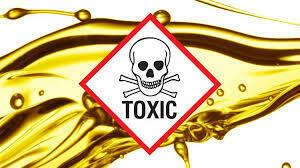
- Toxicity
- Toxicity
- Environmental properties
- Each material has certain properties that make
it suited to a certain use
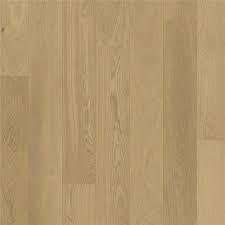
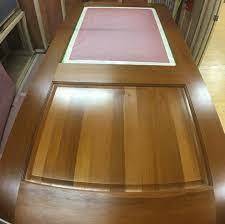
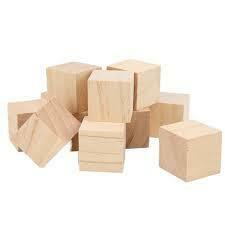
- Wood
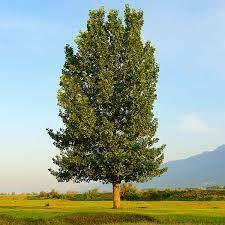
- Wood is the solid, rigid part found underneath the bark of tree trunks
- Properties
- Tough material
- Insulator (heat and electricity)
- Conductor (sound)
- Resistant
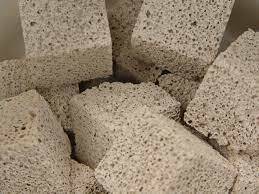
- Porous
- Are some properties problematic?
- Properties of a material are considered advantageous
for une project but disadvantageous for another
- Properties of a material are considered advantageous
for une project but disadvantageous for another
- Tough material
- Properties
- How we obtain wood
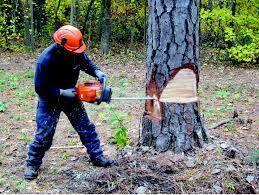
- 1. Felling
- 2. Debarking
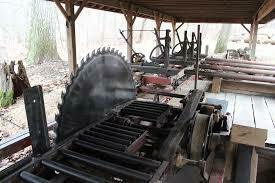
- 3. Transport to the sawmill
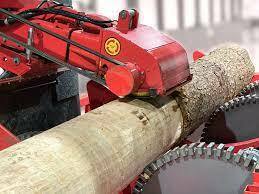
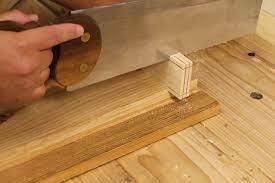
- 4. Sawing for end use
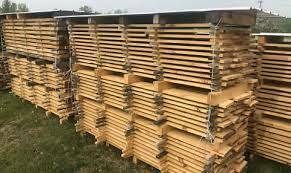
- 5. Drying
- 6. Cleaning, planing and sanding
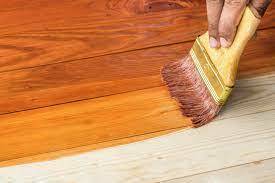
- 7. Treatments and finishes
- 7. Treatments and finishes
- 6. Cleaning, planing and sanding
- 5. Drying
- 4. Sawing for end use
- 3. Transport to the sawmill
- 2. Debarking
- 1. Felling
- Before we can use wood, it must be prepared or
refined
- Types of wood
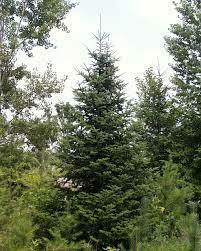
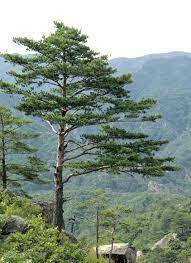
- Softwoods
- Comes from coniferous trees
- Pine
- Fir
- Poplar
- Pine
- These woods are
- Easy to work with
- Cheap
- Uniform quality
- Easy to work with
- Comes from coniferous trees
- Hardwoods
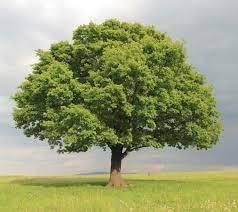
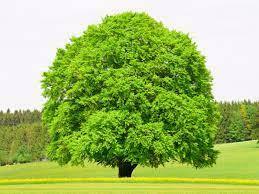
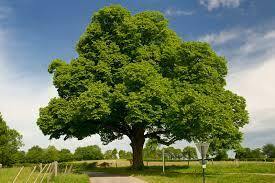
- Comes from deciduous trees
- Oak
- Beech
- Chestnut
- Oak
- These woods are
- More expensive
- Difficult to work
- Better-quality finish
- More expensive
- Comes from deciduous trees
- Softwoods
- Wood products
- We usually work with wood derivatives in
the workshop
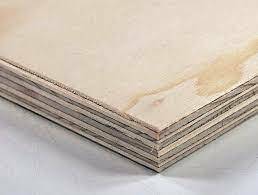
- Plywood
- Thin wood layers
- Thin wood layers
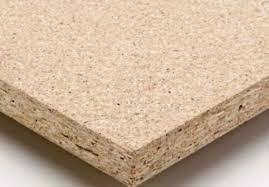
- Chipboard
- Wood chips
- Wood chips
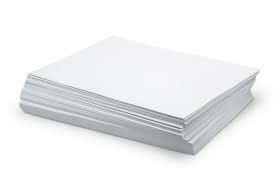
- Paper
- Wood and plant fibres
- Wood and plant fibres
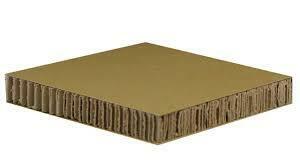
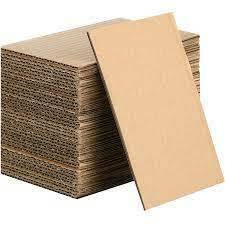
- Cardboard
- Several layers of paper
- Several layers of paper
- Cork
- Bark of the cork oak
- Bark of the cork oak
- Plywood
- We usually work with wood derivatives in
the workshop
- Does using wood have an
environmental impact?
- Wood is a biodegradable material
- Problems
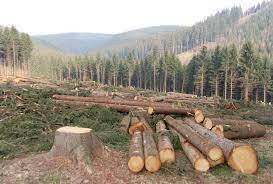
- Indiscriminate felling of trees
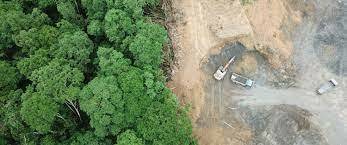
- Deforestation
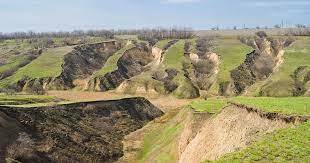
- Soil erosion
- Unbalanced
ecosystems
- Deforestation
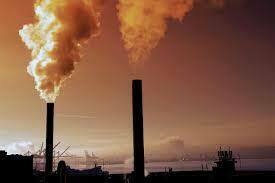
- The pollution
- Caused by the chemical processes
- Caused by the chemical processes
- Indiscriminate felling of trees
- We can reuse wood
- Use both sides of the sheet
- Use both sides of the sheet
- Wood is a biodegradable material
- Wood is the solid, rigid part found underneath the bark of tree trunks
- Metals
- Are hard materials and good conductors of heat, electricity and sound
- They expand and contract with temperature, oxidise easily and are cold to the touch
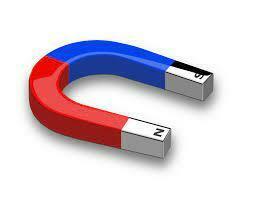
- Some metals have magnetic properties
- Some metals have magnetic properties
- They expand and contract with temperature, oxidise easily and are cold to the touch
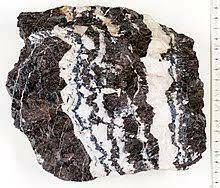
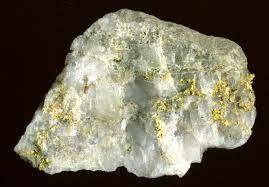
- We extract metals from minerals
- Part of the mineral that we
obtain metal
- Ore
- Ore
- The rest of the mineral
- Gangue
- Gangue
- Part of the mineral that we
obtain metal
- We usually find metals as alloys and not in their pure form
- An alloy is a mixture of two or more metals, or of a metal and
non-metallic components
- Phosphorus
- Carbon
- Silicon
- Phosphorus
- An alloy is a mixture of two or more metals, or of a metal and
non-metallic components
- Classifying metals
- Ferrous metals (contain mainly iron)
- Depending on their percentage of carbon
- Iron
- Less than 0.1 % carbon
- Soft, ductile and malleable
- Rusts easily
- Very brittle
- Less than 0.1 % carbon
- Steel
- Made mainly from iron, with 0.1 % to 2% carbon
- Hard, very durable and economical metal
- Used in industry
- Made mainly from iron, with 0.1 % to 2% carbon
- Cast iron
- Made from iron and 2 % to 6.67 % carbon
- Hard but brittle
- Used in the manufacture of engines
- Made from iron and 2 % to 6.67 % carbon
- Iron
- Depending on their percentage of carbon
- Non-ferrous metals
- Copper
- Bright, red-coloured metal
- Used since ancient times to make
ornaments, coins and even weapons
- Good conductor of heat and electricity
- Bright, red-coloured metal
- Tin
- Silver-coloured shiny metal
- Very resistant to corrosion and very
ductile and malleable
- When it is heated to temperatures above 400 °C, it turns to liquid
- Silver-coloured shiny metal
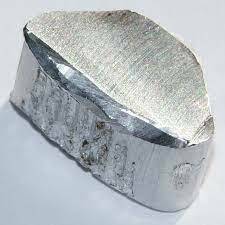
- Aluminium
- Is a shiny, white, cheap and easy to recycle metal
- Very lightweight, a good conductor of heat and electricity
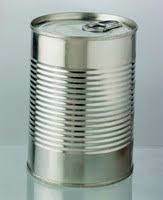
- It is non-toxic so it is used in food packaging
- Is a shiny, white, cheap and easy to recycle metal
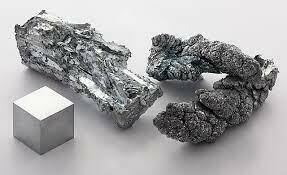
- Zinc
- Is bluish-white in colour and one of the least
common metals
- Resistant to corrosion and oxidation
- It is often used to coat and protect other metals
(mainly iron and steel)
- Is bluish-white in colour and one of the least
common metals
- Other non-ferrous metals
- There are many metals with a wide variety of uses
- There are many metals with a wide variety of uses
- Copper
- Ferrous metals (contain mainly iron)
- Does using metals have an environmental impact?
- The mining of ore affects the landscape, produces noise and
dust, releases gases and destroys habitats
- When the ore is processed to obtain metal, gases are formed that release
heavy metals (cadmium, etc.) into the atmosphere. These metals pollute
the air and water and can have carcinogenic effects on humans
- In processes to obtain steel, a lot of CO2 is released. CO2 is the gas
responsible for the greenhouse effect
- We can reuse metals
- Recycling metallic products saves energy
- Recycling metallic products saves energy
- The mining of ore affects the landscape, produces noise and
dust, releases gases and destroys habitats
- Are hard materials and good conductors of heat, electricity and sound
Media attachments









Want to create your own Mind Maps for free with GoConqr? Learn more.