Pancreatitis

Description

Mind Map on Pancreatitis, created by le la on 11/03/2018.
le la
Mind Map by le la, updated more than 1 year ago
le la
Created by le la almost 8 years ago
3
0

Resource summary

Pancreatitis
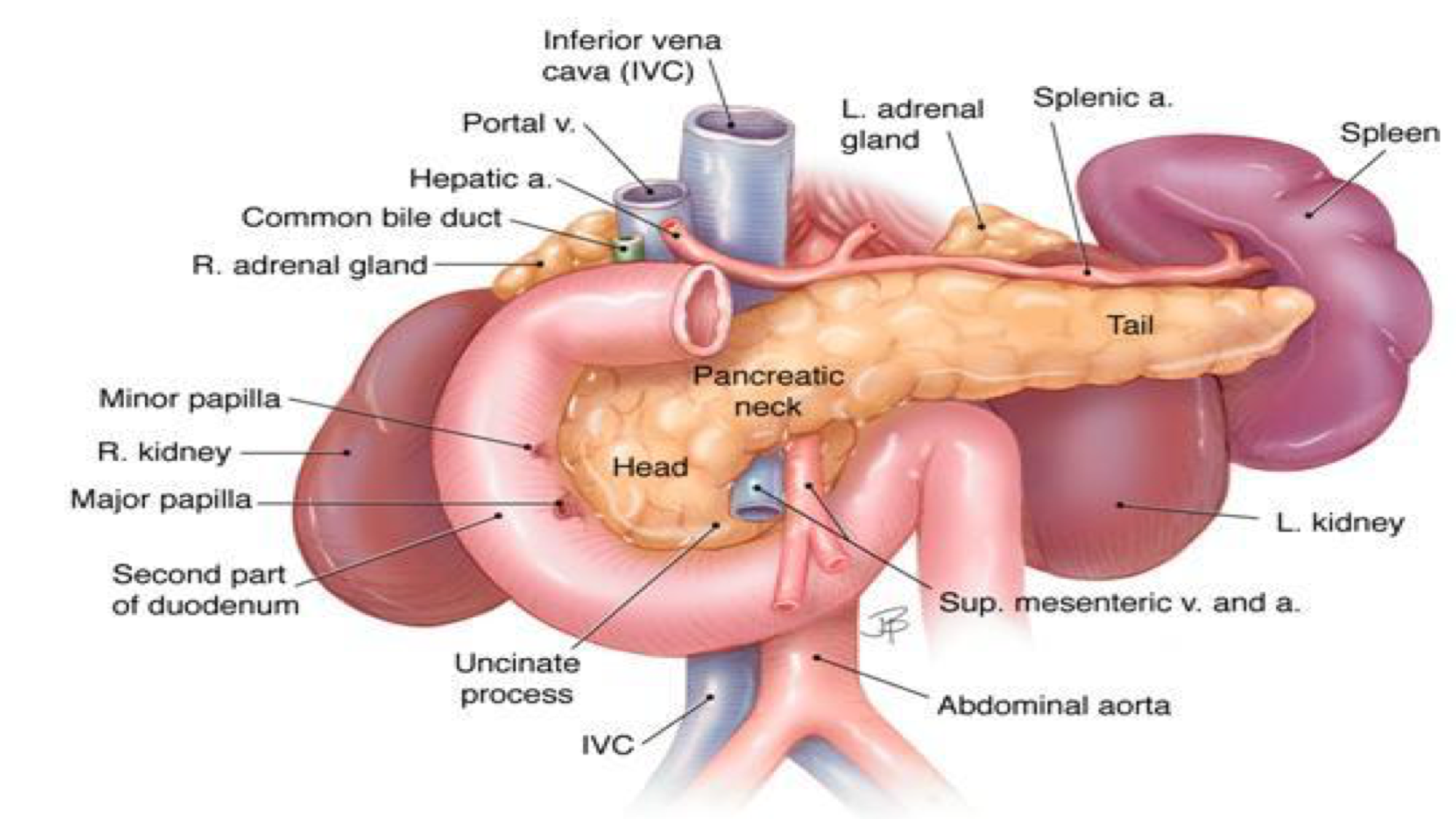
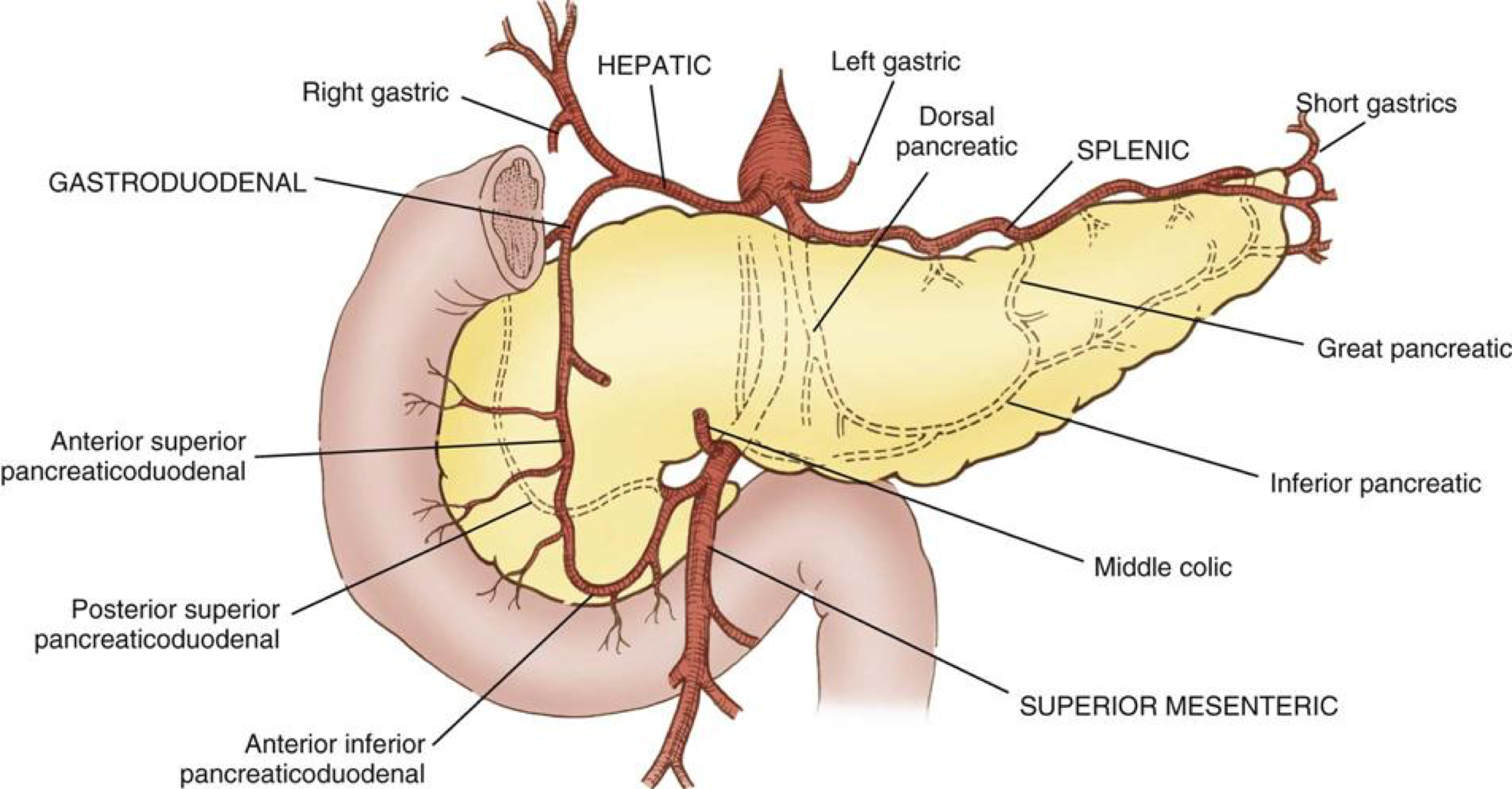
  1. anatomy of the pancreas
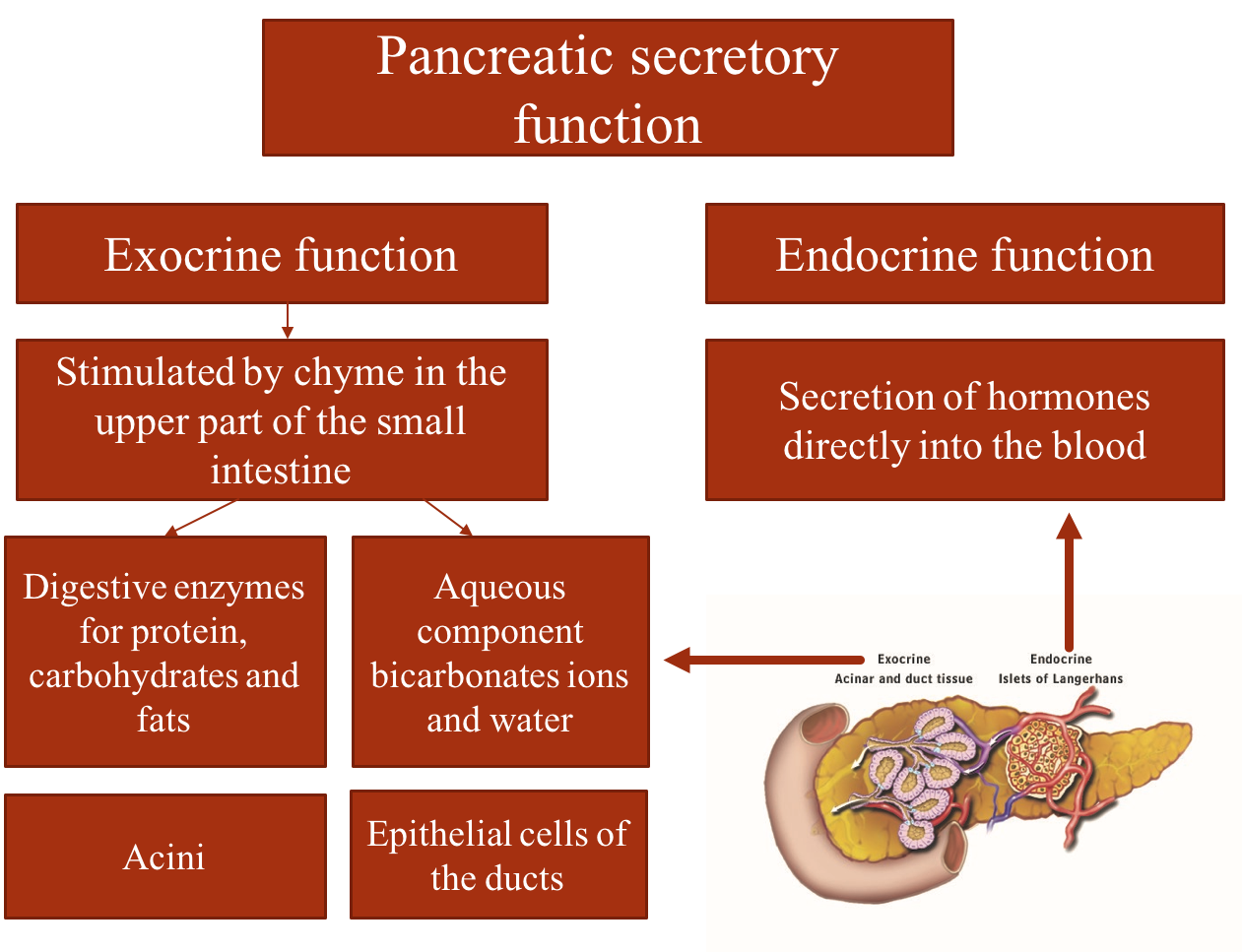
    1. physiology
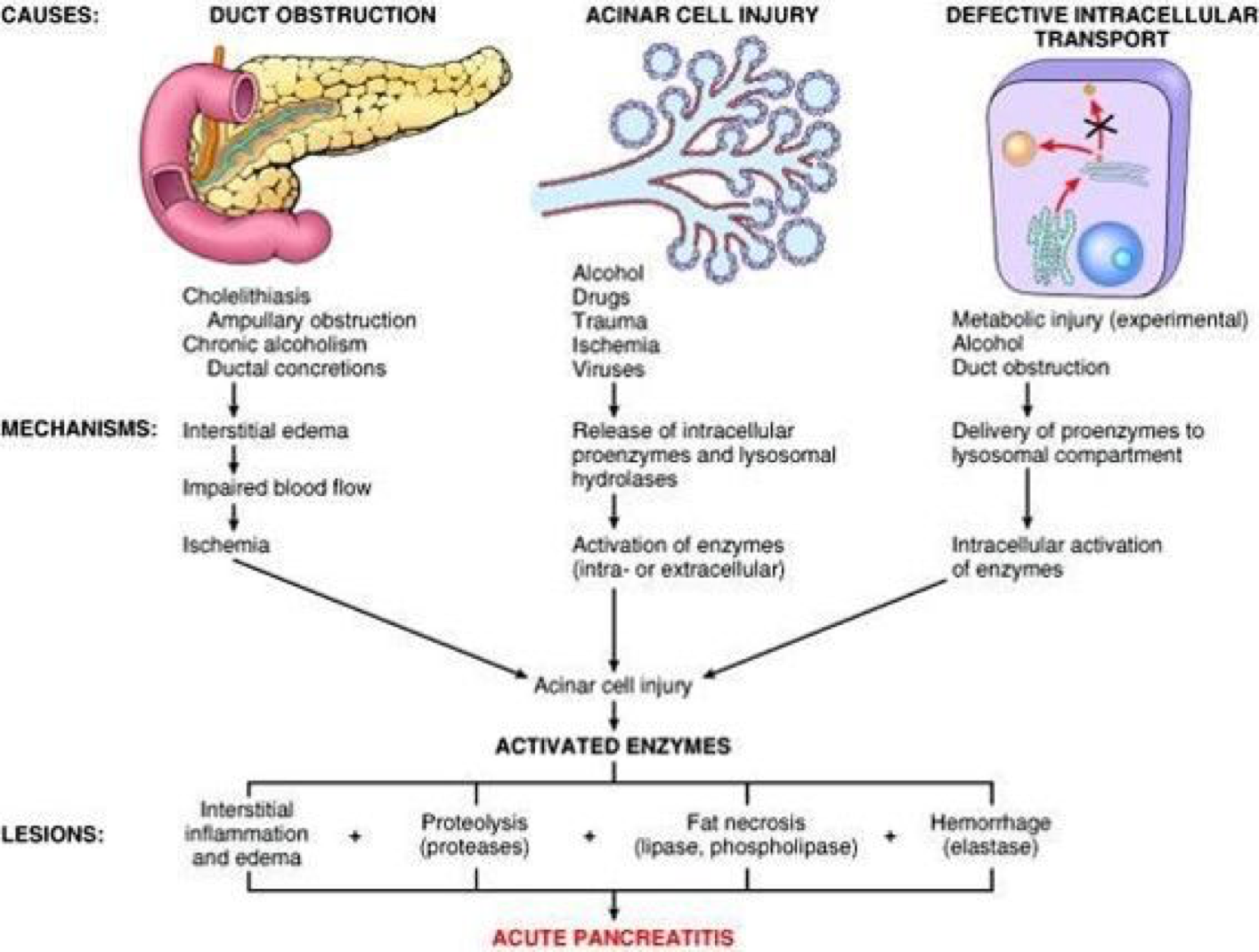
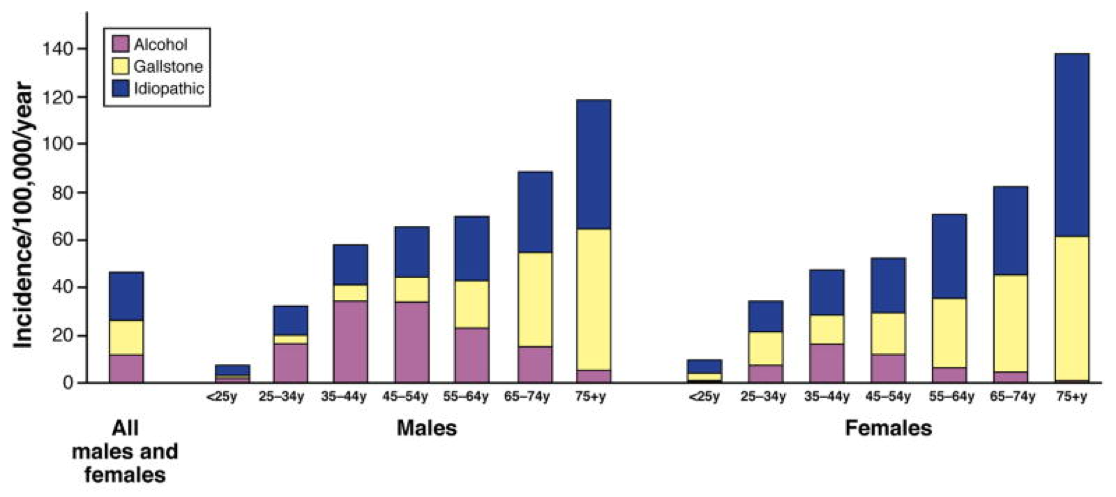
      1. causes of pancreatitis
        1. how does it happen? pathophysiology
          1. Investigations
            1. Management
              1. Prognosis & Epidemiology
                1. Acute pancreatitis can be very serious, even life threatening, but most patients can expect complete recovery.
                  1. Acute pancreatitis can become chronic if pancreatic tissue sustains damage and scarring occurs
                  2. fluid resuscitation
                    1. nutritional support
                      1. pain control
                        1. analgesics
                      2. pancreatic enzymes
                        1. Serum amylase
                          1. Serum lipase
                            1. Serum immunoreactive trypsin (SIT)
                              1. Decreased fecal elastase
                          2. Radiologic Studies
                            1. Transabdominal ultrasound
                              1. MRI and magnetic resonance cholangiopancreatography (MRCP)
                                1. Endoscopic retrograde cholangiopancreatography (ERCP)
                                1. leading to these signs and symptoms
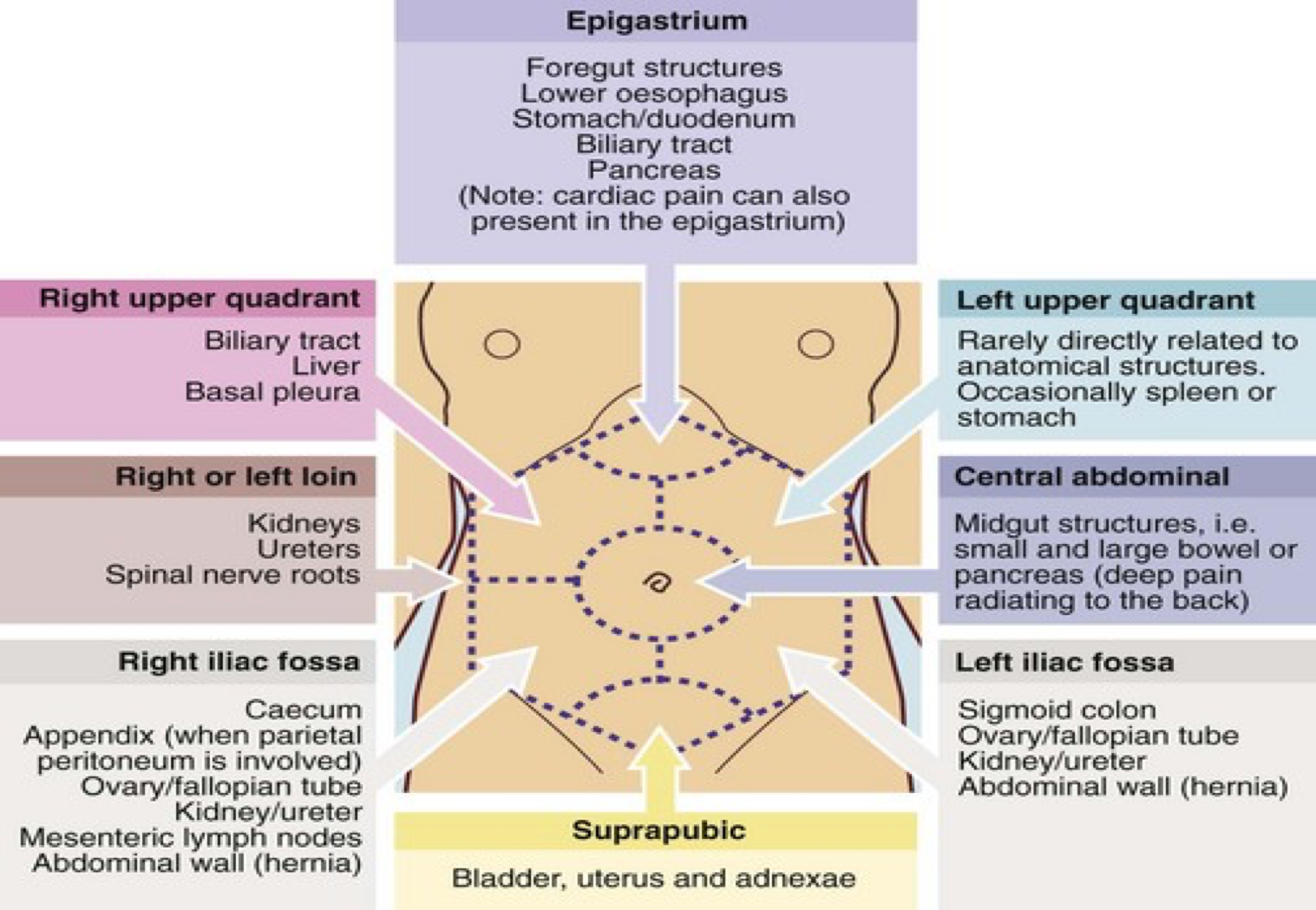
                                  1. Upper abdominal pain
                                    1. Abdominal pain that radiates to your back
                                      1. Abdominal pain that feels worse after eating
                                        1. Fever
                                          1. Nausea
                                            1. Tenderness when touching the abdomen
                                              1. ACUTE ABDOMEN
                                                1. causes
                                              2. Rapid pulse
                                              3. leading to these complications
                                                1. SIRS (systemic inflammatory response syndrome)
                                                  1. Pseudocyst
                                                    1. surgical treatment
                                                    2. Infected pancreatic necrosis
                                                      1. Secondary DM
                                                        1. Septic shock
                                                          1. Peritonitis
                                                      2. " I get smashed "
                                                        1. Alcoholism
                                                          1. Gall stones
                                                            1. Medications (thiazides)
                                                              1. Hypertriglyceridemia hypercalcemia
                                                                1. Infections: mumps, coxackie, CMV
                                                                  1. Acute ischemia (shock)
                                                                    1. Trauma, blunt,
                                                                      1. iatrogenic Genes: PRSS1, SPINK1
                                                                        1. Idiopathic, 10-20%
                                                                      2. controlled by CCK and vagal stimulation
                                                                        1. neutralizes acid in lumen
                                                                          1. digests fat and protein products
                                                                          2. CO2 diffuses to the interior of the cell from blood (carbonic anhydrase).
                                                                            1. CO2 combines water to form carbonic acid.
                                                                              1. It, in turn, dissociates into bicarbonate ions and hydrogen ions.
                                                                                1. H+ are exchanged for sodium which supplies the sodium ions → ductal lumen → electrical neutrality.
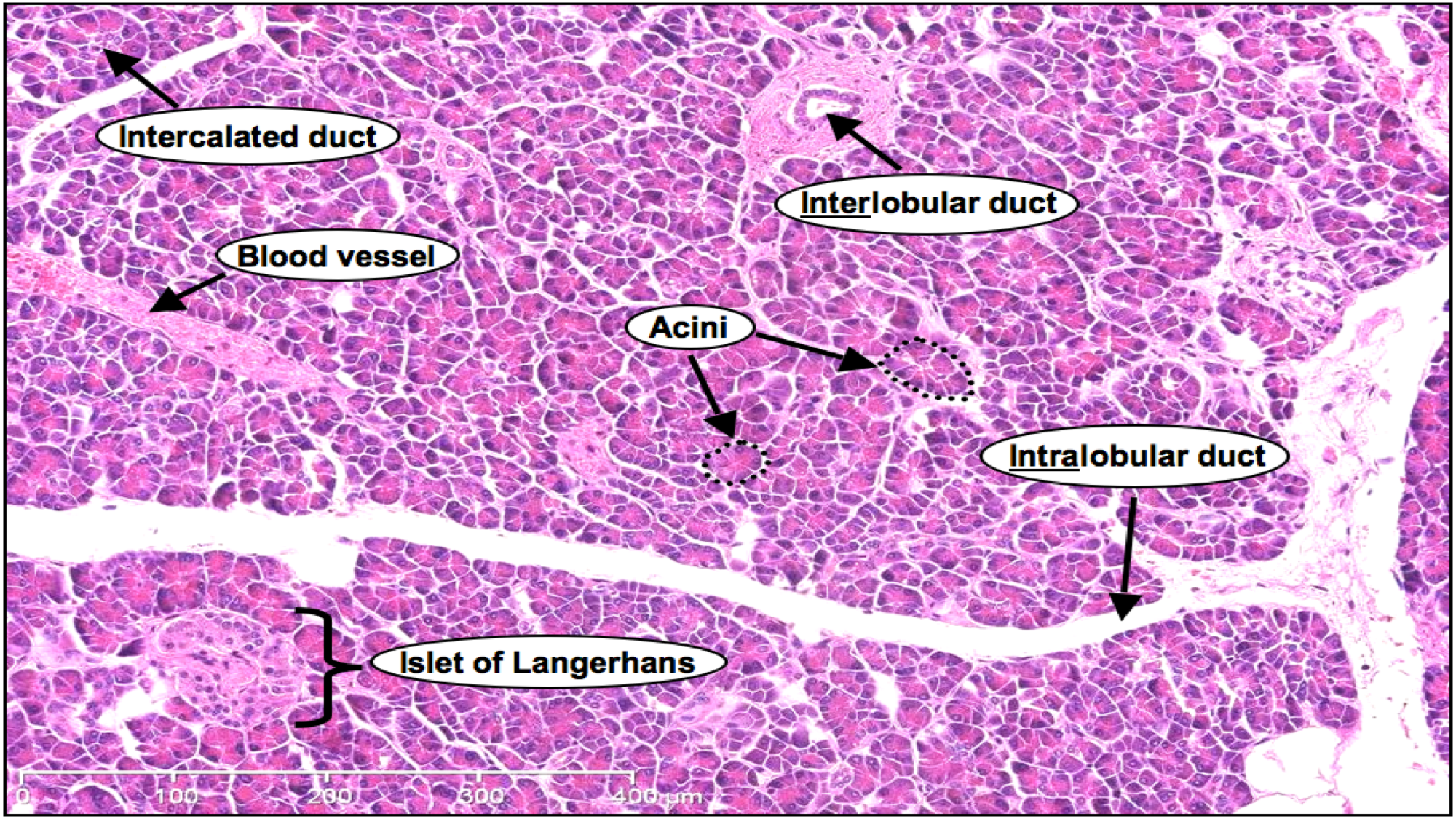
                                                                        2. Histology
                                                                        Show full summary Hide full summary

                                                                        Similar

                                                                        Common GI Disorders
                                                                        Julie HEYRMAN-COMPERNOLLE
                                                                        Pancreatitis e Insuficiencia pancreática
                                                                        Anita Fontao
                                                                        caso clinico 1
                                                                        jose vallejos
                                                                        Pancreatitis aguda
                                                                        Dulce Maria Espinoza Lázaro
                                                                        Chronic Gastrointestinal disorders
                                                                        LizaSAHM
                                                                        Exemplar 4.4: Pancreatitis
                                                                        Olivia McRitchie