
Mind map
Chemistry, Unit 1
Map content
Chemistry, Unit 1
hazard symbols
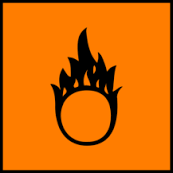
- oxidising
- provides oxygen which allows other materials to burn more fiercely
- liquid oxygen is an example
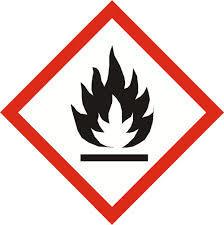
- highly flammable
- catches fire easily
- petrol for example
- harmful
- not as dangerous as toxic but similar
- example:copper sulfate
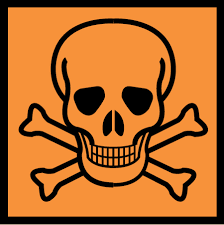
- toxic
- can cause death by swallowing, breathing in or absorption
- hydrogen cyanide
- irritant
- can cause reddening or blistering of the skin
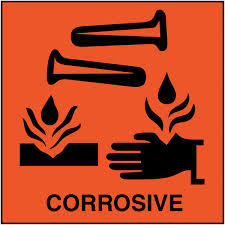
- corrosive
- attacks and destroys living tissues
- very concentrated sulfuric acid
- oxidising
pH scale
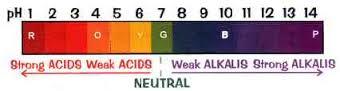
- when adding universal indicator to an acid, alkali or base, the substance changes these colours.
- a base is a substance with a PH more than 7
- an alkali is a base that can be dissolved in water
- an acid is a substance with pH less than 7
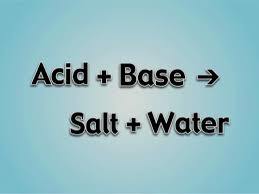
- an acid and a base react together to form salt and water
- salts are used in fertilisers and colouring agents within fireworks
- a base is a substance with a PH more than 7
- when adding universal indicator to an acid, alkali or base, the substance changes these colours.
HCL and indigestion
- stomach produces HCL
- enzymes work the best in an acidic environment
- kills bacteria
- too much HCL creates indigestion
- indigestion tablets contain calcium carbonate ( a base)
- neutralise excess acid
- indigestion tablets contain calcium carbonate ( a base)
- stomach produces HCL
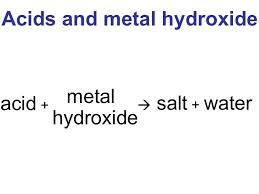
metal hydroxides and metal oxides are generally bases therefore they react with an acid to form a salt and water.
- if it was a metal CARBONATE it would form salt, water and CARBON dioxide when reacted with a acid
Electrolysis
- The splitting up of a liquid compound by using electricity.
- uses a direct current source ( like a battery)
- the electrolyte ( the compound we're breaking apart) must be in liquid form in able to conduct the electricity
- the electricity is applied to the electrolyte by two electrodes- often made of carbon.
- we can split up HCL into hydrogen and chlorine
- to test for chlorine it will bleach damp litmus paper white after turning it red
- chlorine is toxic
- used to treat water supplies
- needed for the manufacture of bleach
- and to create PVC
- chlorine is toxic
- hydrogen makes a squeaky pop sound when lit with a splint
- to test for chlorine it will bleach damp litmus paper white after turning it red
- The splitting up of a liquid compound by using electricity.
Images and files in the map


Information
- Description
- any comments, points etc. add. littlemindmap on the chemistry edexcel unit 1 topic 3
- Created by
- greenchloe1998
- Views
- 492
- Tags
- Rating