
Mind map
Second Language Acquisition Theories

Map content
Second Language Acquisition Theories
Input Hypothesis
- Stephen Krashen
- Characteristics
- -belief that people acquire language in the same way
- -acquire language when understand message
- (not how someone says something, but what they say
- knowledge of world help understand message
- Application
- provide pictures, symbols, examples, etc. to help get messages across from speech/ text
- provide opportunities for children to learn knowledge of outside world to understand message
BICS vs. CALP
- Basic Interpersonal Communicative Skills
- Jim Cummins
- Charateristics
- -deals with conversational fluency
- -children acquire early years of life; are fluent in own language
- -represents small aspect of any language
- -looking at discrete language skills
- Application
- observe children's everyday language and to see where they stand
- teach discrete language skills: grammar, spelling, phonics
- Cognitive Academic Language Proficiency
- Jim Cummins
- Characteristics
- interpret and produce complexity of the language
- found in language of textbooks and written texts
- language not used in everyday conversation
- looking at 5 years to catch up to native speakers
- Application
- read different types of books with complex language
- provide examples of written text for students to look at and observe not seen in everyday language
- Basic Interpersonal Communicative Skills
Universal Grammar
- Noam Chomsky
- Characteristics
- -all human language rests on building blocks of expression
- -all languages based on the fundamental interactions between:
- verbs
- adjectives
- nouns
- Application
- provide the building blocks and fundamental relationships into lessons
- teach students about verbs, nouns, adjectives and how to use in sentence structure in different languages when needed
Critical Theory Hypothesis
- Characterisitcs
- believed second language is best learned between age 2 and puberty
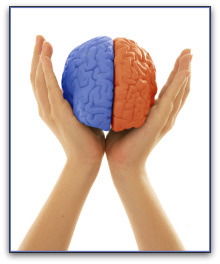
- ability to learn language is negatively affected by the completion of process of lateralization
- lateralization= each side of brain develops own specialized functions
- -young learners use same side of brain for learning both languages
- Application
- -teacher can find and use strategies to aid learning
- give comprehensible input to children in classroom
- Eric Lenneberg
- Characterisitcs
Threshold Hypothesis
- Application
- make sure students are strong in their native language before teaching new language
- bring different cultures into the classroom for all students to experience and learn about
- create opportunities for parent involvement
- Jim Cummins
- Characteristics
- states there is a threshold level of ability
- must be reached in one language to be successful in other language
- states high levels of bilingualism have positive cognitive effects
- better developed L1= better developed L2
- states there is a threshold level of ability
- Application
Images and files in the map




Information
- Description
- The theories of second language acquisition
- Created by
- ead0026
- Views
- 57
- Tags
- Rating