
32911388
Description

Mind Map by luisa quiñones, updated more than 1 year ago

|
Created by luisa quiñones
over 4 years ago
|
|
Learning
strategies
Annotations:
- Types of strategies contributing directly to learning
- Cognitive
Annotations:
- Strategies that involve analysis, transformation or synthesis of information
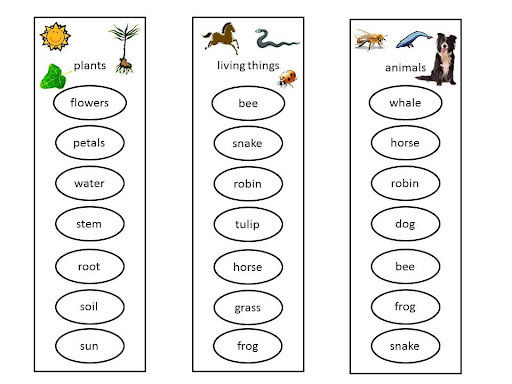
- Grouping Strategies
- Relationship
beween words
- Certain
- Criteria
- Nouns
- Topics
- Similarities
- Categories
- Certain
- Relationship
beween words
- Creating associations
strategies
Annotations:
- They help students retrieve words from memory and to understand the text more easily.
- Build words chains
- add words they associated
with the previous word.
- add words they associated
with the previous word.
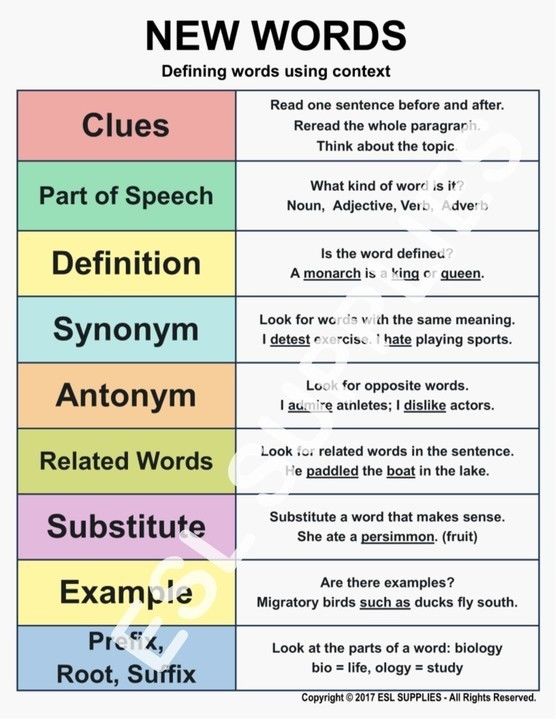
- New words un a context
strategy
- Use context clues to
discover the meaning
of a word.
- Use context clues to
discover the meaning
of a word.
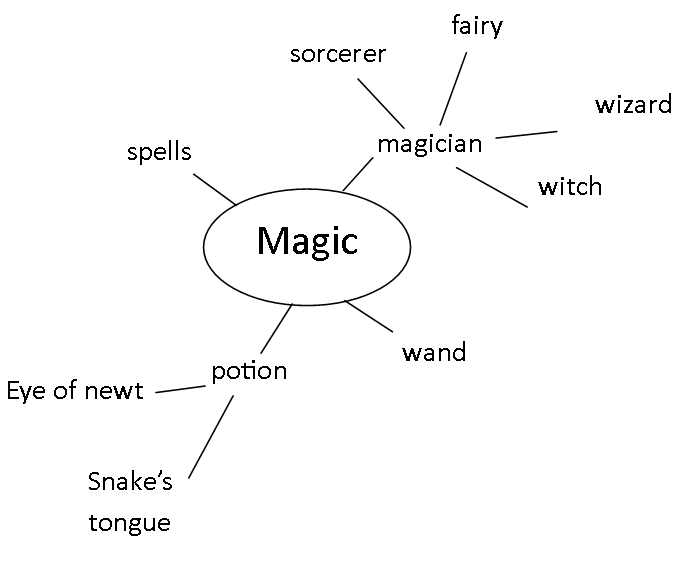
- Semantic mapping strategy
- understand concepts with
graphical representation
- understand concepts with
graphical representation
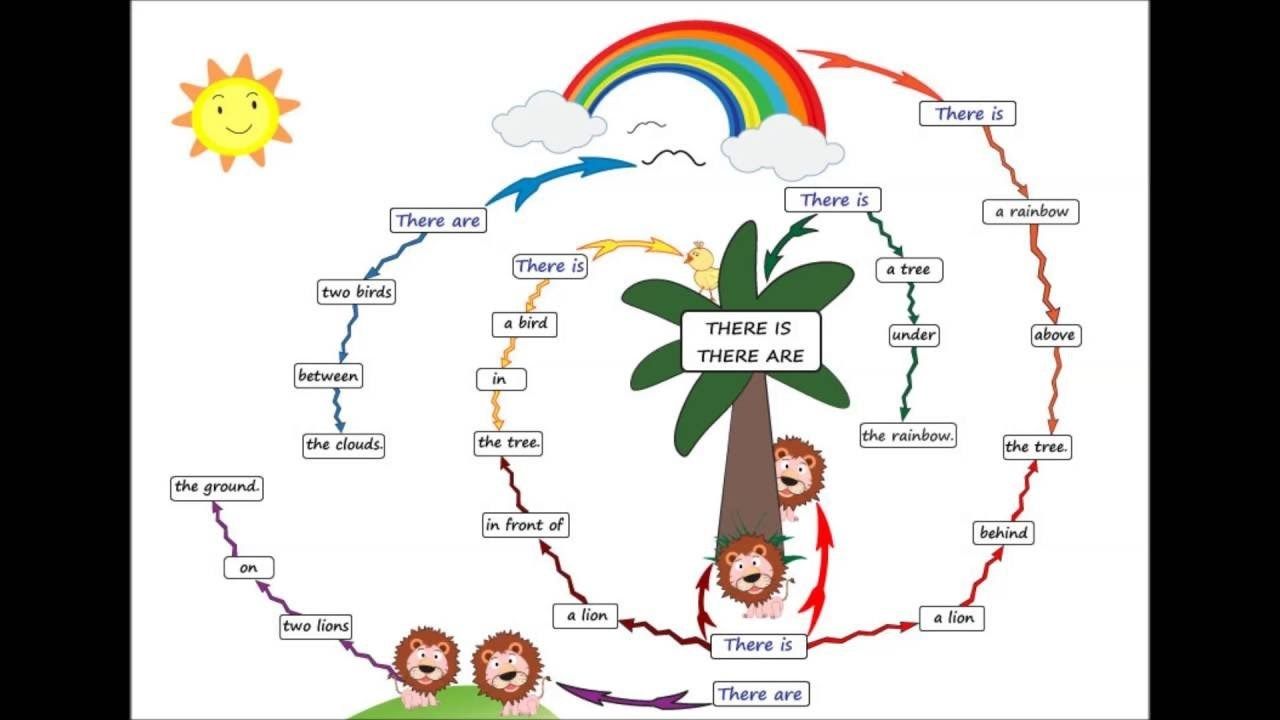
- Physical response strategie
- Learn with
playful
games
- It helps and supports memory
- Students can be
connected any other
cognitive strategy.
- Students can be
connected any other
cognitive strategy.
- Students must
respond with the
correct movement.
- It is very effective and
advisable with young
students
- It is very effective and
advisable with young
students
- It helps and supports memory
- Learn with
playful
games
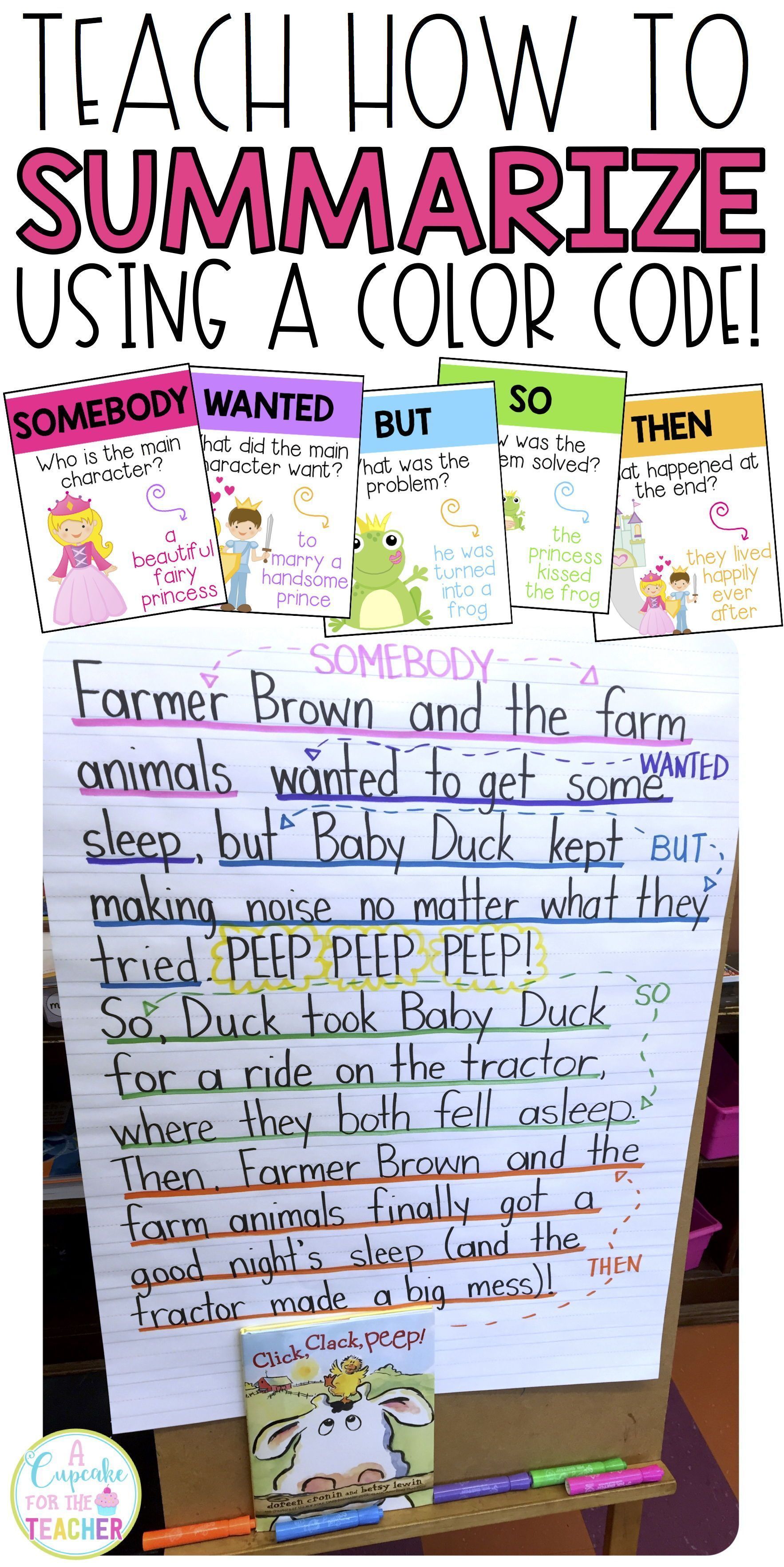
- Summarizing Strategy
- Reduce the text
- Most important
information
- Main idea
- Express it though in a simple way.
- which ideas can
be omitted
- Main idea
- Most important
information
- Reduce the text
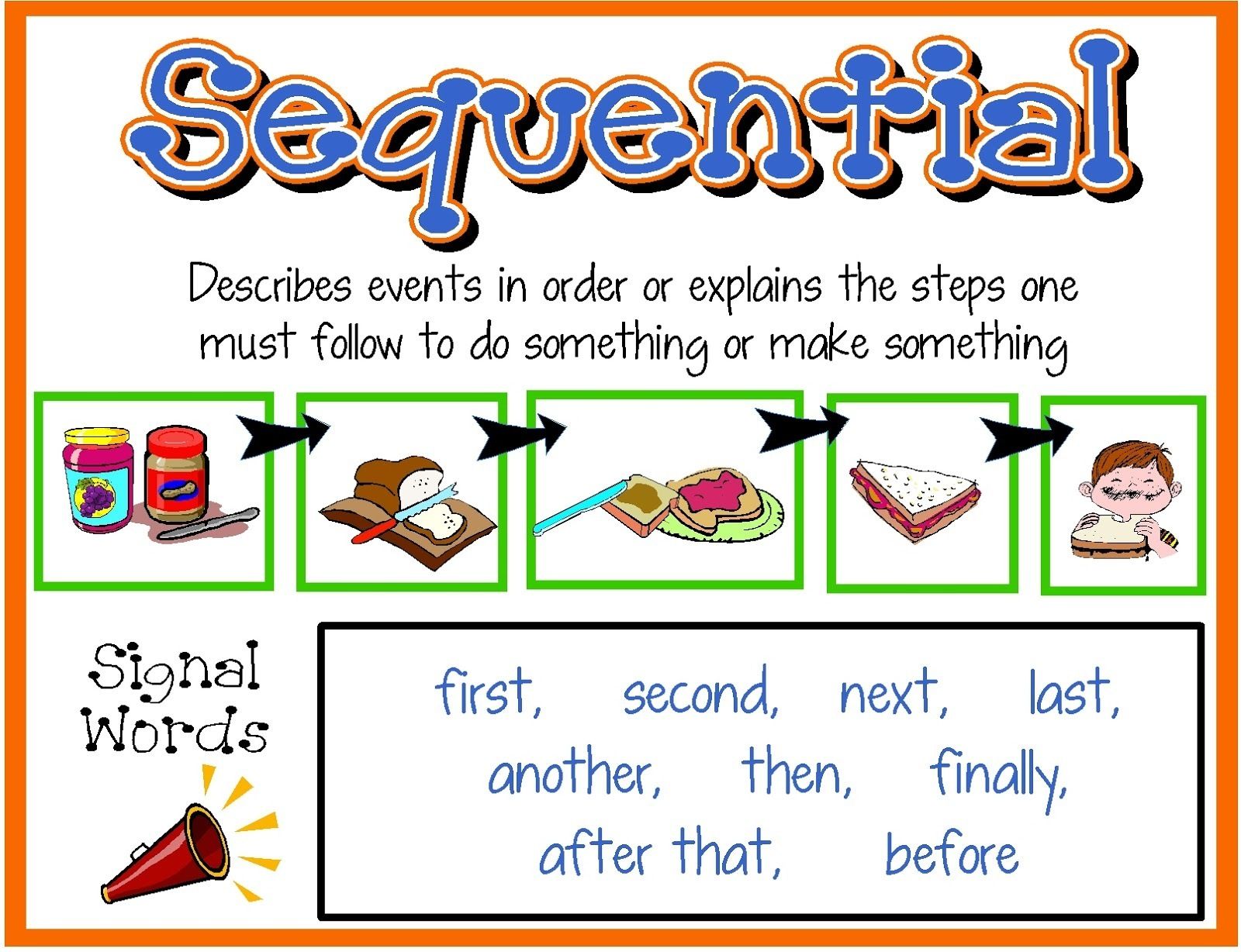
- Sequencing strategy
- Helps students
- Putting events in logical order
- Demostrate the
understanding of the
text.
- Demostrate the
understanding of the
text.
- To understand the text
- can be done pictures
sequencing or word
/sentence /paragraph
sequencing.
- can be done pictures
sequencing or word
/sentence /paragraph
sequencing.
- Putting events in logical order
- Helps students
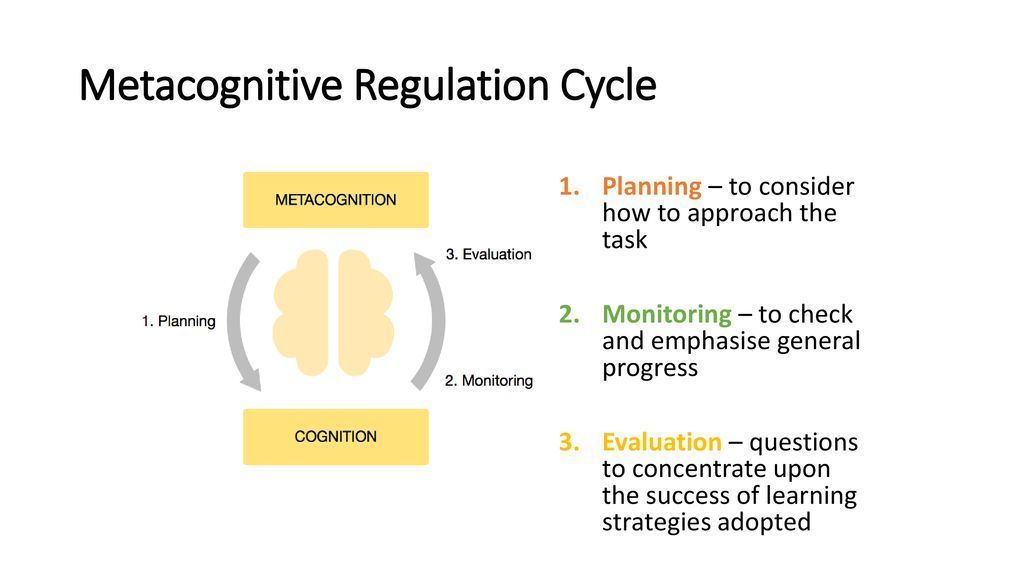
- Metacognitive
Annotations:
- Help learners regulate , or supervise learning by self – management, planning, setting priorities, or establishing goals.
- Centering your
learning
- Identifying a focus
- Overviewing and
linking with already
known material.
- The new vocabulary or
material link them to
learner´s previous
knowledge
- The new vocabulary or
material link them to
learner´s previous
knowledge
- Overviewing and
linking with already
known material.
- Paying attention
- Directed
attention
- Globally attentive to
the task and avoiding
distractions.
- Globally attentive to
the task and avoiding
distractions.
- Sellective
attentión
- Involves noticing
particular details or
elements
- Pronunciation
Grammar
Vocabulary
punctuation
Sentences
construction
- Pronunciation
Grammar
Vocabulary
punctuation
Sentences
construction
- Involves noticing
particular details or
elements
- Directed
attention
- Delaying
speechproduction to
focus on listening
- postponing speaking
- concentrating
on listening
comprehension
- Before feeling
comfortable to
speak.
- Before feeling
comfortable to
speak.
- concentrating
on listening
comprehension
- postponing speaking
- Identifying a focus
- Arranging and
planning your
learning.
- Aim to
organize
learning.
- Finding out about
language learning
- Organizing or
creating the most
appropriate physical
environment
- Setting goals and
objectives in each of
the skill areas.
- Identifying the purpose of
a language task
- Learners to focus
their attention on
the right aspects.
- Learners to focus
their attention on
the right aspects.
- Finding out about
language learning
- Aim to
organize
learning.
- Evaluating your
learning
- Self monitoring
- Correct personal
mistakes
- ALERT - obsessed
with correcting
every mistake will
destroy
communication,
which is the major
objective
- ALERT - obsessed
with correcting
every mistake will
destroy
communication,
which is the major
objective
- Correct personal
mistakes
- Self – evaluating,
or measuring
- The overall
language progress or
achievements in one
of the four language
skills
- The overall
language progress or
achievements in one
of the four language
skills
- Self monitoring
- •Connecting new
information to the old one.
• selecting deliberate
thinking strategies.
• Planning , monitoring the
process oflearning,
correcting errors, analyzing
the effectiveness of
learning strategies
and evaluating thinking
processes
Media attachments

Want to create your own Mind Maps for free with GoConqr? Learn more.